Life always moves more slowly in Spain, where the siesta is the national pastime and you practically have to send up smoke signals to get your tapas bill. But in the winter, when locals aren’t being pressured by impatient tourists to pick up the pace, everything slows to a crawl.
That was a frustration when I traveled by train across the country in late November.
Major artworks, including El Greco’s “The Burial of the Count of Orgaz” in Toledo, were unavailable for viewing because of renovations. Rooftop restaurants were shuttered. Securing English-speaking tours required a little luck and a lot of scheduling. Temperatures dipped to the 50s and 40s Fahrenheit, forcing usually fashion-forward Spaniards to cover up in puffy coats.
But there are also huge advantages to seeing the world’s second-most touristed country (after France) during the offseason—starting with prices.
A Delta Air Lines connecting flight from Minneapolis to Madrid, with a return flight from Barcelona two weeks later, was less than $600, about half of what you might pay in the summer. Hotel rates hovered at about $60 for doubles with private bathrooms.
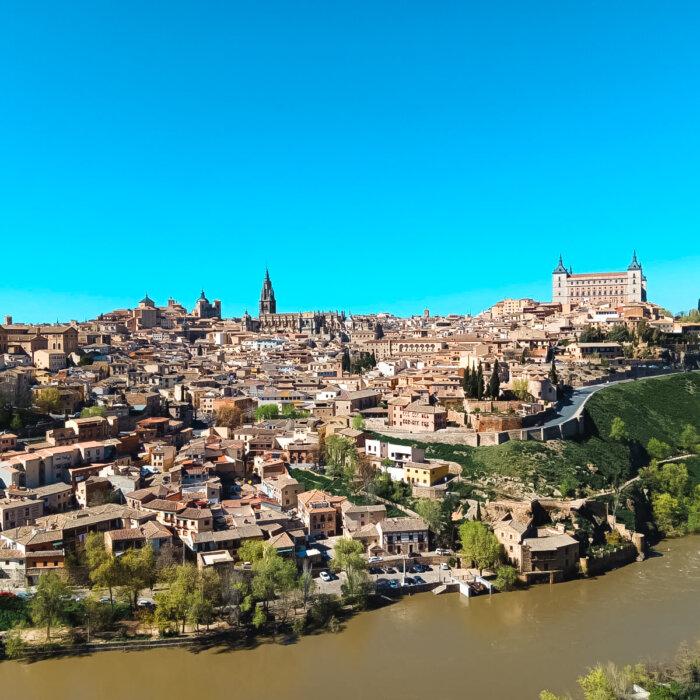
Offseason Delights
Churches and museums that get packed starting in May could be enjoyed without fellow tourists nudging you out of the way to get a closer look at artists’ umpteenth take on the crucifixion.There was no such rush at the Cathedral of Toledo, allowing me to treat Narciso Tomé’s “El Transparente,” a Baroque masterpiece that stretches into the sky, as if it were my own private stairway to heaven.
The ornate library at the monastery in El Escorial, worth a dull bus ride from Madrid, was so vacant I was tempted to plop down in a 16th-century chair with a book off the Italian-designed shelves.

Getting a non-Spanish guide at Zaragoza’s Aljafería Palace was nearly impossible, but there were English descriptions below impressive samples of Francisco Goya’s art. You just needed a magnifying glass to make out the teeny-tiny print.
At the spectacular Basílica del Pilar, just a little more than a mile away, most of the people present were attending a wedding whose bride happily posed with Chinese tourists after the ceremony.
It was easy to book a last-minute trip to Montserrat Monastery to hear its boys choir, with a wisecracking guide who used to be an au pair in Minnesota. The scenic bus ride from Barcelona to the abbey was only spoiled by a fellow American who was more interested in sharing his unflattering thoughts on Minnesota Gov. Tim Walz than relishing the mountain views.
Dining Like a Spaniard
Winter is an excellent time to snag tables at the more than 300 Michelin-star restaurants scattered across the country. But if you want to eat where the locals dine, expect to cool your heels for a bit.The best meal I had during the two-week visit was at the cramped but colorful Cedros in Zaragoza, which finds endless ways to celebrate pink tomatoes. Spain has a thing for cheesecake, and no restaurant indulges that addiction better.
My second-best dining experience was the opposite of decadent. After a 15-minute wait, we snagged a table at Madrid’s Casa González, which specializes in charcuterie boards. That may not sound very filling, but we devoured so much deer meat and goat cheese, we left feeling like we had just experienced a royal feast.
Far From the Tourist Traps
Winter visitors will want to revolve their plans around late-night activities, since hanging out at the beach or sipping sangrias at sidewalk cafes isn’t really an option.This can be a bit of a challenge. Most locals seemed content to spend their evenings simply wandering through plazas to gawk at the tall, fake pine trees and holiday light displays that could have been installed by Clark Griswold in “National Lampoon’s Christmas Vacation.”
But hunt around a bit and you’ll discover barely hyped treats that don’t require a translator. Both Madrid and Barcelona have top-notch English-speaking comedy clubs and music venues that embrace U.S. culture. During my fortnight, I took in a set from the American band Cracker, an underground gig featuring former New Orleans harp player Greg Izor and a blues jam that could have taken place in the Mississippi Delta.
But the most memorable outings were the result of embracing local culture. We had ventured to the relatively small town of Burgos to learn more about El Cid, the legendary warrior buried deep in the bowels of a gorgeous cathedral. It’s a picturesque city, but not one booming with nightlife.
On our last evening there, we came across Taberna Patillas, a pub where regulars borrow house instruments to put on impromptu hootenannies. At one point, a group of 20-somethings that included a guitarist who had studied at Winona State University performed one Mexican ballad after another as a bunch of elderly men lustily sang along.
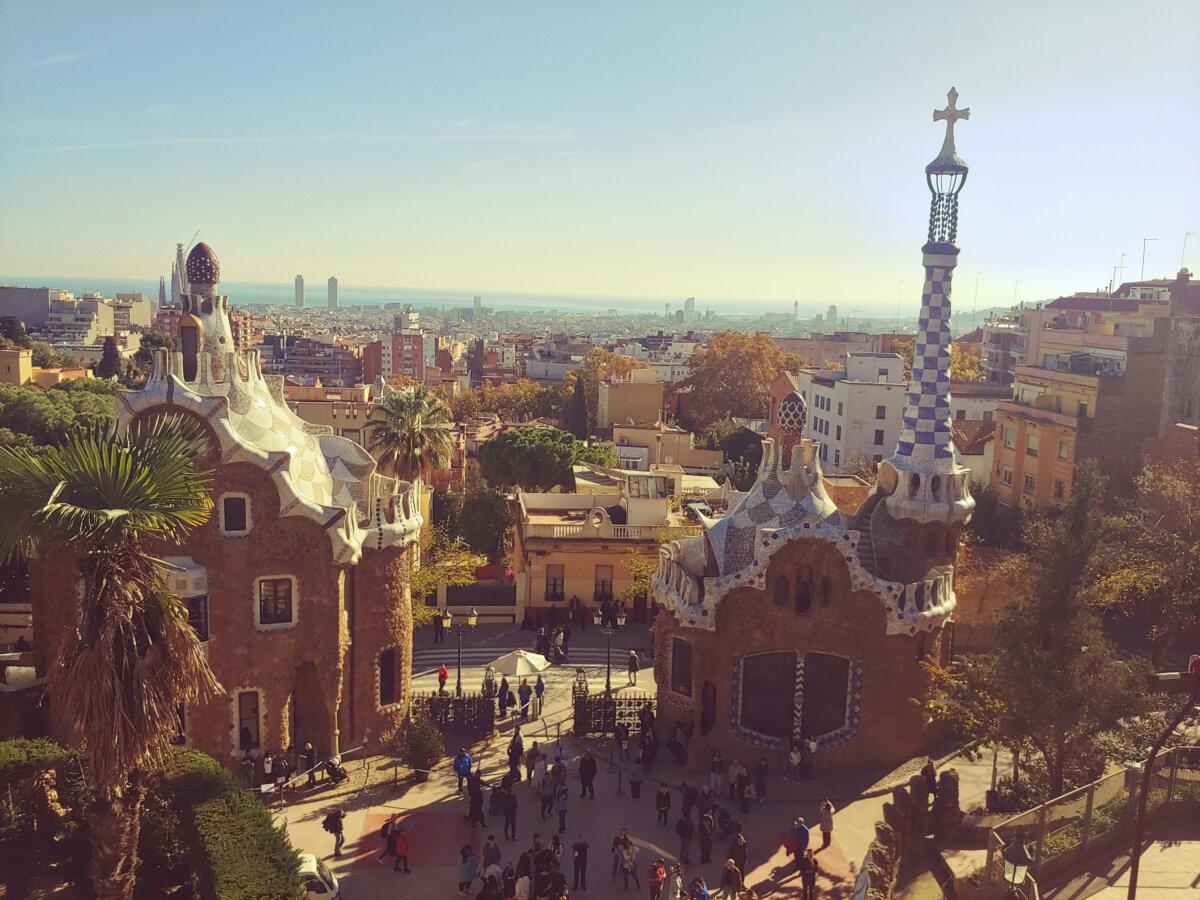
I didn’t understand a lick of it, but it was as magical a moment as seeing one of Antoni Gaudí’s homes. This was Spain far from the tourist traps, pricey museums, and Barcelona beaches—a scene you could fully appreciate in the offseason.
The other most indelible memory came in Toledo, where I watched a resident unloading his groceries.
He had parked his hatchback on a narrow lane so he could transfer bags into his house, creating a minor traffic jam behind him. Instead of leaning on their horns or cursing, the stalled drivers simply waited him out.
In Barcelona two weeks later, the people were not so patient. Even without the 3 million visitors that come to the city in summer, the honking of car horns rippled across bus intersections. The blare never sounded so cold.