Ask Angi
Between rapid growth, intense heat and frequent thunderstorms, trees can develop hidden issues that become safety hazards if left unchecked. A quick inspection now can help protect your home, improve the health of your landscape and reduce the risk of costly damage later in the season.
Start by walking around your property and looking for obvious warning signs. Dead or hanging branches, cracked limbs, leaning trees, or branches extending over your roof, driveway, or power lines should never be ignored. Even healthy-looking trees can develop weakened limbs that become vulnerable during heavy rain, strong winds, or saturated soil.
Summer is also a good time to check for signs of heat stress, pests, and disease. Leaves that are discolored, wilting or falling earlier than expected can indicate that a tree is struggling. You may also notice mushrooms growing near the base of a tree, peeling bark or insect activity that signals a larger problem. Catching these issues early often makes them easier and less expensive to address before they worsen.
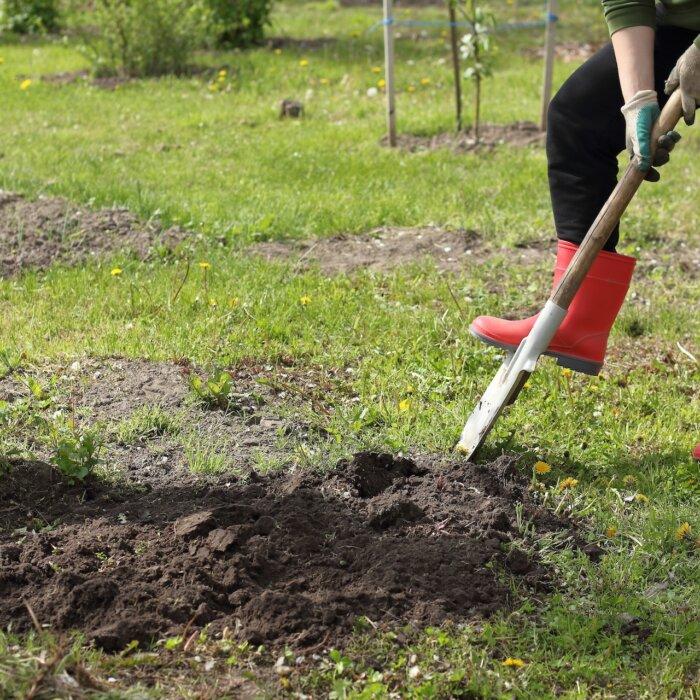
Don’t forget about younger trees, which are especially vulnerable during hot weather. Deep watering once or twice a week encourages stronger root growth than frequent shallow watering. Applying a fresh layer of mulch around the base of the tree can also help retain moisture and regulate soil temperature, but be sure to keep mulch a few inches away from the trunk to help prevent rot and decay.
While it’s important to remove dead or damaged branches, avoid over-pruning healthy trees during periods of extreme heat. Removing too much of the canopy can expose branches and bark to excessive sunlight, increasing stress on the tree. Focus on trimming broken, diseased or crossing branches, and leave major pruning to cooler seasons unless safety is a concern.
Finally, know when a project is better left to a pro. Trees located near homes, power lines or other structures can pose significant safety risks, especially if large limbs need to be removed. A certified arborist can assess a tree’s health, identify structural concerns and recommend whether pruning, treatment or removal is the safest option.
Healthy trees provide shade, beauty and value to your home, but they require seasonal care to stay that way. Taking a little time this summer to inspect your trees can help prevent costly repairs, reduce storm-related damage and keep your landscape healthy for years to come.