What Traditions Reveal About 8
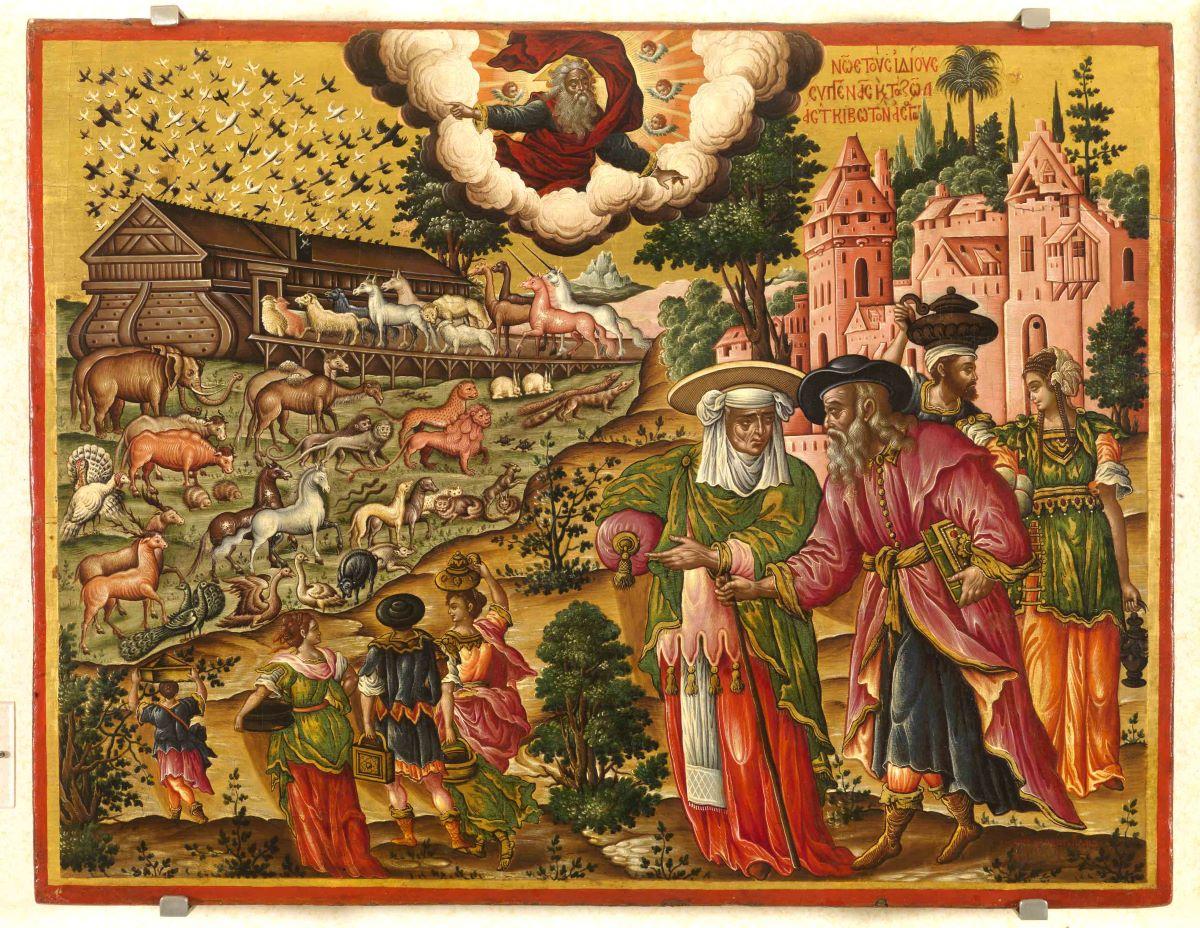
This idea runs deeply through both myth and scripture. In Christian tradition, Christ rises on the first day of the week, which the early Church also came to understand symbolically as the “eighth day”—the day beyond the ordinary cycle of time, marking new creation. It is not simply a continuation of the week, but a transformation of it. The resurrection is not a repetition; it is a renewal. Something entirely new has entered the world: a new creation, as it were.We find a similar pattern in the story of the Flood. Noah and his family—eight souls in total—emerge from the ark into a cleansed creation. The old world has passed away; what stands before them is not merely a repaired version of what was, but the possibility of a different future. Once again, eight marks the crossing point between ending and beginning.
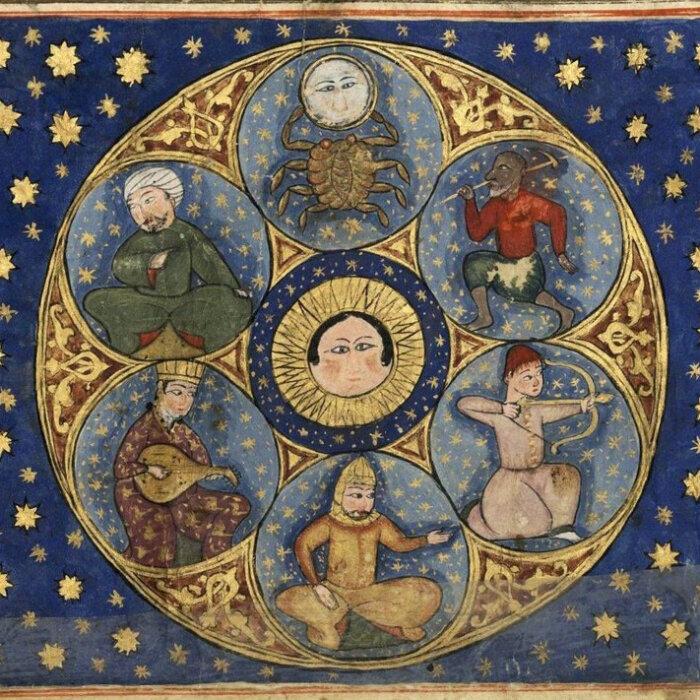
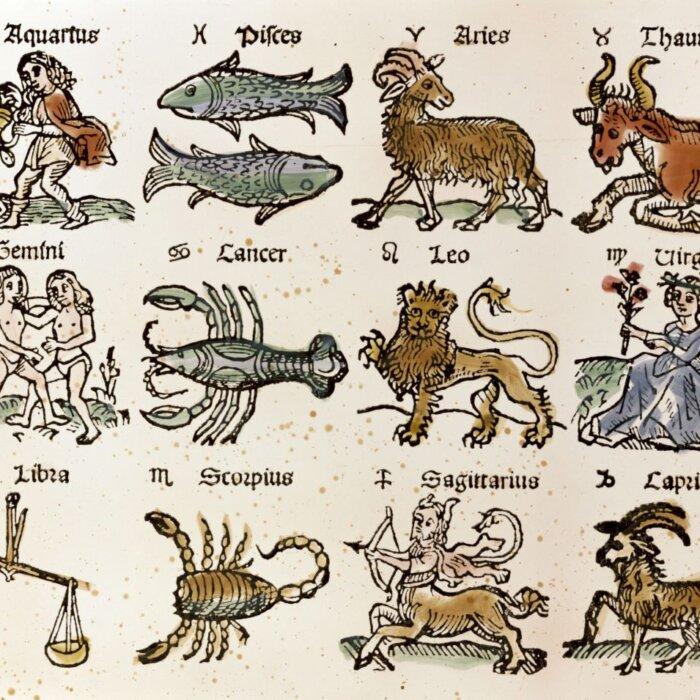
This number of Noah’s family—eight—is what more incisively informs the Eastern tradition: The heart of Chinese philosophy centers round an eight-sided figure called the “bagua.” From this, the Chinese, 5,000 years ago, sought to organize what they saw as the fundamental elements of existence—and the constant state of change in the universe—through eight trigrams which correlated with a number of phenomena, but not least that a family was made up of eight members: mother, father, and three children of each sex. From the eight trigrams, of course, we get the 64 (eight times eight) hexagrams and the profound depths of the I Ching philosophy. Eight, in the East, is seen as a very lucky number.
What is striking is that the number eight does not deny the importance of completion. On the contrary, it depends upon it. Without the discipline, structure, and fulfilment represented by seven, there can be no meaningful “eighth day.” But neither does it allow us to remain there. It insists that completion is not the goal—it is the gateway.
The Greeks, too, intuited something of this deeper pattern. While they did not systematize number in quite the same way as later traditions, their myths repeatedly explore the idea that fulfilment must be followed by transformation. The hero does not simply complete a task; he is changed by it, and he must go on.
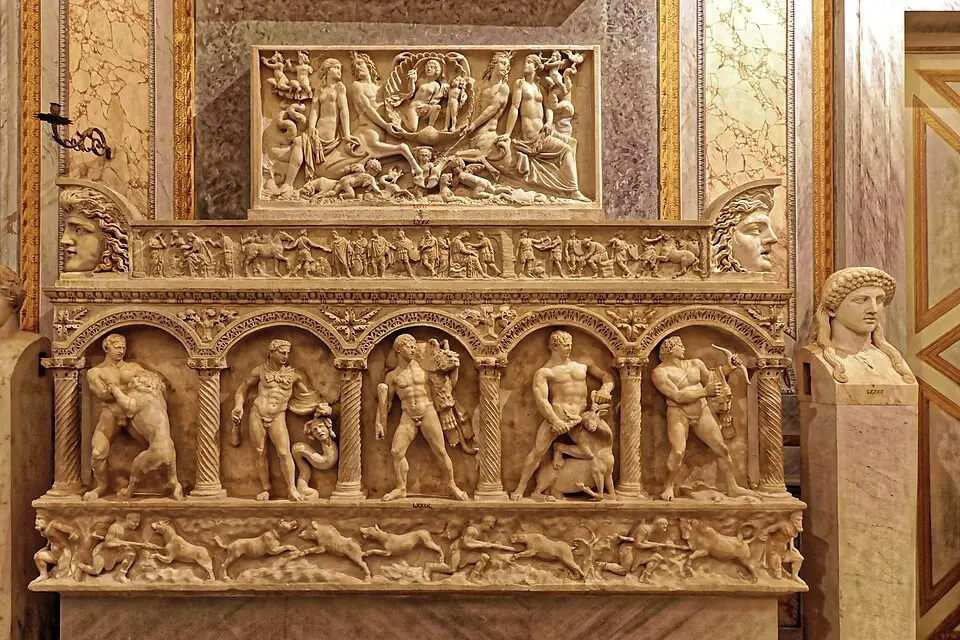
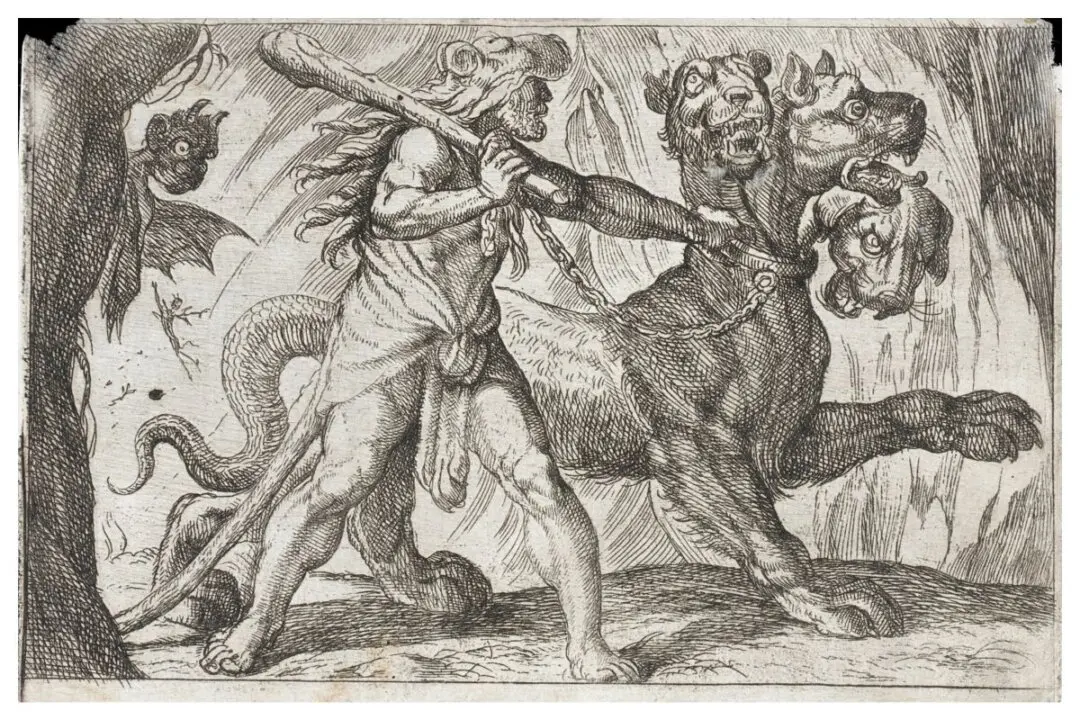
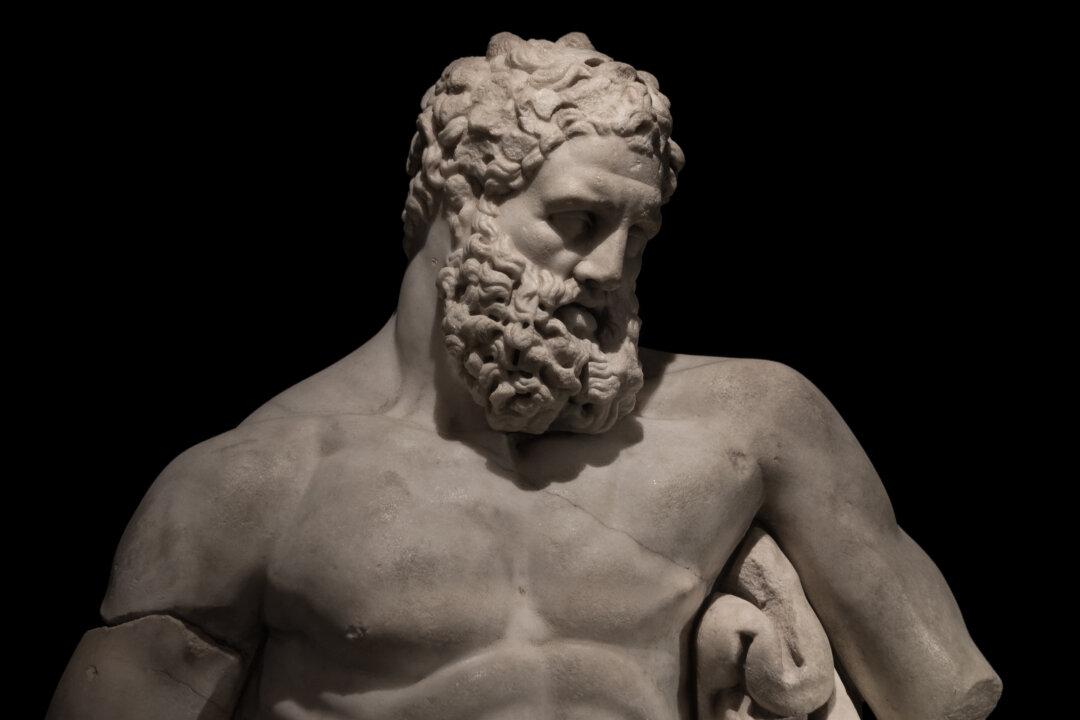
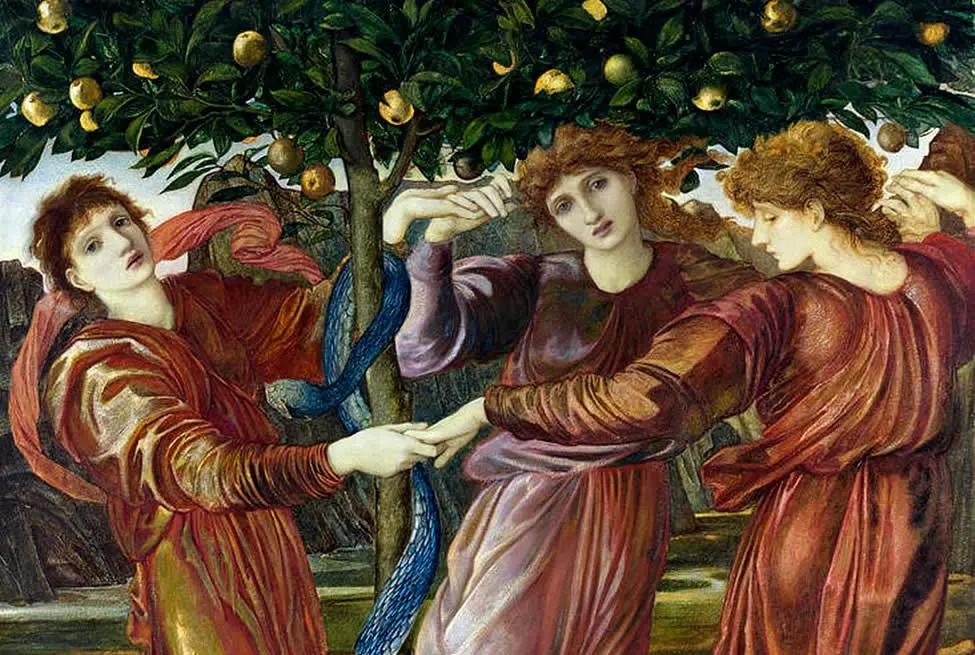
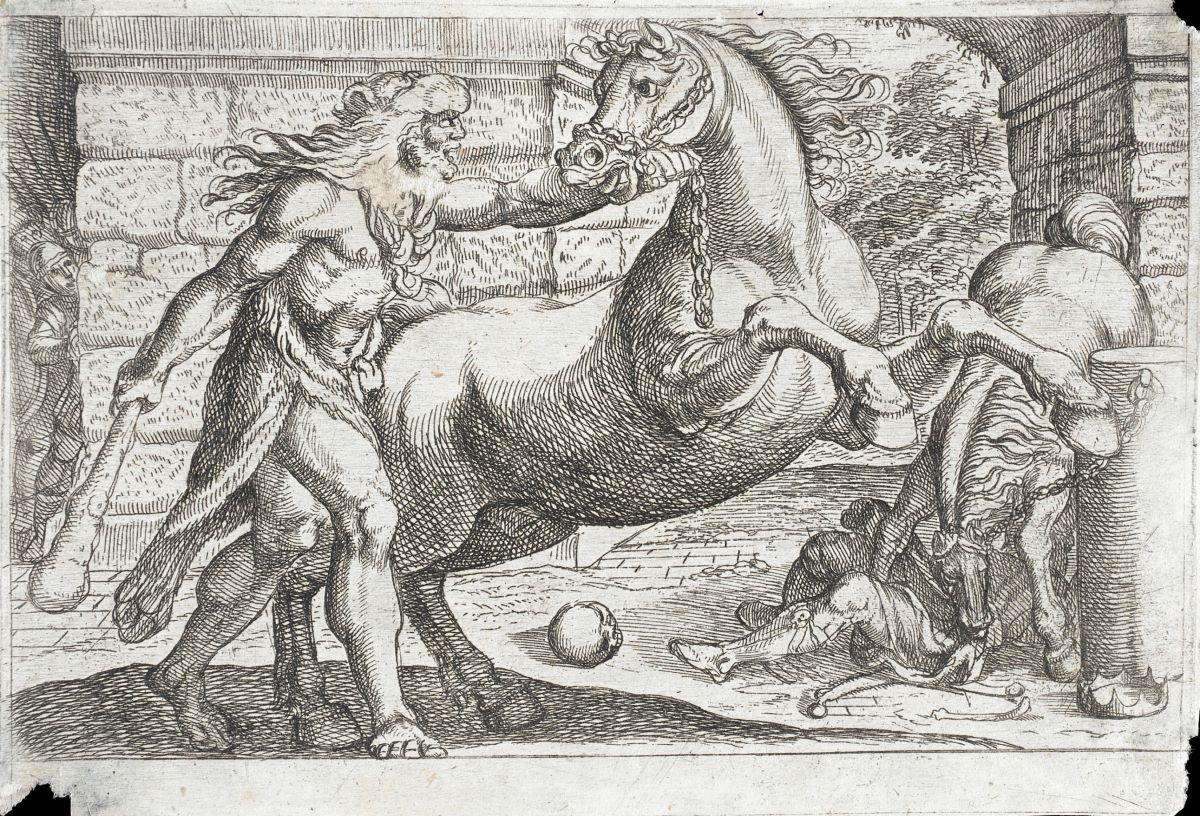
In the story of Herakles, this dynamic becomes particularly clear. His labors are often treated as a sequence of heroic feats, each one a victory over chaos or monstrosity. But they are not merely a checklist of accomplishments. Each labor alters him, deepens him, and prepares him for what follows.
Herakles does not simply defeat them; he restores order by turning the violence back upon its source: Diomedes himself is fed to the mares, and only then are they tamed. What had been chaotic becomes ordered; what devoured is itself devoured. The labor marks a turning point: not just an external victory, but a moral rebalancing.
This idea is paralleled in Christian terminology in the notion of death itself—through the resurrection—being destroyed: “Therefore, since the children share in flesh and blood, He Himself likewise also partook of the same, so that through death He might render powerless him who had the power of death, that is, the devil.” (Hebrews 2:14)
Here is, if you like, another moral rebalancing: Death is just as unnatural as flesh-eating horses, and two heroes, Christ and Herakles, must rid the world of these evils respectively.
To Infinity
In this sense, eight carries within it a paradox. It is both continuity and rupture. It follows directly from what has gone before, and yet it breaks the pattern. Visually, even its shape suggests this: two circles, one above the other, or—when turned on its side—the symbol of infinity. It hints at repetition, but also at transcendence. So, when we turn it on its side and see the sign of infinity, what was implicit becomes explicit. The movement beyond completion is not a one-off event, but something that opens into an unbounded horizon. In other words, eight suggests a passage, while infinity suggests the condition into which that passage leads.There is also something suggestive in the form itself. The upright eight consists of two circles, one above the other—often read as heaven and earth, or the higher and lower orders brought into alignment. Turned sideways, those two circles become a continuous flow, each feeding into the other without beginning or end—like links in an unbreakable chain. The distinction between above and below dissolves into a single, unbroken movement.
A Number for Today
We live in an age obsessed with completion—targets met, systems built, processes optimized. We measure success by what has been finished, achieved, or closed. And yet, as many are beginning to sense, completion alone is not enough. A life can be perfectly “complete” by external standards and yet feel curiously empty. What is missing is the eighth step: the movement beyond completion into renewal.This might take many forms. It might be the decision to change direction after a career has reached its peak. It might be the recognition that a long-held belief, though once useful, now needs to be relinquished. It might even be the willingness to begin again after failure—not as a return to the past, but as an entry into something new.
In each case, the pattern is the same. There is first a kind of completion—a bringing of something to its natural end. But if we stop there, we stagnate. Only by stepping into the “eighth day” do we find renewal.
The great stories remind us of this truth because we are prone to forget it. We cling to what we have built, mistaking it for the final goal. But the deeper pattern of reality is more dynamic. Completion is not the destination; it is the threshold. Another word for threshold here might be liminal space—somewhere where different and unfamiliar rules apply and where, perhaps, the prophetic words of Buzz Lightyear might resonate: “To infinity and beyond!”
The number eight, quietly and persistently, points us beyond that threshold. It tells us that the end is not the end—that there is always the possibility of beginning again. And, perhaps, that is why it remains, across cultures and centuries, a symbol not just of order restored, but of hope renewed.
Correction: An earlier version of this article did not make clear that the “eighth day” comes from early Christian tradition, where it was used symbolically. The Epoch Times regrets the lack of clarity.