On Nov. 9, 1967, Sijan was flying as the backseat pilot of an F-4C fighter on a mission over North Vietnam when a malfunction in the timing fuse of a bomb enveloped the aircraft in flames. Sijan ejected into the night sky and fell into the triple-canopy jungle below, but the other pilot, Col. John Armstrong, went missing and was later presumed dead.
The Man in the Making
When we look at Sijan’s background, we find only hints rather than firm reasons for his valiant attempt to escape his pursuers and the bravery he demonstrated during his torture, which was regarded with awe by his fellow prisoners.An Ordeal That Beggars Belief
Add all these factors together, however, and they don’t come close to explaining the source of his dauntless willpower in the jungle and in prison.
During those 46 days when he successfully hid from North Vietnamese troops, Sijan endured the vicissitudes of the weather and the terrain, all while suffering pain from his wounds. He was able to move by crawling or by lying on his back and pushing himself along. He ate plants, grubs, and insects, and drank by licking dew from grass when there was no rain and he couldn’t find a stream. When the enemy finally found him on Christmas Day, he was lying unconscious in a jungle road, rail-thin and wearing tattered clothing. He was three miles from his touchdown site.
Unbroken
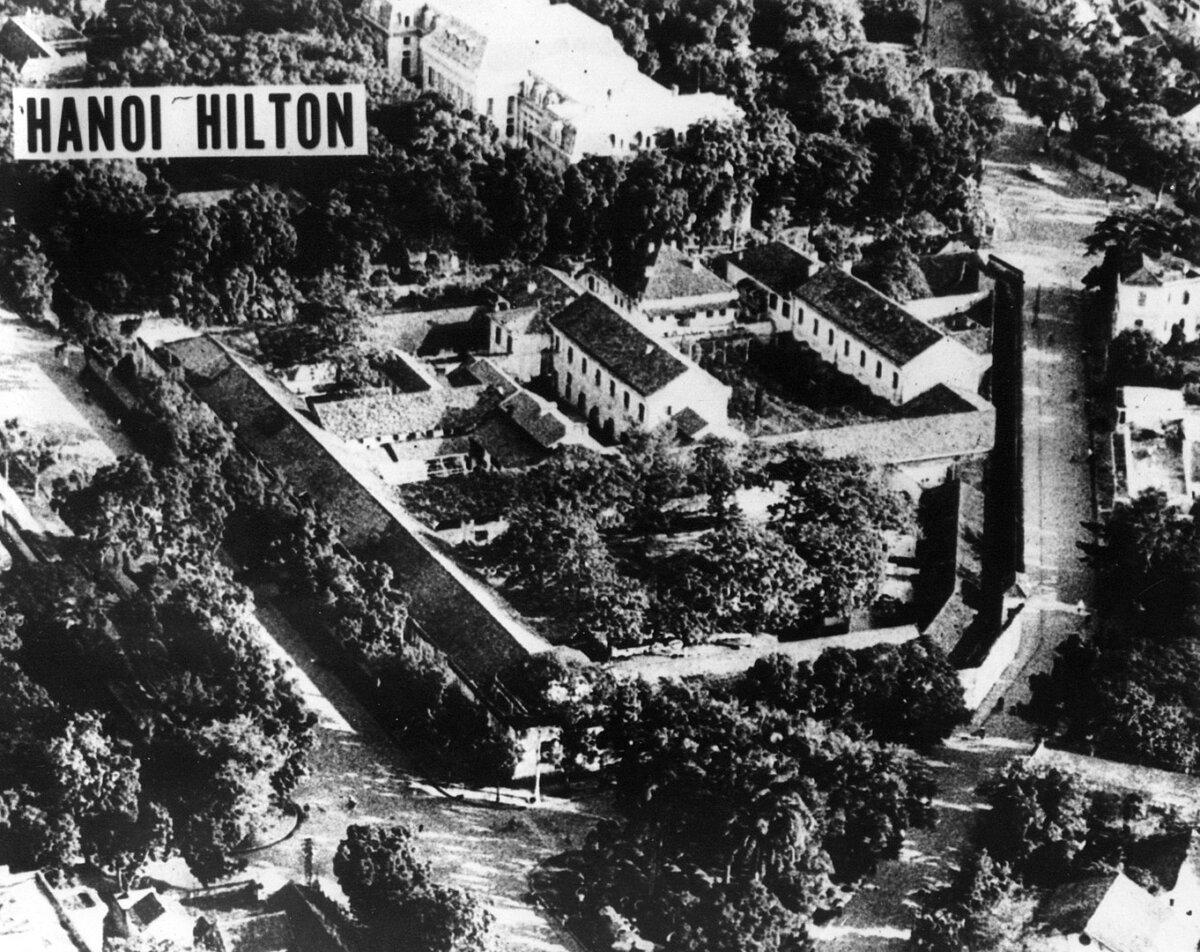
Two eyewitnesses later testified to Sijan’s heroism once captured. Capt. Guy Gruters, who had known Sijan at the Academy, and Maj. Robert Craner were also captives at the holding area known as “The Bamboo Prison.” He told them of his time in the jungle, and they observed firsthand the brutal torture of their wounded and sick comrade-at-arms in the enemy’s attempts to gain information. When the three men were transferred to Hoa Lo Prison, known to American captives as the Hanoi Hilton, Gruters and Craner bore witness to the continuance of Sijan’s vicious torture.During these sessions, Sijan strictly adhered to the Code of Conduct and refused to give the enemy any information. Back in his cell, fed and assisted by his fellow prisoners, he continued to dream of escape.
The Air Force Academy marked Sijan’s heroism—he was the first Academy graduate to receive the nation’s highest military honor—by naming a building after him, Sijan Hall. More importantly, fourth-classmen (freshmen) are required to know his story in detail. Established in 1981, the Lance P. Sijan USAF Leadership Award recognizes Air Force personnel who have exhibited the highest standards of leadership and character in their duties and in their personal lives.
If we return to Adm. Tarrant’s “Where do we get such men?” the answer remains elusive. Courage of this magnitude struck even his fellow prisoners as superhuman, a mystery beyond human explanation. What we must hope for, however, is that men and women possessed of such tremendous character continue to appear in our country’s time of need.