
Most homeowners don’t think much about pests until they spot one in the kitchen, hear scratching in the walls or notice damage that suddenly seems impossible to ignore.
But by the time pests make themselves obvious, the problem has often been growing quietly for weeks—or even months. The key to avoiding major headaches and costly repairs is understanding what to look for early and taking simple preventative steps before pests become a bigger issue.
First, know that pest problems aren’t always seasonal or obvious. While warmer weather often brings ants, mosquitoes, and termites into focus, pests like rodents, cockroaches, and even carpenter ants can become year-round concerns depending on where you live and the condition of your home. Factors like moisture, small exterior gaps, food access, landscaping, and cluttered storage spaces can all make a home more attractive to unwanted visitors. Older homes—or homes that haven’t had regular maintenance—can be especially vulnerable.
Just as important is recognizing early warning signs before an infestation grows. Small clues often show up long before you actually see a pest. Droppings in cabinets or near baseboards, scratching noises in walls or ceilings, unexplained wood damage, grease marks along walls, nests in attics or garages, or tiny piles of sawdust-like material near wood can all signal a problem. Outside, homeowners should watch for cracks near foundations, damaged weather stripping, standing water, or overgrown landscaping touching the home—all of which can create easy entry points.
I experienced this firsthand when chipmunks chewed through electrical wiring on my car. At first, it seemed like a small nuisance, but the damage became much bigger than expected and ultimately required portions of the car’s electrical work to be redone. It was a reminder that even small pests can create surprisingly expensive problems when left unchecked—and that paying attention to early signs matters more than many homeowners realize.

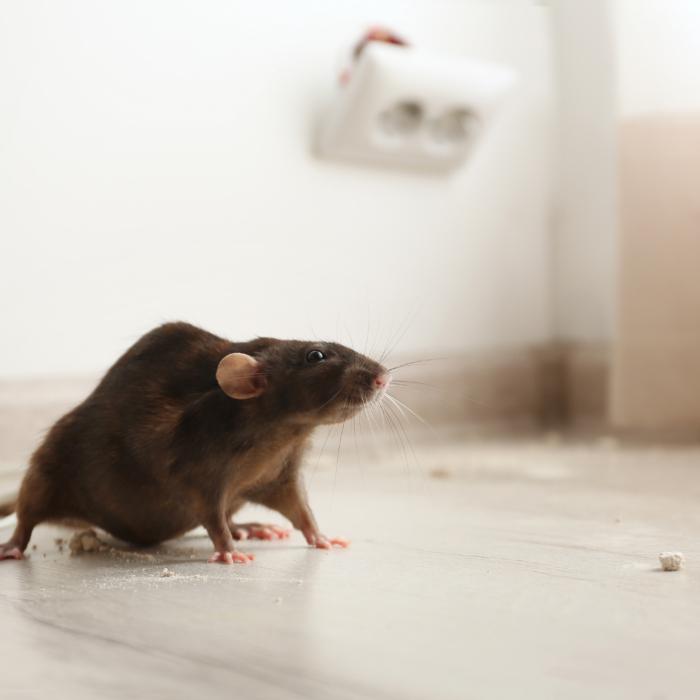
Routine prevention is one of the easiest and most effective ways to avoid pest problems. Start by sealing cracks around doors, windows, pipes, and foundations where pests commonly enter. Eliminate standing water, repair leaks, and reduce moisture in basements or crawl spaces since damp environments attract everything from termites to cockroaches. Keep food stored in sealed containers, clean crumbs quickly, and regularly inspect storage areas, attics, and garages. Outside, trimming shrubs and tree branches away from the house can help reduce easy access points for pests.
It’s also wise to consider periodic professional pest inspections, especially if you live in an area prone to termites, rodents or recurring infestations. A trained pest control professional can identify vulnerabilities and early warning signs that homeowners often miss. Catching problems early is almost always more manageable—and less expensive—than waiting until pests cause structural damage or spread throughout the home.
When it comes to costs, prevention is typically far more affordable than treatment and repair. Routine pest prevention or seasonal treatments may cost a few hundred dollars per year, while termite damage, rodent infestations, or extensive remediation can quickly cost thousands. In some cases, homeowners may also face repairs to insulation, wiring, drywall, or wood structures damaged by pests.
Your home works hard to protect you and your family, and keeping pests out is an important part of protecting that investment. A little attention now—before problems start—can help homeowners avoid stress, unexpected costs and the frustration of dealing with an infestation down the road.
Tweet your home care questions with #AskingAngi and we’ll try to answer them in a future column. Copyright 2026 Ask Angi. Visit at angi.com. Distributed by Tribune Content Agency, LLC.