“He was a blend of contrasting qualities. His dynamic energy went along with philosophical reflectiveness … He combined democratic tastes and manners with a deep and sardonic distrust of democracy. His rebelliousness was accompanied by a profound respect for law and order. His logical ruthlessness was coupled with compassion.”
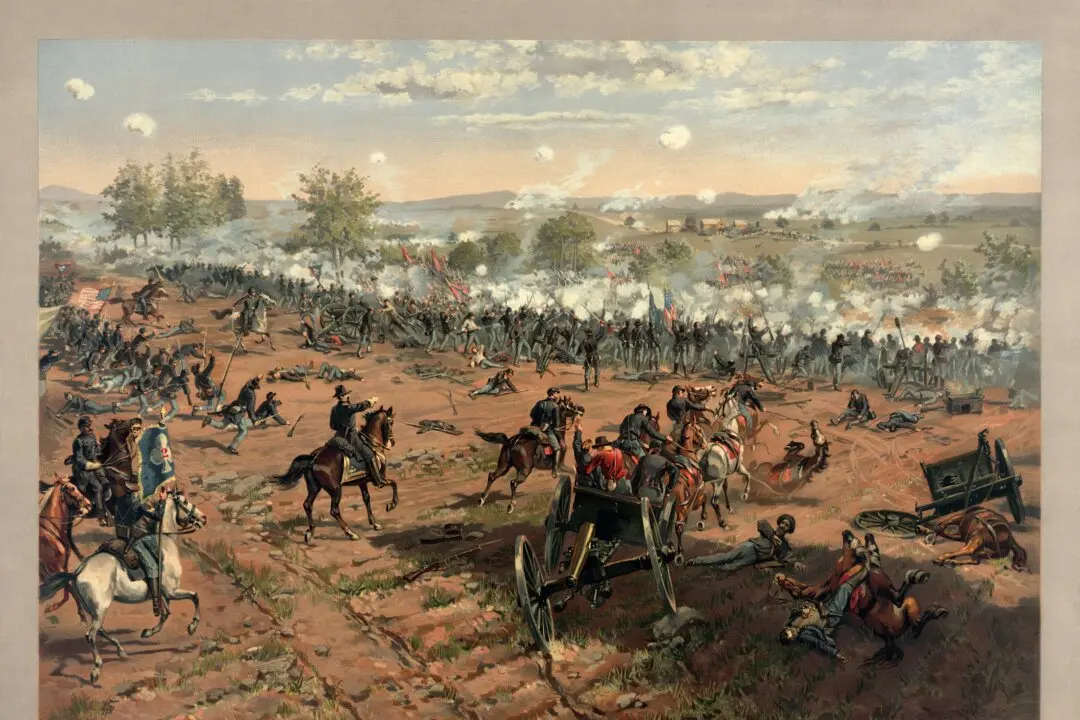
So writes British soldier military and historian B.H. Liddell Hart in “Sherman—Modern Warrior” of William Tecumseh Sherman (1820–1891), the Union general best remembered for his September 1864 conquest of Atlanta, followed by his army’s March to the Sea. That was an election year, and Abraham Lincoln was in a tight race for the White House against George McClellan and the Copperheads, the nickname for Democrats demanding peace be made with the South.