Background and Battle
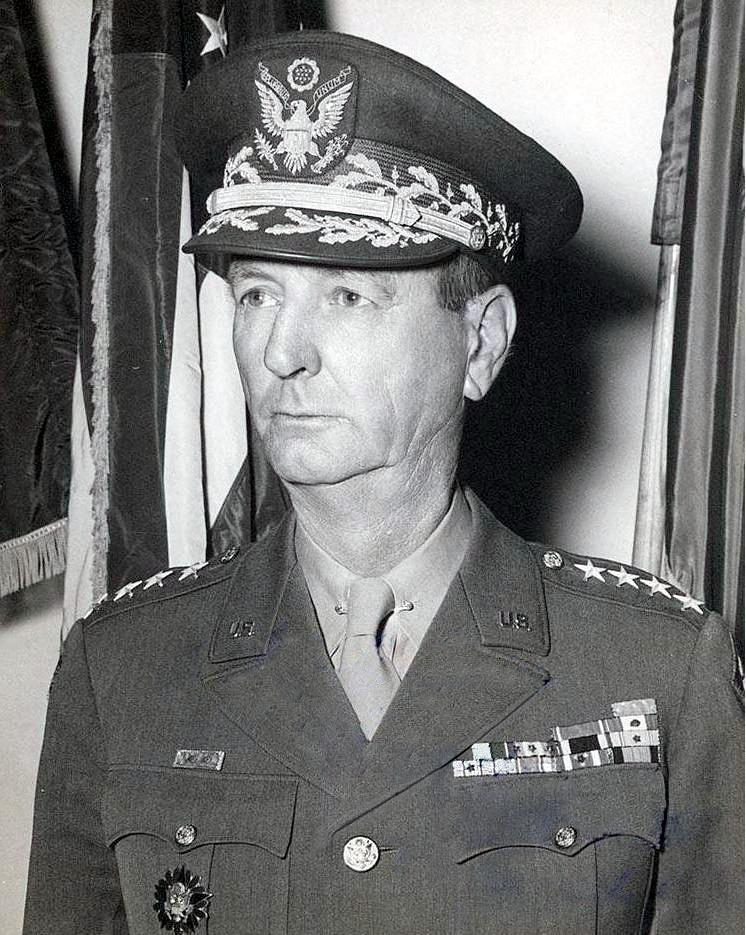
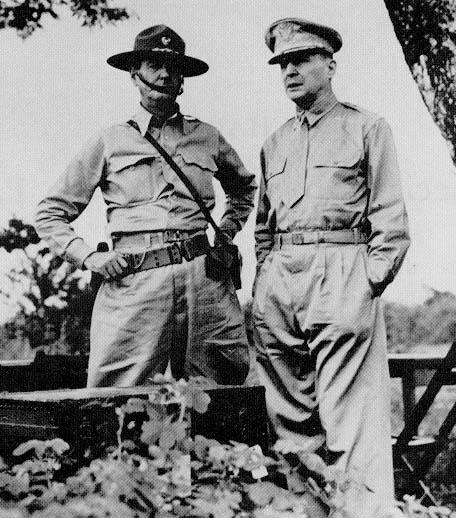
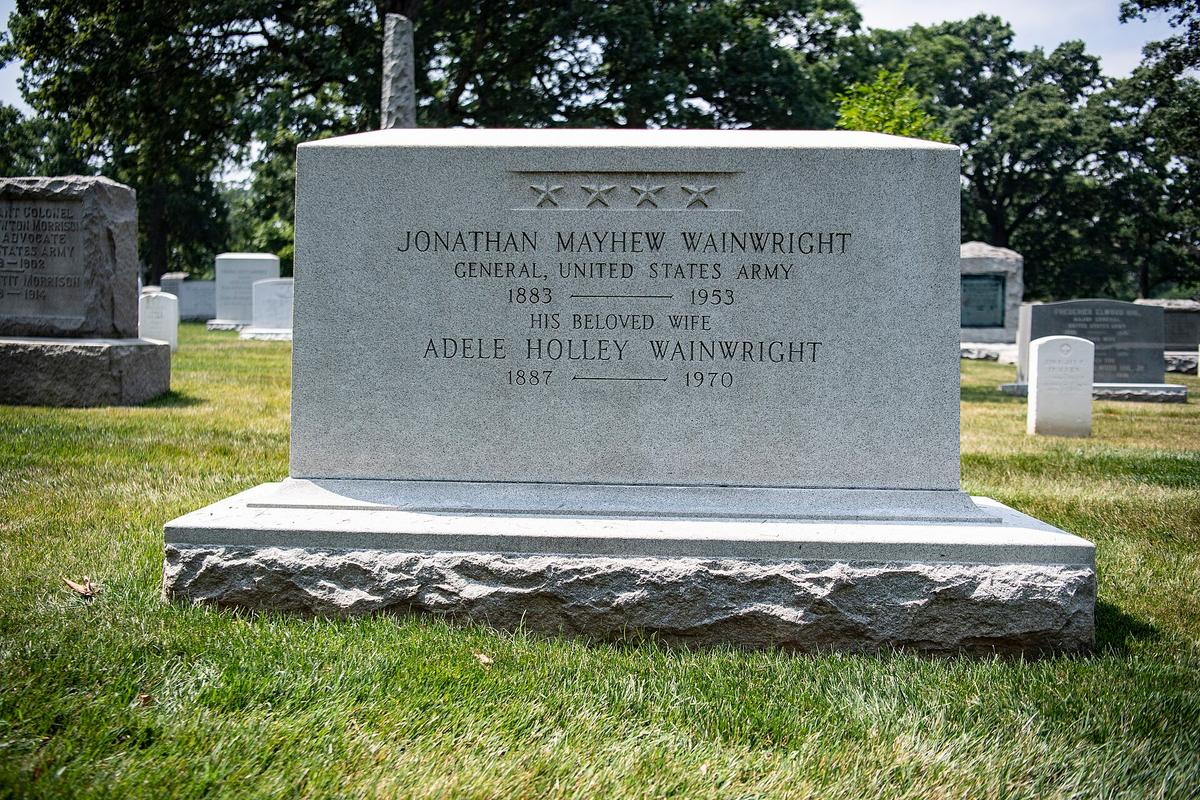
Born into a military family, Wainwright entered West Point in 1902, where his classmates dubbed him “Skinny” because he was so tall and thin, a nickname that stuck and which became prophetic after the poor diet and scant rations of his imprisonment. After graduating as First Captain of the Corps of Cadets, Wainwright served in the Philippines, fought with distinction in World War I, and afterwards remained in the army, rising to the rank of brigadier general.In 1940, the Army assigned him to the command of a scout division in the Philippines. A year later, the Japanese launched their far-flung assaults on American forces in the Pacific, and under the command of Douglas MacArthur, Wainwright and his soldiers were in the thick of the fighting.
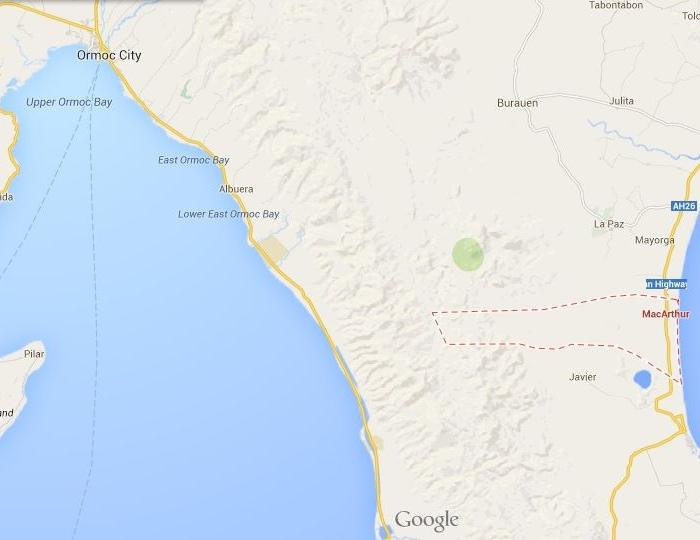
“I have been one of the battling bastards of Bataan and I’ll play the same role on the rock as long as it is humanly possible. I have been with my men from the start, and if captured I will share their lot. We have been through so much together that my conscience would not let me leave before the final curtain.”
The Japanese controlled the skies above the Philippines, and Corregidor was pounded both by bombers and by artillery. After several weeks, Wainwright decided to avoid the useless sacrifice of men, both Americans and Filipinos, and sought terms of surrender from Gen. Masaharu Homma, who demanded he surrender not only the remnants on Corregidor, but all other forces in the islands. Fearing a massacre of his men should the fight continue, and aware of the brutality of the Bataan Death March, where large numbers of Filipino and American prisoners were killed outright, he surrendered the Philippines to the Japanese.
A Dark Doubt Erased
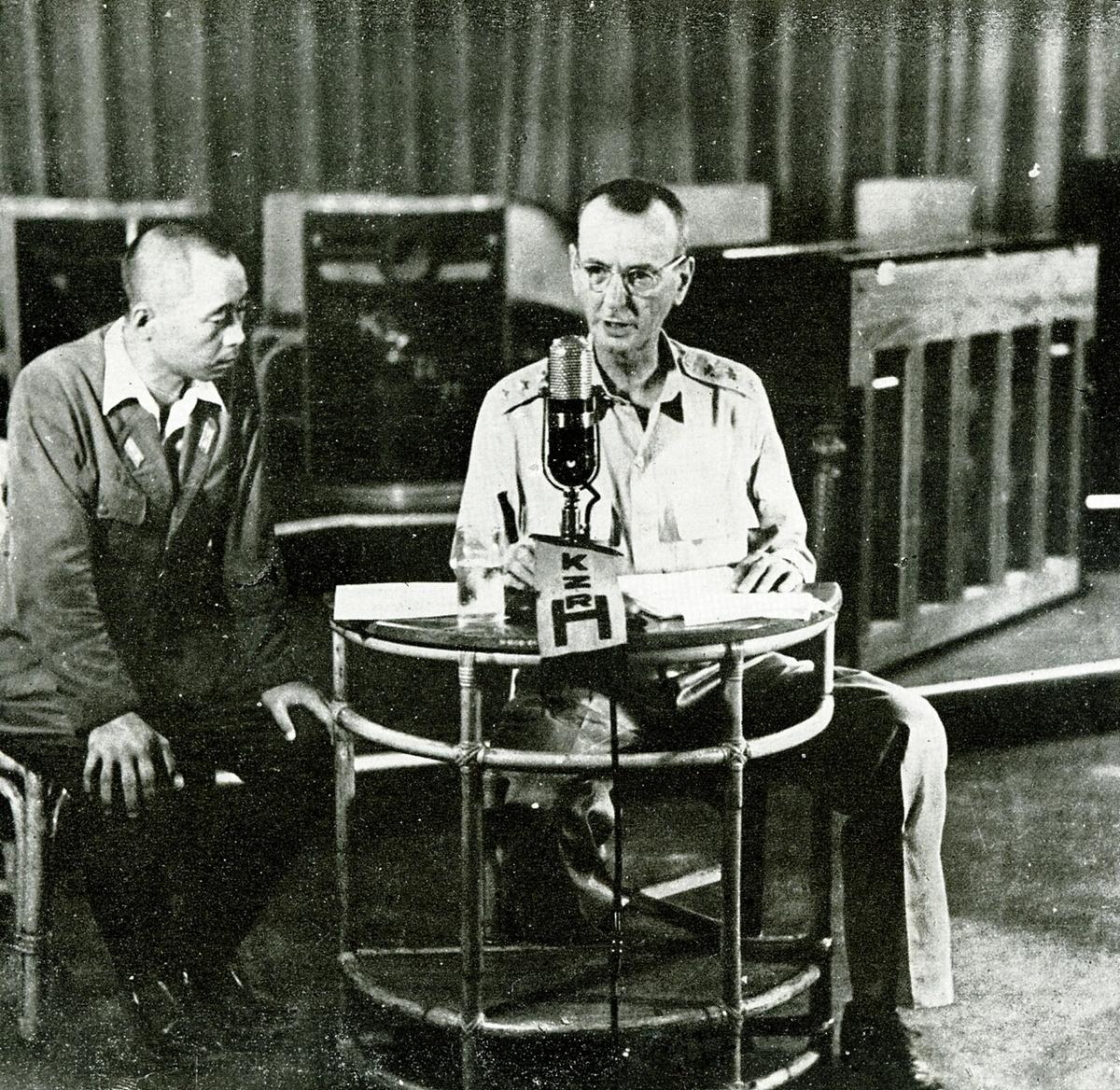
For the next 39 months, Wainwright was a prisoner of war, first in Northern Luzon, then in Formosa, and finally in Japanese-held Manchuria. Worse even than the treatment he received—the lack of food and medical care, the torture, constant humiliation, and lies about the course of the war—was the lack of information about his own standing in the United States. The general was convinced that the American people would despise him for the surrender.When hostilities with Japan ceased, the U.S. government and its military feared that the Japanese might kill their prisoners, including Wainwright. To try and thwart that possibility, the Army parachuted OSS teams (Office of Strategic Services, father to the CIA) into parts of Manchuria, some of which were then under Russian control. After an arduous search, on Aug. 19 two men from one of these teams, Maj. Robert Lamar, a physician, and Sgt. Harold Leith, who spoke both Russian and Chinese, located Wainwright.
“The emaciated American hero stood silently in tattered clothing. The OSS men stared at each other with stunned disbelief.
“Wainwright broke the silence. ‘Are you really an American?’ he asked.
“‘General, you are no longer a prisoner of war. You’re going back to the States,’ Lamar responded.
“Wainwright, however, was conflicted. He had survived over three years of brutal captivity and was afraid of what his fellow Americans thought of him. Would he return to the United States in disgrace and live the remainder of his life in shame?
“Wainwright responded slowly, his voice cracking with emotion, and asked the question he had agonized over for three terrible years. ‘What do the people in the States think of me?’
“‘You’re considered a hero,’ Lamar replied.”
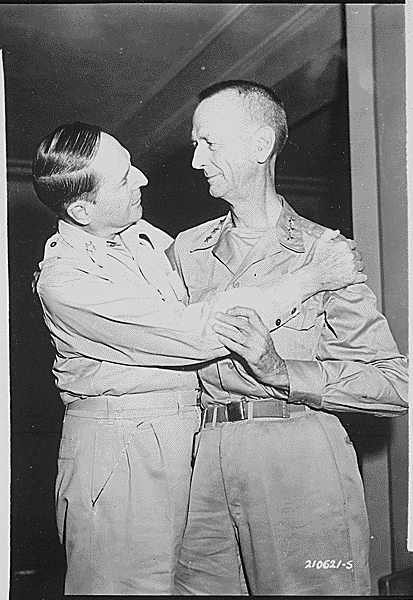
After a series of misadventures involving Japanese troops still fighting the war, drunken or unhelpful Russians, and broken-down transportation, on Aug. 31 Wainwright was reunited with MacArthur in Yokohama, Japan. The commander greeted Wainwright by warmly embracing him, and his old fears that he might be considered a failure faded away.
Though less renowned than some of the commanders of the war, today, 80 years later, Gen. Jonathan Wainwright remains an American hero for his courage, tenacity, and care of the men he commanded.