For the last half-century, the domestic motion picture industry has reserved summer for their highest profile, potentially lucrative titles.
It’s worth noting that Hollywood (big surprise!) doesn’t consider “summer” to run from late June through late September; that would make too much sense. Beginning in the late 1990s, the executives of the (then) Big Five studios decided summer would be May 1 through about July 4.
Although there are always exceptions, the content of most of the summer movies has little to do with warm weather. Luckily, there have been several, not many, excellent movies with summer settings covering a lot of genres.
‘Rear Window’ (1954)
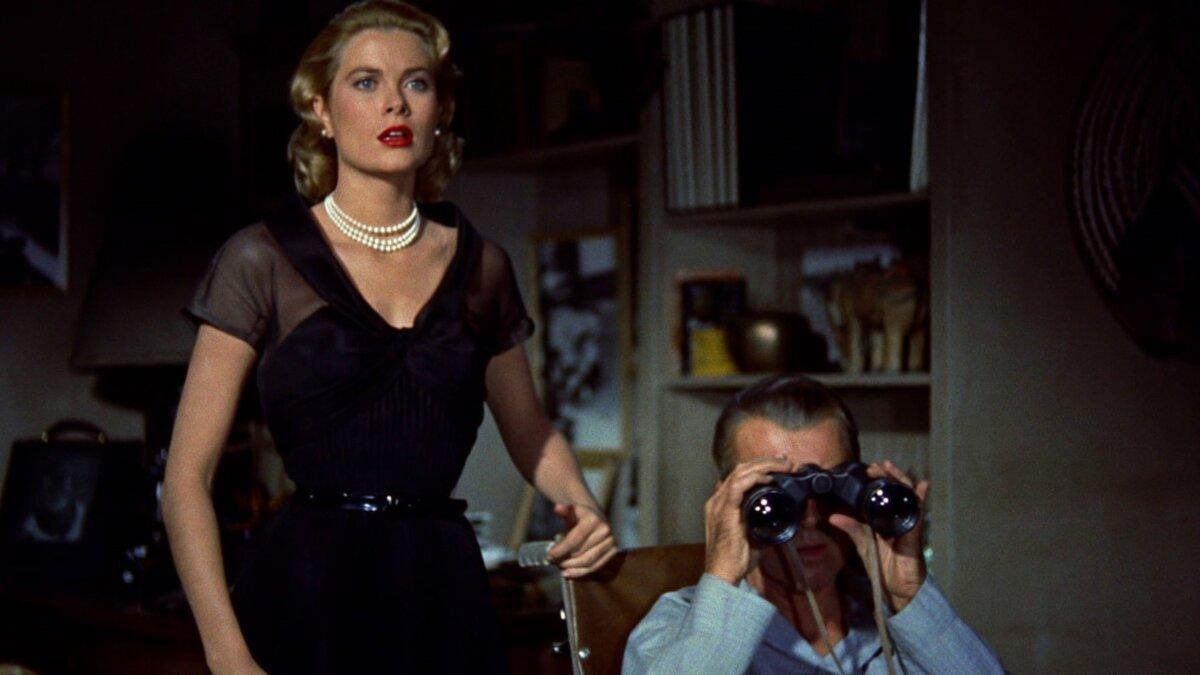
Based on the 1942 short story “It Had to Be Murder” by Cornell Woolrich, Alfred Hitchcock’s “Rear Window” takes place during a sweltering summer heat wave in New York’s Greenwich Village.
The movie is presented mostly from the apartment window of photographer L. B. “Jeff” Jefferies (James Stewart) that overlooks a courtyard. Jeff’s perspective also allows him to check out the lives of his neighbors, which he has time for because he’s bored and wheelchair-bound with a healing broken leg.


Receiving regular visits from his nurse Stella (Thelma Ritter) and his stunning girlfriend Lisa (Grace Kelly), Jeff eventually convinces both to believe in a percolating conspiracy involving his neighbor Lars (Raymond Burr).
Jeff is convinced Lars has murdered his wife and gone to great lengths to cover it up.
‘Summertime’ (1955)
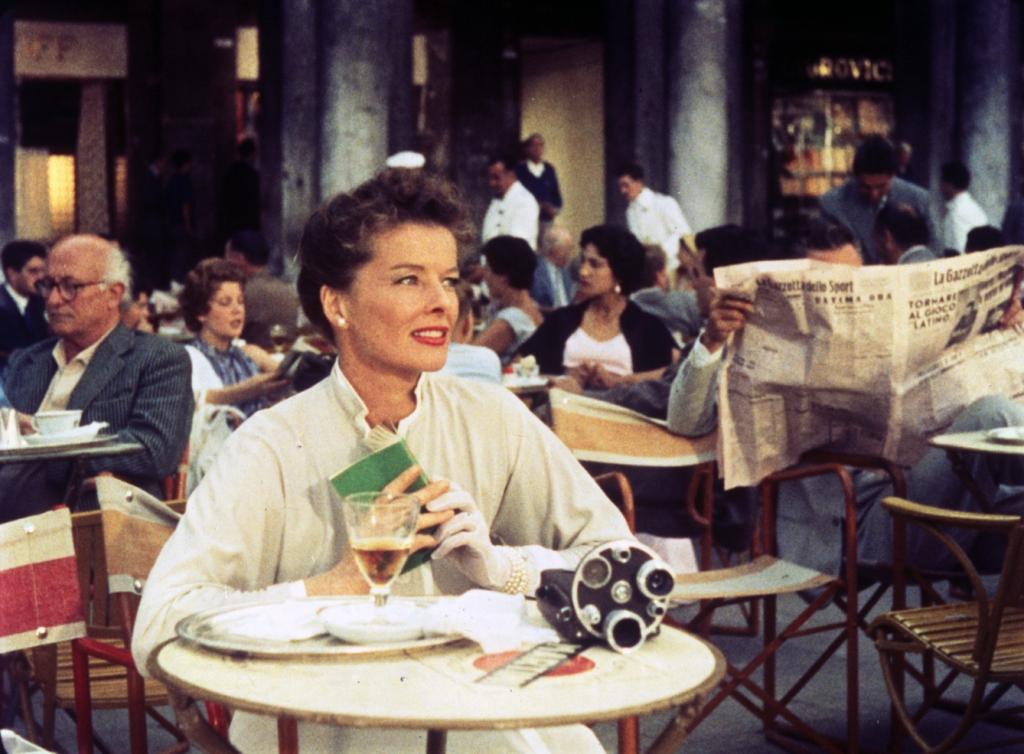
Considered a box office failure for both director David Lean and leading lady Katharine Hepburn, “Summertime” was also atypical of the kind of movie each would become to be associated with.
Hepburn plays Jane, a never-married woman approaching middle-age who decides to spend much of her life savings on a vacation to Venice, Italy. Not long after arriving, Jane meets antiques dealer Renato de Rossi (Rossano Brazzi), who she thinks was stalking her the night before.
‘12 Angry Men’ (1957)
After seeing a play on Broadway directed by Sidney Lumet, producer and leading man Henry Fonda hired him to make his feature film debut.
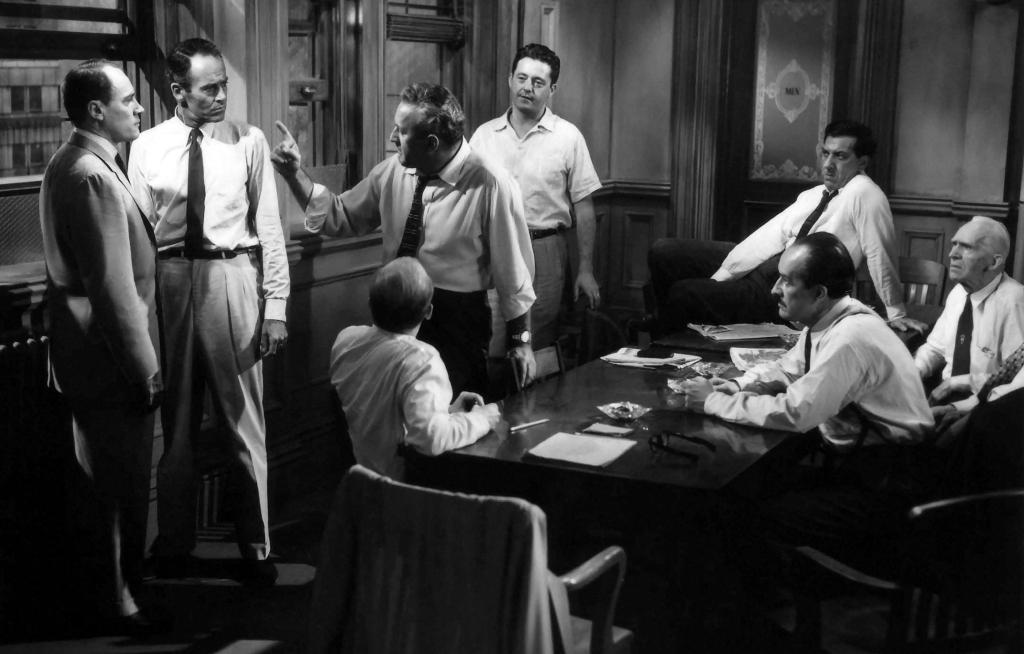
As with “Rear Window,” “12 Angry Men” takes place almost exclusively in a single room during a New York summer’s heat wave.
In the aftermath of a murder trial where a son allegedly stabbed his father to death, 11 of 12 jury members immediately vote for a guilty verdict. The lone holdout (Fonda) plants seeds of doubt in the others. That leads to heated debate which, without resorting to confusing legalese, also gives the audience reasons to rethink the evidence.
‘The Endless Summer’ (1966)
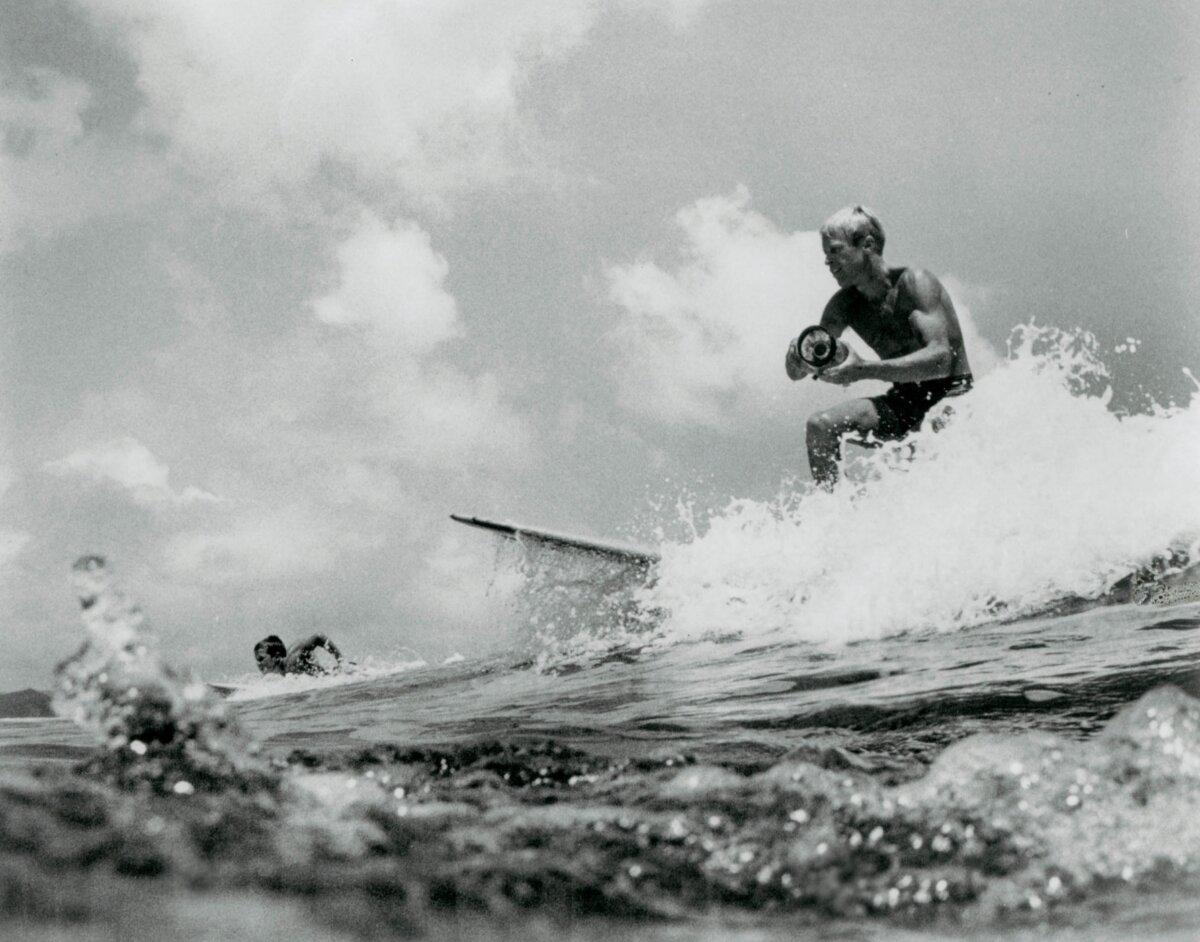
The sole documentary on the list was produced, directed, edited, and narrated by Bruce Brown and featured surf pioneers Mike Hynson and Robert August.
Shot over four months, the movie crisscrossed the globe to capture the different approaches to a sport usually associated with the California coast. Shooting locations include South Africa, Australia, New Zealand, Tahiti, Senegal, Hawaii, Ghana, Nigeria, and California.
‘Summer of ‘42’ (1971)
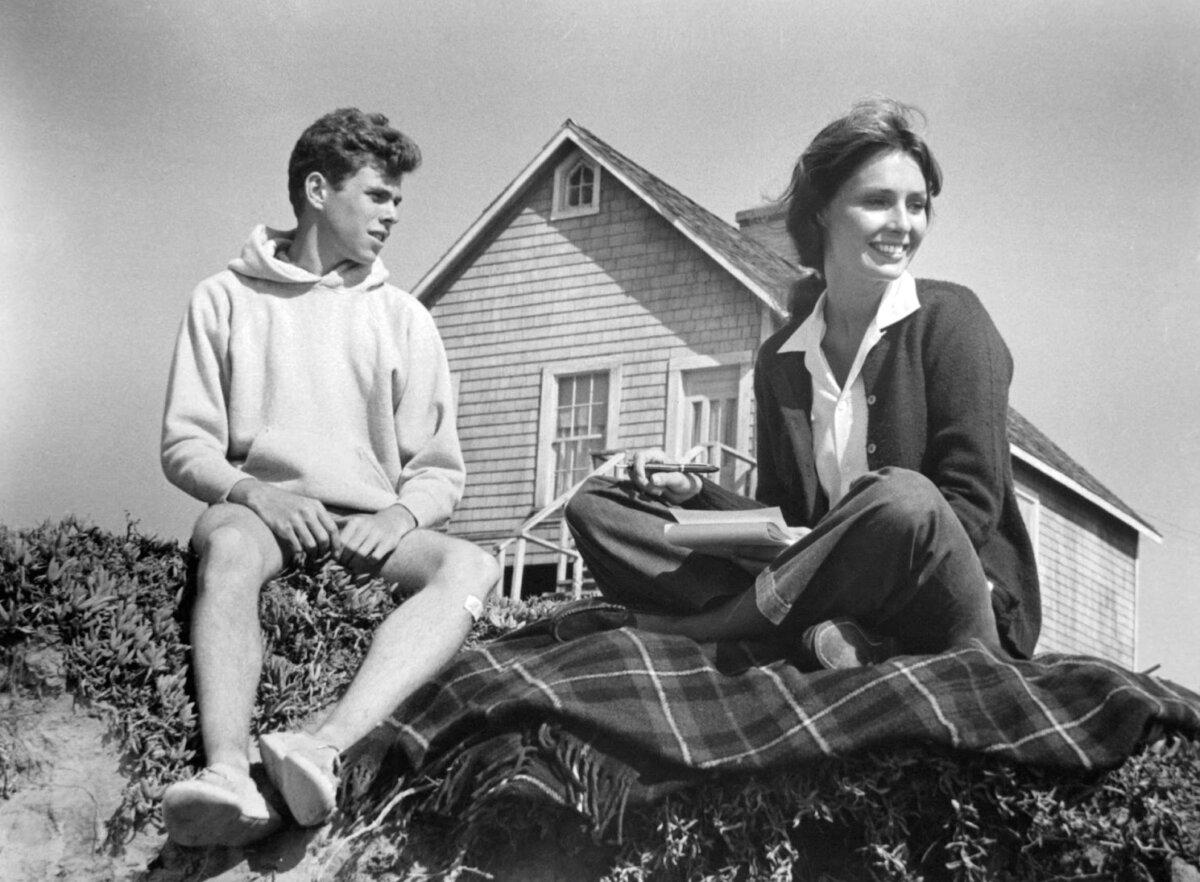
The fourth highest-grossing feature of 1971, “Summer of ‘42” was one of the first movies where a novel was written after a screenplay by the same writer.
Set during World War II and taking place on Nantucket Island, the core plot is a coming-of-age story focusing on three teen males.
Unlike his buddies, the main character, Hermie (Gary Grimes) isn’t interested in girls of his own age, but rather the older, mysterious Dorothy (Jennifer O’Neill).
Hermie’s relationship with Dorothy, who is married to a soldier fighting in Europe, is wistful, one-sided, and only from afar. This changes once news arrives confirming the husband’s death.
Director Robert Mulligan deserves high-marks for not taking the route of exploitation and turning the story into something lascivious. Instead, he leaves everything up to the imagination of the audience.