NR | 2h 17m | Drama | 1953
One of the most revered works in cinema is Yasujiro Ozu’s “Tokyo Story.” While Akira Kurosawa was drawing global attention with sweeping tales that played well in the West, Ozu remained focused on the rhythms of domestic life.
This was a world built from teacups, tatami mats, and conversations about everyday matters. The director found beauty in the ordinary, and audiences eventually came to recognize the rare gift he possessed.
Both show how people adapt to transformation without ever truly mastering it. These later works expanded upon themes that Ozu had already explored so thoughtfully in “Tokyo Story.”
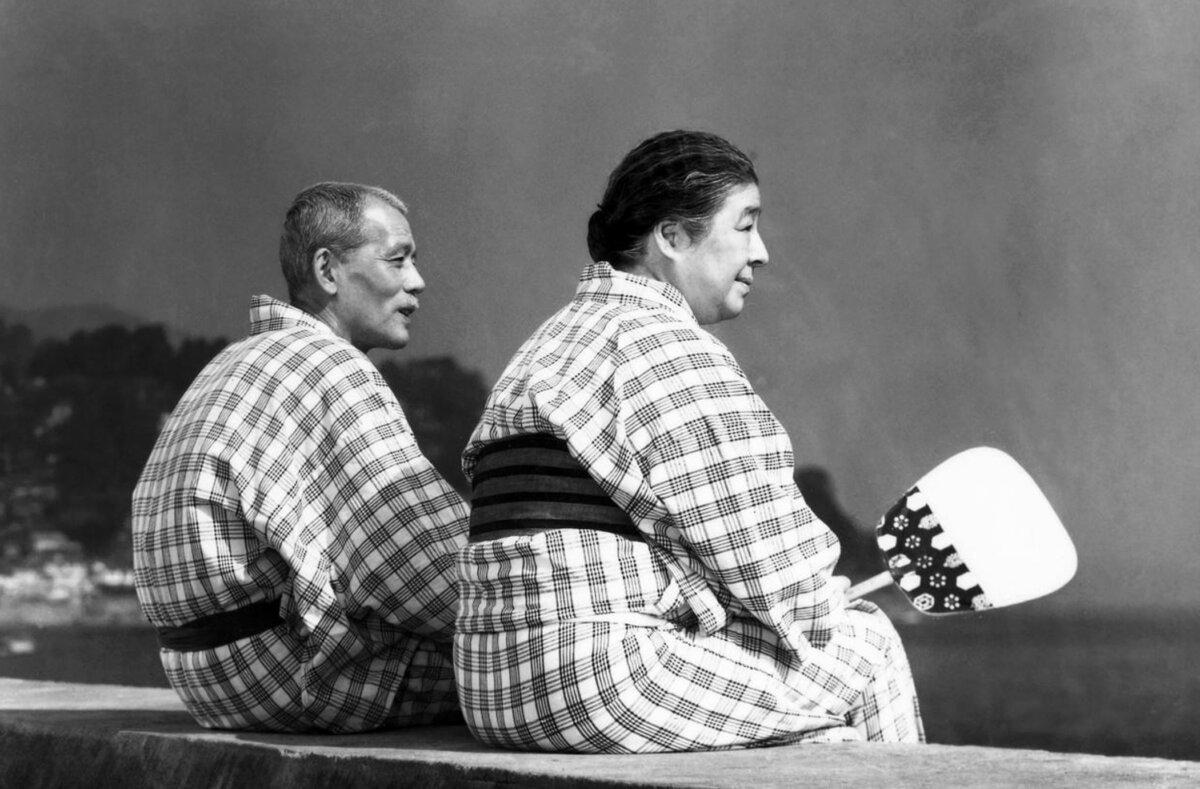
The film was released in 1953, when Japan was still rebuilding from the ashes of World War II and redefining its identity. That sense of transition hangs in every scene.
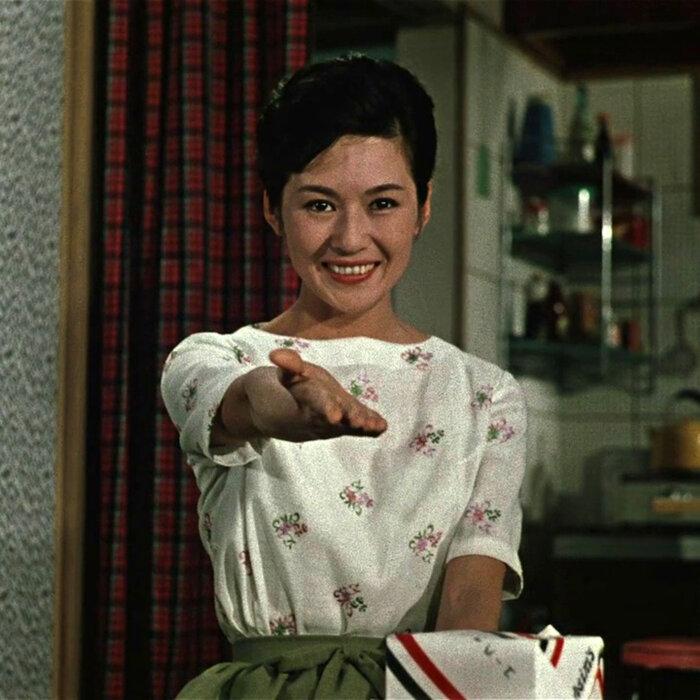
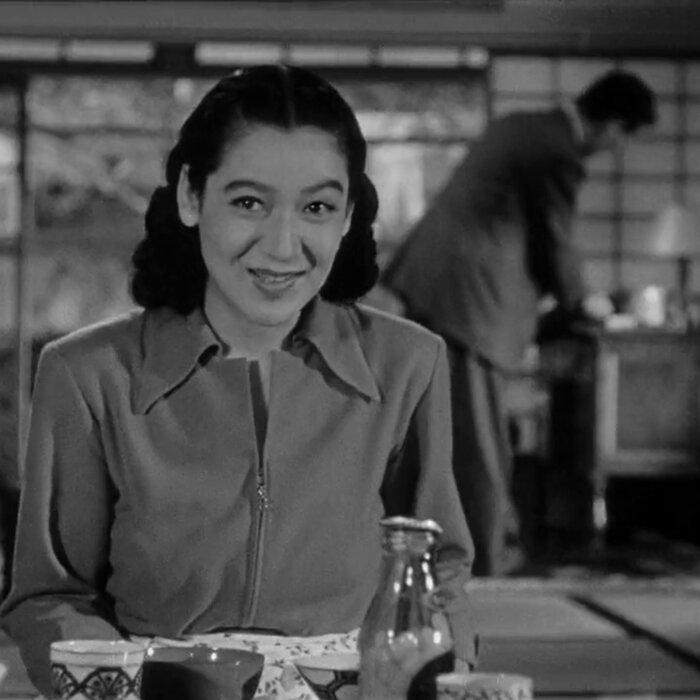
Ozu presents the modern world without judgment; he shows what happens when tradition and progress share the same small table and try to have a conversation. The result is a portrait of family that feels specific to Japan yet also speaks to anyone who has watched generations drift apart like floating weeds.
Ozu’s restraint can seem old-fashioned in a modern world that measures stories by volume, but that is part of his genius. His sense of humor slips in without warning, his lessons hide inside simple gestures, and his camera waits patiently for the viewer to catch up.
In a Waiting Room
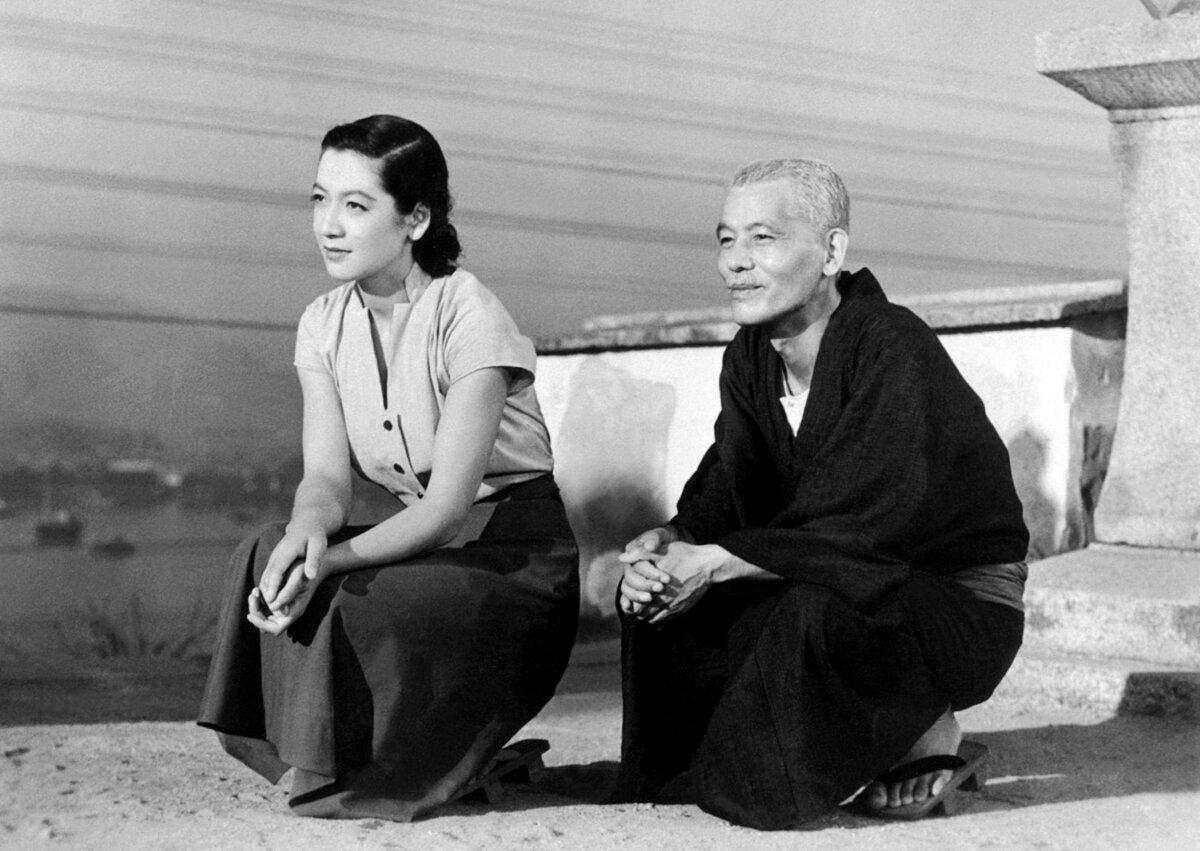
An elderly couple, Shukichi Hirayama (Chishu Ryu) and his wife, Tomi (Chieko Higashiyama), decide to take the long train ride from their coastal town of Onomichi to Tokyo. They want to see how their grown children are getting along.
The trip feels like a modest adventure at first. They arrive with smiles and that anxious excitement all parents know when visiting adult children whose lives now orbit jobs, noise, and the small comforts of city living.
Their doctor-son, Koichi (So Yamamura), and hairdresser-daughter, Shige (Haruko Sugimura), mean well but are consumed by work. Each tries to fit the parents into an already packed schedule. Eventually, they agree to send the parents to a brief stay at a spa, a polite way to buy some time. The mother enjoys the attention, the father takes long naps, and both pretend this is how visits are meant to go.
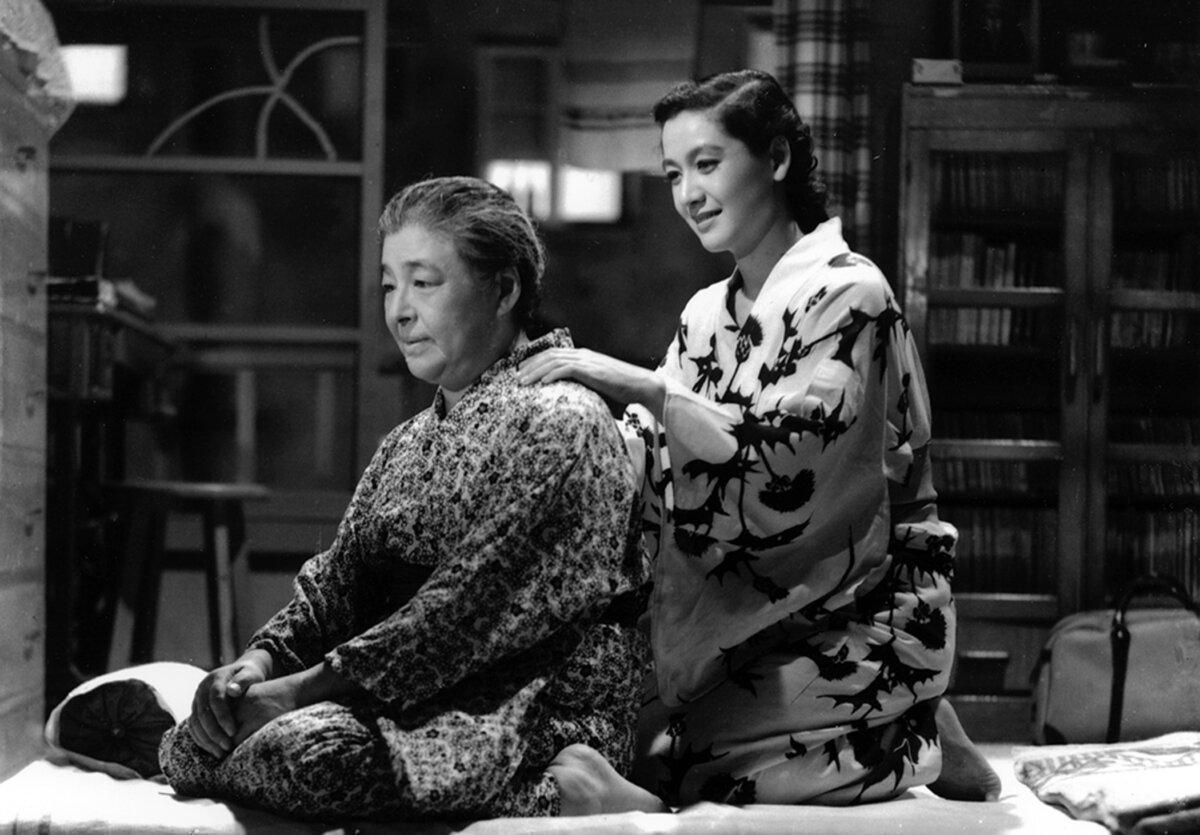
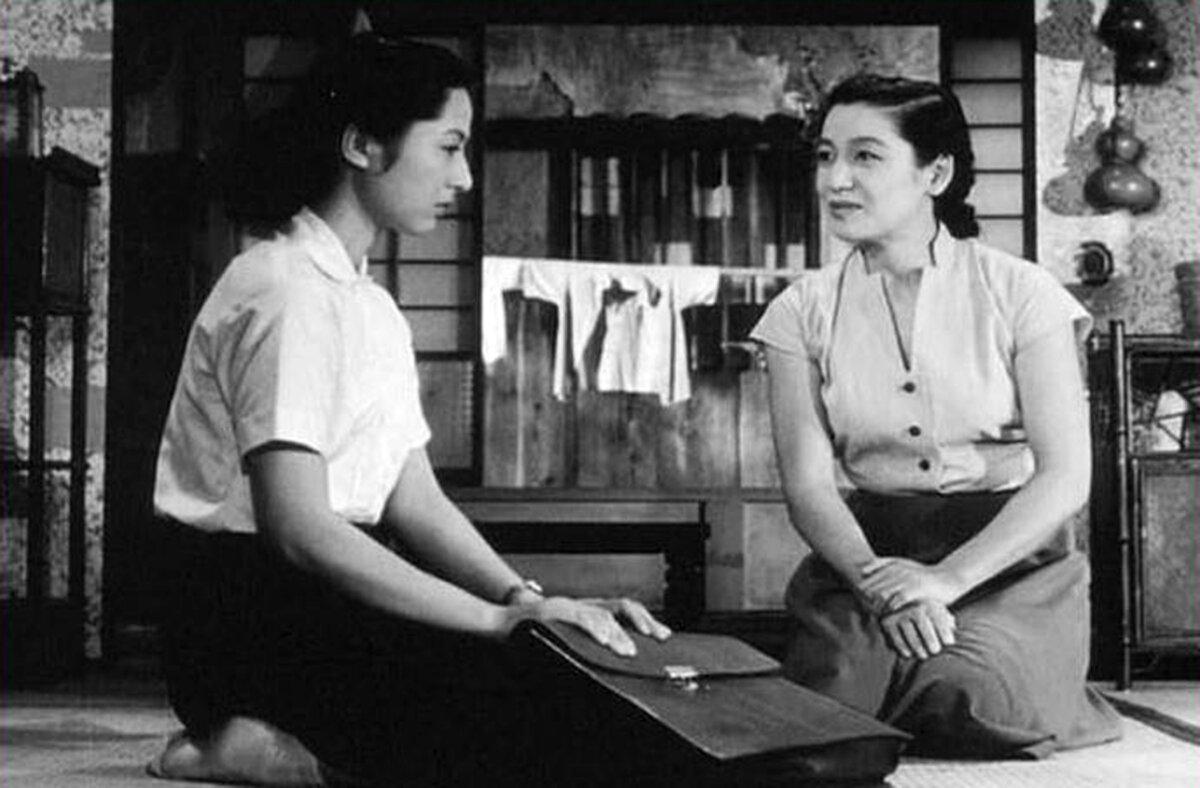
The warmest welcome comes from their widowed daughter-in-law, Noriko (Setsuko Hara), who lost her husband during WWII. Her kindness is effortless and her hospitality genuine. Through her, the couple finds a small reminder of what family once felt like.
Good Intentions Miss the Train
There’s a peculiar honesty in how Ozu captures people who mean well but rarely do what they mean to do. His characters keep engaging in delay tactics and try not to give the impression that they feel more or less inconvenienced.The film doesn’t offer any convenient answers about family life. A parent waits, a child rushes, and a conversation ends too early. None of this feels tragic; it just feels real. The subtle bits of humor appear through small ironies, like polite phrases used to cover mild guilt. Every culture has them.
“Tokyo Story” leaves behind a message that lingers. Promises matter less than presence. It quietly urges us to pick up the phone, visit while we can, and listen with intention before the conversation ends for good.