Weaving fiber into cloth is one of the world’s oldest technologies, and one of its most important. Cloth provides clothing, shelter (in the form of tents), and floor coverings (carpet and rugs). Cloth is functional, but it’s also decorative as an outlet for creativity. Among the most enduring examples of cloth’s ability to combine function and beauty are carpets. They have filled both roles for thousands of years.
Historic Rugs
The book opens with the oldest carpet, a 3rd or 4th-century carpet manufactured for a Scythian chieftain. It’s possibly the oldest in existence, preserved because it was buried as a grave gift in the frozen Altai uplands (a mountain range where Russia, China, and Mongolia converge).While Armstrong discusses the appearance and construction of the carpet, the meat of the chapter is a discussion of how it was discovered, recovered, preserved, and interpreted. The carpet was found in Siberia during the Soviet era. Politics and culture form the warp and weft of this discussion, with the archaeologist who discovered it entangled in the power politics of the Soviet state.
The appearance and construction techniques are presented alongside the later impact the carpet had. The author discusses the cultural milieu in which the carpet was created, as well as how those outside the culture creating the carpet accepted it and their interpretation of it. Often, the discussions show how then-current events impinged on the carpet’s value when it was created.
In one chapter, Armstrong shows how Victorian England used one 16th-century Persian carpet as an avatar for the British Empire, borrowing prestige from the departed Safavid Empire. In another, she looks at how Japanese unifier Toyotomi Hideyoshi used a different 16th-century Persian carpet for his samurai surcoat. Its exotic origin exuded power. A third chapter looks at the impact of World War II on a different 16th-century Persian carpet in a German museum.
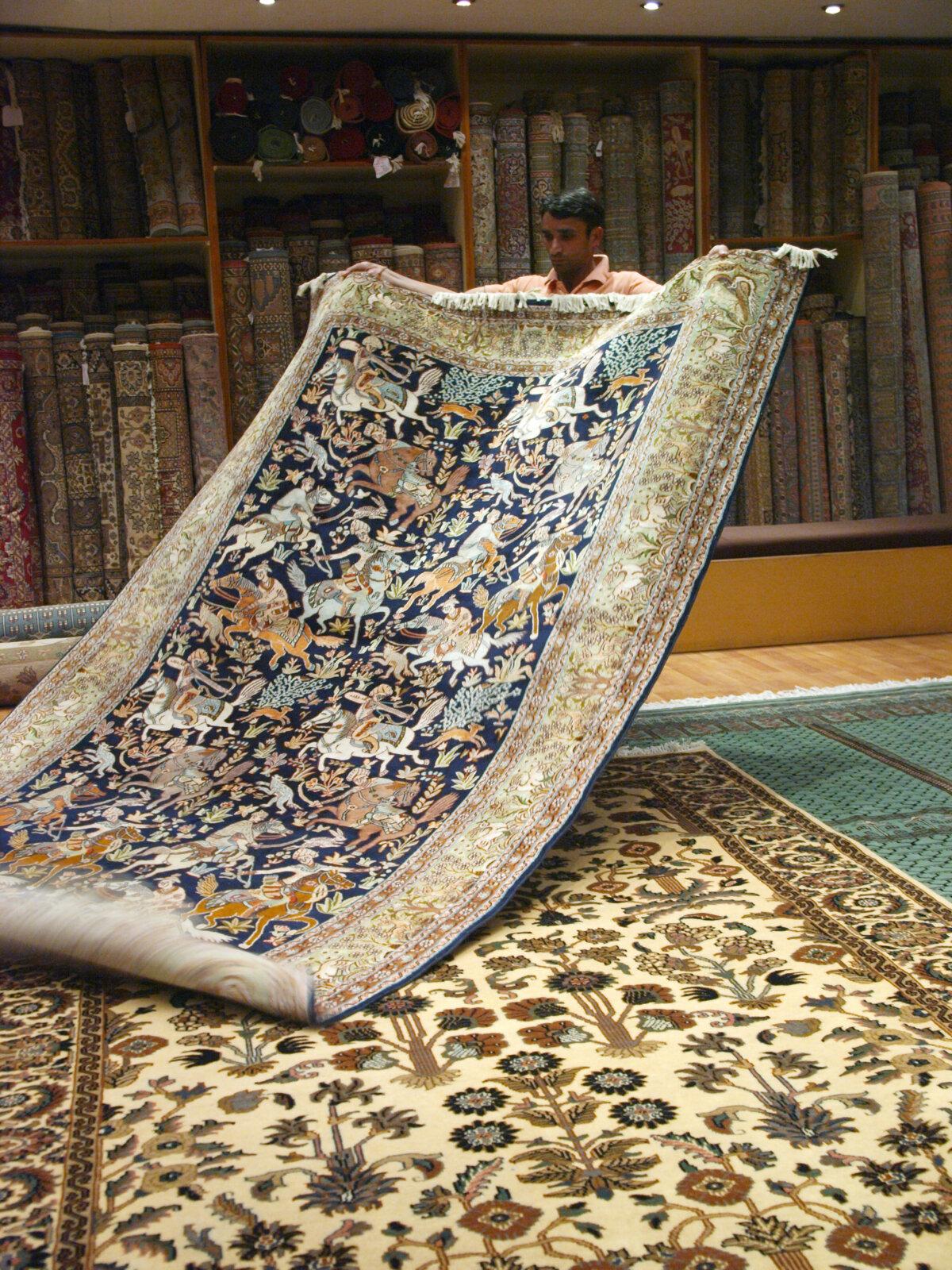
Except for the initial Scythian carpet, the carpets featured date from the 16th century to the 21st century. Highlighted are different styles of carpets, different places of origin, and the different societies in which they were created.

Collectors
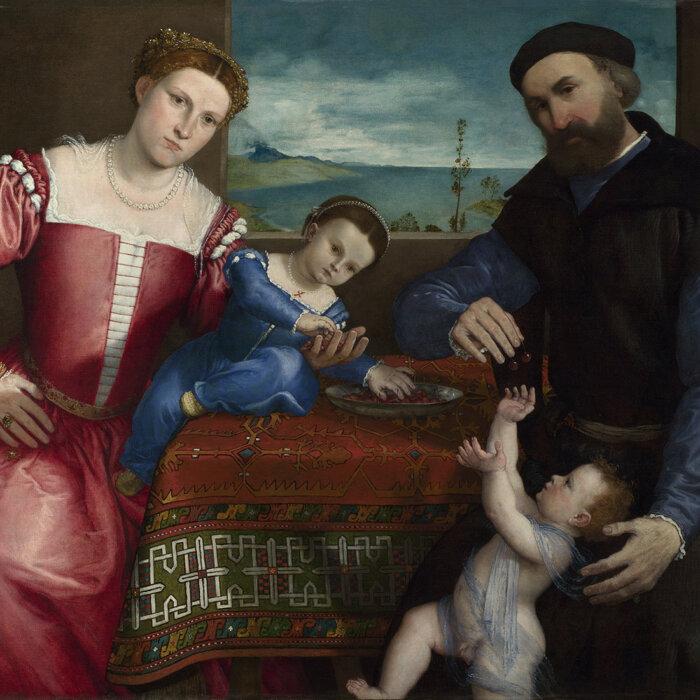
Several chapters look at the collectors of carpets. Carpets have fascinated the powerful throughout history. Armstrong shows how collecting carpets as art objects became trendy in the 19th and 20th centuries. Little real history accompanies fine carpets. Their place of origin when they were made was frequently misinterpreted. Myth accompanied many of the origin stories, until modern scientific investigation revealed the faulty assumptions about the items and their likely real history.The author examines carpet forgery, exposing the methods confidence men used to pass off contemporary carpets as antiques. Often, the forgeries were exemplary specimens of textile art that could have been accepted as fine art had they lacked a fraudulent history.
Armstrong captures one of the essential paradoxes of great carpets. They are sought by the world’s elite for prestige and status. While beautiful carpets are sought after by some of the most sophisticated and powerful people in history, they are typically made by anonymous, impoverished, and illiterate weavers. Usually, but not always, the weavers are women from societies where women are second-class citizens. Moreover, because their creators are illiterate, they are often dismissed.
Despite the title, this isn’t really a history of the world, or of carpets. The book makes a brief excursion into Africa, but ignores carpet-making in the Americas. The carpets presented were made in an arc stretching from Egypt through what was the Ottoman Empire, into Iran, the Central Asian steppes and then down to India.
Armstrong discusses events and people in the United States, Northern Europe, and Japan influenced by carpets, but the carpets used as a launching point for each chapter, were manufactured in this carpet crescent.
This isn’t a weakness. This geographical range does limit the focus of the book, yet “Threads of Empire” would have lost a coherent theme had Armstrong truly attempted to tell a history of the whole world through carpets. Instead, it yields a fascinating look at the impact of commerce between Europe and Asia on the world.
“Threads of Empire” is engagingly written and meticulously researched. It combines history, technology, society, and culture to weave a fascinating story. The book is a labor of love; Armstrong’s fascination with, and love and knowledge of, carpets infuses every page.