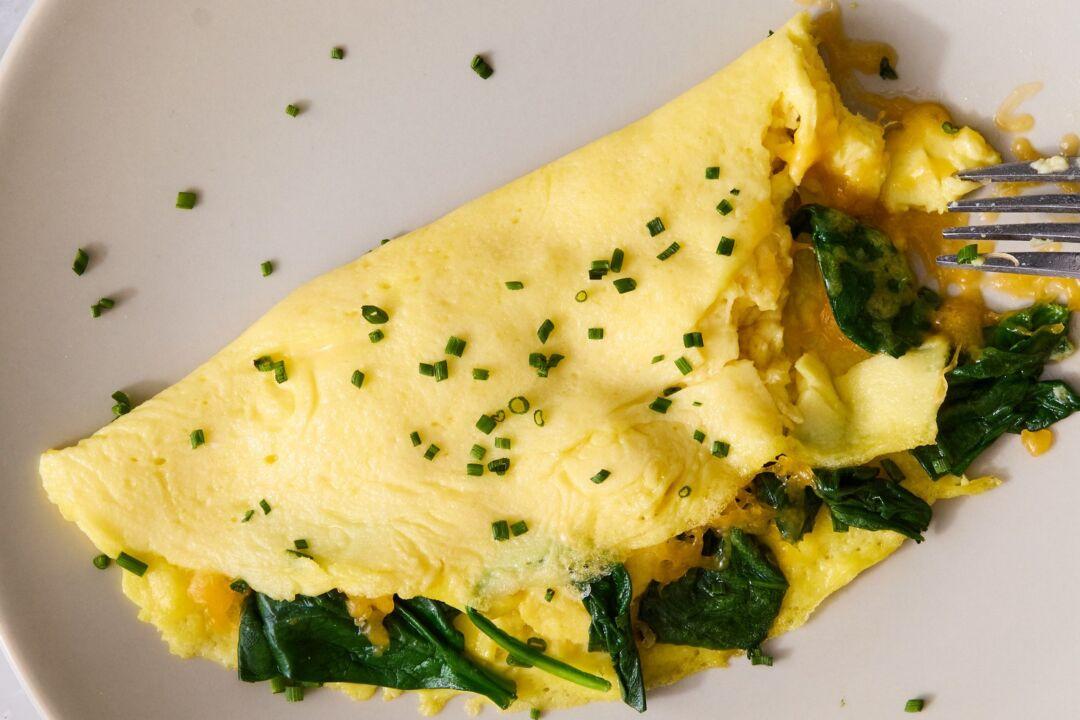
What’s the Difference Between French Omelets and American Omelets?
- French omelets: French omelets are slender with no color on the outside and a bit runny on the inside. It involves the technique of stirring the eggs constantly until creamy, with just enough heat to set the bottom without browning. It takes a bit of practice, but once you understand the technique, you can experiment with different fillings like Boursin cheese.
- American omelets: American omelets require you to fold the eggs in half into a half-moon shape, which are perfect for holding a variety of fillings (like spinach and Parmesan). Many diner-style omelets also feature a light golden-brown outside which adds flavor, and a just-set interior.
Why You’ll Love It
- Easy and unfussy. Unlike the somewhat fussy tri-fold French omelet I stressed out over perfecting in cooking school, American diner-style omelets—what we typically just call an “omelet” in the U.S.—are simple.
- You can use any fillings you like. You can make a great minimalist omelet without filling, but fillings are half the fun. Just make sure you have them prepped before eggs hit the pan. Remember: Omelets cook (and overcook) quickly and wait for no one.
Tips for Making a Great Omelet
- Use the right number of eggs. A classic omelet contains two or three eggs—whichever you choose is entirely up to you.
- Crack the eggs properly. First, let’s all agree that eggshell fragments in an omelet are a big no. That’s why I crack eggs on a flat surface, not on the rim of the bowl. The blunt force makes it easier to pull open the eggshell without little shards landing in the bowl. Make sure to coax out all the egg white in the shell; use your finger to dislodge any extra still stuck in there.
- Blend, don’t beat the eggs. Next, blend the eggs with a fork until homogeneous, with no blobs of egg white and yolk visible. Don’t beat the eggs too much, though. Beating air into the egg mixture will cause air bubbles which can make the omelet cook more slowly and unevenly. Adding the salt now will help the eggs stay moist and tasty.
- Don’t overstuff the omelet. As tempting as it might be, do not overstuff your omelet. For a 2- to 3-egg omelet, a total of 1/2 cup of filling total is plenty. Any more than that and your eggs will likely fall apart when you’re folding the omelet.
Omelet Fillings
- Meat fillings: If you’d like to add a cooked meat filling (think: ham, smoked salmon, or crispy bacon), make sure it’s warm or at least room temperature when you start, as the omelet is pretty much done once you add fillings.
- Cheese fillings: For cheese, opt for a softer cheese that will melt quickly. Soft, young cheeses like havarti, Jack, herbed goat cheese, or a young cheddar are ideal. Dry cheeses like Parmesan, aged cheddar, or aged Gruyère will not melt quickly so you won’t get that gooey melted cheese effect.
- Vegetable fillings: As for vegetables, sauté or roast them first so they release some of their moisture before adding them to an omelet. (If you skip this, the veggies will be undercooked and may weep moisture into the eggs, causing a runny mess.)
How to Tell When an Omelet Is Done
The omelet is done when the cheese is just melted and the eggs look just set or a little bit wet. Keep in mind that eggs cook quickly and will continue to cook after you slide the omelet out of the pan.How to Make an Omelet
Makes 1 omelet- 2 or 3 large eggs
- 1/4 teaspoon kosher salt
- 1 pinch freshly ground black pepper
- 2 teaspoons unsalted butter
- Optional 1/2 cup of desired fillings
- Chopped fresh chives or basil, for garnish
Heat a 6- to-8-inch nonstick pan over medium heat until hot, about 2 minutes. Add 2 teaspoons unsalted butter and swirl to coat the bottom and sides of the pan.
Add the eggs and cook, gently moving the egg around constantly with a flexible, heat-resistant rubber spatula, until curds just begin to form, at least 5 seconds.
While stirring, swirl the pan slightly to encourage the uncooked egg to settle evenly on the bottom of the hot pan, patting down any large clumps with the spatula. Gently push down any bits of cooked egg that are stuck to the sides of the pan. Cook without stirring until the bottom is starting to set but the top is still runny, 1 to 2 minutes.
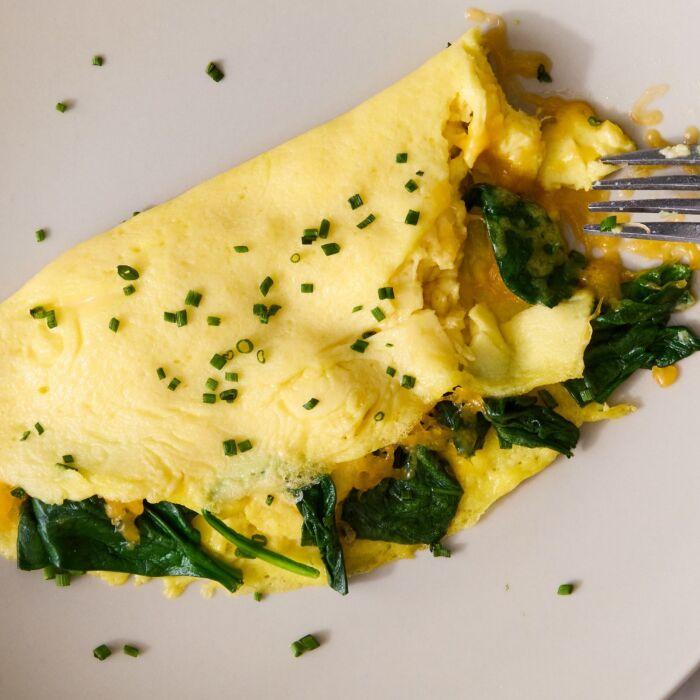
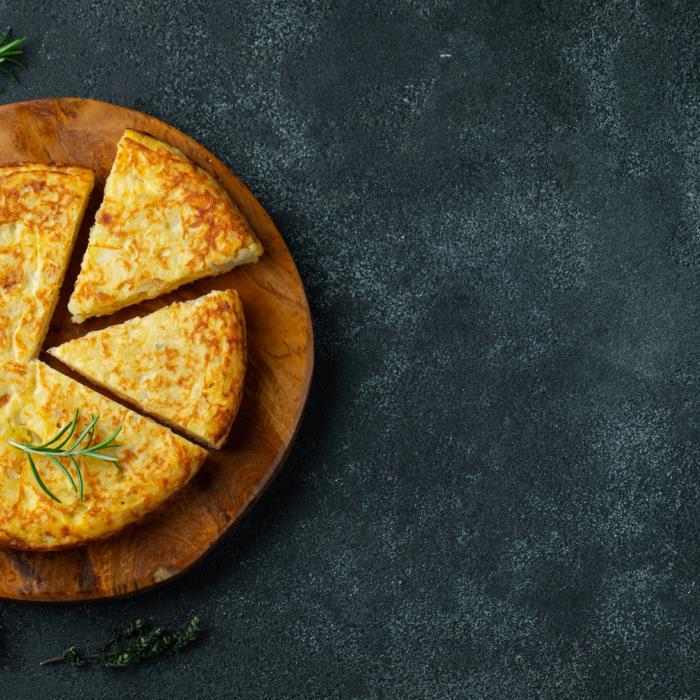
Reduce the heat to low. Top one side of the omelet with desired fillings (about 1/2 cup total). Cover the pan with a tight-fitting lid (ideally a domed glass lid so that you can monitor the cooking without lifting the lid), and cook until the top is just set but still a bit creamy, at least 1 to 2 minutes more.
Uncover the pan and use the rubber spatula to loosen the edges and bottom from the pan. Slide the spatula underneath the side of the omelet without the filling and carefully fold it over the filling.
You may need to gently press the top of the folded omelet for a few seconds to secure it.
Carefully slide the omelet out of the pan and onto a plate. Sprinkle with chopped fresh herbs, such as chives or basil.