Theodore Roosevelt decided not to run for reelection in 1908. He had tabbed his vice president, William Howard Taft, to be the Republican candidate, and Taft won the presidency. Now, the former president and outdoorsman found himself in Egypt. With his political career supposedly behind him, the first thing he wished to do was go on an African safari.
His safari from 1909 to 1910 merely added to Roosevelt’s legend. Of course, as arguably the world’s most famous man, he was wanted everywhere he went. In March 1910, he visited Cairo and spent an evening with Abbas Hilmi, the khedive of Egypt.
Tweed and Reef
Davis had many powerful friends, among them Roosevelt. Roosevelt was arguably America’s greatest politician; however, he was retired. Davis was arguably America’s greatest Egyptologist, still in the thick of it.
Born in Springfield, New York, Davis began his career as a lawyer in New York City, and eventually became a financier. As was the case with most working within the “Boss” Tweed Ring, it is assumed Davis made his fortune or, at least, most of it, through unethical means. His largest return came from his investment in leasing copper mines around Lake Superior. A Congressional investigation, however, left him unscathed. In fact, Davis profited further from the Tweed Ring collapse.
Entering the Valley of Kings
Davis was fascinated with art and antiquities, purchasing many prominent and expensive pieces. His mansion was specifically designed to house these illustrious pieces. By 1889, he began vacationing in Egypt, which greatly expanded his antiquities dealings.
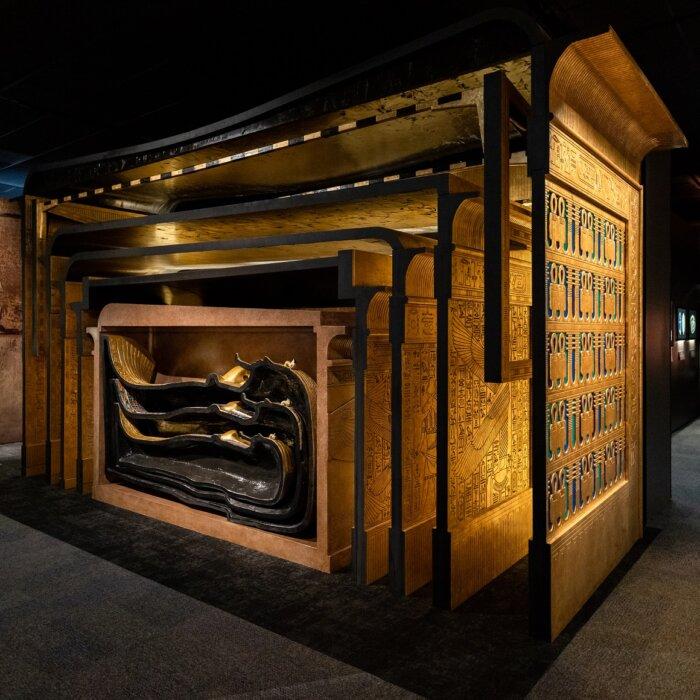
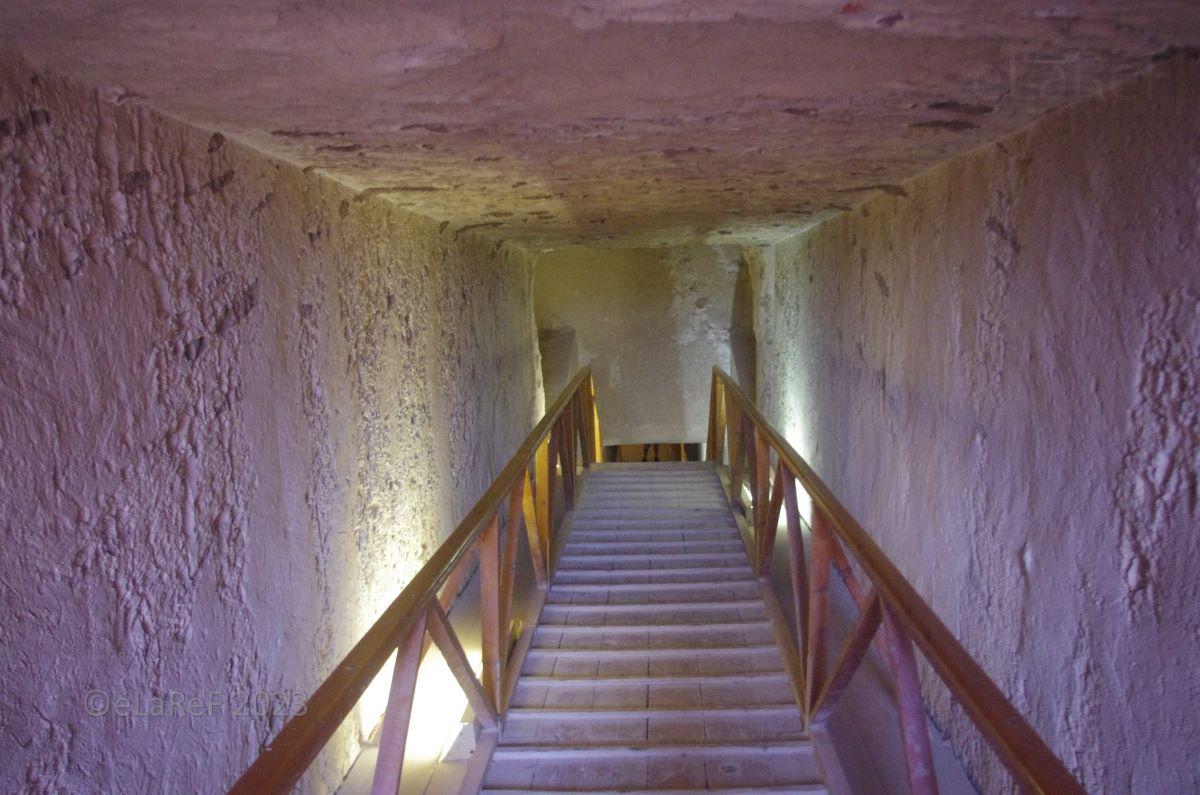
Davis found himself drawn to Luxor (ancient Thebes), where lay the Valley of the Kings, the burial place of Ancient Egyptian royalty. In 1902, the wealthy businessman became a patron for archaeological digs. Davis was enticed to the area by the chief inspector of antiquities for Upper Egypt, a young British archaeologist and Egyptologist by the name of Howard Carter. Instead of merely paying for excavations, Davis worked directly with Carter. Davis believed in Carter’s plan to locate the tomb of Thutmose IV and thus built a field house near the entrance to the Valley.
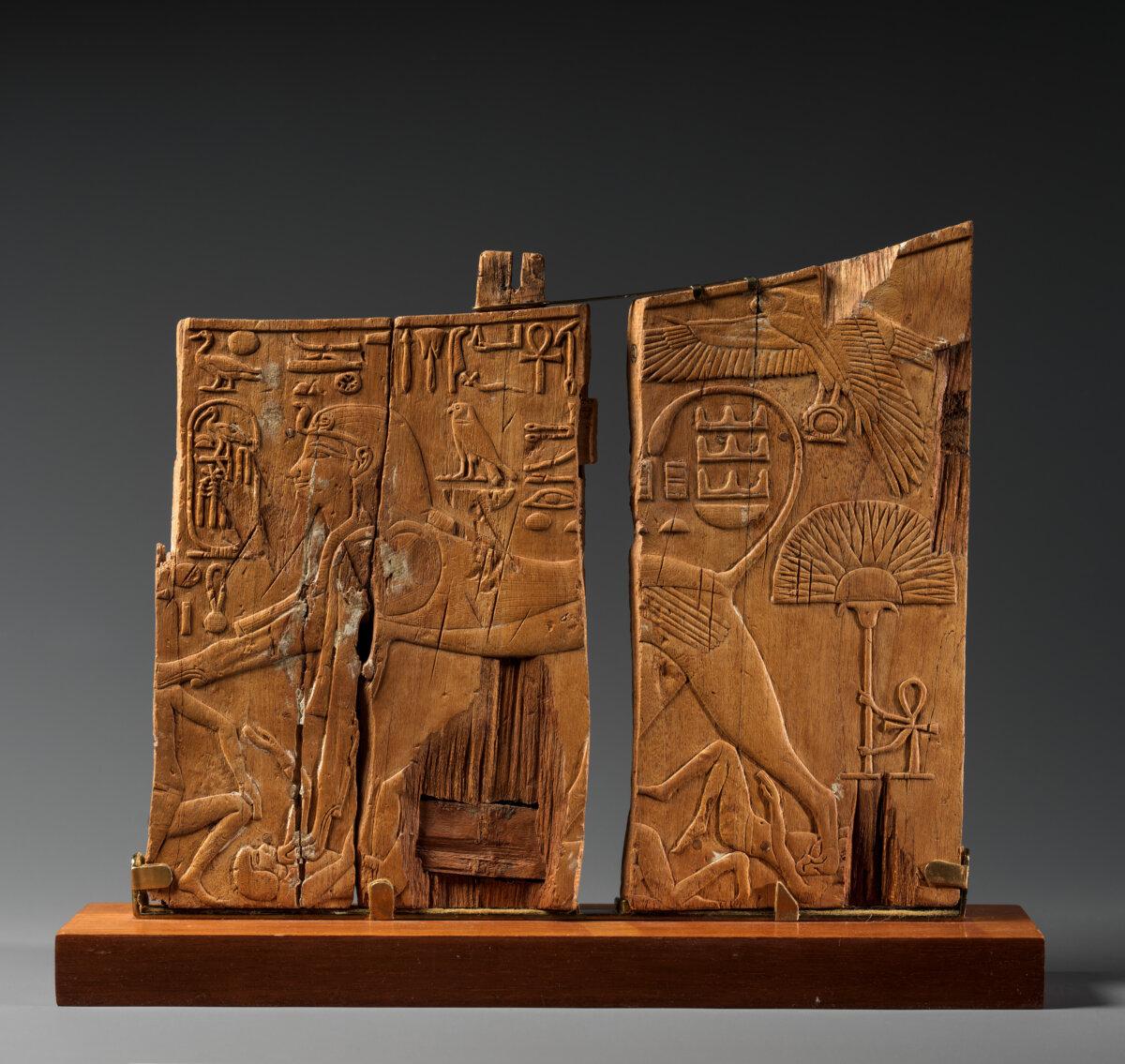
Davis and Carter’s search for the royal tomb proved successful. In 1903, Thutmose IV’s tomb was discovered, and the finds, which included shabtis (funerary figurines), throne panels, and a chariot, began a long line of discoveries sponsored by Davis. The copper magnate turned Egyptologist published an account of the Thutmose IV find in 1904, something he often did with his discoveries.
The Great Benefactor
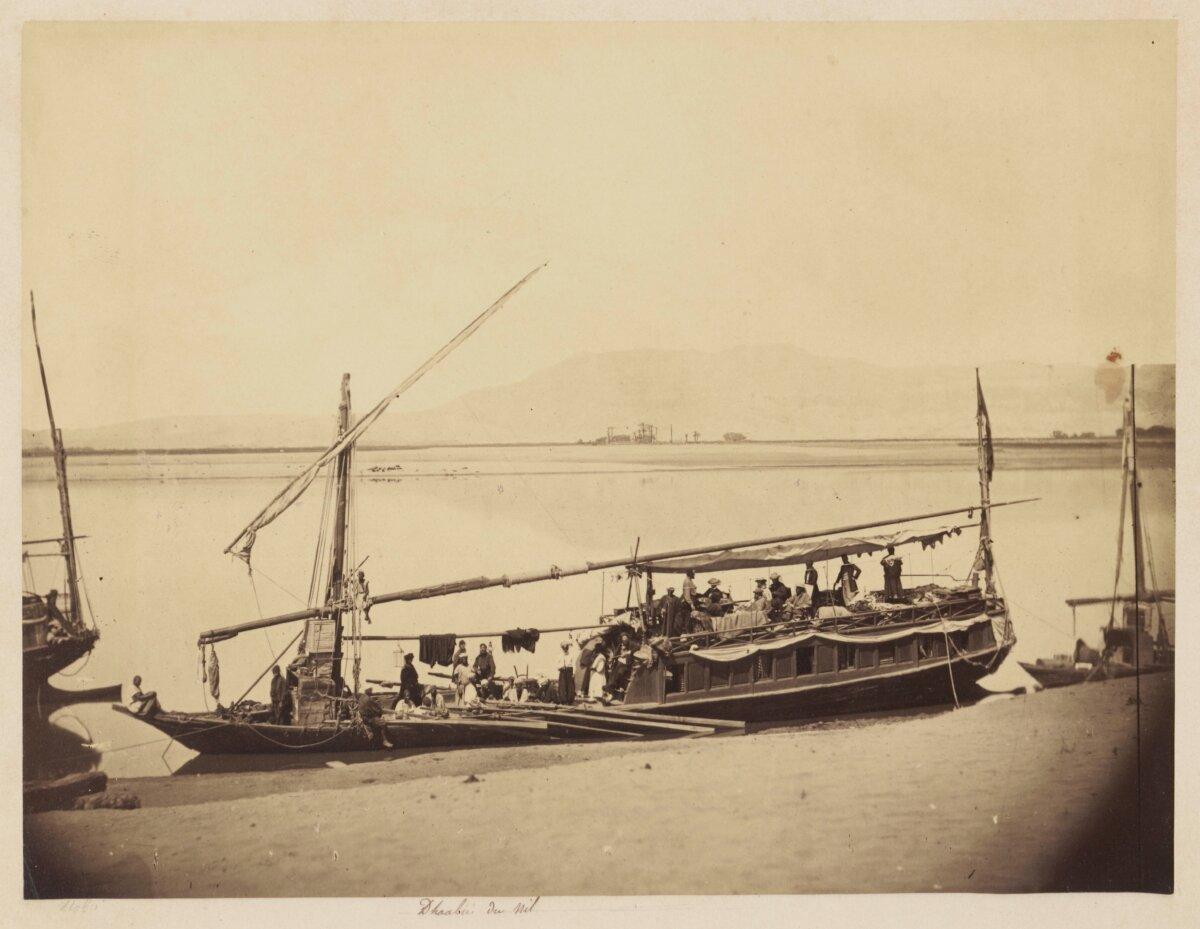
Despite their success, Davis and Carter clashed, leading Carter to put James Quibell, who had been the chief inspector of antiquities for the Delta and Middle Egypt from 1899 to 1904, in charge of Luxor. This archaeological pair, though also successful, clashed as well. Quibell was replaced by Egyptologist Arthur Weigall. Weigall, however, was not interested in excavating—and therefore British Egyptologist Edward Russell Ayrton took the position of chief inspector of antiquities for Upper Egypt in 1905. Davis and Ayrton remained together for the next several years, making important discoveries in the Valley of the Kings.By this time, Davis had made his boat, the Beduin, one of his international homes, allowing him to move along the Nile as needed and host guests when desired. Davis had become completely dedicated to scouring the Valley of the Kings until there were no more discoveries to be had.
Davis did not simply make discoveries in order to hoard and house them. He proved one of the great benefactors of art and antiquities of the 20th century, with the Metropolitan Museum of Art in New York, the British Museum in London, and the Egyptian Museum in Cairo as the most common recipients. His bequest to museums was so generous that his will was contested in an extensive court case that reached the Rhode Island Supreme Court; it ultimately upheld his bequest.