BY DAVE SPOONER
When searching for an investment property, what should you pay attention to the most? There are several factors involved in every real estate deal, and it’s not always clear which are the most important.Understanding these factors is the key to answering questions like, “Is buying rental property worth it?” or “Will my investment be profitable?”
In this article, we discuss six of the top factors affecting property value and what to know when buying rental property based on these factors.
Related: Considering Buying Your First Rental Property in 2023? Here’s What You Need to Know to Succeed.
1. Location
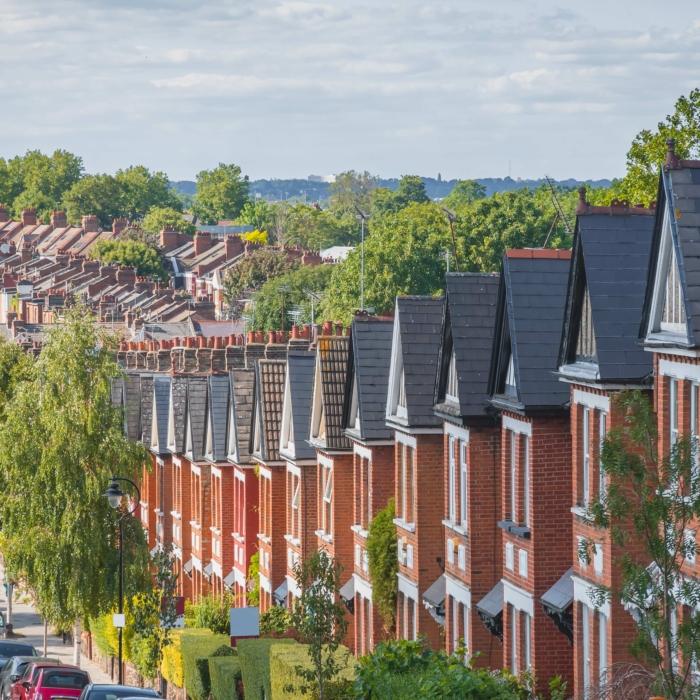
If you’re familiar with the real estate industry, you may have heard the mantra: “Location, location, location.” Location continuously proves to be the number one factor in determining a property’s success in the rental marketplace.Not only do renters want properties in certain cities, but they also seek out homes near:
- good school systems
- green spaces
- public transportation
- grocery and retail stores
- restaurants and food
2. Investment Plan/Purpose
Not every investor buys a rental property with the same plan in mind or purpose for it. Your plan could be to:- House hack: Live in one unit and rent out the other(s).
- Buy and hold: Buy a property to keep as a long-term asset to a stable portfolio.
- Fix and flip: Buy a property and sell it after making capital improvements to increase its value.
- BRRRR: Buy a property at below-market rates, rehab it, rent it out, refinance the mortgage and repeat the whole process with your next property.
Related: How to Effectively Assess Property Value for Investment
3. Expected Cash Flow
Positive cash flow is a priority for all investors who are planning to rent out their properties. You need to know that the money coming in regularly from your tenants is enough to compensate for your monthly expenses, such as mortgage payments, repairs, and insurance.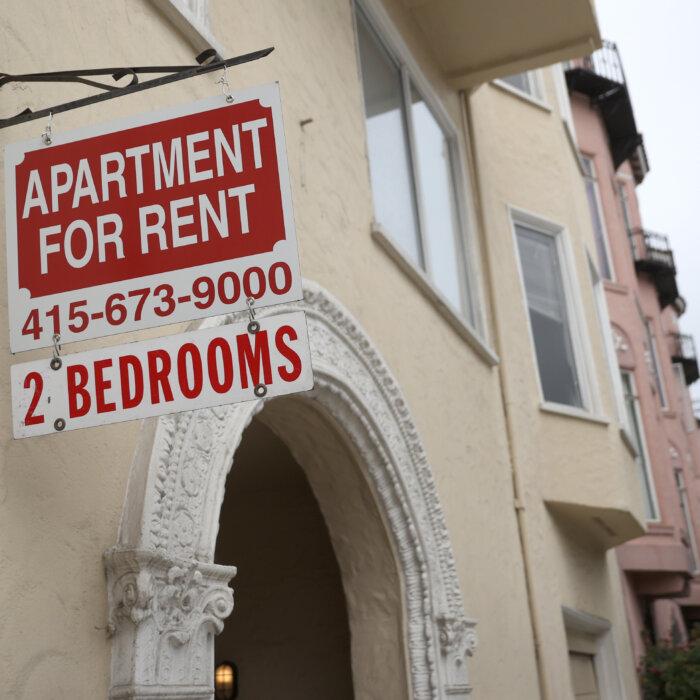
Before purchasing a property, calculate its expected return on investment (ROI). ROI for rental property is calculated by dividing your annual return by your initial investment or purchase cost. An expected ROI around or above 10 percent is a good indicator that you'll have enough cash flow to not only break even with your property but also generate a profit.
4. Appreciation
Appreciation is a broad category that encompasses several individual factors. In general, appreciation is the increase in value of a property over time. Properties appreciate naturally the longer you hold them, but you can also “force” appreciation by improving the property via capital investments (e.g., adding a bathroom, renovating the kitchen, replacing the roof, etc.).A property that appreciates well not only gains equity and sells for a much bigger profit later, but it also impacts your cash flow now. A property with higher value can be rented at a higher rate, leading to more capital to work with and reinvest in the short term.
5. Size and Number of Bedrooms/Bathrooms
A property with more livable space is almost always worth more than a home with less space in the same market. Livable space refers to space that is available for everyday use and is properly finished, heated and ventilated (for example, a closet is not livable space while a finished basement is).Additionally, the more of the following you have, the more your property can be worth:
- bedrooms
- bathrooms
- kitchens
- parking or garage spaces
- yard square footage
6. Property Age and Condition
Many people looking for a new home are on the hunt for a newer, modernized property in top condition so that frequent repairs are not a concern. This makes a home’s age and condition important factors that play into its value and overall success in the market.Renters and homebuyers want:
- new, modern architecture (unless the home has historic value)
- modern plumbing, heating ventilation and air conditioning (HVAC) systems, and roofing
- modern appliances
- curb appeal
Let’s return to our original question: Should you take the plunge and become an investor? It’s a question that massively depends on the specific property, market, and real estate goals you’re dealing with. But no matter where and when you decide to invest, these six factors can guide your thinking and help you find a property that will add sustainable value to your portfolio.
The Epoch Times Copyright © 2023 The views and opinions expressed are those of the authors. They are meant for general informational purposes only and should not be construed or interpreted as a recommendation or solicitation. The Epoch Times does not provide investment, tax, legal, financial planning, estate planning, or any other personal finance advice. The Epoch Times holds no liability for the accuracy or timeliness of the information provided.