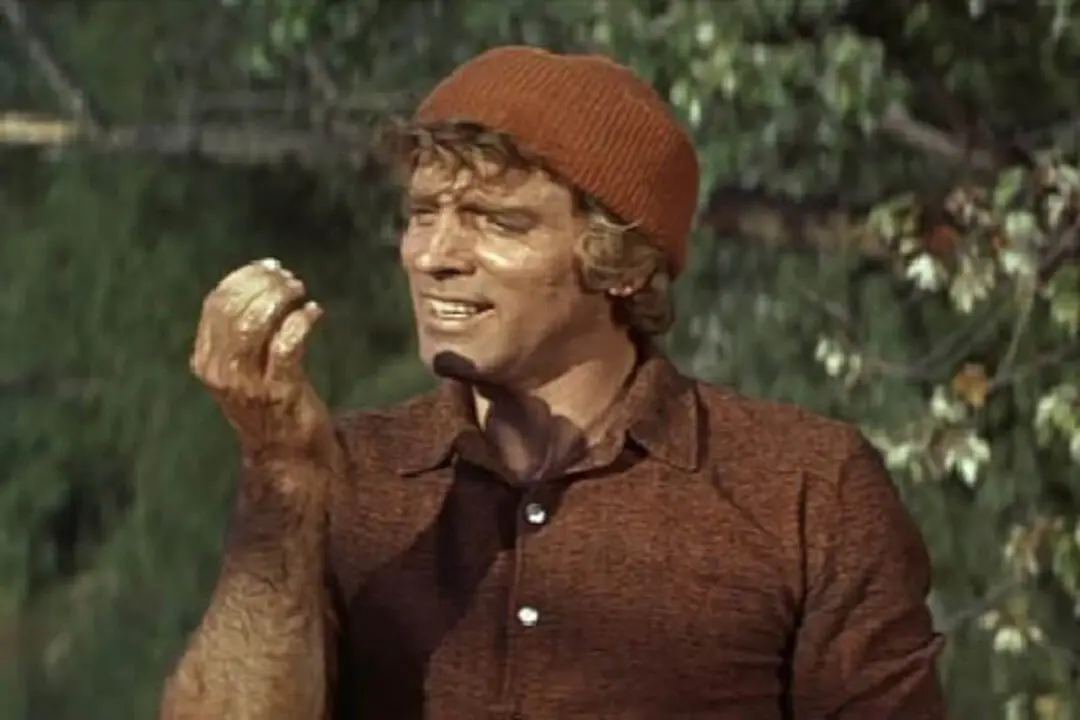
NR | 2h 11m | Drama, War | 1958
Turning Norman Mailer’s massive Pacific Theater war novel, “The Naked and the Dead,” into a 1958 Hollywood combat picture couldn’t have been easy.
Mailer wrote a cynical story about men, rank, fear, boredom, and cruelty.
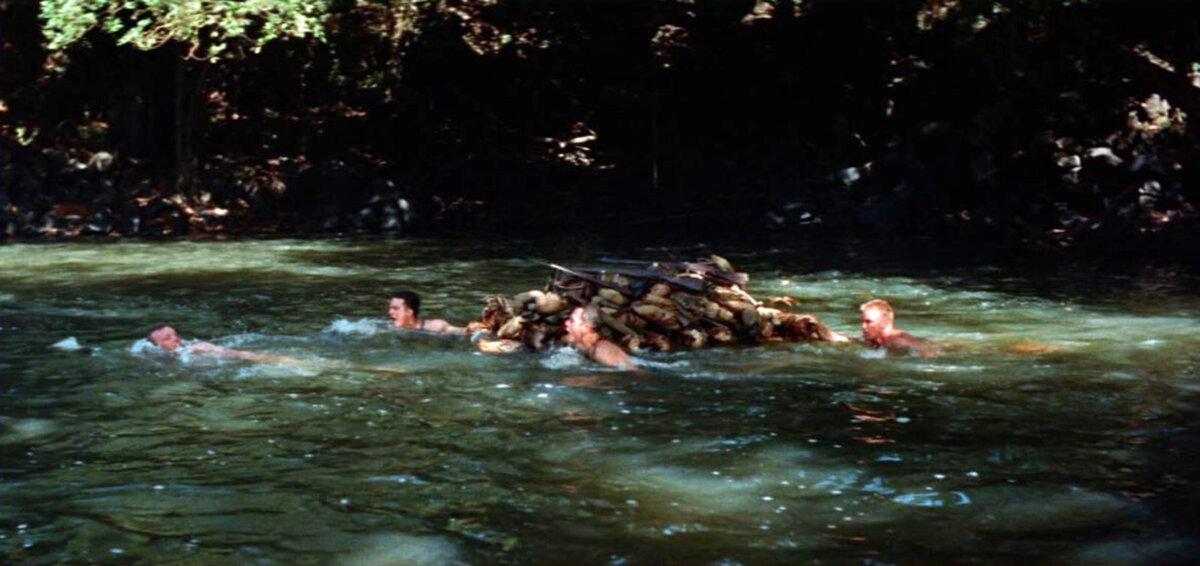
Director Raoul Walsh took that story and filmed it in Panama, using the country’s tropical terrain to mimic the movie’s Pacific Theater battleground. The uniforms cling, while thick brush crowds the actors. A backlot jungle set wouldn’t have worked for the sweaty discomfort of the march through enemy territory.
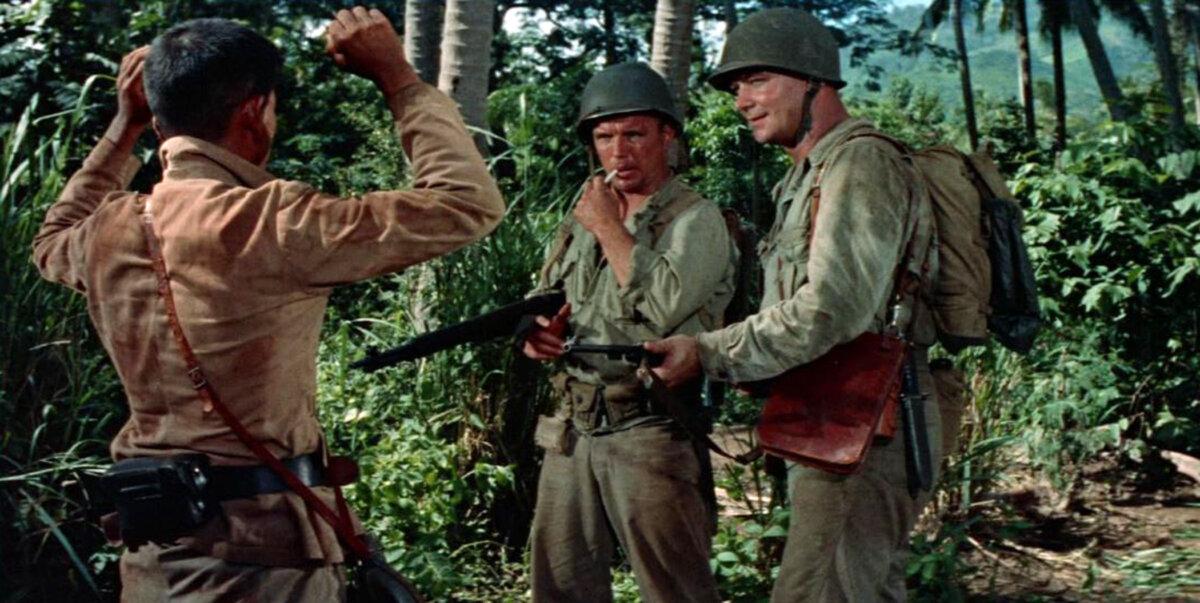
The production used American soldiers as extras, cast Hawaiian-born soldiers of Japanese descent as Japanese troops, and pulled local performers from the Canal Zone Theatre Guild.
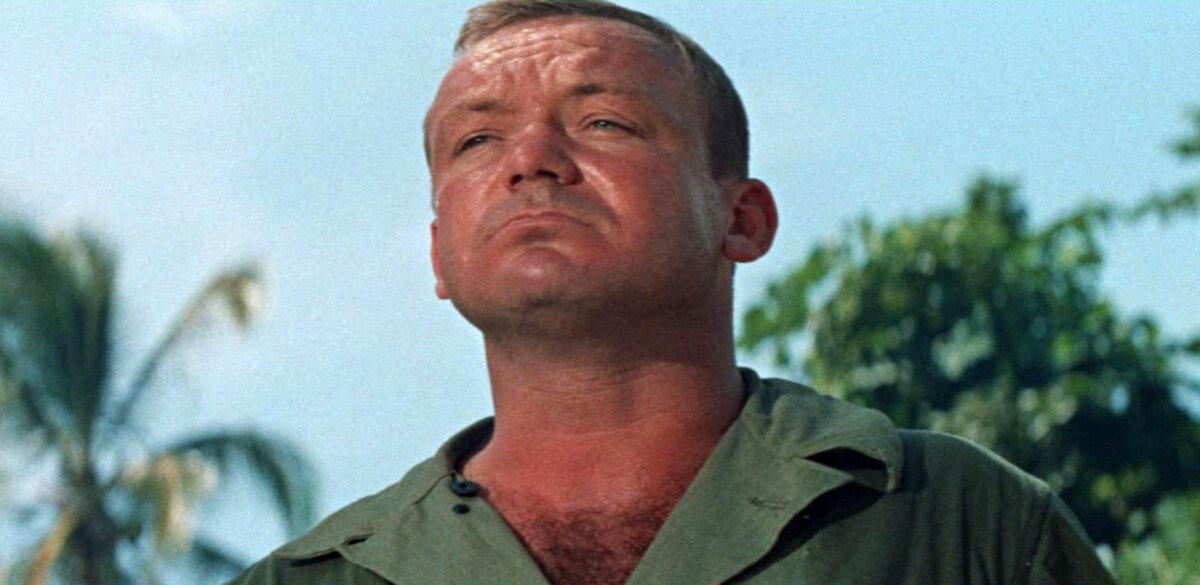
RKO Radio Pictures produced the film near the end of the studio’s life, and Warner Bros. released it. Cinematographer Joseph LaShelle photographed it in Technicolor, which means he shaped the movie’s color palette. Viewers saw a wet green jungle, sweaty faces, military gear, and jungle terrain that seems ready to rot everything it touches.
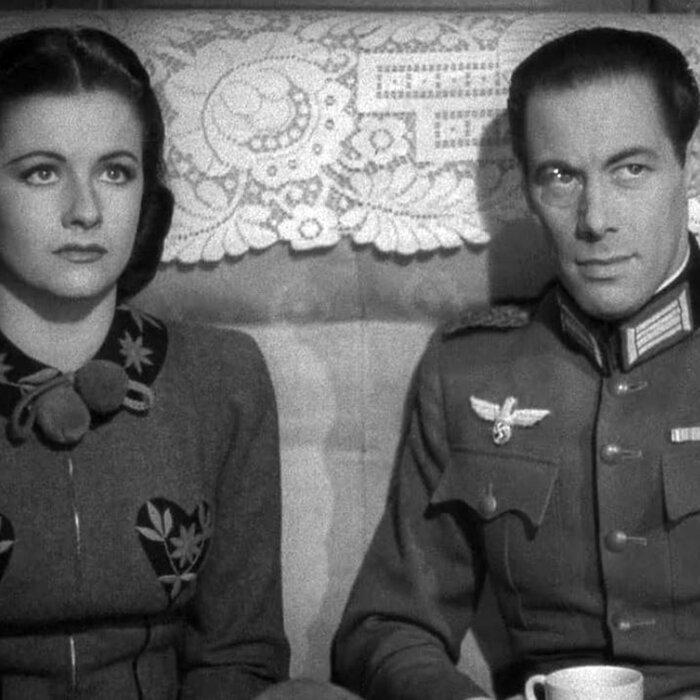
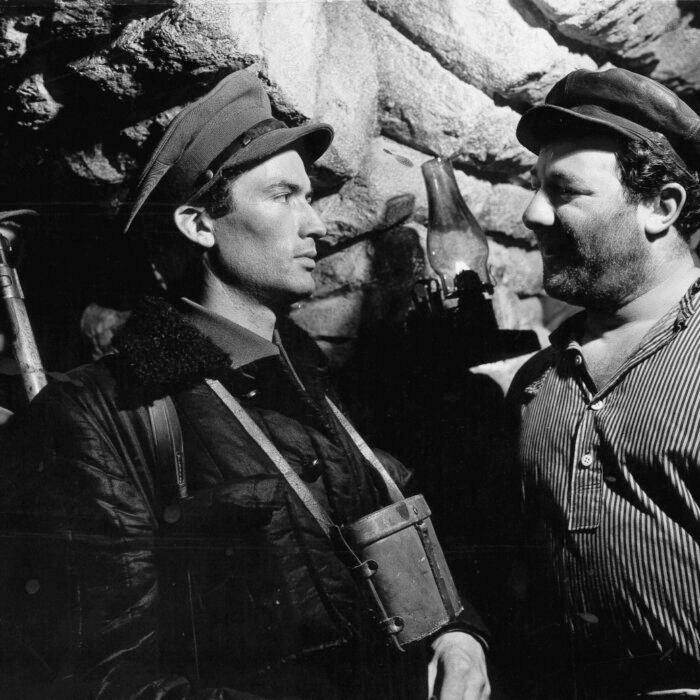
The movie keeps getting yanked between Mailer’s harsher source novel and the cleaner image Hollywood wanted in 1958. Some of the book’s more forbidden edges have clearly been shaved down for ticket buyers who’d accept jungle combat, cruel officers, and men getting killed; they probably wouldn’t have accepted the full amount of profanity and bitterness Mailer packed in.
Some of the grittier material keeps pushing back through the green brush, usually whenever Sgt. Sam Croft (Aldo Ray) appears, with his sandpaper voice and a face suggesting he’s already decided which men around him are expendable.
Walsh came from a generation of directors who knew how to photograph tired men moving through difficult terrain. This isn’t some prettified patrol duty with guys whistling through the brush and talking about girls until the next burst of gunfire.
They trudge, argue, slip, haul gear, bark at one another, and slowly lose whatever polish they had before the island got hold of them. Even after the studio cleanup, something sour leaks out.
Harsh Ops
Marine Lt. Robert Hearn (Cliff Robertson) serves as aide to Gen. Cummings (Raymond Massey), the commander assigned to capture the Japanese-held island of Anopopei during World War II. Cummings believes fear keeps men disciplined, obedient, and useful. Hearn objects, which is never a great career move around a man who treats rank like religion.Hearn’s punishment comes in the form of a transfer: He’s sent from headquarters to lead a reconnaissance platoon through the island’s jungle. The men are supposed to scout Japanese positions, relay intelligence, and help find a route around the defenses holding up the advance.
Sgt. Croft previously led the platoon; he now has to take orders from an officer he neither likes nor respects.
Before the island mission, the film shows Marines bonding aboard ship, joking, killing time, trading insults, and building the kind of small familiarity war loves to ruin.
Mailer Through a Filter
This film adaptation can’t carry all of Mailer’s story. The book has sprawl, internal rot, boredom, prejudice, and long stretches of men obeying awful orders from men above them. The film keeps the island campaign, the patrol, the command conflict, and Croft’s brutality, then trims the rest into studio shape.Ray is very convincing as a bad, bad dude making up his own orders along the way. Croft isn’t just some garden-variety tough guy; he’s the kind of man whom war finds, feeds, promotes, and then pretends came out of nowhere. Ray’s raspy delivery makes even ordinary lines sound like serious threats.
Bernard Herrmann’s music dips in from time to time and turns the march into something akin to a funeral procession with rifles. The score pounds, swells, and nags at the men as they stumble through the green hell.
“The Naked and the Dead” is flawed. It’s too studio-shaped in places, and some of Mailer’s venom got drained before the cameras rolled.
Still, it remains a fascinating war picture. It’s a film that’s sweaty, uneven, physical, and grittier than its polished surface wants to admit.