In 2012 Iceland, retired detective Helgi Reykdal’s quiet life is interrupted when he’s called to investigate the disappearance of the country’s most celebrated crime novelist. As Helgi pries into the private life of one of his favorite mystery authors, an unsolved crime from the past and his own secrets threaten to destroy many lives.
For those unfamiliar with Iceland’s literary landscape, it may come as a surprise that this island nation of just 370,000 people boasts one of the world’s most vibrant literary cultures.
Iceland publishes more books per capita than almost any other country, with roughly one in 10 Icelanders publishing a book in their lifetime. The average Icelander reads about twice as many books as the average American.
Combine these facts with the country’s dramatic landscapes and close-knit society, and this makes the ideal environment for outstanding gritty writers, such as Arnaldur Indridason and Yrsa Sigurdardottir.
Ragnar Jonasson, author of the new novel, “The Mysterious Case of the Missing Crime Writer,” is among the finest of this new generation of writers. A lawyer by training, Jonasson has also translated 14 Agatha Christie novels into Icelandic. The experience has infused his work with legal precision and classic mystery sensibilities.


Crime? Or Misunderstanding?
An unexplained, week-long absence of an Icelandic citizen wouldn’t usually concern the police. However, Elin Jonsdottir is Iceland’s most famous crime fiction author—their living Agatha Christie. She produced only 10 books in her career, but these became internationally successful, even spawning an overseas television series.Friends and associates have contacted authorities, worried that she might be injured somewhere. No evidence indicates foul play. However, fame generates different rules of attention, and the police decide to investigate whether Elin is indeed in trouble, if only to avoid bad publicity.
Retired detective Helgi Reykdal has been enjoying a peaceful life since leaving the force. His favorite pastime is reading mystery novels at his family-owned bookshop while helping his mother recover from surgery. But when his former chief, Magnus, calls about Elin’s disappearance, Helgi can’t resist the chance to investigate the life of one of his favorite authors and “breathe in the atmosphere of literary creativity.”
The case also gives him more time with his new girlfriend, Anita, with whom he’s considering a more serious future. One of the hurdles to overcome is the trauma he’s endured from his ex, Bergthora, an obsessive alcoholic who nearly killed him.
Along with Helgi’s storyline, Jonasson employs a clever narrative structure, interspersing unedited transcripts from an old Elin interview. It’s an engaging device that gradually reveals the missing author’s character, dropping possible hints and clues about her disappearance.
Hidden Tales
Themes in “The Mysterious Case of the Missing Crime Writer,” not surprisingly, revolve around secrets and missing people. Even the famous Agatha Christie, Helgi notes, vanished for several weeks in 1926, showing up one day in a hotel room under an assumed name. She never revealed why she went away in the first place: It’s a true story.In the transcripts, Elin discusses the temptation to disappear and make a fresh start, as well as the universality of hidden stories. “It dawned on me that everyone has their secret, something that can never be told. Once I understood that, I found it easy to write.”
The reason for the storylines in 1965 and 1979 isn’t explained right away. Their presence is a mystery within a mystery. But Jonasson employs his considerable skill as each thread weaves together seamlessly. Unlike his previous dark, visceral thrillers, “Missing Crime Writer” adopts a contemplative, almost relaxed pace that remains highly addictive.
“The Mysterious Case of the Missing Crime Writer” could have easily been one of the year’s best mysteries if not for the ending. What initially seems like a fascinating change of pace from Jonasson’s typically brutal work takes an unexpected, vicious turn that feels like a betrayal of the book’s initial promises.
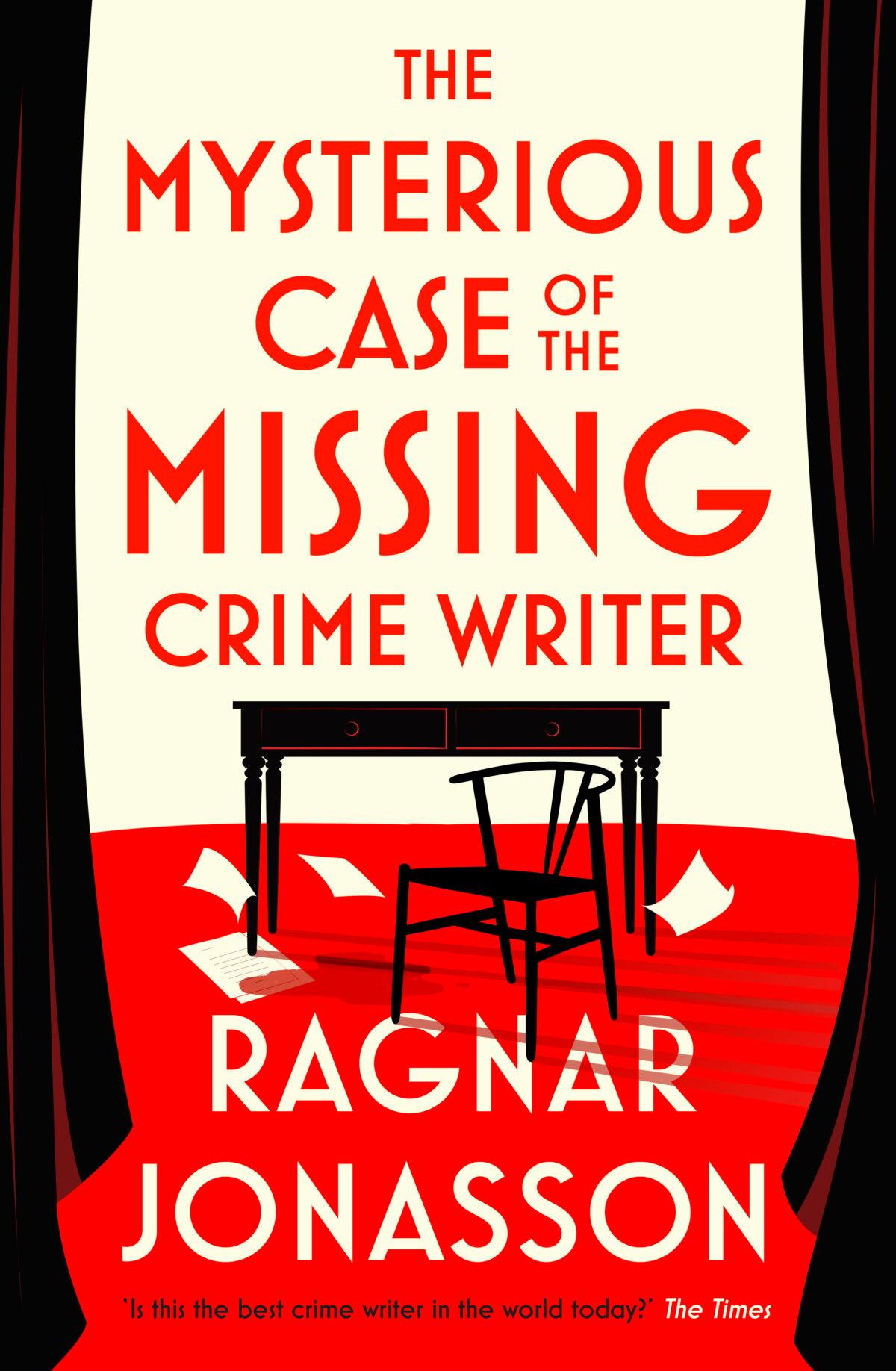
Even though it’s foreshadowed, that cruelty in the final moments may alienate readers who were drawn in by the book’s more meditative approach. The cozy title and artwork feels more marketing than literary.
Despite this jarring finale, those who appreciate dark thrillers, Icelandic and Nordic noir remains an untapped reservoir of exceptional contemporary writing.
Jonasson’s “The Mysterious Case of the Missing Crime Writer,” even with its flaws, demonstrates why this small nation continues to produce some of the world’s most compelling crime fiction.