“Dark tourism” embraces sites associated with death, tragedy, and the macabre. Though it may be a new description, it’s certainly not a new phenomenon. Travelers into this morbid side of travel have a penchant for places historically associated with death and tragedy. But even those not totally into the deep dive of the morbid and grim, are fascinated with places and events which stir up complicated ethical issues and show us the darker side of humanity.
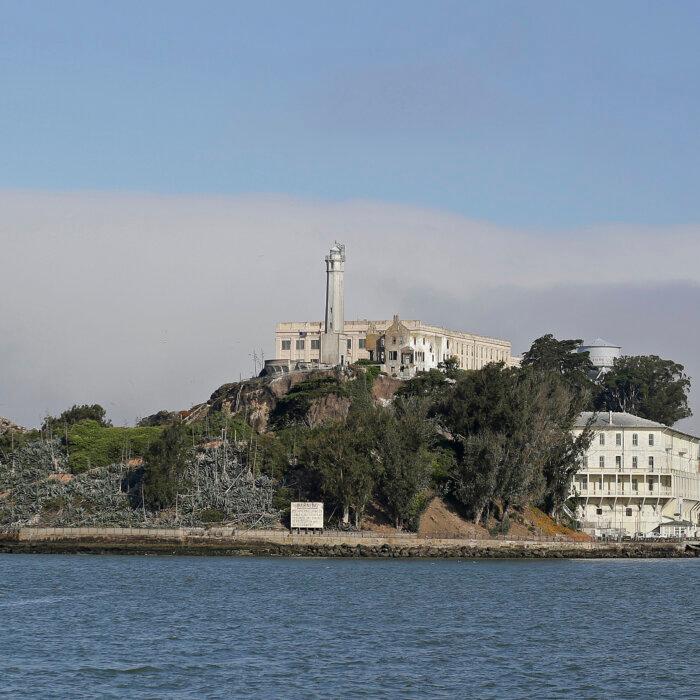
Alcatraz Island
Likely the most popular abandoned prison in the U.S., Alcatraz Island, located in San Francisco Bay, is best-known for its time as a maximum-security federal penitentiary. It housed some of America’s most notorious criminals including Al Capone, George “Machine Gun” Kelly, and Robert Stroud, aka the “Birdman of Alcatraz.”Eastern State Penitentiary
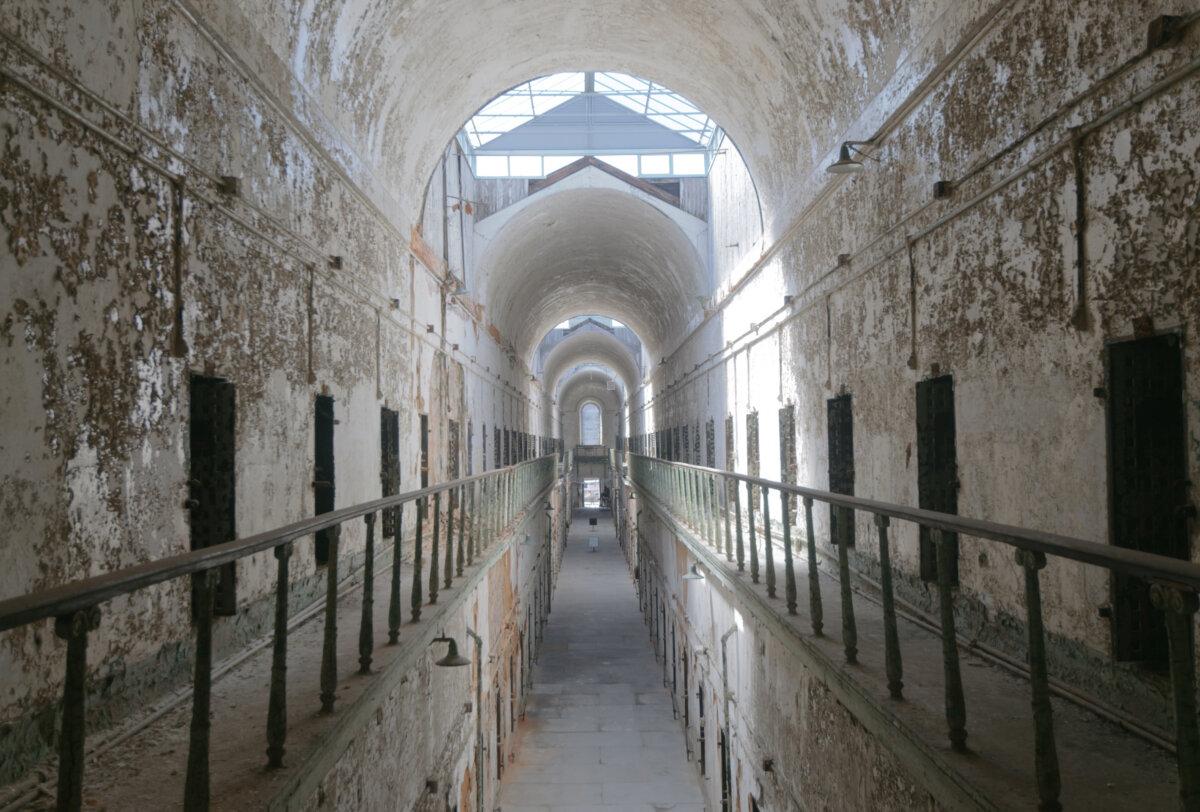
This historic and famously haunted prison in Philadelphia, Pennsylvania opened in 1829 and closed in 1971. The prison pioneered the idea of “penitence through solitude” where prisoners were kept completed isolation in small private cells. Even guards wore felt on their shoes. While well-intended, the isolation often led to severe mental deterioration. Punishments such as the iron gag and water dousing were brutal.Chicago mob boss Al Capone served eight months here on a weapons charge. Overcrowding and aging infrastructure eventually led to the prison’s closure. But some prisoners never left as shows like Ghost Hunters, Ghost Adventures, and The Travel Channel have all noted reports of shadowy figures, disembodied voices and footsteps, and screams in Cellblock 12. Day and nighttime tours are available to the public.
West Virginia State Penitentiary
The notorious prison located in Moundsville, operated from 1876 to 1995. Its imposing Gothic-style architecture and history of harsh conditions have made it a significant area landmark.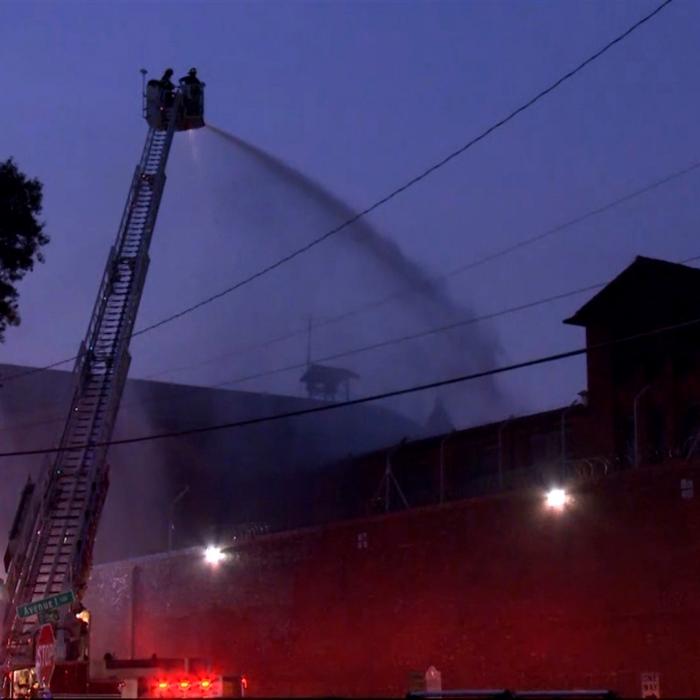
Though the prison was designed to hold up to 250 prisoners, it often held far more and became infamous due to its violent history and riots due to overcrowding and unsanitary conditions, mistreatment, and abuse. Executions were carried out until 1959 in an infamous electric chair chamber. Due to its deterioration and the expense of maintenance, the penitentiary closed in 1995.
The Ohio State Reformatory
Located in Mansfield, the reformatory features a mix of Romanesque, Gothic and Queen Anne design appearing more like a castle than a prison. OSR is world-famous as the filming location of The Shawshank Redemption, considered one of the greatest films ever made.At one time the facility for young, nonviolent offenders was focused on reform through education, religion and hard work but, over time, conditions worsened, and it became more of a traditional, overcrowded prison. More than 200 deaths occurred inside, including murders, suicides and a deadly flu outbreak. Today, the reformatory is considered one of the most haunted places in the Midwest. Visitors can engage in self-guided and guided tours, ghost hunts, and even overnight paranormal investigations.
Sing Sing
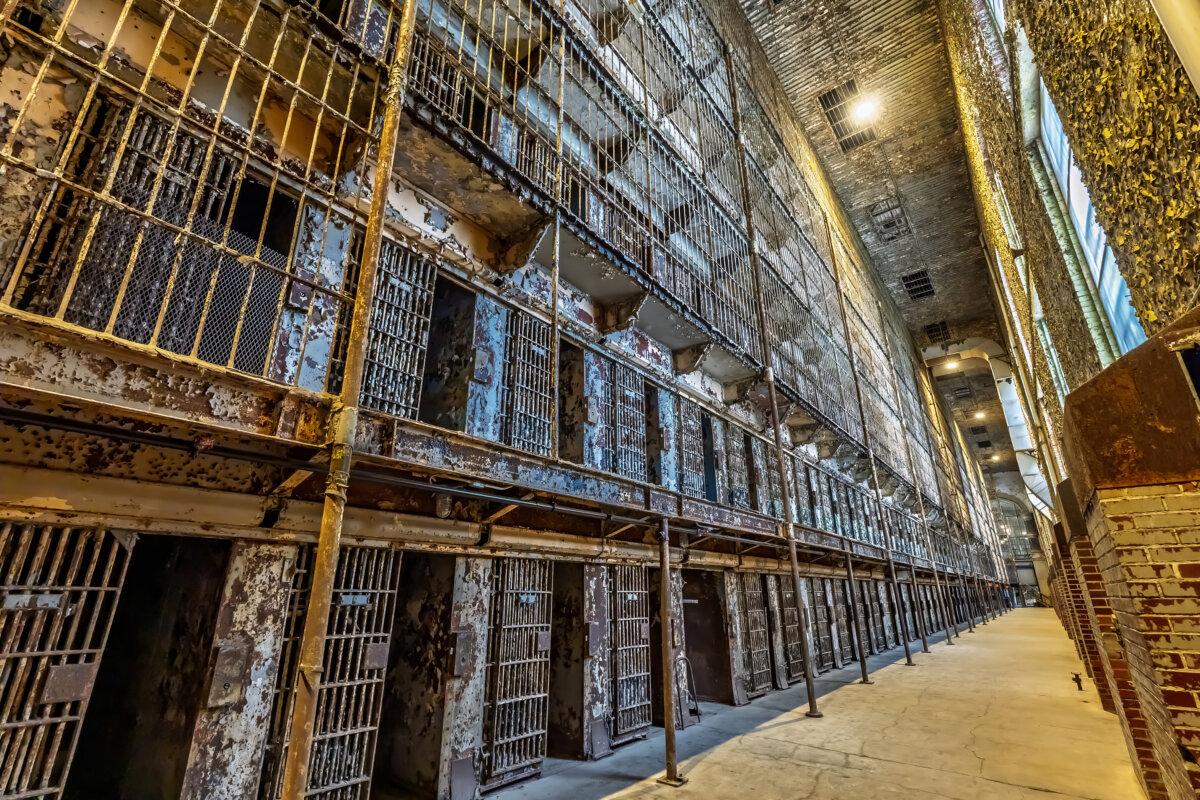
Another famous and historic prison, Sing Sing is located on the banks of the Hudson River about 30 miles north of New York City. Its name comes from the Sint Sinck Native American tribe and was built by inmate labor from Auburn Prison.The Old Idaho Penitentiary
Located in Boise, this fascinating piece of American history is known for its long and often violent past. The prison opened in 1872 and used the “Pennsylvania System,” focusing on solitary confinement to rehabilitate prisoners but over time became more of a reform school for the criminally violent.Notorious criminals included Tommy “The Knife” Carroll, a famous gangster and one of the penitentiary’s most dangerous inmates and Harry Orchard, convicted for the 1905 bombing of former Idaho governor, Frank Steuenberg. The prison had a high level of violence and was known for inmate mistreatment. Executions included hanging and firing squads. Like other notorious prisons, paranormal activity has been documented. Today, the Old Idaho Penitentiary is a state historic site, open to the public for guided tours and educational visits.
Tennessee State Prison
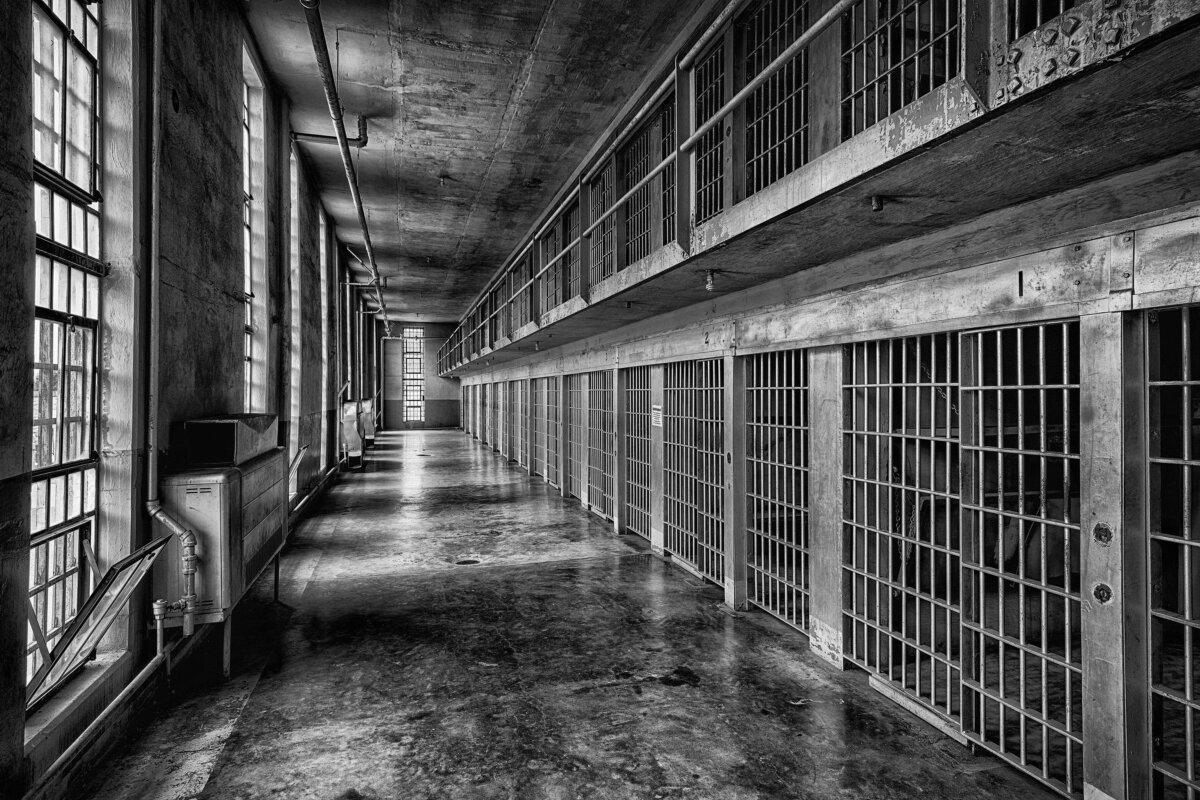
Another storied facility known for its rich and often dark history, this detention center located in Nashville was constructed in 1898 in the Gothic Revival style giving it a fortress-like, medieval appearance with towering stone walls.Yuma Territorial Prison
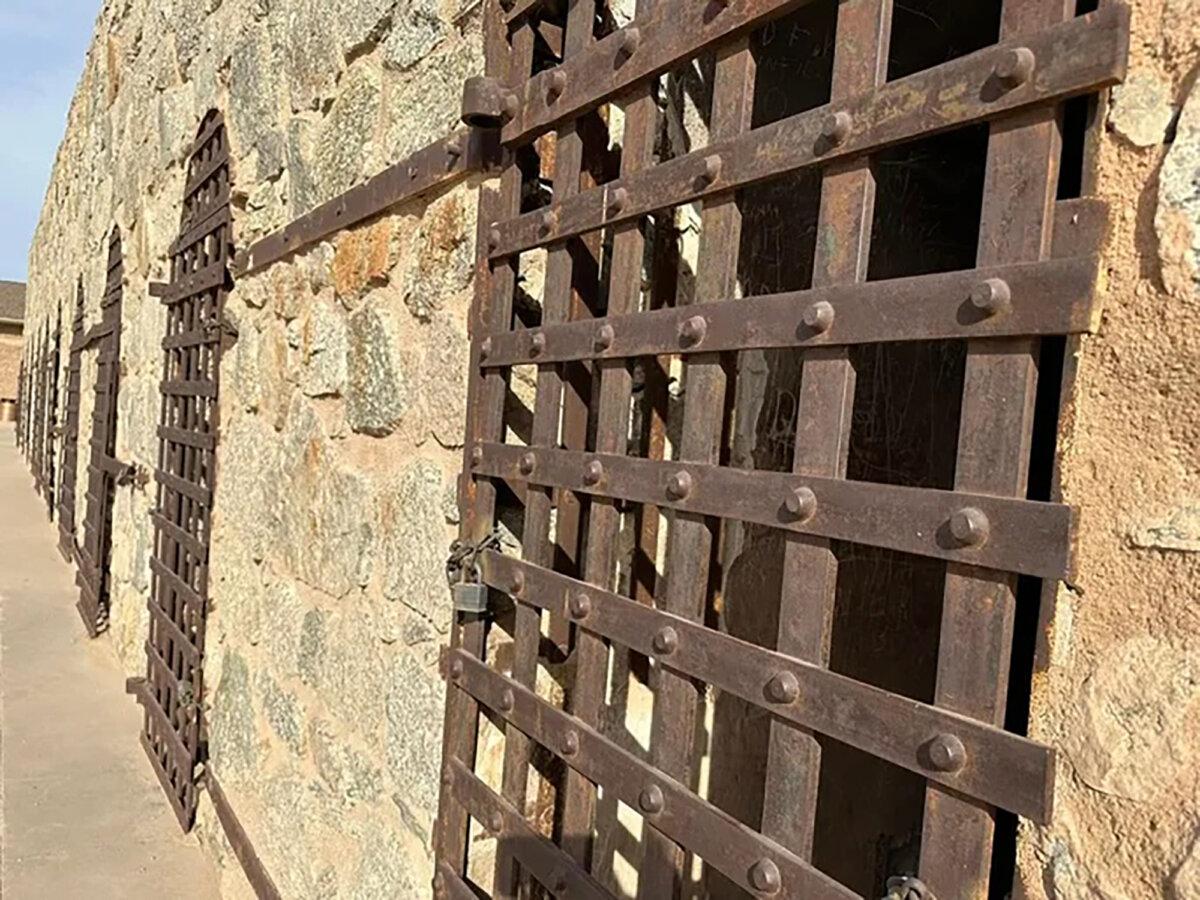
During the expansion of the railroad and westward migration in the U.S., Yuma Territorial Prison was opened to hold the territory’s most dangerous criminals at a time when the region was still largely wild and unregulated.Situated near the Colorado River in Yuma, Arizona, the prison was considered an isolated fortress in the desert. Life inside the walls was brutal, including the desert temperatures sometimes reaching 110 degrees Fahrenheit in the summer. Cells were overcrowded with poor ventilation and minimal sanitation. Hard labor and solitary confinement were pronounced punishments and public executions were carried out at the “Hanging Tree.”
Today, guests can visit the prison, now a state historic park with self-guided or guided group and ghost tours.
Missouri State Penitentiary
One of the oldest and most infamous prisons in the U.S., Missouri State Penitentiary opened in 1836 and closed in 2004. During that time, it gained a reputation for its violent history, dangerous inmates and harsh conditions. The prison is also well-known for its eerie and haunted reputation, making it a popular location for ghost hunters and those interested in dark history.Notable inmates included James Earl Ray, heavyweight boxing champion Charles “Sonny” Liston and “Bloody” Bill Anderson who was part of a gang that terrorized Missouri during the Civil War.
Overcrowding, riots and inadequate food and medical care were all part of the prison’s history along with its notorious “hole” or solitary confinement area where inmates were kept in small, dark cells for psychological torment.
Now a popular historic site and ghost-tour destination, visitors can take docent led tours to explore old cell blocks, death row, and the execution chamber, once using lethal gas and later lethal injection.