NR | 1h 21m | Documentary | 2025
Dr. Josef Mengele, the notorious “Angel of Death,” was one of the worst National Socialist war criminals who escaped justice after World War II. Thanks to the courage of Erno “Zvi” Spiegel, many of the young twins who served as Mengele’s unwilling research subjects survived the Auschwitz concentration camp and could have duly testified against their tormentor had he been captured.
Technically, not all them were truly twins. Spiegel encouraged many siblings close in age to pass for twins as a way of avoiding immediate death in the gas chambers. Decades later, the surviving Auschwitz siblings pay tribute to their protector in Perri Peltz and Matthew O’Neill’s documentary “The Last Twins.”
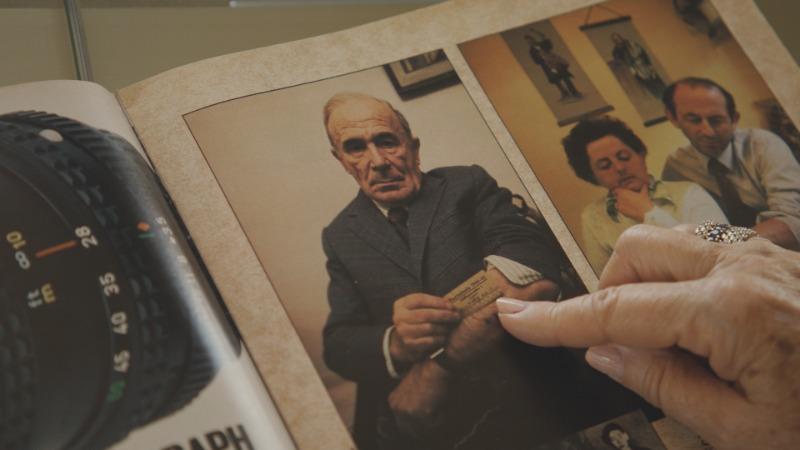
It is hard to fathom the twisted reality wherein Mengele’s macabre research represented the safer option for the twins of Auschwitz. Yet, that was the case, because most young children were directed straight to the gas chambers upon their arrival.
Identified twins lived beyond the notorious initial “selection” process. They became test subjects for Mengele’s research, focusing on the biological similarities and differences between such siblings. Of course, the mortality rate for Auschwitz twins was still grimly high despite the efforts of Spiegel, whom Mengele appointed as their caretaker. Tragically, once one twin died during Mengele’s horrors, the other was killed to allow comparative autopsies of both bodies.
Many of the “last twins” bore scars from Mengele all their lives, especially Ephraim Reichenberg, who spoke with the aid of an external voice-box. His late twin Menashe could sing but Ephraim couldn’t, which inspired senseless experiments focused on their throats. In later years, Reichenberg enjoyed a long career with the Israeli Ministry of Communications.
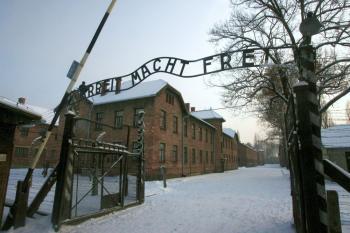
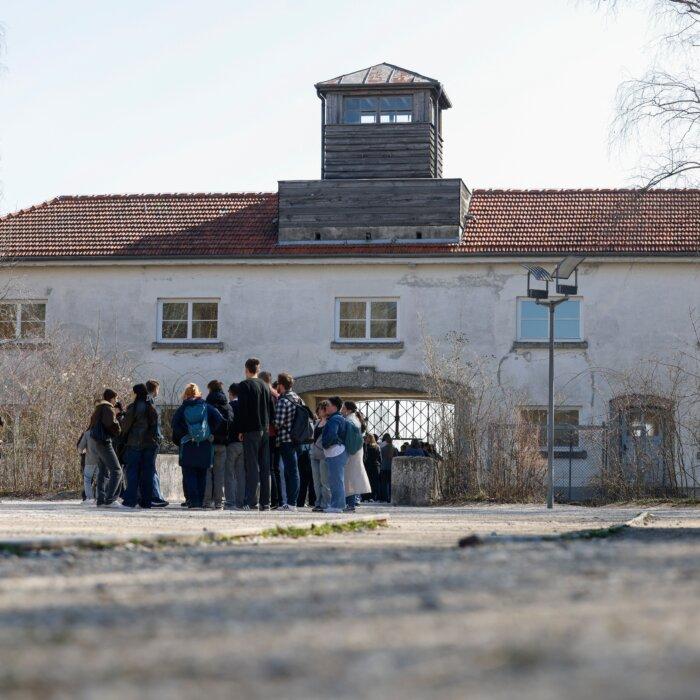
Indeed, the torture the twins endured at Auschwitz is often shocking, but it’s only half the story. Spiegel continued to watch over the twins after the retreating German evacuated the concentration camp, shepherding the small abandoned children to eventual safety. According to Gyorgy Kun, the advancing Red Army wasn’t so “friendly” toward the young survivors either, but at least it provided immediate relief.
It’s an incredible story that Peltz, O’Neill, and narrator Liev Schreiber tell with great sensitivity. Schreiber notably also contributed voiceovers for PBS’s “The Jewish Americans” and co-starred in “Defiance,” based on the Bielski Brothers’ Jewish Resistance network.
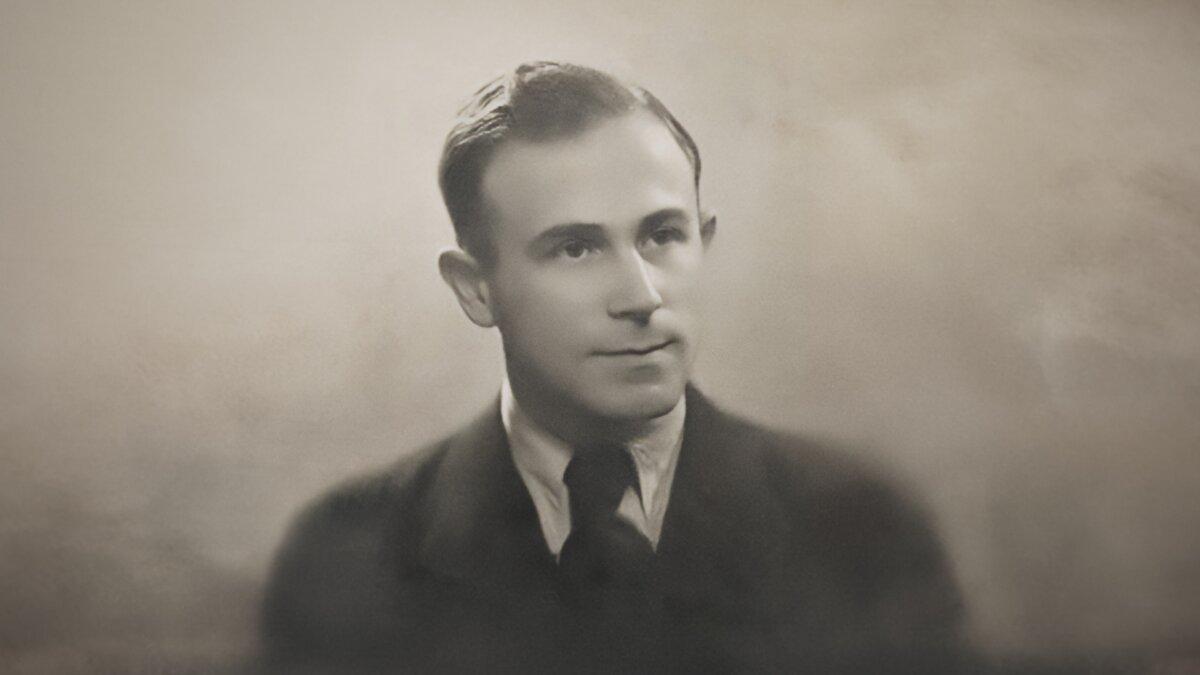
Frankly, it’s providential that the filmmakers secured the survivors’ testimonies when they did. Reichenberg, Kun, Laszlo Kiss, Mordechai Alon, and Tom Simon (Somogyi) all passed away after sitting for their extended interviews.
Full Lives
It’s inspiring to see how the Auschwitz siblings ultimately led long, full lives after enduring their encounters with Mengele. Many found purpose, family, and meaningful work in Israel. The closing montages make a clear and compelling case that Spiegel’s true legacy consists of the many children and grandchildren who also indirectly owe their lives to the twins’ wartime guardian.There is no such thing as an “average” Holocaust survivor’s story. Nevertheless, the experiences of the Auschwitz twins must be considered especially and extraordinarily extreme and harrowing. Yet, somehow, they maintained hope amid profound darkness.
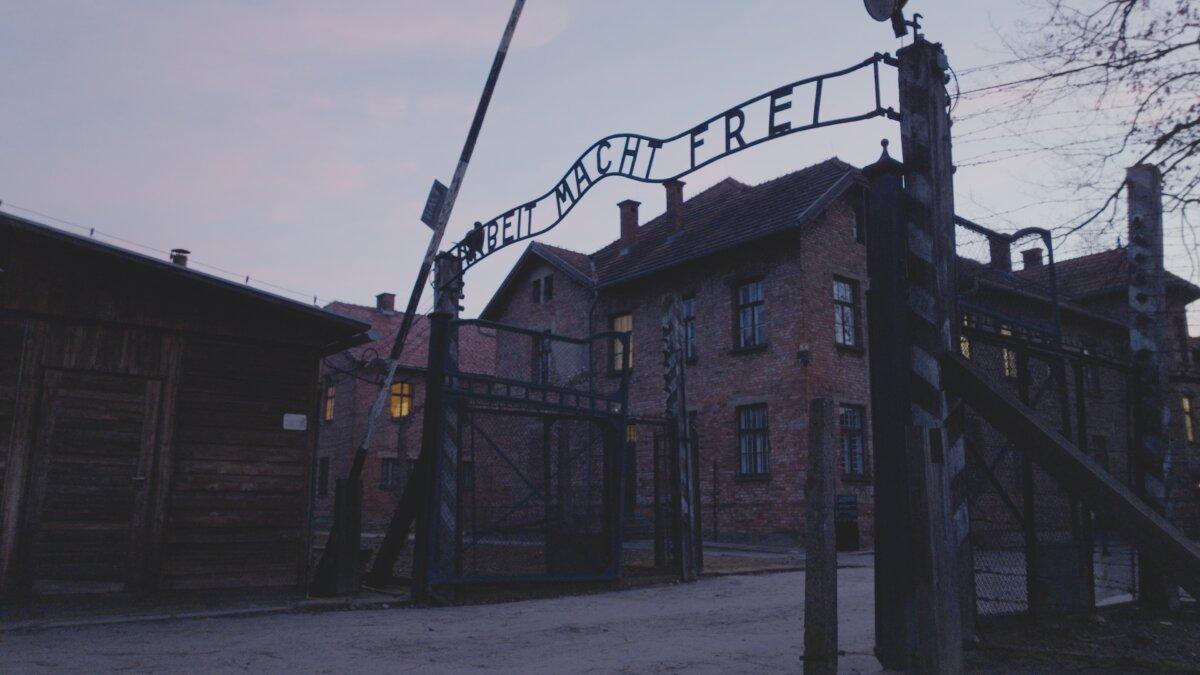
Indeed, one of the greatest aspects of “The Last Twins” is the way Peltz and O’Neill focus on the survivors’ humanity rather than Mengele’s cold-blooded brutality. Most of the documentary is rather quiet and understated, but the closing celebration of their lives is deeply compelling.
The film isn’t merely well-intentioned. It’s also intelligently assembled and presented in a thoughtful manner. Sadly, the world clearly needs the kind of history lesson this film provides, particularly in light of the recent horrific antisemitic attack in Boulder, Colorado. Very highly recommended.