“The Heart of Man,” by Jon Kalman Stefansson, is the third book of his trilogy which includes “Heaven and Hell,” and “The Sorrow of Angels.”
The story begins with the voices of spirits, self-described as dead, but unable to fully die. Their only relief comes from the cemetery, where they “discern the muttering of the dead down in the earth, a distant hint of cheerful conversations. … These words keep us warm … where there are words, there is life.”
From there, we meet an unnamed, 19th-century Icelandic boy who is drifting between sleep and wakefulness; he’s unsure whether he is alive, dead, buried in snow, or lying in some safe bed.
The boy had set out from the remote farm of Nes, along with postman Jens and farmhand Hjalti, hauling the coffin of a local wife and mother across mountains to Slettueyri, the nearest village with a church, so that she could be properly buried.
A violent storm separates the three men. Hjalti disappears and is presumed dead. The boy and Jens crash, half-frozen, into the home of Olafur, the local doctor, and his wife, Steinunn.
In his delirium, the boy hears a female voice ask him if he’s decided to live or die. He replies: “I don’t know. I’m not sure I know the difference, nor am I sure it’s so significant.” She says, “I’ll kiss you. … You’ll feel the difference. You’re definitely dead if you don’t feel a kiss.”


She comes right up to the boy and bends over him, “her hair so red that it can hardly be true, and her lips are warm, they’re soft. Where is life but in a kiss?”
An Intimate, Epic Journey
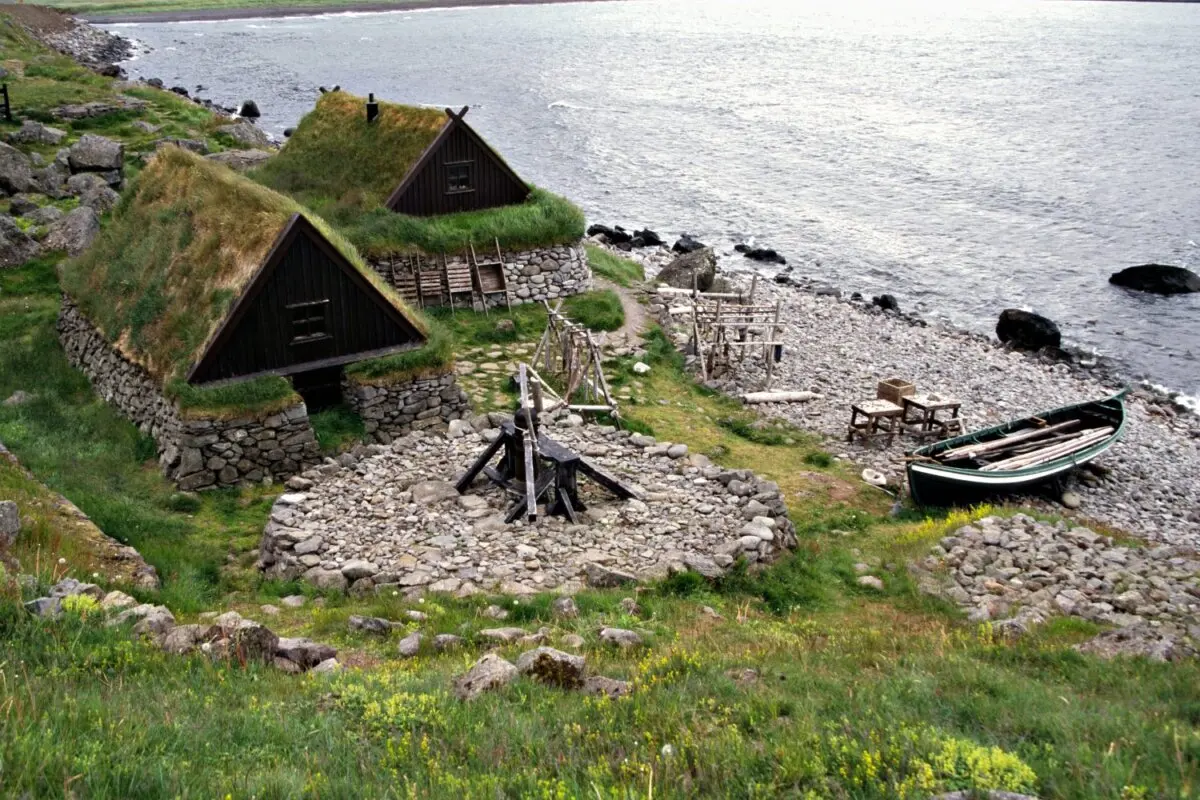
The village of Slettueyri is a small cluster of 40 or 50 houses around a hilltop church with a general shop run by the drunken Sigurour and his wife, Hildur. The household’s servant is named Alfheiour, a poor, red-haired single mother, who was the source of the kiss.After the boy recovers, he searches for his estranged brother, Egill. “Heart of Man” ultimately becomes a microcosm of the trilogy as a whole. The story becomes a collection of moments and memories that revolve around everyone’s search for how to live in the face of death, loss, and the seemingly barrenness of existence.
For the boy, that search is anchored by his mother’s final written command of “Live!” after his father drowned and his younger sister and mother herself died. He carries that word almost like scripture, returning to it whenever he’s tempted toward despair or paralysis.
Seeking connection and love, he’s drawn to Alfheiour and others he encounters, spurred by the memory of the intimacy he’s lost. He tests what love and desire actually mean. He looks for purpose through words and education. He reads, translates, and writes letters that he hopes can change other people’s lives, as if language itself might be a way to resist death.
A Modern Classic
Stefansson released the first book in his “About the Boy” trilogy, “Heaven and Hell,” in 2007, written in his native Icelandic. The following sequels have been widely acclaimed as modern classics in Iceland.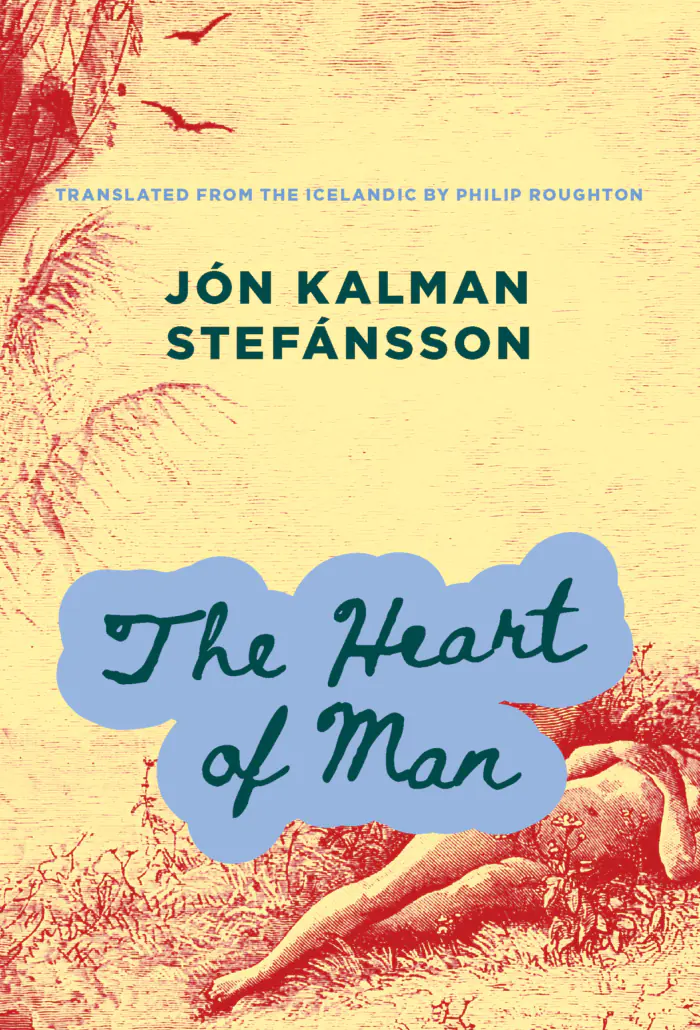
Stefansson’s prose was rendered into English by Philip Roughton (winner of the Oxford-Weidenfeld Prize for his translation of this very book). It moves fluidly between earthy village gossip and passages of aching, almost hymn-like meditation on love, grief, and mortality. Those ponderings are echoed throughout the books by ghostly voices haunting the margins, reminiscent of a classic Greek chorus.
All three books feature long, incantatory, digressive sentences, with fully realized characters who often stand in for something larger—symbolic avatars of humanity that are distinctly Icelandic, but universally recognizable.
Stefansson’s landscapes act almost like a moral force rather than a simple backdrop, shaping almost every decision and framing everyone’s lives. “It’s one-and-a-half to two metres down to bedrock,” says Olafur, regarding an upcoming burial, “the dead lie shallowly here, but hopefully we can cover her better in the summer.” Hopefully? “It’s hard to remember the dead when the sun is shining, and it may be unnecessary, as well.”
There’s a real kinship here with the Havamál (an Old Norse saga of proverbial wisdom attributed to Odin, much like Homer’s “Odyssey”). Both contain short, aphoristic bursts of hard-won wisdom embedded inside the longer story.
It’s part of the tone, but runs much deeper than that. The trilogy posits that words and reputation outlast a person once his body is gone, a belief that fundamentally shapes its style and plot.
The “About the Boy” trilogy may not be an easy read for everyone, but for those willing to attempt it, it could easily become a literary awakening.