In the 1920s, every large ship had a crew of engineers and electricians with specialized skills. The RMS Titanic (dubbed the “unsinkable” luxury liner) had the most experienced engineers in the industry watching over the engines and the fire crew.
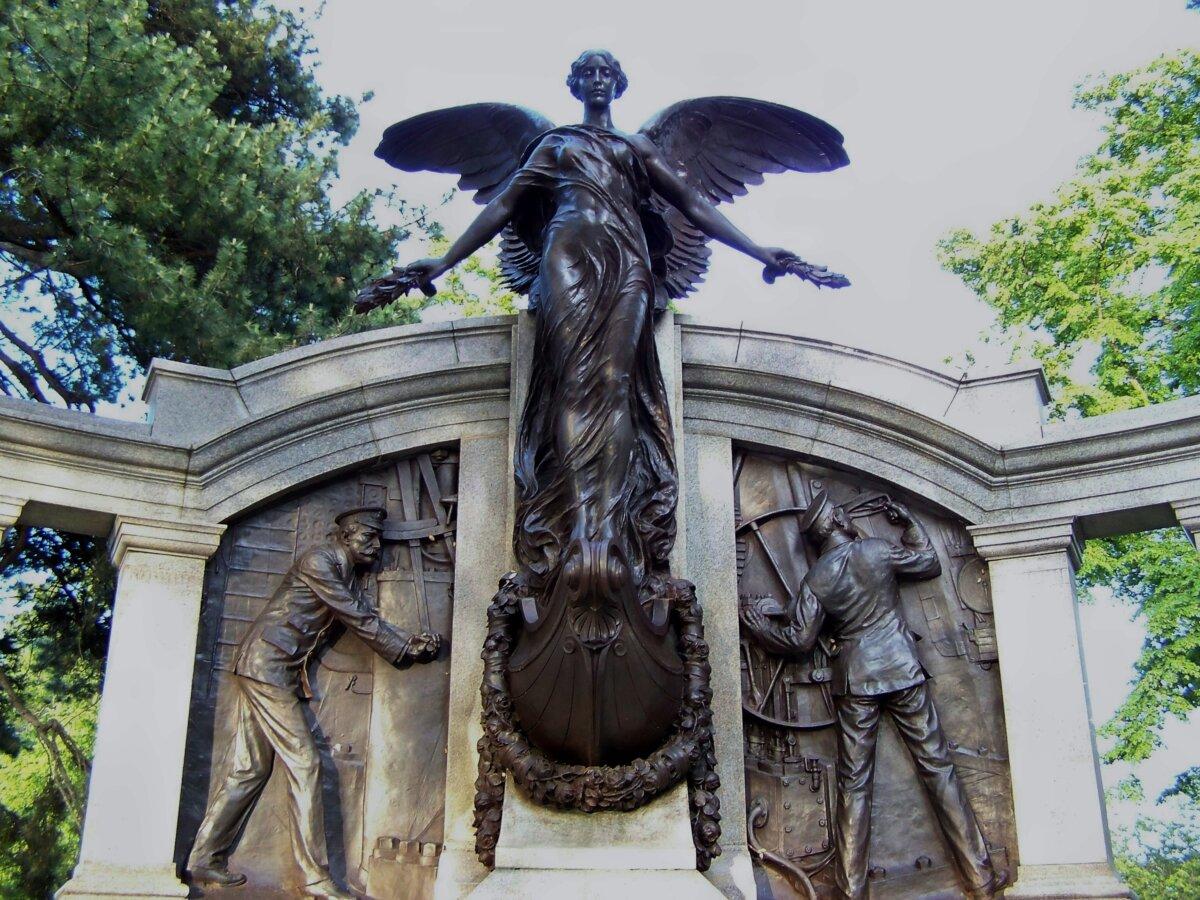
When the Titanic struck an iceberg on the evening of April 14, 1912, the crew stayed at their posts. In doing so, the engineers saved several lives even though they lost their own.
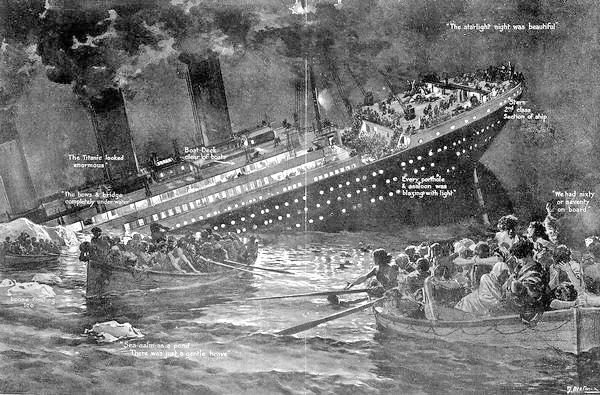
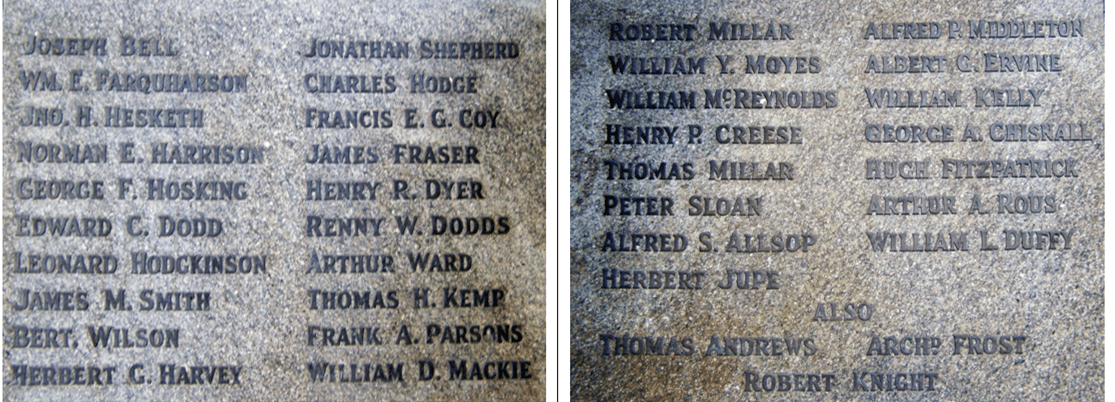
Of the 908 total crew members on board the Titanic, the specialized engineering crew consisting of 25 engineers and 10 electricians were the highest-paid crew members on board. The main duty of the crew was to ensure that the ship’s engines were running properly at all times and keep the electricity on inside the ship.
Under the command of Chief Engineer Joseph Bell, the engineers were also tasked with supervising the often “rough crowd” of 163 greasers and firemen. The greasers made sure the machinery and parts were lubricated and assisted the engineers in fixing what broke down and that “gears click and not grind.” The firemen (stokers) kept the engines steaming.
The engineers and crew were busy keeping the luxury liner running full speed ahead when an iceberg was spotted on its route just before 11:40 p.m. Down in the engine rooms, the engineers did get a telegraph to stop the ship’s engines, but neither the crew nor the engines could react in time. The ship’s crew had only 30 seconds before the Titanic crashed into the iceberg.
According to the Titanic’s protocol, once the ship hit the iceberg, a siren went off alerting every engineer and fireman (including those resting) to report to the engine rooms for duty. Water now poured into the ship. They knew that they had to do everything possible to keep the ship operating for as long as they could.
Electricity Kept On
As the Titanic was sinking, most of the crew hustled to get the guests onto lifeboats and save as many passengers as possible. Belowdecks in the engine rooms, the crew knew their jobs were vital to save lives as well.The crews kept the pumps working to remove as much water as possible. Even though their actions just delayed the inevitable, the ship would have sunk much faster than the two hours and 40 minutes it ended up taking.
The crew also kept the water away from the engines to keep the electricity on. The engineers stayed below deck and kept switching the circuit breakers back on when the water would get too high. Having electricity operating while the ship sank also enabled the lowering of lifeboats. The lights helped other crew members evacuate passengers and lead them to safety.
Within minutes after the ship crashed into the iceberg, its wireless radio system started relentlessly blasting “SOS” messages in a desperate cry for help from any vessel nearby. The electricity inside the ship allowed the crew to send the messages until the wireless room flooded, two hours after the hitting the iceberg.
Eventually, the ship’s transmissions were heard by the RMS Carpathia, which responded in time to save the wreck’s 706 survivors.
A National Geographic documentary released in 2025 created a 3D replica of the ship using over 700,000 still images and 4K video that showed an open steam valve in the wreckage proving that the engineers kept the power on until the very end.
Unfortunately, all 25 engineers and 10 electricians died along with a total of around 1,500 others. Only 45 of the 163 firemen on the ship survived.