My latest book, “On The Hippie Trail,” is an almost-too-intimate recount of my 1978 overland journey from Istanbul to Kathmandu. It’s also my oldest book, as it’s essentially my journal from that trip, which was packed away upon returning, and ignored for 42 years. Then, stuck at home during COVID, I stumbled across it. The entries vividly captured moments, smells, and emotions…flipping through the pages was like an anthropological dig into a 23-year-old version of myself. “On The Hippie Trail” is both a treasure—a documentation of that coming-of-age trip—and an ode to journaling.
Travel can make you a poet. And travel can make you spiritual. You meet people on the road you’d never meet otherwise. Good travel rearranges your cultural furniture, challenging truths you just assumed were self-evident and God-given. By traveling, you learn not only about the people and places you visit—you learn about yourself.
But without capturing your thoughts on paper, the lessons of travel are like shooting stars you just missed…butterflies you thought you saw. Collecting intimate details on the road—netting them as they flutter by—and then recording them into a journal sharpens your ability to observe and creates a souvenir you’ll always cherish.
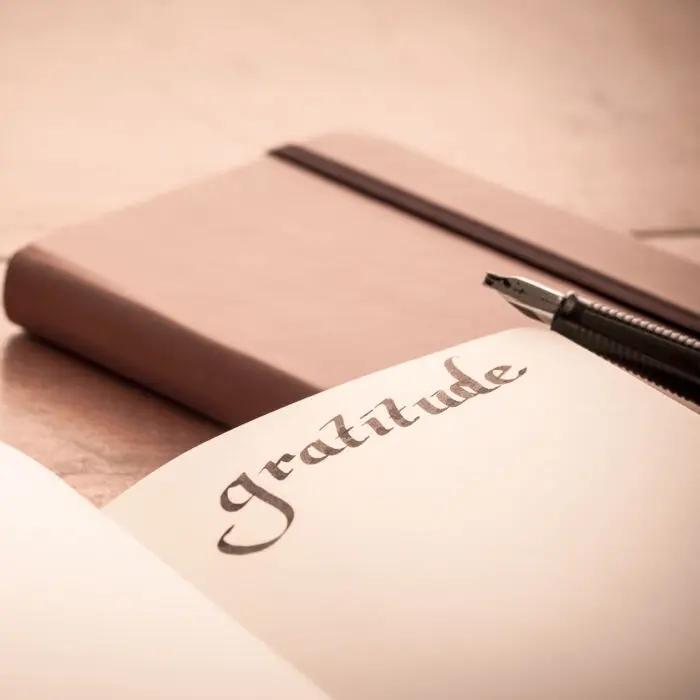
Choosing your travel journal is important. I prefer a plain, simple, empty book—hard-bound, so it lasts and gives me something solid to write on. Avoid spiral notebooks—they feel unimportant and fall apart. A hard-bound book filled with your hand-written experiences will become a classic on your bookshelf. I like blank pages, not the ones featuring extra literary frills and verbose doodads. It’s my journal, not someone else’s chance to decorate my observations. I use black ink or a mechanical pencil. Nothing should compete with the simple words.
The key to good journaling is being both observant and disciplined…to take the time to notice what you’re noticing and then jot down your thoughts. I use a tiny pocket-sized notepad to capture the moment right there. Then, when I have time, I pull out my actual journal and organize those notes into something vivid, fun to read, and clearly written in the field…complete with squished bugs forever ornamenting the margins.
Thinking back, it seems I’ve always wanted to capture my discoveries and eurekas in a journal. On my first trip (as a 14-year-old), I logged my experiences in a file of about a hundred postcards, each numbered, packed with my notes, stained with gelato drips, mailed home and surviving to this day. For every trip after—even back when I was simply a footloose, fancy-free vagabond with no intention of being a travel writer—my journal writing was like a ritual: The flight over came with an introspective inventory of where I was at, psychologically and emotionally. And the flight home came with a similar introspective wrap-up. Each night in between, I wouldn’t go to sleep without writing my day’s experiences, discoveries, and thoughts. The book, which started empty, always came home full.

On the boat to France the next day, I worked on those rough notes and realized that finding such hidden bits of Europe and bringing them home through my writing was what I wanted to do for a living. I mark that as the day I became a “travel writer.”
Five decades later, I still snare those magic moments as they flutter by, eager to see what I can build with them. That’s how each of my fifty or so guidebooks has begun. And discovering that 1978 Hippie Trail journal was like stepping back into that long-forgotten trip…opening a page, I was right back in Kathmandu:
For the rest of my days, I can travel back to 1978—to what, for me, was the end of the Hippie Rainbow—thanks to that great souvenir…my journal.