For those older than 50, telehealth offers a convenient and effective way to manage chronic health conditions. Through virtual visits, remote monitoring, and medication management, conditions like diabetes, heart disease, and arthritis can be managed effectively.
Telehealth Part of Healthcare Landscape
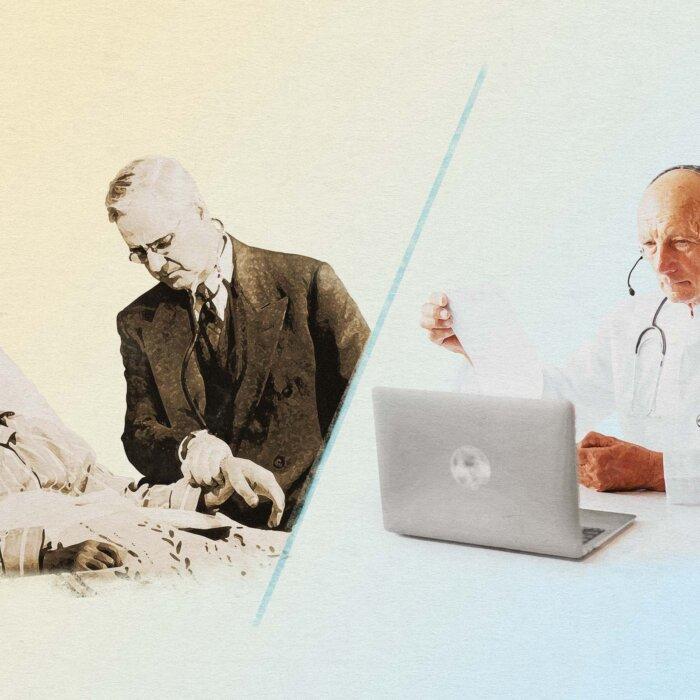
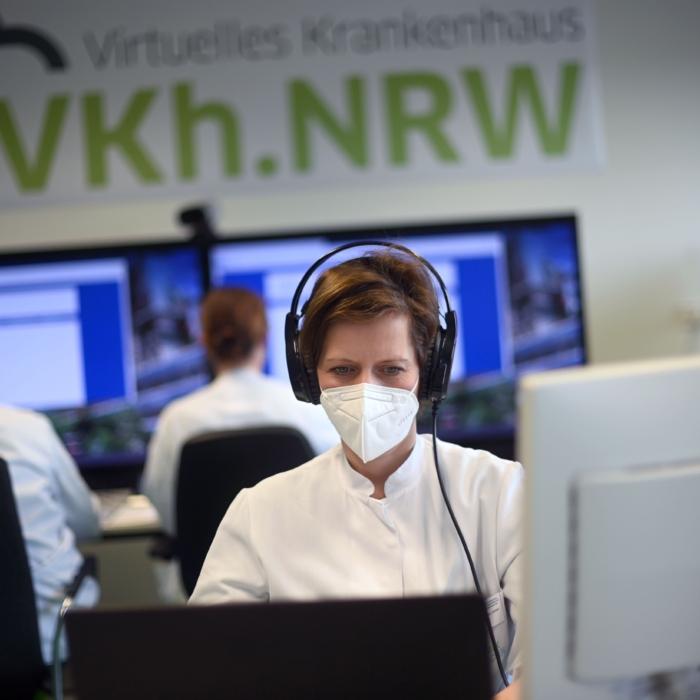
Telehealth is the use of electronic informational and telecommunication technologies to support long-distance health care. The most common forms of telehealth involve a patient and a healthcare professional interacting in real time via telephones, smartphones, or other telecommunication devices. This could be with or without video.According to a paper published in the American Journal of Managed Care, telehealth was initially used to increase access to care, especially for those in rural areas, but it became more widespread during the pandemic.
The result is that telehealth has become an integral part of healthcare, according to the AARP. An AARP study found that 70 percent of adults 50 or older are or would be comfortable using telehealth services.
Telehealth Used for Chronic Disease Prevention
Chronic diseases are a leading cause of death and serious illness, according to Telehealth Health and Human Services (HHS). Through telehealth, patients schedule appointments with specialists who may not be located near them.Telehealth connects providers and enhances disease management. This is especially important for patients with multiple or complex chronic conditions.
Adherence to taking medications is a large problem with patients who have chronic disease. According to a paper published in the National Library of Medicine, only 50 percent of patients with chronic illness take their medications as prescribed.
Poor healthcare literacy, lack of involvement in decision-making, and confusion contribute to poor adherence.
Telehealth Used for Chronic Disease Prevention
Telehealth can be used to engage patients, encourage healthy behavior and enhance outcomes. Virtual technology also:- manages health risks
- improve access to early interventions
- support patient education
- monitor risk factors
Risk screening assessments can be performed that track and discuss chronic disease. Telehealth can provide routine medical care. This is important to communities that lack adequate health care professionals.
Through telehealth, behavioral changes can be encouraged and patients can be empowered to be more engaged in their personal health.
Telehealth Provided in Various Ways
According to the Centers for Disease Control and Prevention, there are several different ways that telehealth can be delivered to a patient. One way is Live videoconferencing.Video conferencing is a two-way audiovisual link between the patient and the health care provider. The patient can actually see the provider, and the screen can be shared to show test results, graphs, etc.
Another is store-and-forward videoconferencing. This is when the patient and provider exchange recorded health information. This could be through a patient portal or secure email.
Remote patient monitoring (RPM) can be used. It’s the use of electronic devices to record a patient’s health data for a provider to receive and review at a later time. For example, RPM could monitor blood pressure or heart rate.
Audio only is also a popular method. It uses a landline or mobile phone to connect to a patient. The provider speaks directly with the patient to monitor chronic disease.
Does Private Insurance or Medicare Cover Telehealth?
According to telehealth policy updates, the Federal government took steps to expedite the adoption and awareness of telehealth. Some of the telehealth flexibilities were made permanent, while others temporary.For example, Medicare recipients can receive telehealth services for mental or non-behavioral health care in their home through Dec. 31, 2027. There are also no geographic restrictions for originating sites.
All eligible Medicare providers can offer telehealth services through Dec. 31, 2027.
According to Telehealth HHS, most private insurance providers cover at least some form of telehealth service.
According to the National Conference of State Legislatures, as of 2024, 43 states and the District of Columbia have private insurance laws for telehealth. But these state laws vary in scope, so it’s important to contact your insurance provider to see what telehealth service coverage they provide.