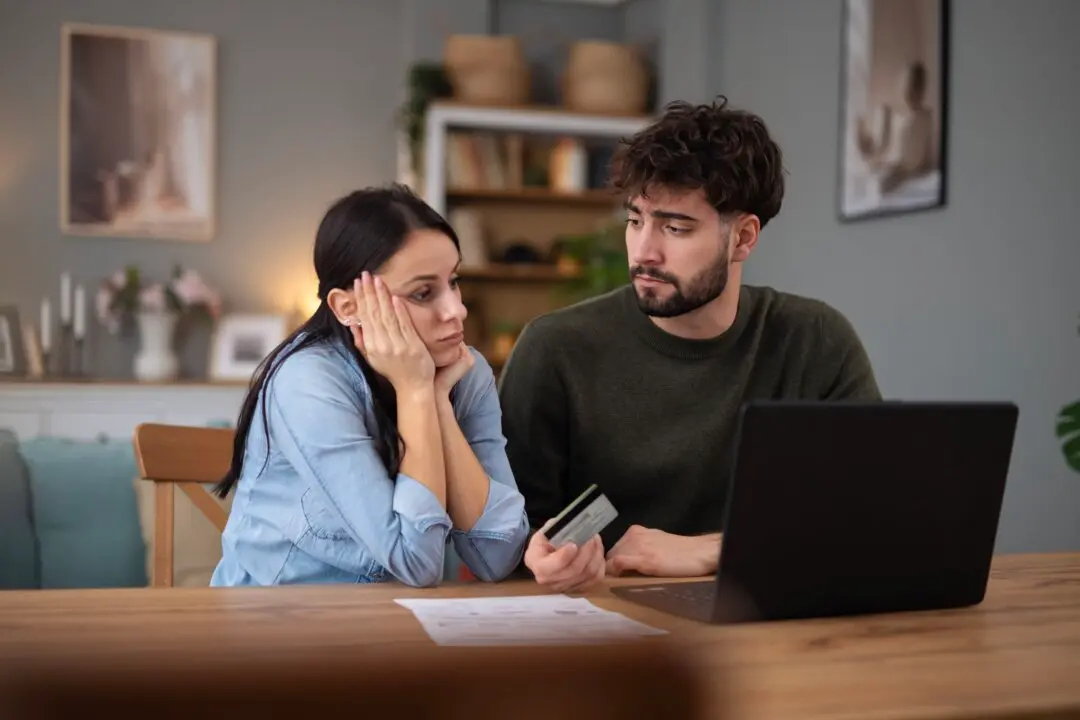
News coverage about fraud is often fear-based—and there are some very good reasons for that. The Federal Trade Commission (FTC) reported $15.9 billion in consumer fraud losses in 2025, a staggering 430 percent increase since 2020. Some consider that number to be woefully underreported.
But you can also look at fraud protection in a different way. Research shows the single most effective scam protection available is not software, a service, or a subscription.
It is a conversation.
Quick Answer: Does Scam Awareness Actually Work?
Scam awareness works, and the effect is measurable. A FINRA Investor Education Foundation report from 2019 found that people who had simply heard of a specific scam type before being targeted were 80 percent less likely to lose money to it. The protection held regardless of age, income, or how lonely someone was. FINRA refers to the nonprofit Financial Industry Regulatory Authority.The Numbers Behind the Silence
The scale of the problem is bigger than official statistics show. A 2026 Gallup study with the Stop Scams Alliance estimated Americans lost $68 billion to scams in 2025, more than four times what shows up in federal complaint data.Roughly 15 million adults were scammed out of money, four in 10 Americans say they encounter an attempted scam every single day, and the average loss was $5,578.

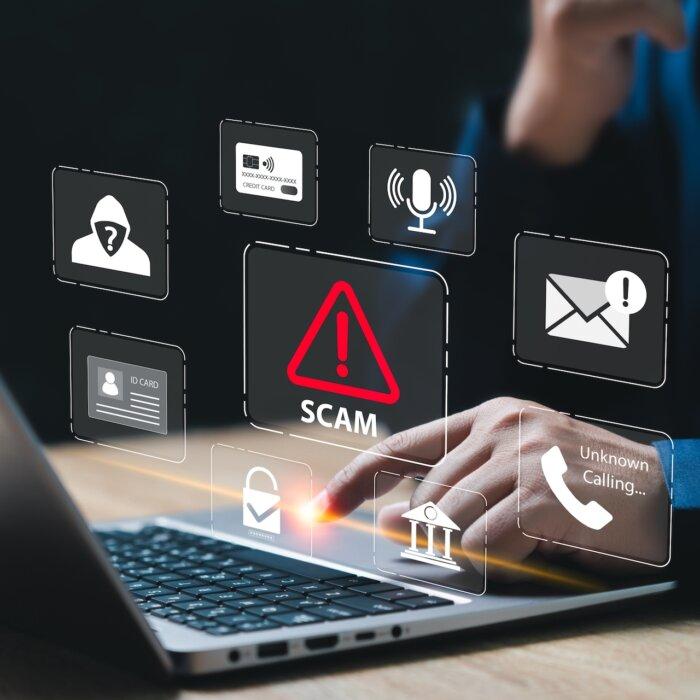
Speaking out can be one of the biggest factors for protecting your family. Gallup found 79 percent of victims told someone, usually their bank, but only 13 percent told federal authorities. Nearly three in four victims said the experience hurt their mental health.
Why Talking Works
Two findings explain the power of the kitchen table.First, engagement is the gateway: Research indicates that once someone starts interacting with a scammer, roughly 40 percent end up losing money, because professional fraudsters are very good at keeping people hooked.
The battle is won before the conversation with the scammer starts, which is where prior knowledge does its work.
Second, a study by the FINRA Foundation, the Better Business Bureau, and Stanford researchers found people were more likely to be victimized when they had no one to discuss a suspicious offer with.
How to Open the Conversation
The goal is a story swap instead of a lecture. Nobody, at any age, responds well to being treated as a vulnerability.- Lead with curiosity. Try: “What’s the weirdest call or text you’ve gotten lately?” Everyone has one, and the question invites a story instead of putting anyone on the defensive.
- Share your own close call first. “I almost clicked on a fake delivery text last month” does more work than any warning, because it establishes that even “aware” people can be at risk. Disclosure gifts everyone else permission to disclose.
- Make it two-way. Adult children are scammed constantly, often through job offers, marketplace sales, and investment pitches. Rather than the kids protecting the parents, framing the talk as the whole family comparing notes keeps dignity intact and doubles the coverage.
- Set one ground rule: no blame, ever. Someone getting lectured for a near-miss could mean it’s the last time they’ll mention it again.
Set a Family Code Word
One protocol deserves its own household rollout, because it defeats the most frightening scam running: the AI voice-cloned emergency call, where a voice that sounds exactly like a grandchild or spouse begs for urgent money.- Choose a word or short phrase together that an outsider should never be able to guess, something that has never appeared in anyone’s social media. A childhood nickname for the family car, for example, likely beats a pet’s name.
- Set the rule. Any call demanding money, gift cards, or secrecy because of an emergency gets one response: Ask for the code.
- Ask, never tell. The family member asks the caller for the word. Nobody ever volunteers it first, so it cannot be captured.
- No word, no money, one move: Hang up and call the person back on their known number.
- Practice once. A two-minute run-through at the next family dinner makes the reflex real. Include the teenagers; their voices are at higher risk of being cloned.