The grandmother has high expectations for the upcoming family reunion. “I just want the kids and grandkids to connect and get to know one another,” she beams. She’s been working hard for more than a year on planning lodging and activities. Kudos to her!
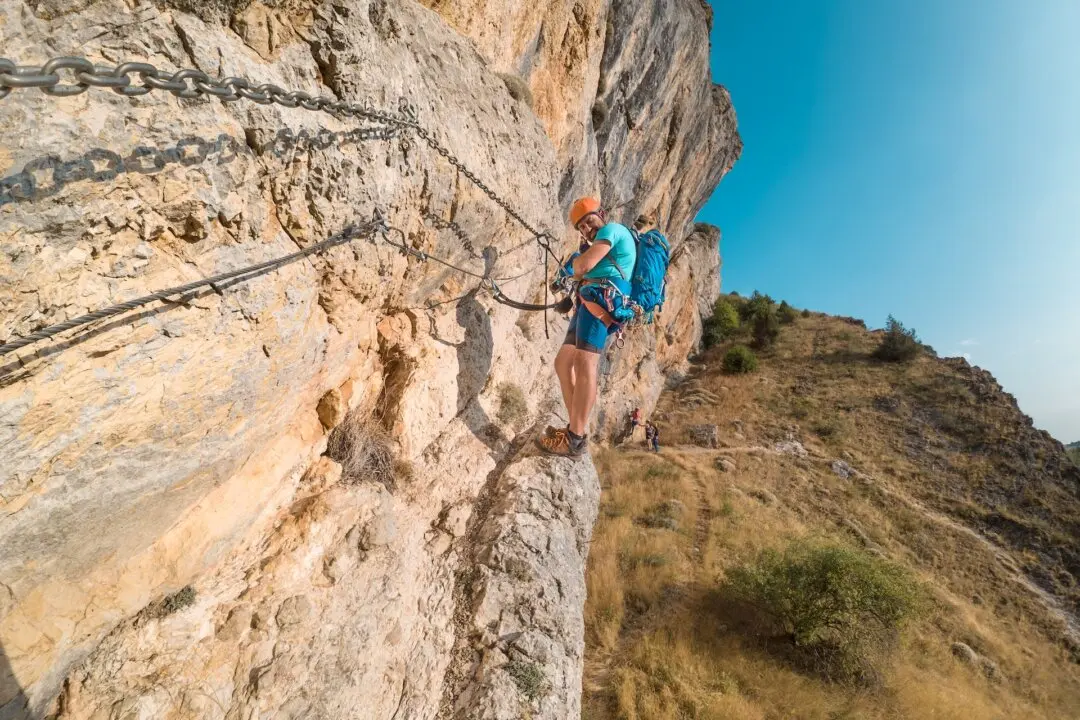
Like many families, hers is scattered across the country and rarely gets together. Thus, this summer’s reunion is in the Colorado Rocky Mountains.
“It’s the busiest time of our lives. All of us live differently. We’ll spend time together and talk and see how it shakes out,” said one of the middle generation, who is a bit skeptical but happy to attend, and relieved that it will only be a long weekend.
I feel his concerns. I’ve been to many reunions for my husband’s large extended family, often with more than 100 people, and they never went according to plan. There was one time when a relative took it upon himself to discipline one of my kids after my husband had to leave for a work emergency. No matter the temptation, don’t discipline anyone else’s child. If you must, talk to their parents.
“Reunion size can be anywhere from immediate family to hundreds,” she said.

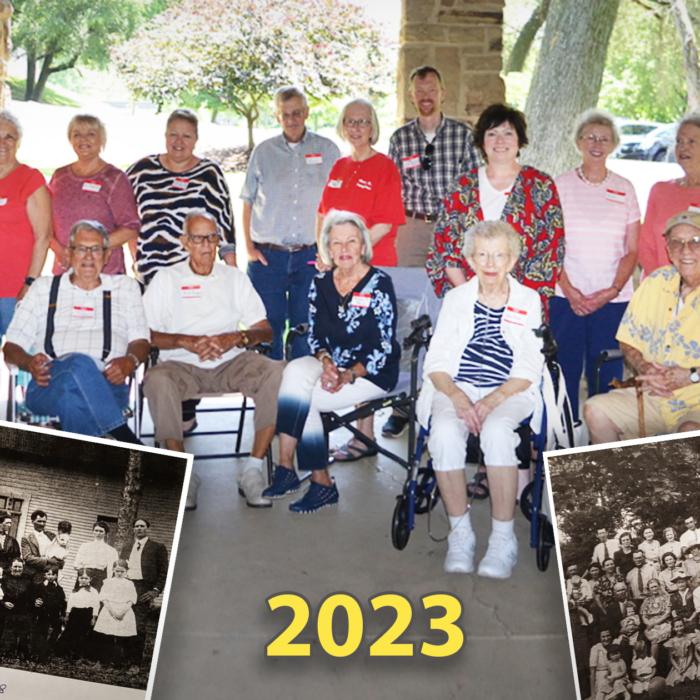
It’s necessary to plan at least a year out, she suggests, and be mindful of the cost, especially for young families and seniors.
“It’s hard to get everyone together at the same time,” Martha Walker, the matriarch of the family, said.
I know some families have made it a tradition to gather at the same place every Fourth of July—say, the Jersey Shore or Cape Cod, northern Wisconsin or a Minnesota lake, near a favorite western national park, or at a Southern California beach town.
But as Martha Walker knows, that’s harder to accomplish as the middle generation is busy with careers and raising their families and the next generation starts to get busier with summer jobs and individual interests, whether sports, music, theater ... the list goes on. It’s a lot harder to corral older grandkids to spend time away from their friends with cousins they don’t know.
That said, certainly try. Perhaps a long weekend rather than a week and a place that won’t be too expensive, a drivable distance for everyone. Of course, you will have members of the family who believe it’s not fancy enough and others who would rather be camping in the woods. The foodies likely will complain, and the gym rats may not like that there isn’t enough workout time or an adequate gym. Remind them this is a reunion, not necessarily their dream vacation.
Don’t put all of the onus for planning on one person, Wagner suggests.
“Have a dedicated committee,” she said, adding that it is a good idea to promote the gathering frequently “to generate enthusiasm.”

Be very clear who is paying for what. I’ve met grandparents, including the Walkers, who foot the entire bill. Other families divide the cost, including groceries and activities. If you are gathering at a house (or a couple of condos), decide in advance who is buying groceries, cooking, and cleaning up. It helps for everyone in advance to know what is expected of them.
If there are responsible teens in the group, see if they are willing to babysit (for money, of course) so that the adults can get some time away from the kids. But don’t just show up and expect that they will be willing.
It’s key to plan activities for all ages and to build in free time. Young kids and seniors will need to nap; some family members will struggle with too much togetherness.
Be prepared if plans go awry. Your planned hike may get rained out; a child gets an ear infection, or Grandpa forgets his heart medication. A work emergency keeps a family member closeted.
It’s a waste of energy to get angry or frustrated. Remember, the missteps will make everyone laugh even decades later—like my preschooler getting disciplined by his uncle after the uncle’s older kids had been taunting him.
That’s family, after all.