Don’t you love it when you find yourself ahead of the crowd?
I don’t mean budging in line, but rather when you have discovered something or someplace before most people.
I’ve long been a fan of getting the kids out of their comfort zones on vacation, whether hiking to the top of a mountain, whitewater rafting, trying a new sport like rock climbing, or simply navigating in an unfamiliar city or country.
Such experiences build confidence, resilience, and family bonds, I’m convinced. But that doesn’t necessarily mean roughing it.

The report suggests that there has been an uptick in interest in small-group itineraries guided by experts and designed for specific interests like gastronomy, nature photography and women-focused travel.
Such experiences don’t have to be expensive, nor do they have to be that far from home. In fact, the most popular adventure itineraries offered by tour operators in 2024 shared several defining characteristics: they were moderately priced, culturally immersive and often centered on active exploration. The median trip price rose to $3,000 for an eight-night itinerary, with 76 percent of that amount—about $2,280—spent with local suppliers.
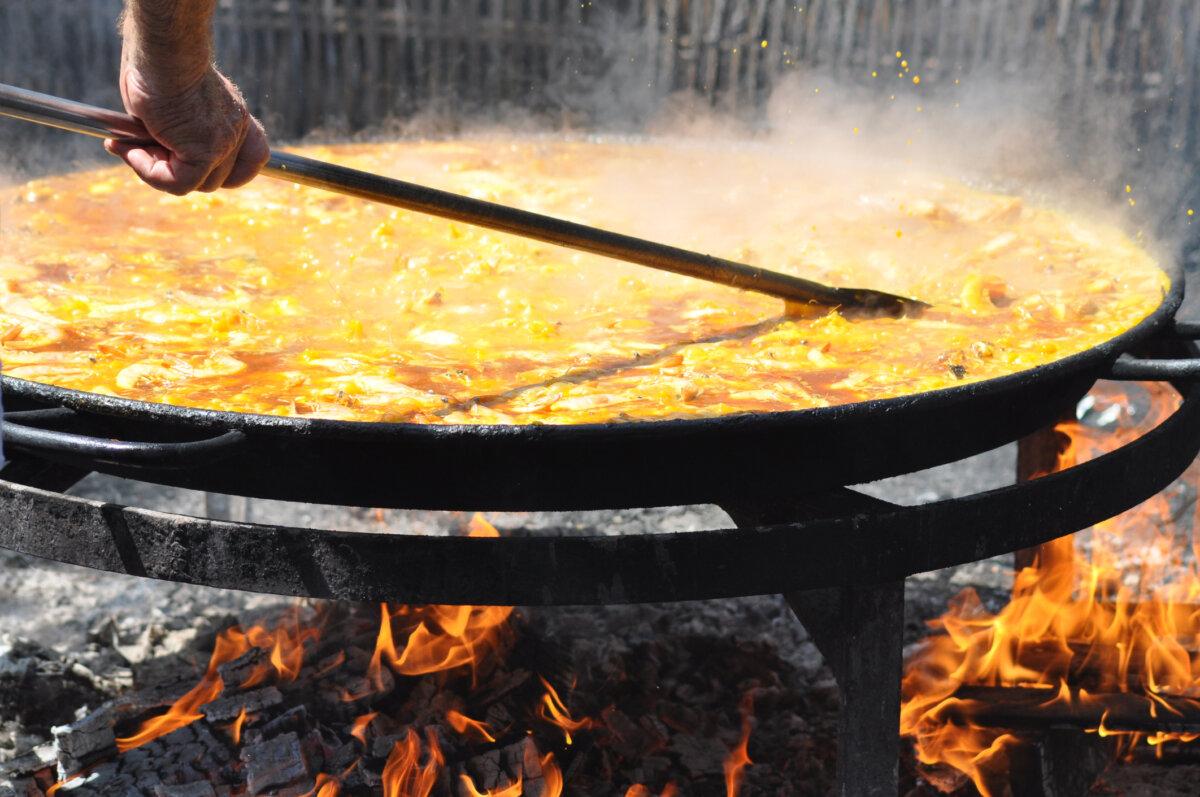
The ATTA report suggests that there is “a growing emphasis on specialization and deeper traveler engagement.” Culinary travel topped the list of trending activities, having steadily increased in the past five years. This was followed closely by safaris and wildlife viewing, hiking/trekking, e-bike cycling, wildlife/nature photography, and the always-popular cultural activities.
Adventure operators reported growing demand for expert-led, family-oriented itineraries, among others. Custom itineraries, soft adventures and remote destinations were also ranked highly by respondents.
Backroads, the active adventure company and a favorite of mine, has just announced new itineraries for next year, including more active culinary adventures. They offer different itineraries for families with different aged kids, including grade-schoolers, teens, and post college young adults. Now there are also trips for women and those who are now in their 30s and 40s (ready to hike hut to hut in the Dolomites?)
Of course, one person’s adventure can be someone else’s nightmare. That’s why it’s key to make sure everyone appreciates what they are signing on for. I remember the girls I met on a (soft) adventure trip in Costa Rica who were miserable because of the bugs and the lack of AC. They couldn’t have cared less about all the birds or the monkeys in the trees. They wanted to be at a big fancy resort in Hawaii but their dad had wanted this adventure.
Another time, in Antarctica, a daughter and her mom complained bitterly about the food and wine choices. The food was fine and as other passengers suggested, the trip wasn’t billed as a culinary experience. It was about the glaciers and the wildlife—penguins, seals, sea lions, and so much more.
It is tricky, of course, to join a group trip as there is always one outlier like the “stepmom from hell” we met on a hiking trip in Italy who couldn’t stop criticizing her step-kids to anyone who would listen.
There are positives to such trips, however—new friends and often the chance to have conversations you might not feel comfortable having with those you see all the time.
Cooler climate destinations such as North-East Asia, Scandinavia, the Mediterranean, and Antarctica, are gaining popularity as travelers seek relief from the heat and demonstrate a growing concern about environmental impacts, the ATTA report said, as suppliers for their part work to make their trips more sustainable, helping local communities.
“…In a time of extreme division globally, travel offers some cure, as a way for people to understand each other better,” said Shannon Stowell, CEO of the Adventure Travel Trade Association.
At least we can all try.