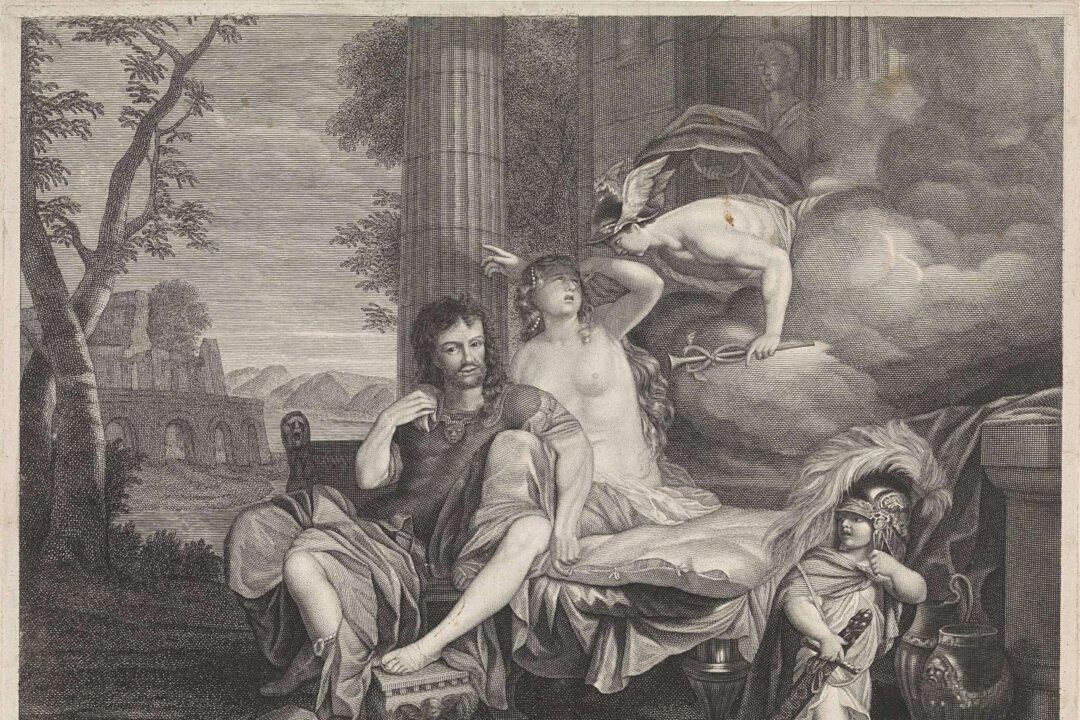
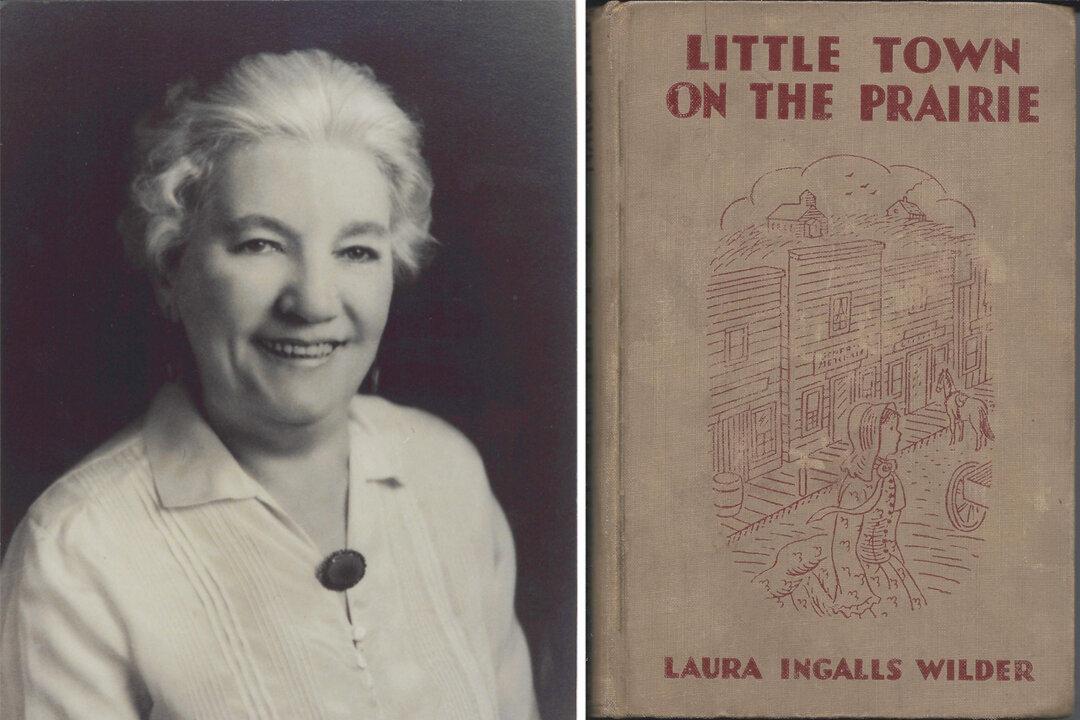
The relationship of music and literature is deep. Operas were often adapted from works of fiction, especially dramas and epic poems. Literature, too, has often taken inspiration from music in every aspect from theme to structure.
‘Ode to Joy’
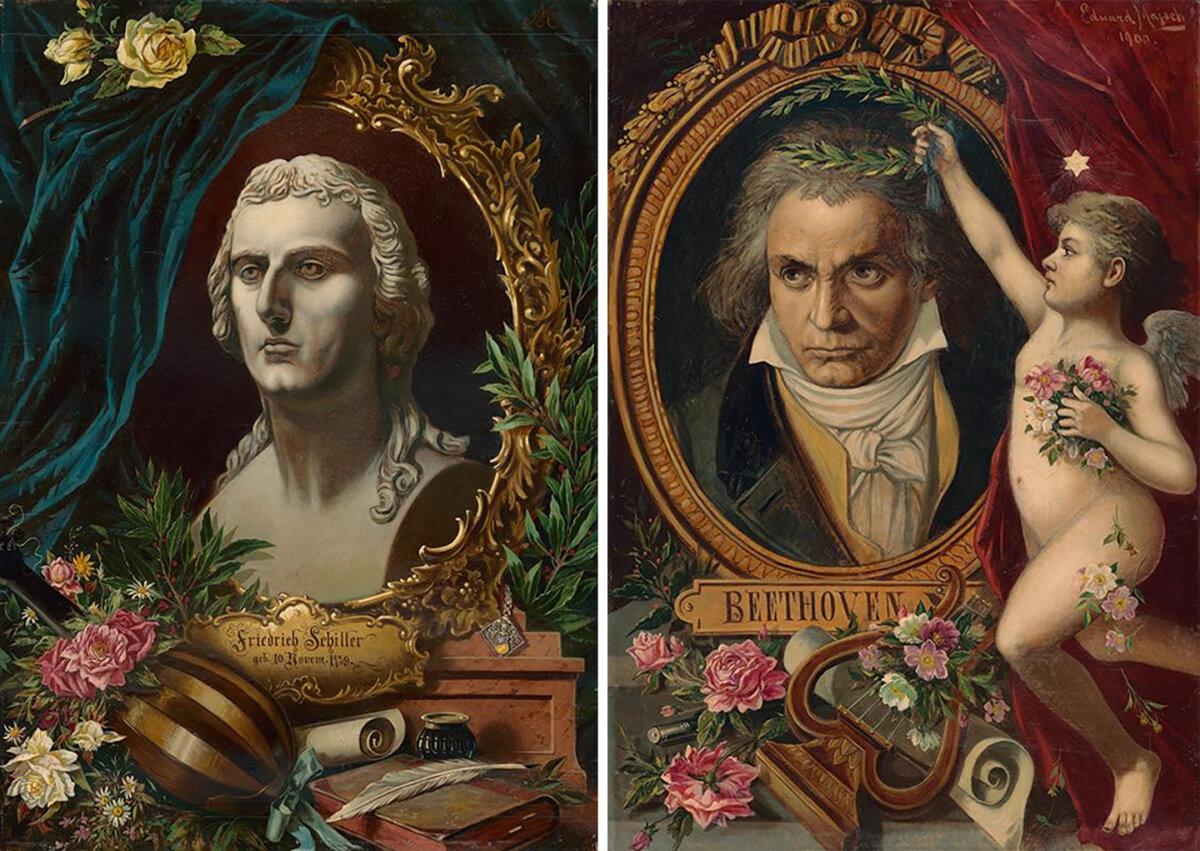
Before getting to how Beethoven influenced writers, we should mention the most famous example of a writer who influenced Beethoven.Joy, thou beauteous godly lightning, Daughter of Elysium, Fire drunken we are ent'ring Heavenly, thy holy home! Thy enchantments bind together, What did custom stern divide, Every man becomes a brother, Where thy gentle wings abide.
Schiller’s poem is pretty long, and Beethoven only incorporated about half of it. He cut out some hedonistic parts that reference kissing and wine. He also reordered it to move smoothly from the earthly to the heavenly sphere, ending with a description of the Creator beyond the stars.This much I grasp. The music that I’ve wrought Has left the words of Schiller much improved. In melody and harmony I’ve caught True brotherhood and God, and all I’ve loved. I could not face the audience for fear! But when I turned, I saw Vienna cheer!
‘The Kreutzer Sonata’
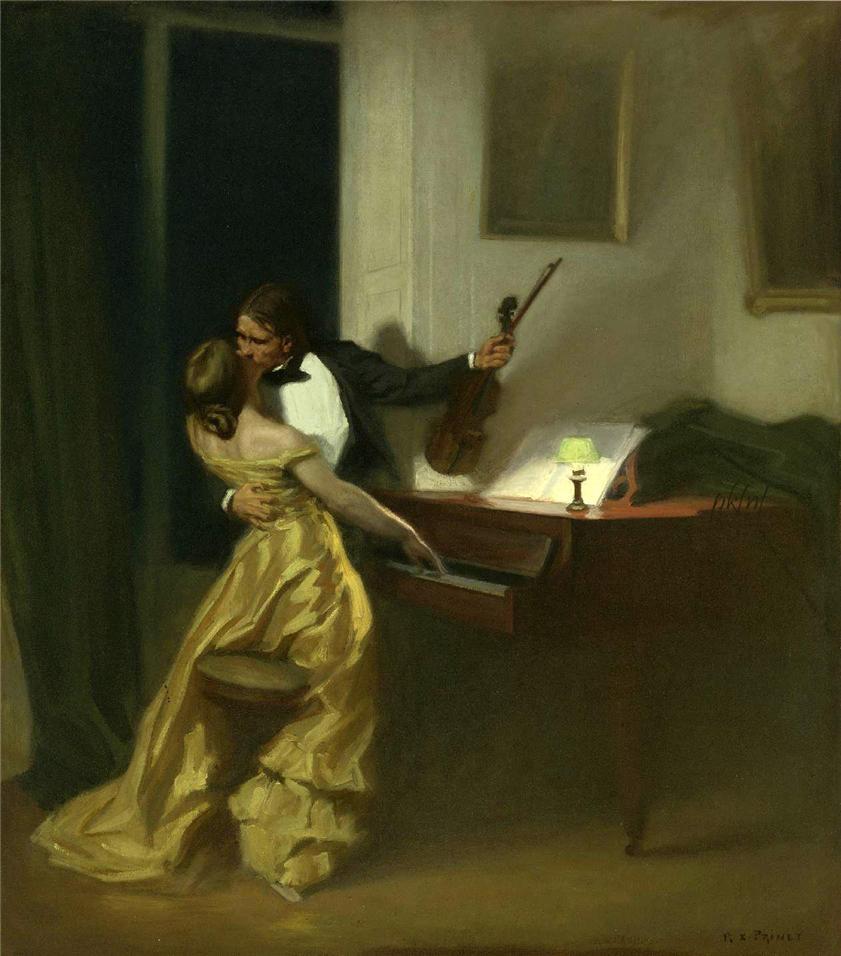
Leo Tolstoy’s novella “The Kreutzer Sonata” might be the most famous example of a work of literature inspired by a piece of music. The name is taken from Beethoven’s Violin Sonata No. 9, which he dedicated to the renowned French violinist Rodolphe Kreutzer. In Tolstoy’s story, the sonata becomes an expression of the main character’s jealousy toward his sensuous wife. In the central scene, this man, Pozdnyshev, describes hearing her accompany a violinist on the piano:“They played Beethoven’s ‘Kreutzer Sonata.’ … A terrible thing is that sonata, especially the presto! And a terrible thing is music in general. … They say that music stirs the soul. Stupidity! A lie!” Pozdnyshev argues that music “makes me forget my real situation. It transports me into a state which is not my own. … I really seem to feel what I do not feel, to understand what I do not understand, to have powers which I cannot have.” He concludes: “In China music is under the control of the State, and that is the way it ought to be.”
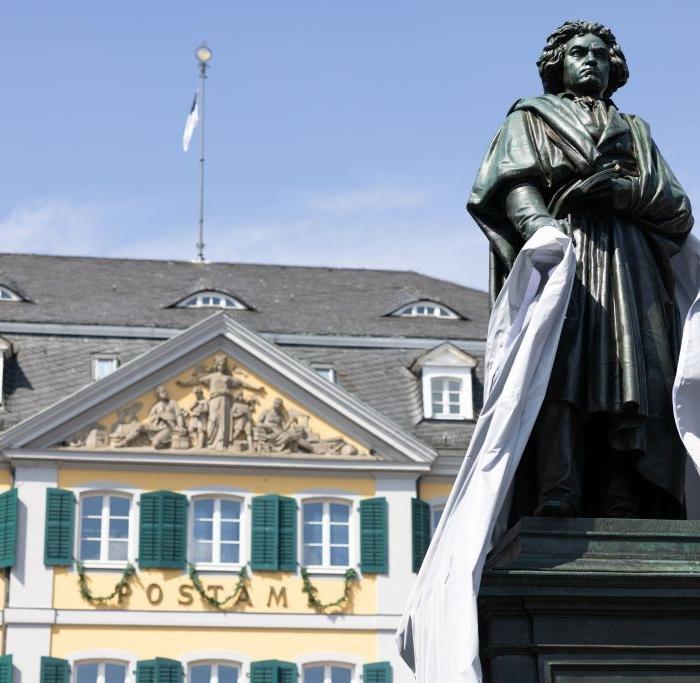
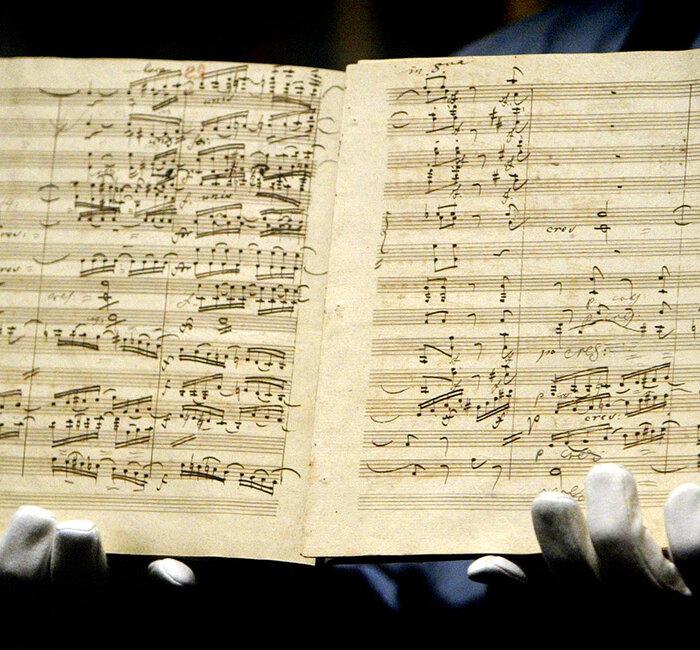
Something happens to Pozdnyshev upon hearing his wife play Beethoven, however, despite his radical opinions. As he listened, “the consciousness of this indefinite state filled me with joy,” and the music “transported me into an unknown world.” Although the story has a tragic conclusion, there was temporarily, “no room for jealousy” in Pozdnyshev’s heart.
‘Doctor Faustus’
Nobel prize-winning author Thomas Mann put a new spin on the tale of Faust, the age-old story where a scholar sells his soul to the devil. In his novel “Doctor Faustus,” the main character, Adrian Leverkühn, is a composer who makes an infernal pact to pursue novelties in musical style.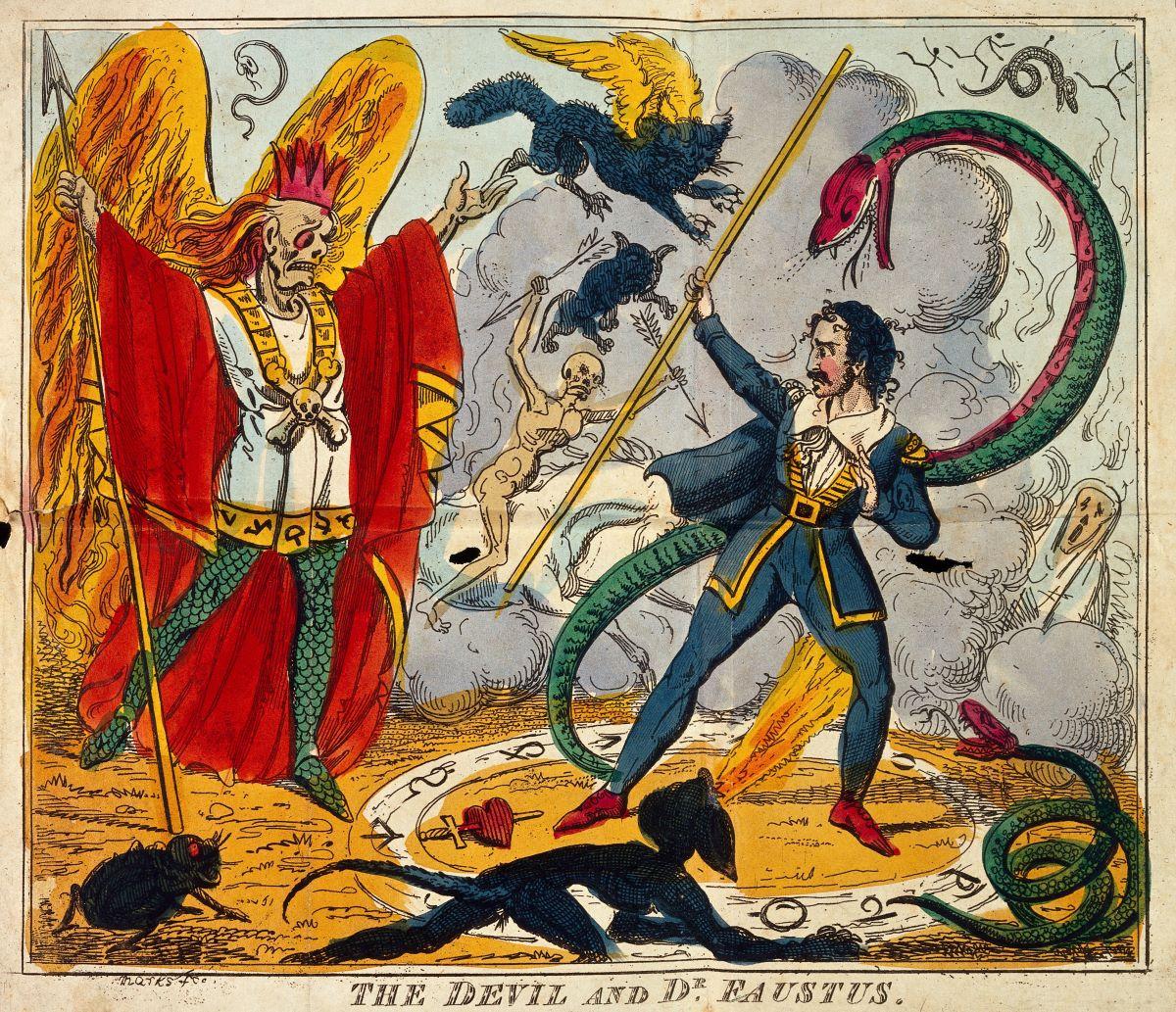
Beethoven features prominently in this book full of musical ideas and references. His Ninth Symphony even plays a crucial symbolic role in Leverkühn’s mental and moral downfall.
In Johann Wolfgang von Goethe’s “Faust,” the protagonist finds redemption. His soul is saved at the end, and he ascends to heaven through divine mercy. In Mann’s version, on the contrary, Leverkühn’s pact with the devil leads to madness and death. The ultimate catalyst for this is his final composition, a choral work titled “The Lamentation of Dr. Faustus,” intended to be a sorrowful negation of Beethoven’s “Ode to Joy.”
‘Four Quartets’
While T.S. Eliot is most famous for his pessimistic early work “The Waste Land,” his later poem “Four Quartets” is arguably his real masterpiece. In writing this work, Eliot was heavily influenced by his turn to Christianity. He also turned to Beethoven, saying of the composer: “There is a sort of heavenly or at least more than human gaiety about some of his later things. ... I should like to get something of that into verse once before I die.”The result was “Four Quartets,” a long poem with a five-part musical structure that mirrors the five movements of Beethoven’s String Quartet No. 15 in A Minor, Op. 132.
That wonderful line, “the still point of the turning world,” is usually interpreted as symbolizing God’s eternal presence. Though unchanging and existing outside of time, He sustains all motion.
By way of conclusion, we can do little better than to quote from E.M. Forster’s novel “Howard’s End.” In a celebrated section, he describes Beethoven’s Fifth Symphony as “the most sublime noise that has ever penetrated into the ear of man,” and that he “brought back the gusts of splendour, the heroism, the youth, the magnificence of life and of death.” This passage could just as well apply to all of the composer’s works.