For the Victorians, summer dressing was an art form, and no part of it demanded more precision than the accessories. A woman’s parasol could signal flirtation or disinterest through nothing more than the angle at which she held it. A man’s straw boater and ivory-handled walking cane did much the same work. These weren’t merely accessories; they were a vocabulary.
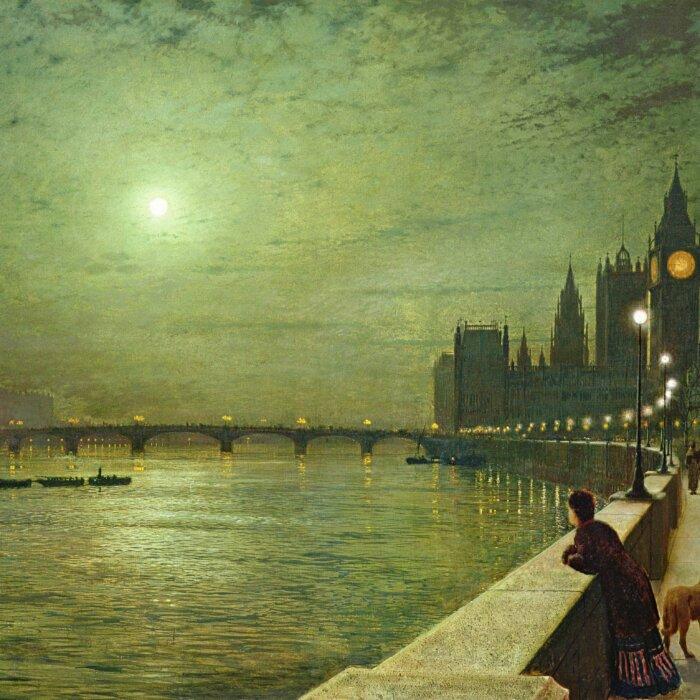
That vocabulary had a primary venue: the afternoon promenade. On the surface, this highly ritualized custom was simply a matter of strolling through urban parks and seaside esplanades. In practice, it was the serious business of seeing and being seen. Wealth, fashion, and social standing were on open display, and the rigid social networking that Victorian life demanded played out one careful exchange at a time. Every accessory carried weight in this setting. No detail escaped notice.
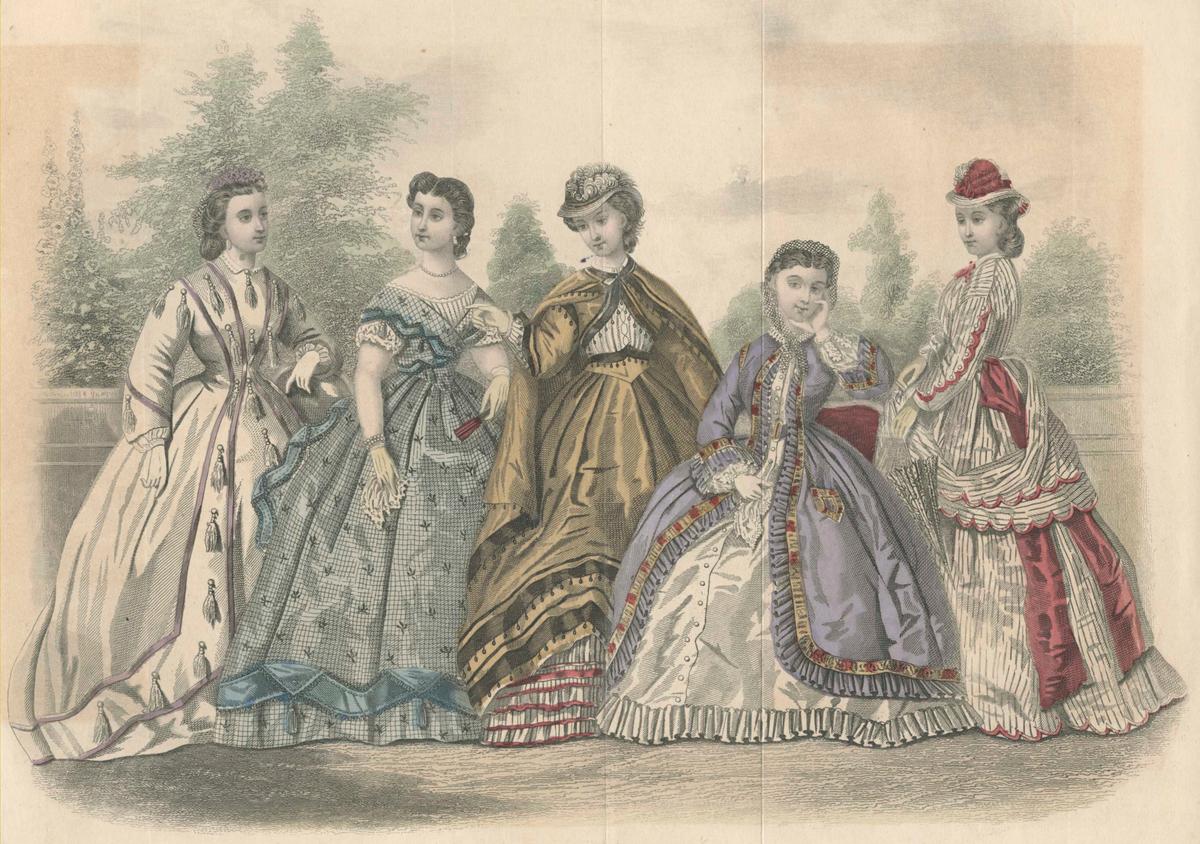
What makes Victorian summer fashion so compelling is how much it expected of ordinary objects. Across the six decades of Queen Victoria’s reign, from 1837 to 1901, the silent language of accessories grew increasingly elaborate, its rules carefully tended by the magazines and etiquette manuals that told a status-conscious public not just what to wear, but precisely how to wear it. Publications such as Godey’s Lady’s Book, Harper’s Bazaar, and The Englishwoman’s Domestic Magazine offered women fashion plates and detailed guidance on proper conduct.
The Parasol: More Than Shade
Few accessories have ever said quite so much about their owner as the Victorian parasol. The practical argument for carrying one was straightforward: Pale skin was a marker of the leisure class, proof that a woman did not labor outdoors. Sun exposure threatened that distinction, and a good parasol defended against it. But the parasol’s role quickly expanded far beyond complexion protection.Etiquette publications offered detailed advice to unmarried women on how the parasol could be used for coded flirtation. The way it was carried, angled, opened, or closed could signal interest, indifference, or an invitation, all without a single compromising word.
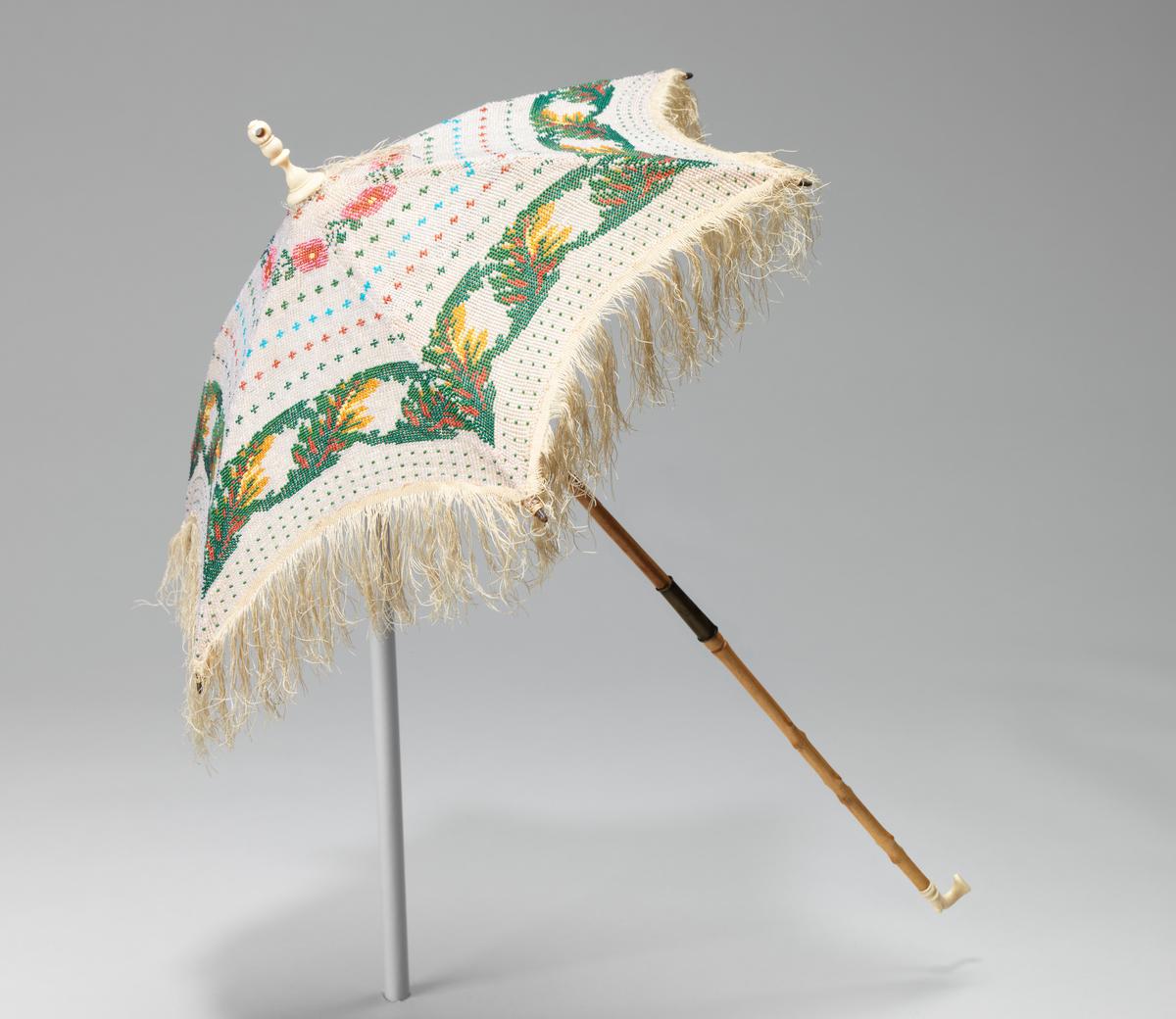
Queen Victoria herself helped popularize the carriage parasol in the mid-19th century. Designed with a hinged handle that allowed it to collapse for easy travel by coach or rail, it became an essential companion for the growing number of women taking journeys to the coast. When seaside holidays swept into fashion in the 1840s, they brought an entirely new consumer market with them, and parasol makers were among the first to profit.
By the 1860s, parasols had become objects of extraordinary refinement. Handles were crafted from carved wood, ivory, or bone, while canopies were cut from fine silk, taffeta, or cotton. Among the most popular styles was the marquise parasol, whose tilting canopy allowed a woman to shade her face at any angle without adjusting her posture.
The Fan and the Handkerchief: A Conversation in Gestures
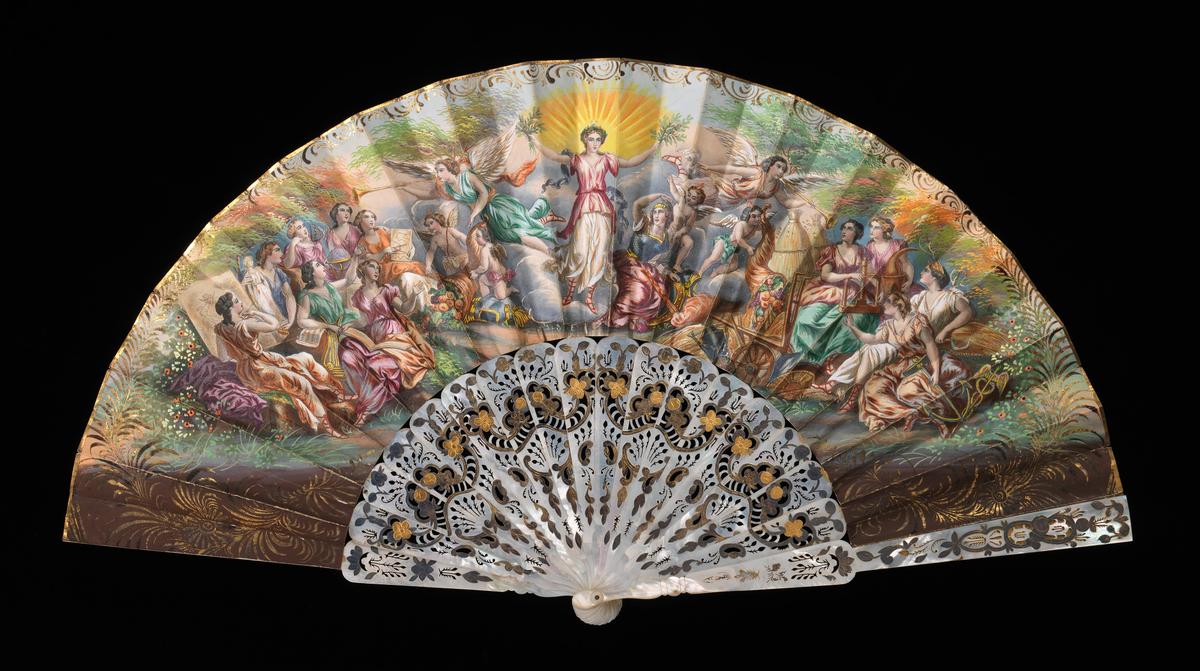
The fan and the handkerchief operated by similar principles, each offering a discreet vocabulary of gesture in settings where direct communication was firmly off the table. For women, opening a fan slowly, snapping it shut, or concealing one’s face behind it were all understood as a wordless conversation with a potential suitor. It was a genuinely useful system for women, allowing a degree of expressiveness within courtship’s rigid rules without the risk of appearing forward or improper.
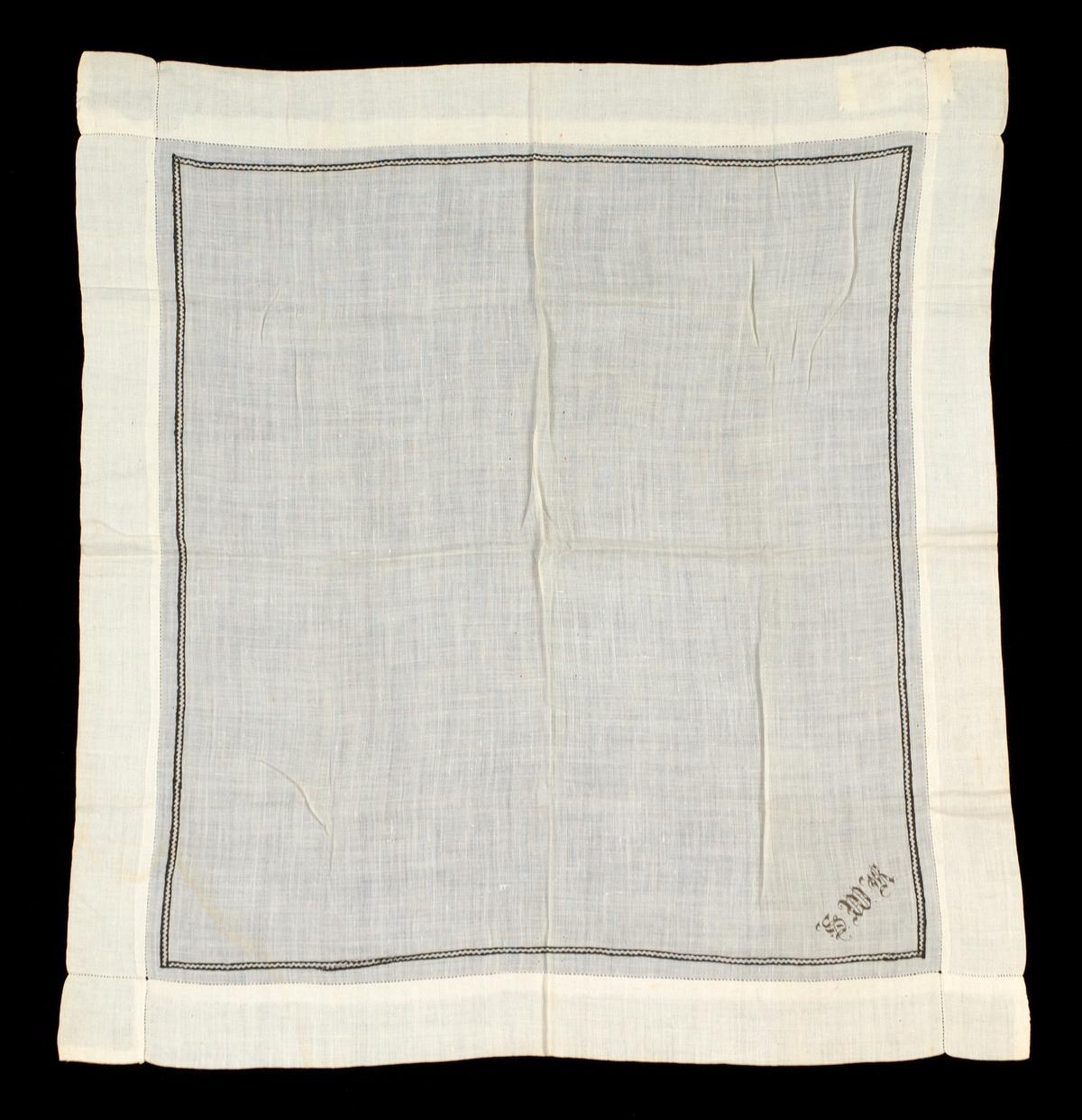
For men, the handkerchief carried a different but equally important weight. A gentleman’s handkerchief was expected to be immaculate; its condition read as a reflection of his personal standards and place in society. Etiquette manuals were emphatic on the point: A soiled or crumpled handkerchief was a mark against a man’s character, while a crisp, clean one tucked into the breast pocket signaled the kind of careful self-presentation that respectable society demanded.
Beyond appearances, the handkerchief also served as a gesture of gallantry. Offering one to a woman in distress was among the more intimate acts a gentleman could perform within the bounds of propriety, and the object exchanged in such a moment often took on a sentimental significance well beyond its practical use.
Hats: Straw, Status, and the Summer Holiday
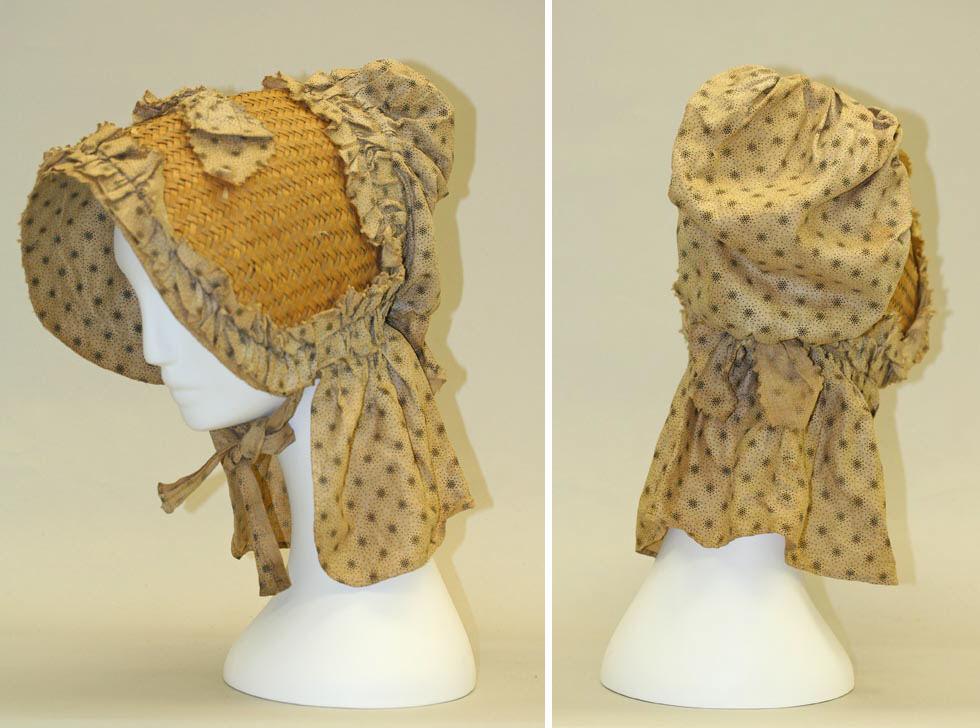
Summer headwear balanced fashion against function. Small, decorative hats were genuinely stylish throughout much of the Victorian era, but they offered little practical protection against the sun. For women, wide-brimmed straw and reed hats were the more sensible warm-weather option, usually trimmed simply enough to be worn on the beach or during outdoor sports such as tennis and golf. The leghorn bonnet, broad-brimmed and associated with a certain rustic elegance, was another summer alternative for those concerned about their complexions.
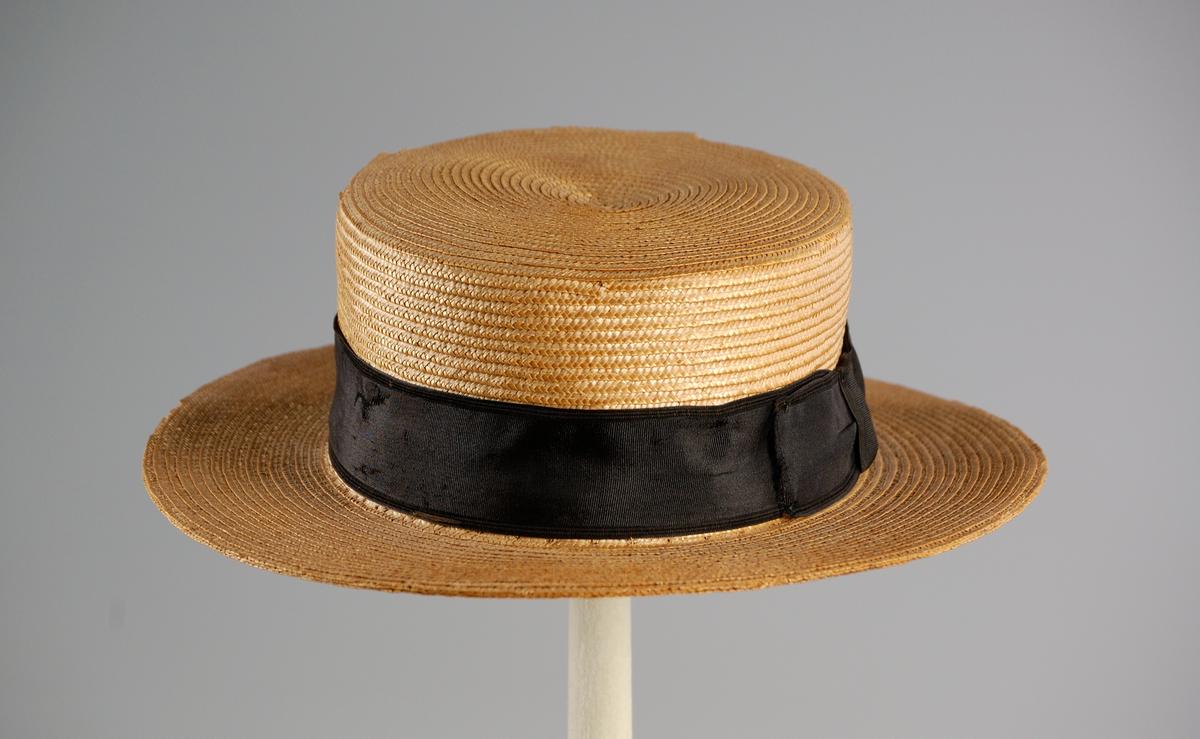
Men’s summer hats told a parallel story. The straw boater, crisp and flat-crowned, became one of the defining accessories of men’s summer style. Whether worn at the beach or during afternoon promenades, it occupied a specific social function: signaling that the wearer had leisure time to fill.
The Immaculate Glove: Appearance as Evidence
Gloves were non-negotiable for both genders throughout this era, although styles shifted considerably between them. For women, short gloves reaching just above the wrist were standard until the 1880s, when long evening gloves extending to the elbow became fashionable, fitting so snugly they functioned almost as a second skin. Light colors were typical, although black gloves gained a particular cachet in that decade.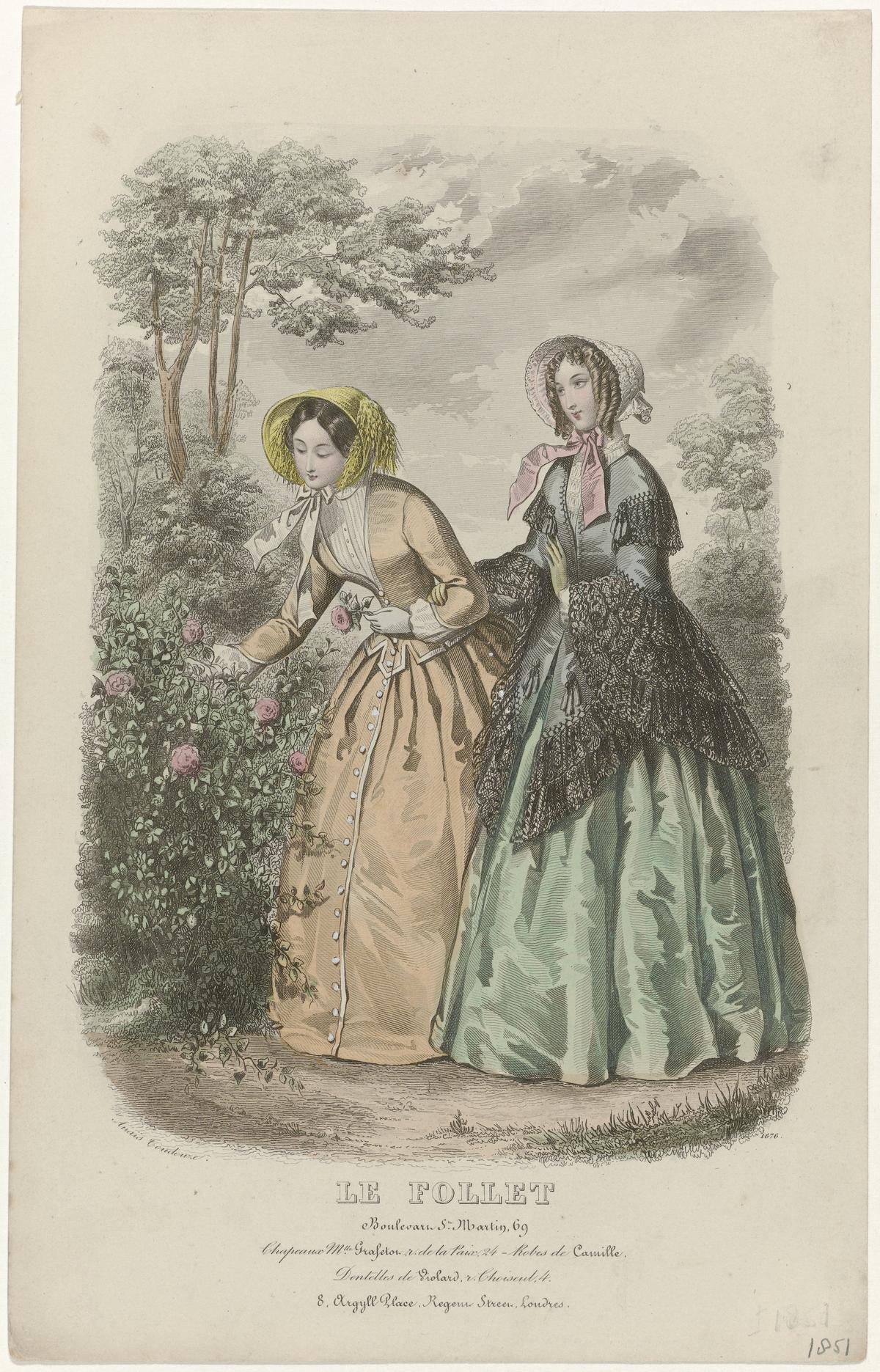
Men’s gloves followed their own logic: heavier leather for driving, fine kid in gray, brown, or black for general daywear, and white for evening occasions. At formal balls, gentlemen sometimes carried extra pairs to ensure that they remained impeccable throughout the evening.
The Cane and the Art of Being Seen
Of all the accessories a Victorian man carried on the promenade circuit, none did more work than the walking cane. Canes ranged from lightweight sticks with silver knobs to heavier models with crooked handles that came into fashion in the 1880s. The material and finish of a cane could also communicate class: oak versus ebony, a carved wooden finial versus a chased-gold finish. At a glance, a cane could tell observers nearly everything they needed to know about a man’s station.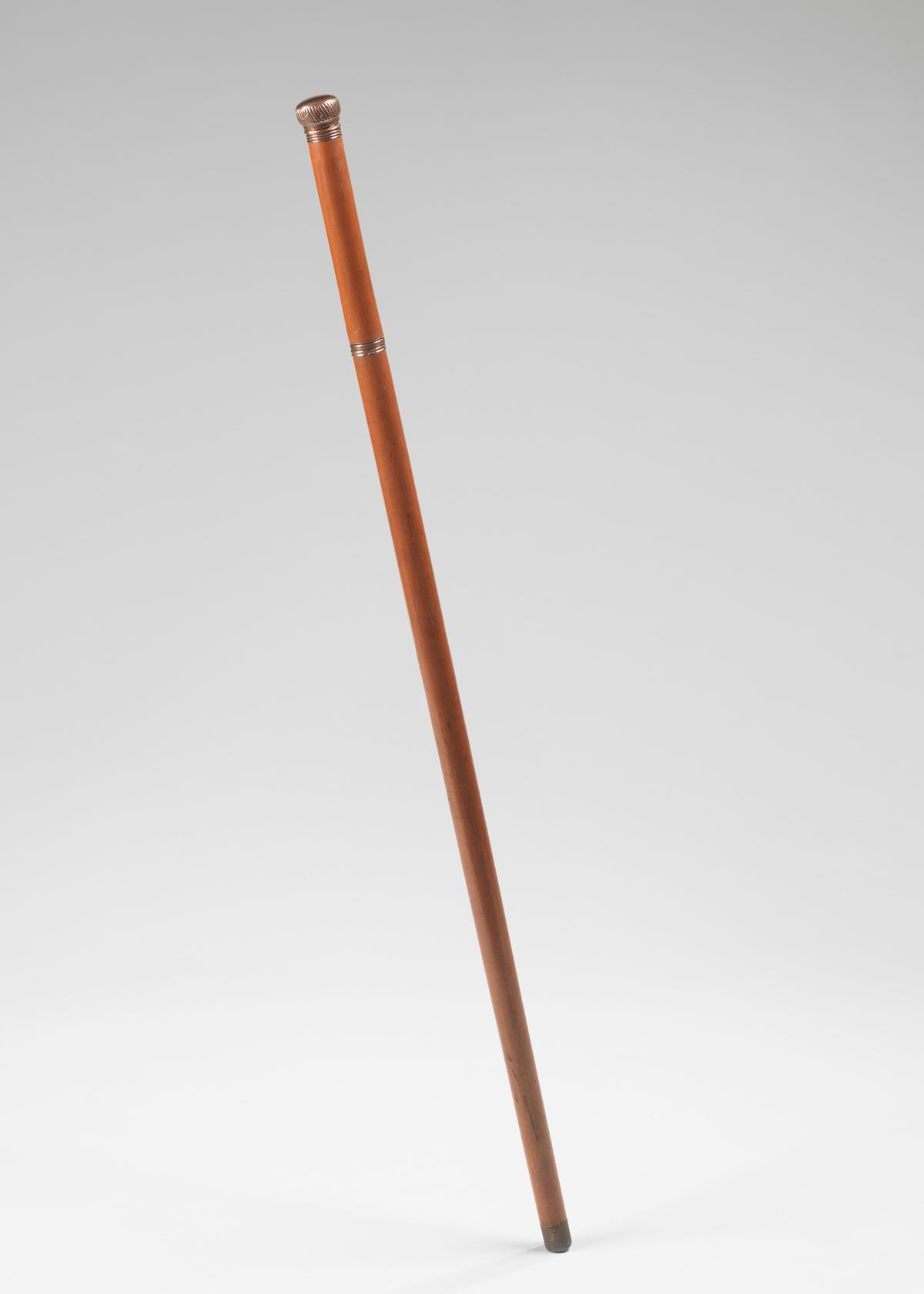
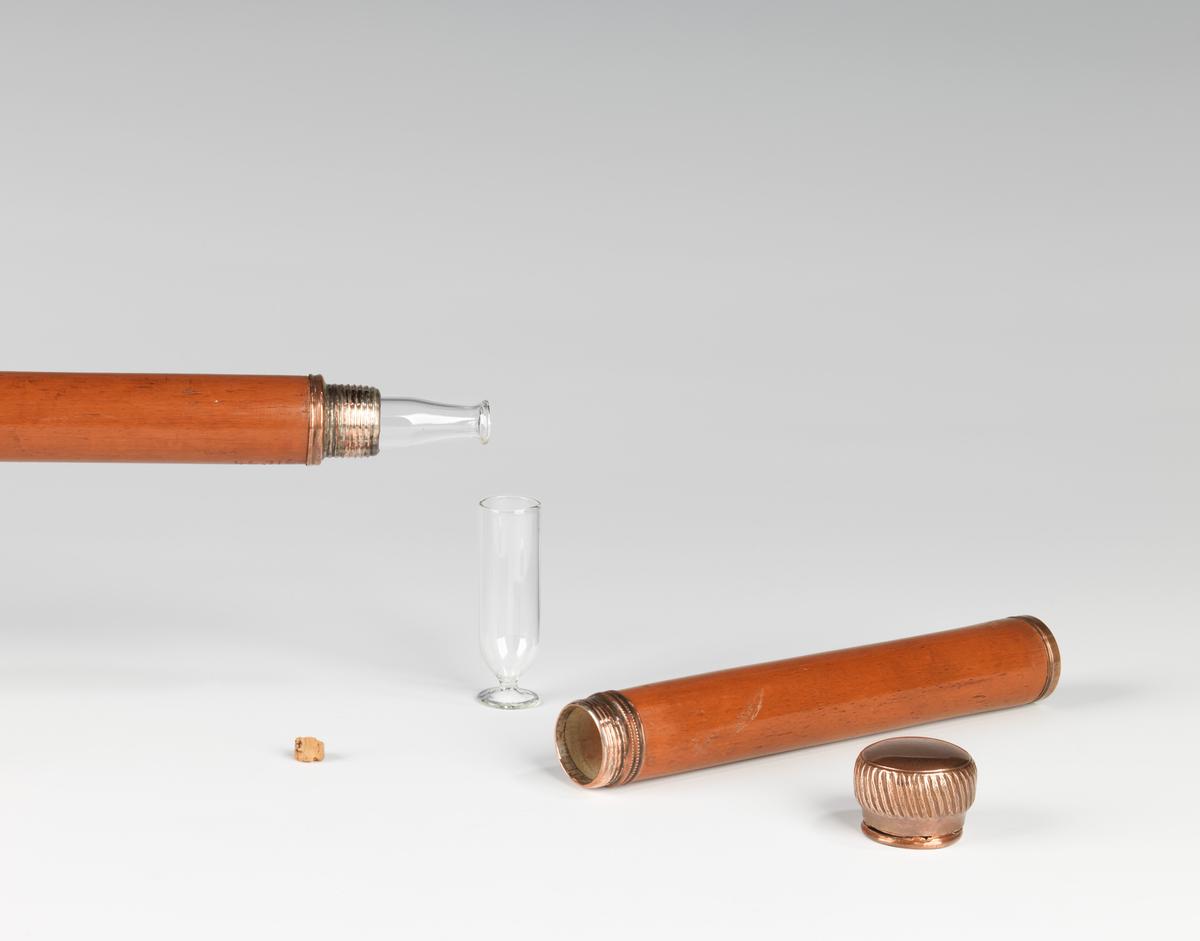
Some canes went further still. One surviving American example from 1885, now in a museum collection, conceals a 15-inch liquor vial and a footed glass within its shaft, functioning simultaneously as a walking stick and a portable bar. Other novelty canes of the period hid knives or swords. The walking stick, in other words, was not always what it appeared to be, which may have been part of its appeal.
One reason Victorian summer accessories proliferated so extensively was the changing economics of manufacturing. Industrial production made fine goods available to not only the upper classes but also the middle classes. This rapidly growing industry eagerly supplied consumers with the hats, gloves, and parasols, which were purchased in department stores and through mail-order catalogs.
The result was a society in which the language of accessories was widely spoken, from the aristocracy down to clerks and shopkeepers. Victorians across the social spectrum could now participate in the visual grammar of public life. A straw boater purchased from a shop on the high street could announce, at least for an afternoon, the same ease and leisure as one worn by a gentleman of independent means.
But accessories did more than signal class. This widening access to fashion was what made Victorians so attentive to quality and presentation: When the objects themselves became accessible, the manner in which one wore them became the true measure of distinction.