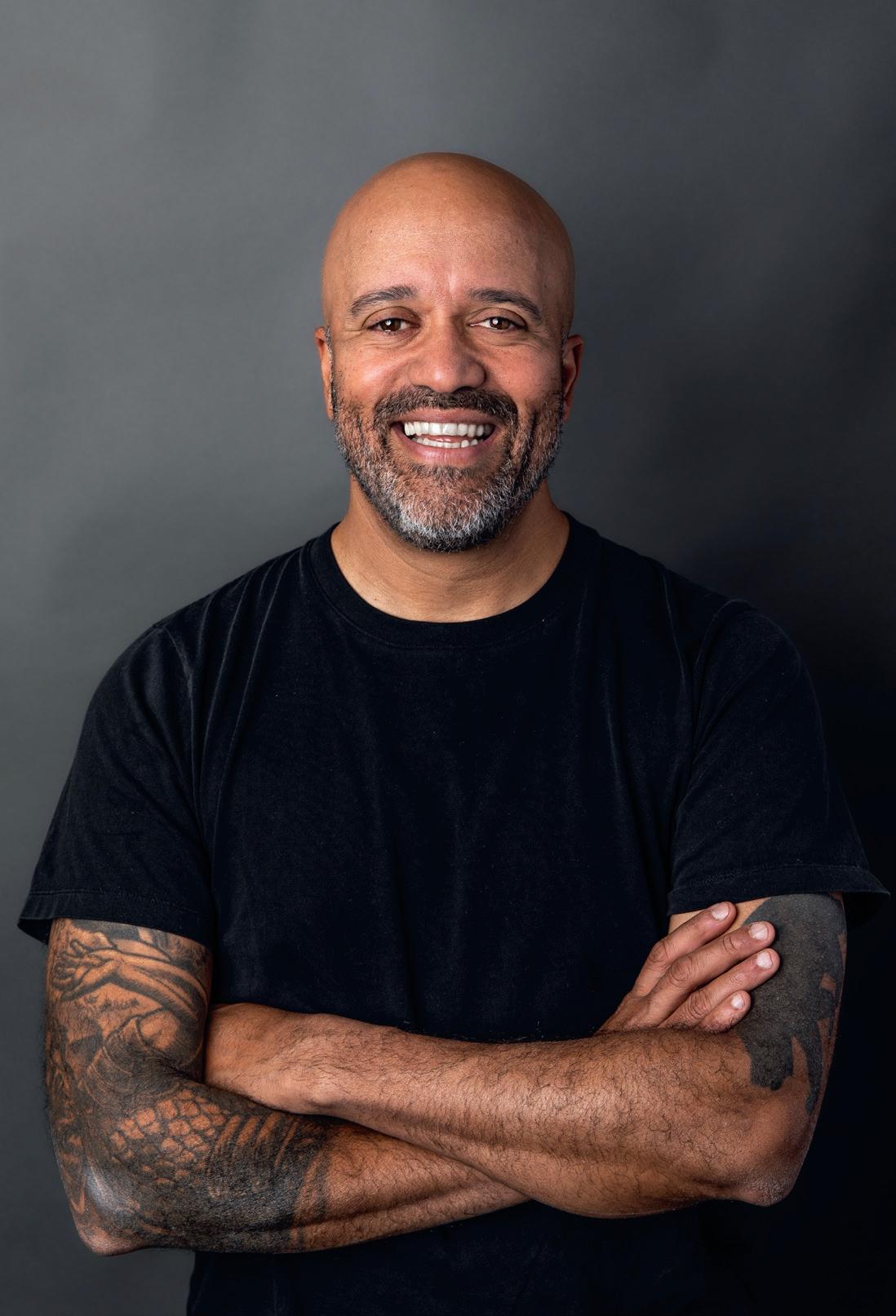
Bestselling author, podcaster, and global speaker Carlos Whittaker has a gift for reminding us how to connect with each other in a divided world.
Through his books, social experiments, and creative social media posts, Carlos Whittaker emphasizes compassion, empathy, and seeing the humanity in others, often delivered with a dose of humor. He brings strangers together through kindness, shared stories, and a genuine presence—whether that’s rallying his online community to help someone in need, starting honest conversations that bridge divides, or reminding people to see the human being right in front of them. Rooted in his Christian faith, his mission is to treat others with respect, no matter who they are.
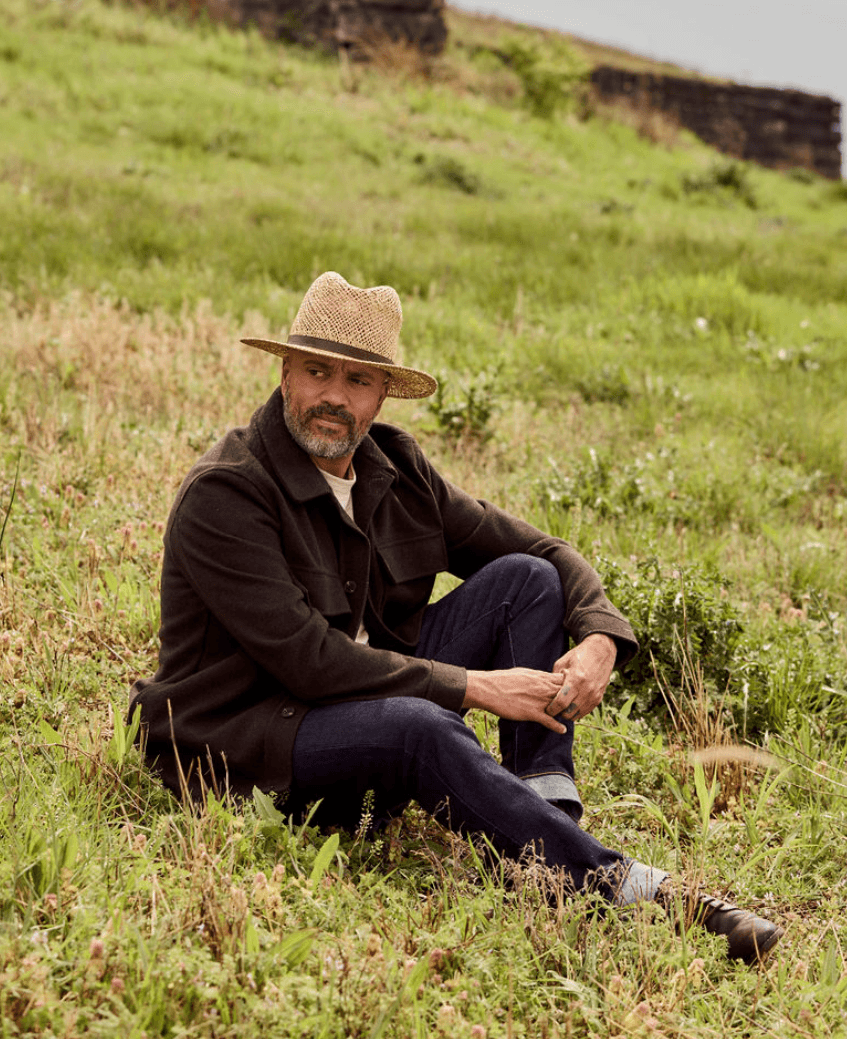


Things We’ve Lost Along the Way: Being Human
A former pastor and touring musician, Carlos Whittaker now reaches thousands of people through his musings on and offline. His highly rated podcast, where he often discussed family, faith, and the latest news topics, included guests ranging from his mom to a bipartisan political analyst. Meanwhile, his books “Moment Maker” (2014), “Kill the Spider” (2017), “How to Human” (2023), and “Reconnected” (2024), explored living purposefully, breaking the cycle of destructive habits, how to find the best version of yourself, and the benefits of digital detox.His most recent book chronicled his experiences living screen-free with monks and Amish farmers. He vividly detailed his seven-week-long experiment to detox from the digital world. Whittaker described tangible symptoms of withdrawal (night sweats, panic attacks) and the joys of rediscovering how to live without the burden of technology.
What drove him to undertake such a unique journey? It all began one Sunday in 2022 when Whittaker received his “notification of shame”—that weekly summary of phone use that pops up from features like Apple’s Screen Time or Google’s Digital Wellbeing.
“That Sunday, I decided to do the math,” he explained. “I'd been spending seven hours and 23 minutes a day on my phone.” That amounted to over 49 hours a week, and more than 100 days in a year. “If I live to be my dad’s age, 85 years old, I will spend over 14 years of my remaining life looking at my phone,” he said. “That’s when I thought, ‘This was not the way we were created to live.’”
“Initially, it was just going to be a two-week stay,” he said. “I was going to move to a cabin somewhere, not have a phone or any screens, and just try to live. And I thought, you know what? That’s actually going to make me go insane. The experiment isn’t about going insane. It’s about trying to live without a screen.” Whittaker then contacted Dr. Daniel Amen, renowned neuroscientist and founder of the Amen Clinics in Los Angeles. Whittaker asked him how long it would take for his brain to change if he went screen-free. The doctor estimated approximately two months.
The second part of Whittaker’s venture came about because of an Instagram follower whose husband was formerly part of the Amish community. When he told her about the experiment, she said, “You have to come live with the Amish.” But it wasn’t that easy—he was rejected by several Amish farms before finding one in Ohio that said, “Sure, you can live with us.”
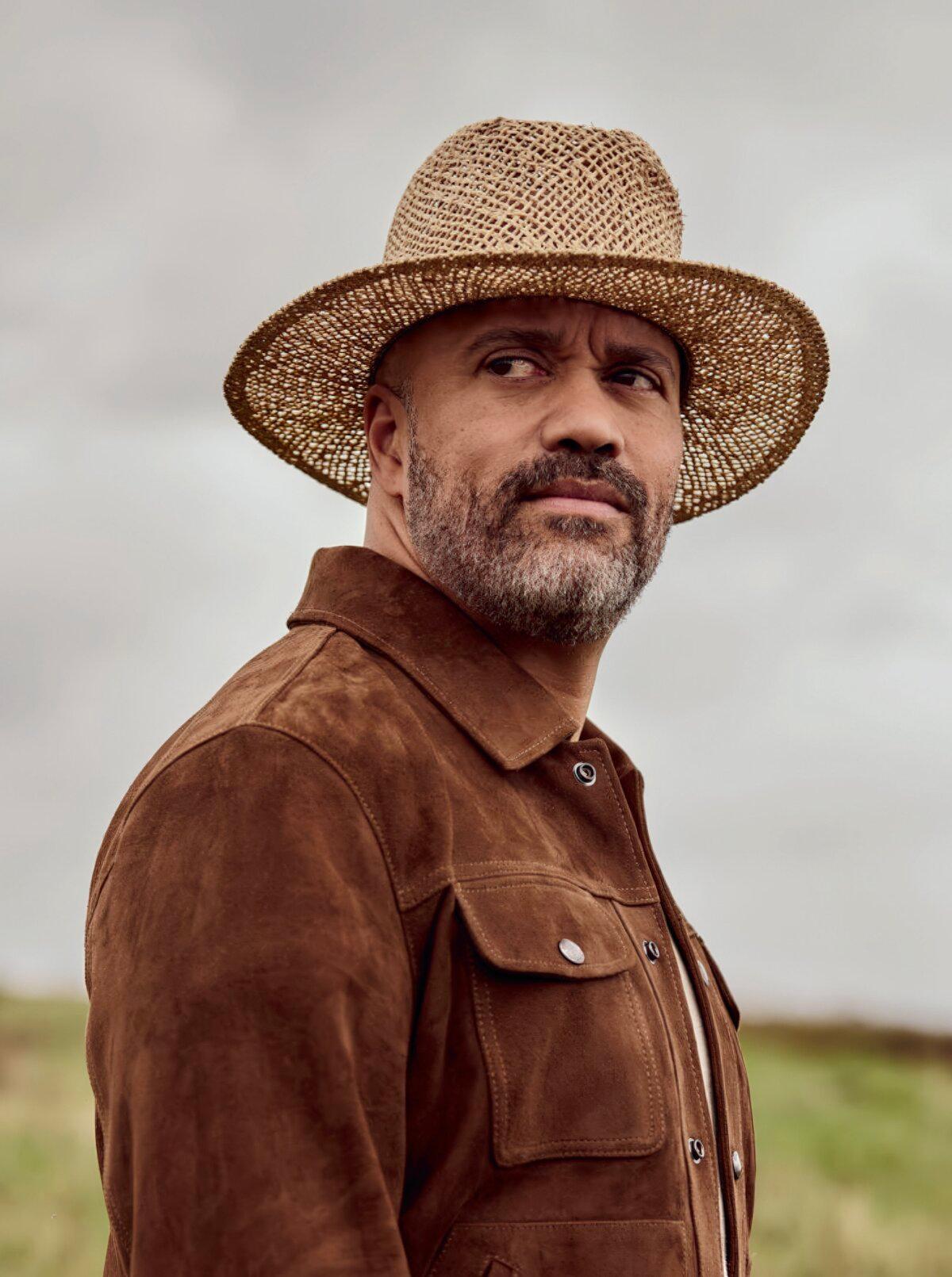
For the third and final part of his screen-free journey, Whittaker returned home to Nashville. This final phase lasted three weeks (including a one-week road trip to Yellowstone National Park). It focused on reintegrating lessons learned from the monastery and the Amish farm into everyday family life—no screens allowed. The result was that he had more thoughtful conversations and a rediscovered wonder in ordinary moments. He documented everything with a film camera—so as not to let digital technology seep in.
To get all the juicy details of his experiment, you’ll have to read the book. But if you want one jaw-dropping spoiler, the biggest revelation came from his before-and-after brain scans. Performed by Dr. Amen, the scans showed dramatic, measurable changes in Whittaker’s brain.