With the price of beef skyrocketing, chicken is becoming the backbone of the frugal kitchen. And why not? Chicken costs far less than beef and often less than pork too. Better yet, it’s useful right down to the bones.
Don’t Pay Full Price
Chicken is always on sale somewhere. If you don’t want to store-hop, watch for specials at your favorite market. Meat, fish, and poultry are frequently featured as weekly sale items. Eat what’s on sale, and when you spot a loss leader (priced exceptionally low to get shoppers through the door), stock up for the weeks ahead.
Buy Whole Chickens
The most economical way to buy chicken is whole. Not only will you save money, but also, chicken cooked with the skin and bones tends to be more flavorful and moist. A whole bird—even an organic one—often costs less per pound than boneless, skinless parts. And cutting up a chicken yourself is easier than most people think. Once you learn the basic steps, you'll wonder why you ever paid extra for someone else to do it. Plenty of online videos can show you how.
3-way Chicken

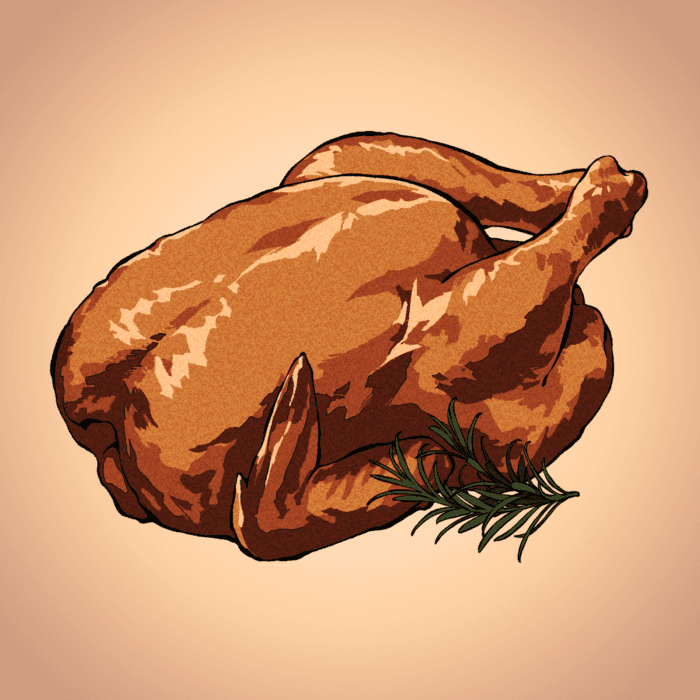
Whether you buy a whole raw chicken or pick up a rotisserie chicken from the deli, you’re looking at three meals from one bird. Dinner No. 1: Roast chicken. Dinner No. 2: Chicken pot pie, chicken salad, stir-fry, sandwiches, or burritos made with the leftover meat. Dinner No. 3: Homemade chicken soup made from the carcass. That’s stretching one purchase about as far as it can go.
Roast Whole Chicken
Preheat the oven to 450 degrees F. Remove anything from the cavity, and rinse the chicken inside and out. Pat dry with paper towels. Season generously with salt and pepper. Place half an onion and half a stalk of celery in the cavity. Set the chicken breast-side up in a roasting pan or baking dish. Place it in the oven and immediately reduce the temperature to 400 degrees F. Roast for about 1 hour without opening the oven door.
Check for doneness by inserting an instant-read thermometer into the thickest part of the thigh. The internal temperature should reach at least 165 degrees F. If not, return it to the oven for another five to 10 minutes and test again. Let the chicken rest for 15 minutes before carving.
Storing Fresh Chicken
Fresh chicken should be cooked within two days or frozen for longer storage. Properly frozen chicken can maintain good quality for up to nine months.
How to Freeze
Chicken can remain in its original packaging for up to two months in the freezer. For longer storage, wrap it again with freezer paper, foil, plastic wrap, or freezer bags. Consider packaging individual portions before freezing so you can thaw only what you need.
How to Thaw
Never thaw poultry at room temperature. The safest method is in the refrigerator, allowing about five hours per pound. For faster thawing, place the chicken in a leakproof bag and submerge it in cold water, changing the water every 30 minutes. Never use hot water, which encourages bacterial growth.
When it comes to value, few foods work harder than chicken. One bird can provide multiple meals, a pot of soup, and enough leftovers to make tomorrow’s dinner easier than today’s. That’s the kind of math I like—simple, practical, and delicious.