NR | 2h 2m | Action, Adventure, History | 1965
With Toshiro Mifune leading the cast in “Samurai Assassin” and Kihachi Okamoto behind the camera, the film carries the ingredients of proven talent that takes viewers on a distinct journey.
Director Okamoto’s range, from the biting satire of “The Human Bullet” (1968) to the sharp-edged wit of “Kill! (1968), set a precedent for works that could both entertain and provoke. Here, his touch results in a period drama that balances intrigue with precise visual craft, positioning it as a notable entry in the jidaigeki (Japanese period films) tradition.
The narrative situates the film just before the Meiji Restoration (1868), a moment when Japan’s centuries-old system of shogunate rule was unraveling. The story doesn’t simply rely on broad historical markers but rather places its characters directly in the vortex of political upheaval. At this crossroads, where traditional samurai culture was beginning to clash with modernizing pressures from the West, questions of loyalty and authority was immediate and often violent.
The film’s setting of 1860 Edo (Tokyo) isn’t just a backdrop, but a charged environment where rumors of insurrection moved as swiftly as sword blades. The film follows those bent on eliminating Lord Naosuke Ii (played by the famous kabuki actor Matsumoto Hakuo). Ii is the “Great Elder,” a man whose authority was rivaled only by his notoriety. His policies of opening Japan to foreign contact and harshly suppressing dissent earned him both influence and infamy, marking him as a natural target for would-be assassins.
Political Intrigue in Edo
The film begins with blades sharpened and tempers high. Assassins are stamping their feet in the snow while waiting for a certain official—none other than Ii Naosuke—to appear at a gate in Edo. When nothing goes as planned, suspicion quickly turns inward. Soon attention lands on two possible unsuspecting characters.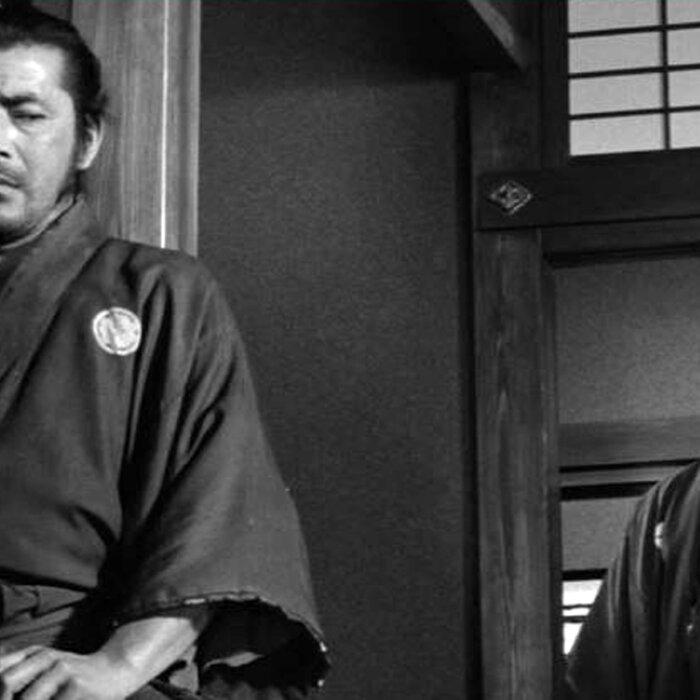
Tsuruchiyo Niiro (Toshiro Mifune) is a restless ronin who dreams of finally being taken seriously as a samurai. Einosuke Kurihara (Keiju Kobayashi) is a warrior-scholar whose head is full of European ideas that don’t exactly make him popular with sword-wielding traditionalists.
Mifune’s Niiro makes a comically rough entrance, less a noble warrior and more of a scruffy schemer. Beneath his crude exterior is a man shaped by denied opportunities: thwarted love, unacknowledged lineage, and a banishment to society’s margins. Although an exceptional swordsman, he also favors sake, fast women, and risky gambits. He clings to the hope that one bold move might finally earn him the samurai status he believes is rightfully his.
Missteps and Revelations
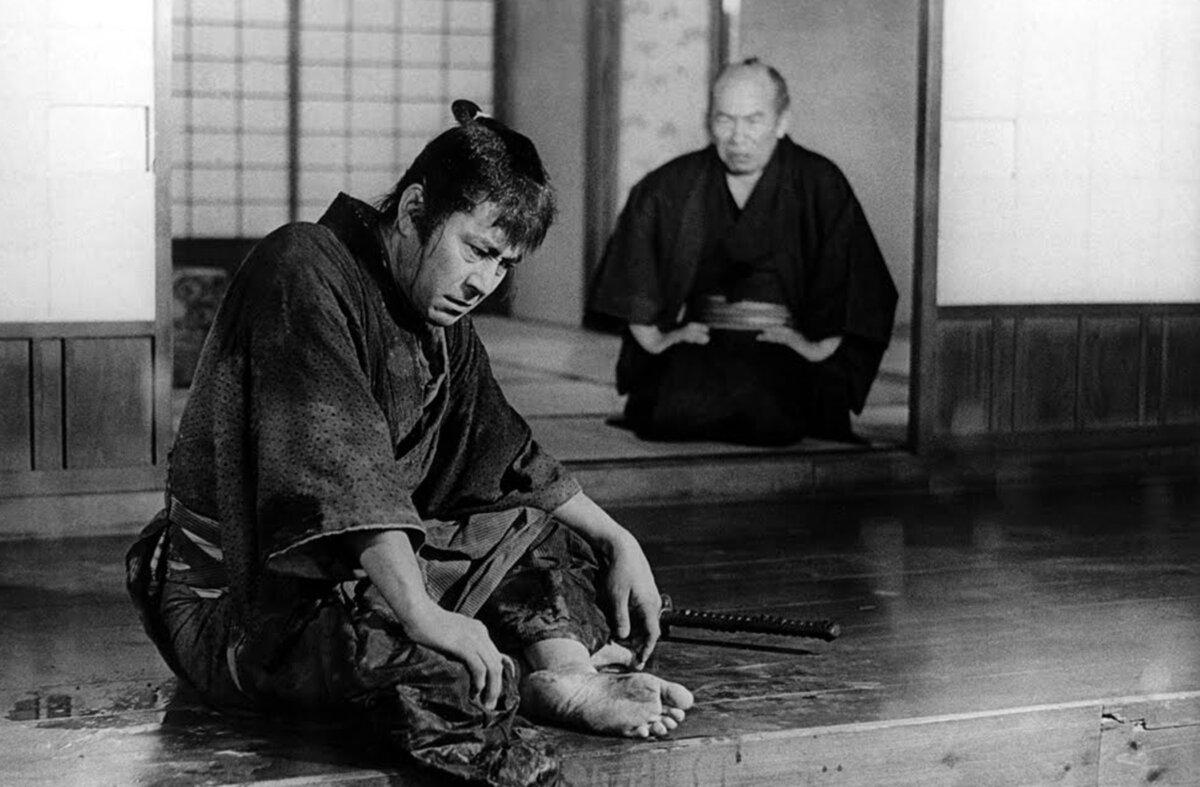
Mifune’s Niiro initially gives the impression of a familiar roguish type: gruff, sly, self-serving, and perfectly capable with a katana. But Mifune injects him with a vulnerability that sneaks in. This comes through when Niiro stumbles through the rain-soaked streets, sandal in hand, or makes a mess of his own schemes.
His upbringing under Tono’s kindly but constrained father figure, and the withheld secret of his noble parentage, sets him up for misadventures that are as much about missed information as misjudged (and tragic) swordplay.
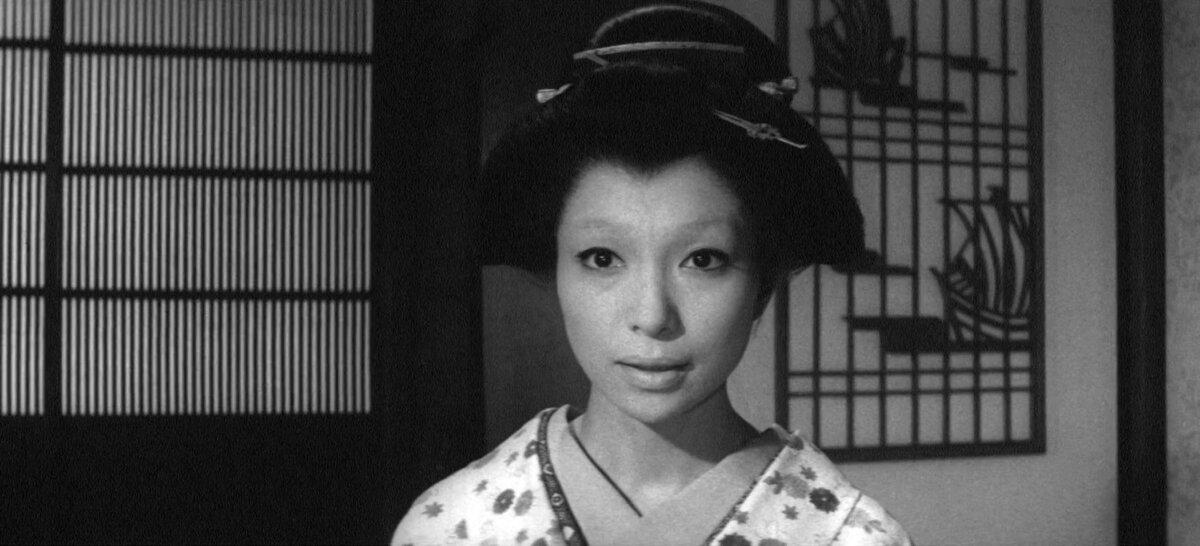
Michiyo’s Okiku adds a feminine touch; she keeps Niiro on his toes as he barrels toward choices that are both reckless and absurdly inevitable. Kobayashi’s Kurihara serves as Niiro’s friend and intellectual foil; he’s someone who sees the larger picture while Niiro barrels forward blindly.
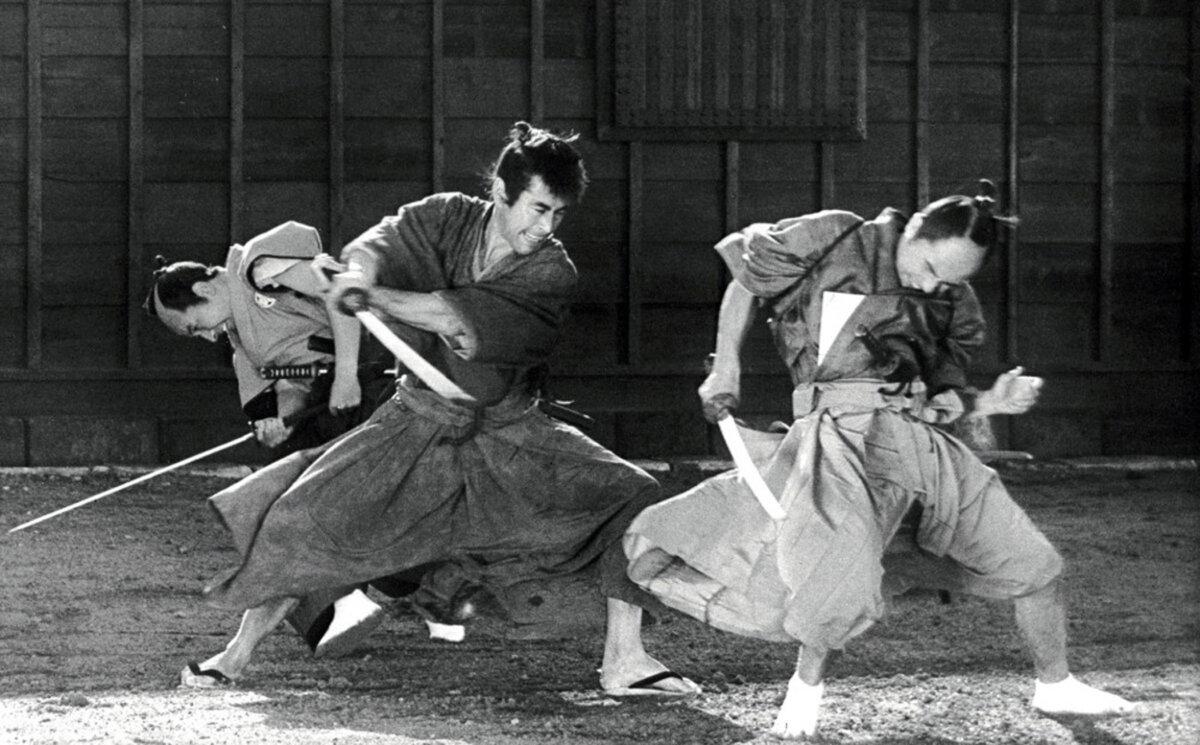
The film’s black-and-white cinematography by Hiroshi Murai and its playful yet sharp framing add a visual delight. Snow and rain punctuate Niiro’s misadventures, while camera angles highlight just how absurdly precarious his schemes are. It’s a layered comedy of errors, where the timing of exposing small truths could have prevented large disasters.
Mifune’s performance carries the film, balancing brute force, foolish bravado, and glimpses of genuine warmth. Whether interacting with Kurihara’s measured logic, Kisoya’s patient guidance, or sharp-witted Okiku, Mifune’s character is a study in contradictions.
The result is a historical tale that’s more about human quirks and ironies than grand proclamations. If someone had handed Niiro the truth a little sooner, he might have avoided all the chaos. But then, where would the entertainment be?
“Samurai Assassin” is a uniquely enjoyable blend of history, personality, and cinematic style. Mifune dominates, but the supporting cast, mainly Kobayashi, Tono, and Aratama, give him plenty to play off of.
The film rewards both attention and a sense of humor. Even decades later, Niiro’s chaotic charm remains a delight to watch as he stumbles, schemes, and occasionally impresses along the way.