There’s something truly special about train travel. Very likely it’s the sensory elements: the feeling of rocking down the tracks, the clickety-clack sound, the scent that I call—for lack of a better term—“train smell,” the enchanting mélange of creosote and diesel fumes and hot steel. Traveling by rail has, for centuries, been a total auditory, olfactory, visual, and tactile experience.
But it’s more than that, I think. Part of the enjoyment is locked to the fact that once you’ve boarded a railcar, there’s little else to do. Yes, we have our iPads and phones and enough work and entertainment to get a long way down the track. But with, say, a cruise ship, you can always get up and explore the buffet or see a show. With a car? You can take the next exit and find yourself a tank of gas, a Slim Jim, and a new pair of cheap sunglasses. And although I guess the same could be said for planes and buses, they’re not nearly so much fun (especially the latter).
There’s just something about a long journey by rail, which—even in our age of speed and urgency—still somehow holds its romance.
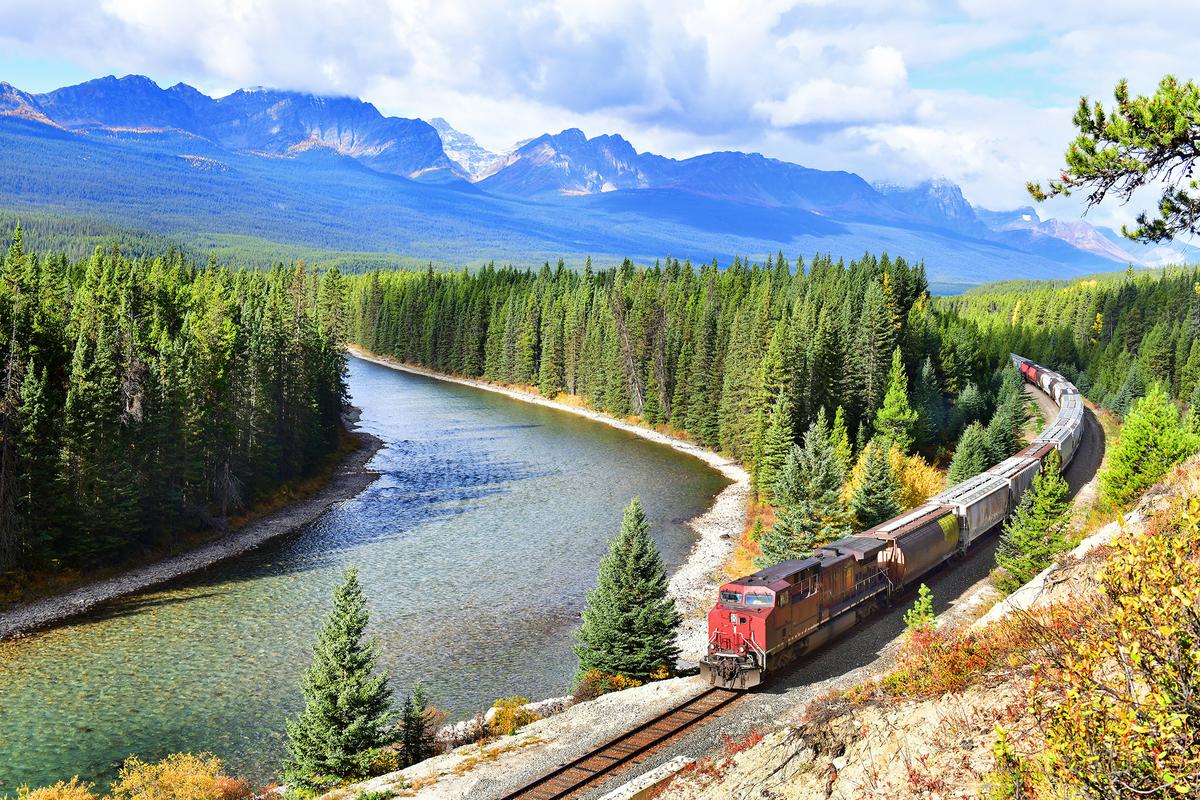
The Canadian (Canada)
Unlike any other form of transportation, the railway played a unique role in uniting nations. In Japan, ever-faster, smoother, more modern trains were key to that country’s rebuilding. In Russia, a ribbon of steel brought together a landmass spanning an incredible eight time zones and two continents. And of course, the wild American West was transformed from the moment in 1869 when Leland Stanford drove home the Golden Spike, completing the transcontinental railway in Utah Territory.The same was true for Canada. There, the Last Spike of the Canadian Pacific Railway was pounded into place in British Columbia in 1885. And although many tons of freight still travel over these tracks, riding them as a traveler is a great pleasure.
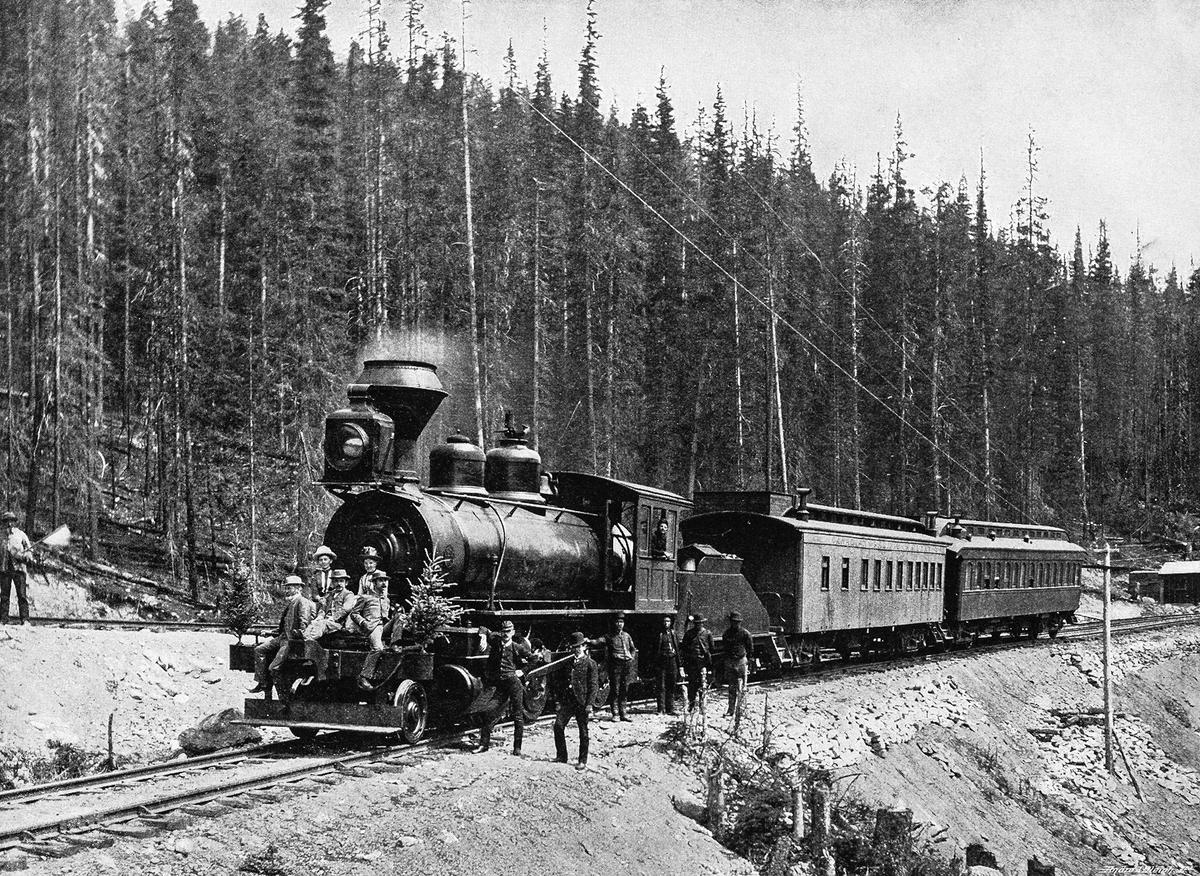
Early on, those who constructed the rail system here realized that tourism could fill trains. So they built a rather remarkable chain of hotels all along the tracks. Today, most of these are historical landmarks and true castles, from the Fairmont Banff Springs, set in a Rocky Mountain valley, to the Le Château Frontenac, soaring way up high over the St. Lawrence River.
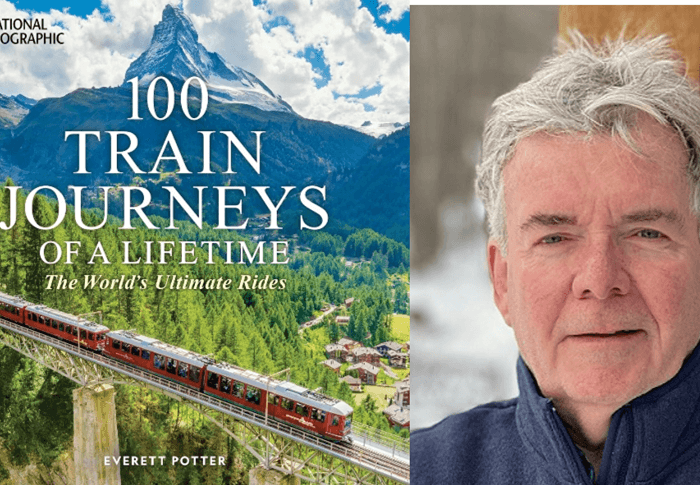
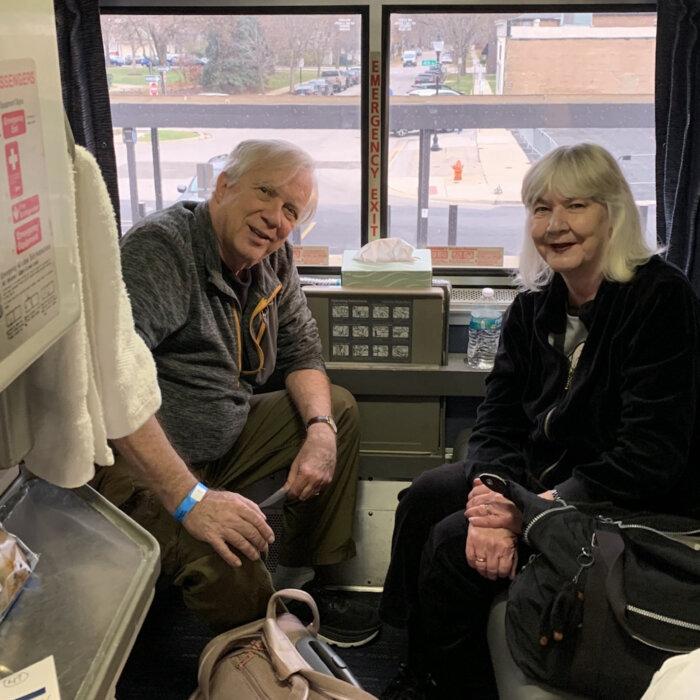
Part of Via Rail, Canada’s national passenger train system, The Canadian route departs from Union Station, the country’s busiest transportation hub that handles hundreds of thousands of passengers daily. Over the course of four days and nights, you’ll pass westward through all sorts of dramatic landscapes—boreal forest and shimmering lakes, wide-open skies on the prairies, snow-capped peaks and temperate rainforest—before descending to the Pacific Ocean.
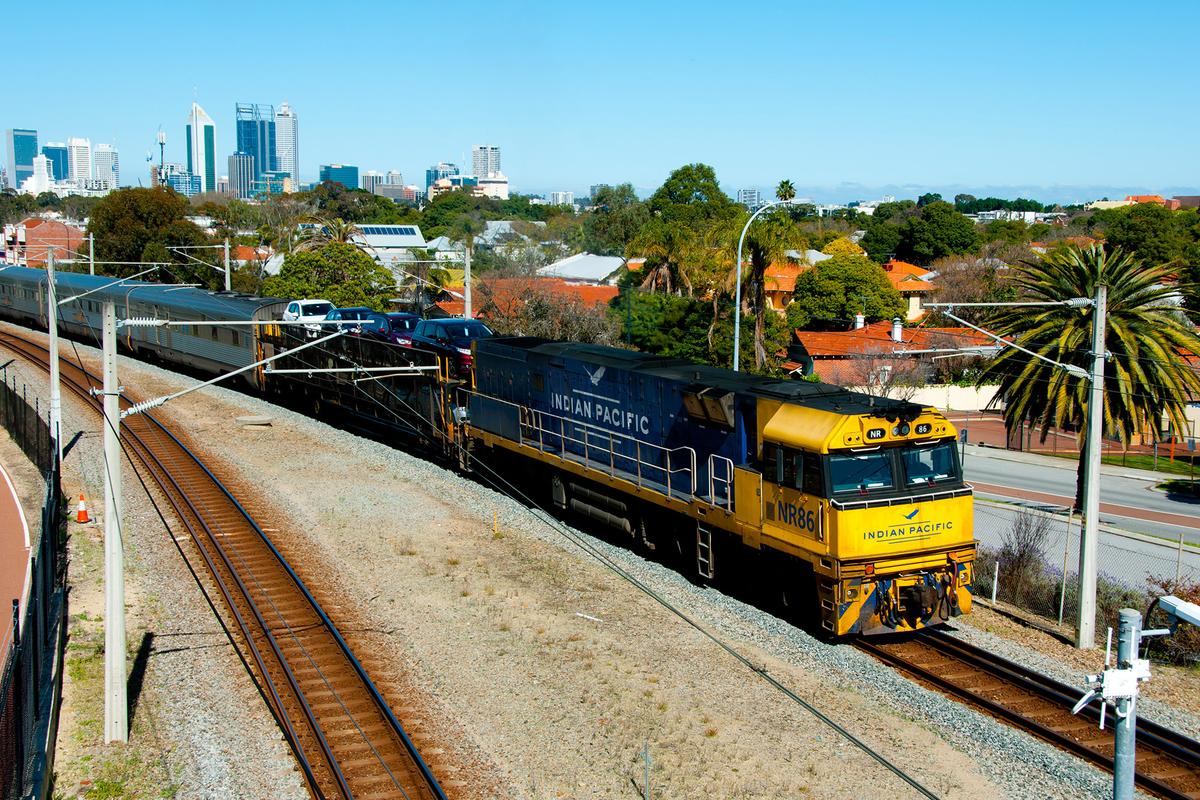
The Indian Pacific (Australia)
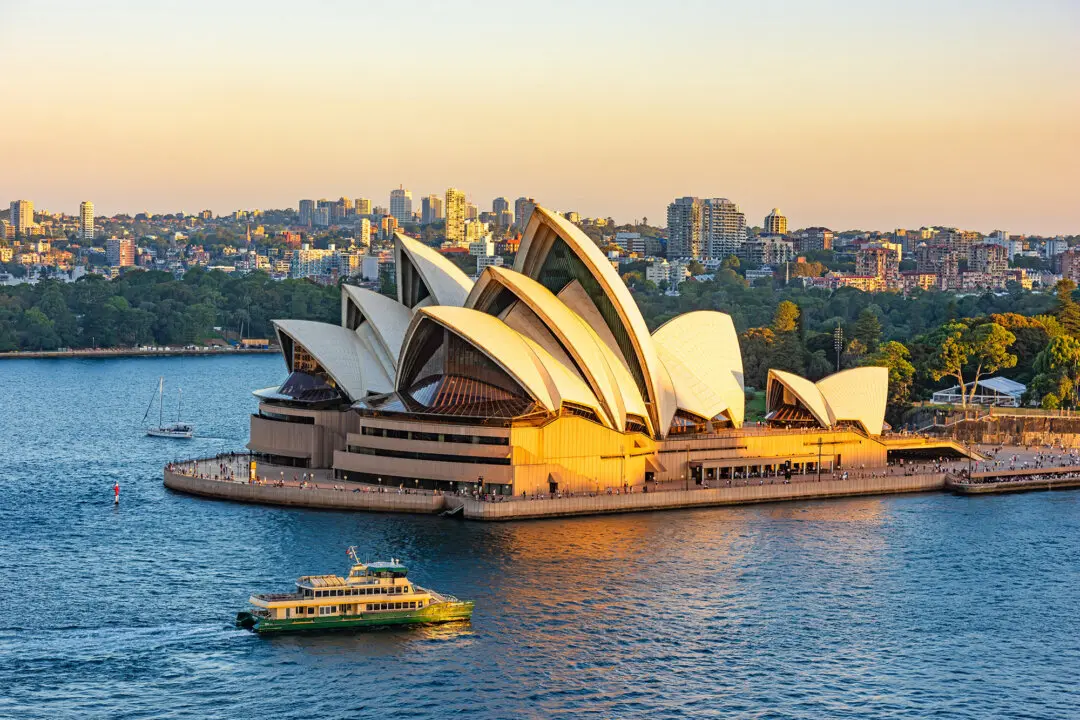
Australia’s icons are many and unmistakable: the soaring span of the Sydney Harbour Bridge and, just around the corner, the white “sails” of perhaps the most famous opera house in the world. There are also the waves rolling onto Bondi Beach and the waters down at St. Kilda in Melbourne.But the truth is, Oz is very much a coastal country. Up to 90 percent of Australians live within about 30 miles of the ocean. This leaves a vast, arid, fairly unexplored portion that locals tend to call the “red centre.”
The Indian Pacific rolls right through the heart of it. It’s one of the only true transcontinental routes on earth. Making tracks all the way from the Pacific Ocean in Sydney to the Indian Ocean in Perth, the train traverses more than 2,700 miles.
The Coast Starlight (United States)
Really, truly, it’s the stuff dreams are made of.The track dances along the tops of sea cliffs. The sun splashes over the Pacific. The lights of Los Angeles are coming up, just ahead.
Although the word “Amtrak” may not conjure any particularly exotic images, the Coast Starlight really is a wonder. The route has operated since the formation of the company in 1971. The experience begins in Seattle, where passengers board the train in a charmingly old-timey train station originally built in 1906.
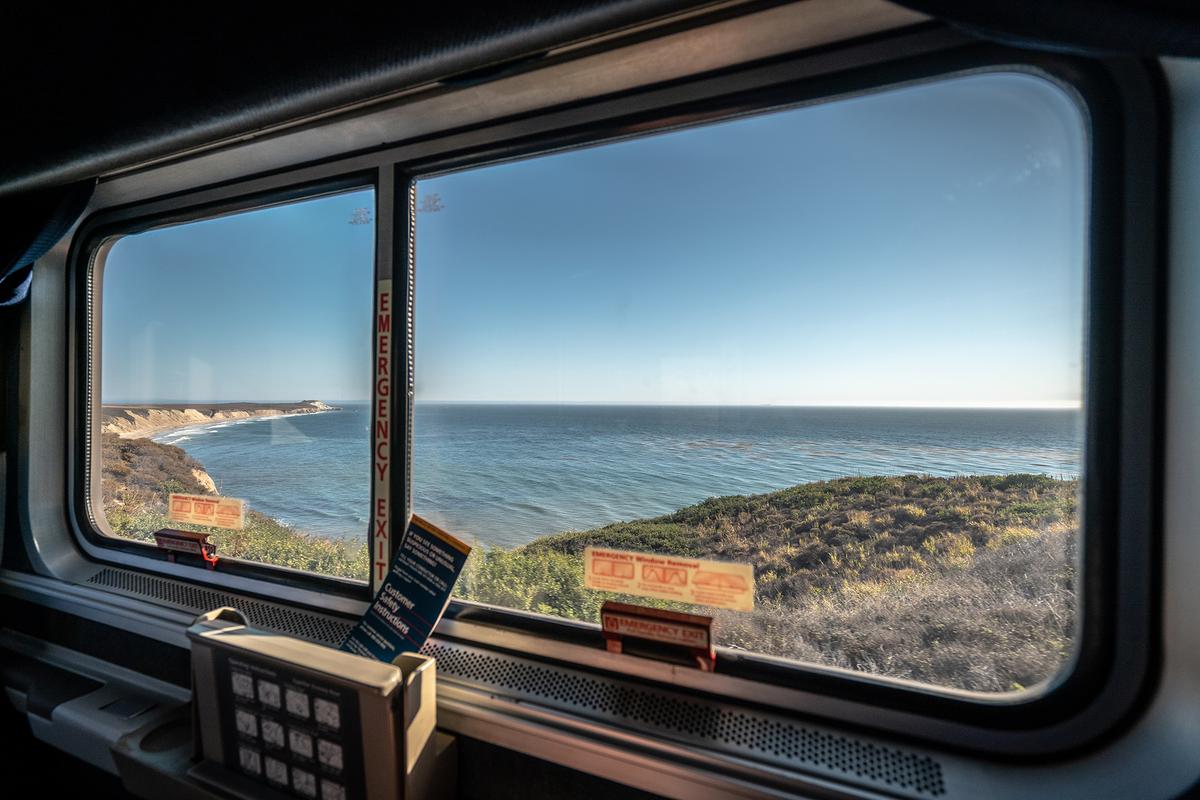
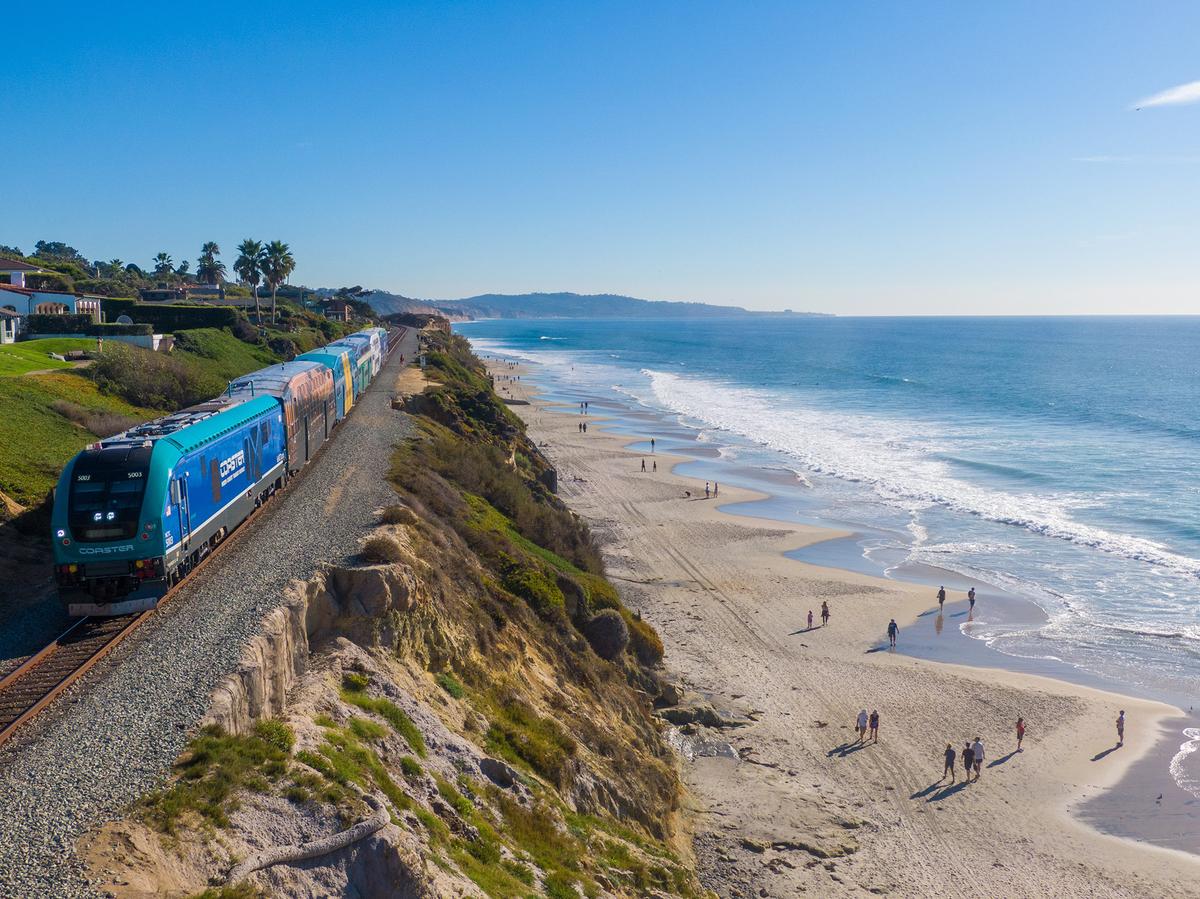
As the train rolls out from beneath the red-brick clock tower, adventure awaits. There are plenty of West Coast wonders, including the Cascade Range, to be seen—albeit at a slower pace while sitting in a domed car, sipping coffee, and enjoying the slightly mischievous pleasure of peeking into backyards along the track. Along the way there’s also solid, friendly service, and you can’t beat that grand finish as you clickety-clack into Los Angeles.