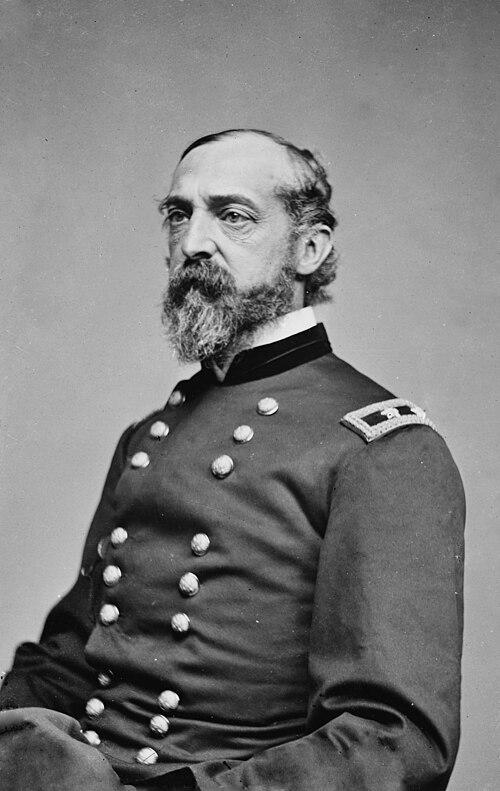
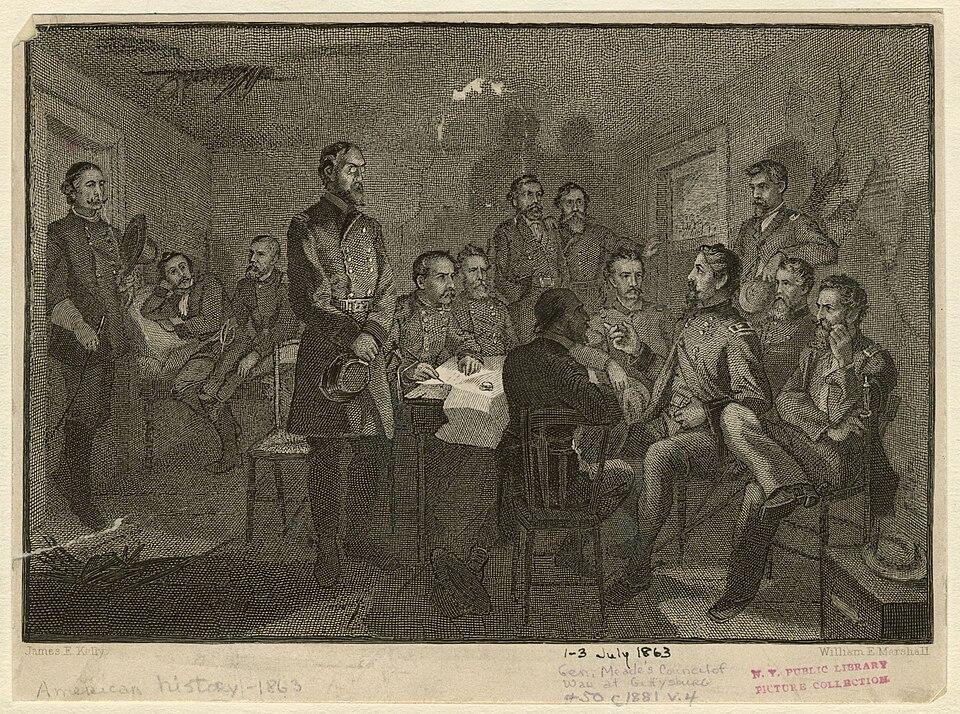
After the failure of Pickett’s Charge to break the Union Center at Gettysburg on July 3, 1863, Lee held his army in position the following day, hoping to entice Gen. George Meade and his Army of the Potomac to attack the Confederate line. When that gambit failed, the Confederates began their withdrawal to Maryland and the Potomac River in their attempt to escape to Virginia.
Their march south was a nightmare. Days of torrential rains battered the troops and turned the roads to mush. Wounded and dying soldiers in the slow Conestoga wagons felt every stone and bump in the roads, filling the air with horrific cries of agony. When the army reached Falling Waters, they discovered that Union cavalry had destroyed the pontoon bridge they’d built over the river. For several days, Lee and his men were forced to halt in place until another bridge could be built.
Meanwhile, Meade’s forces had encircled them. They engaged in skirmishes and small battles, but Union forces held back from any major attack until July 14. By that time and only a few hours earlier, the bulk of Lee’s army had crossed the river to safety.
Enraged and Bereft
Eighty miles away in Washington, Abraham Lincoln was sick with anger, grief, and disappointment at Meade’s failure to crush, once and for all, Lee’s army, and so quite possibly end the war.When Lincoln first received news of the Confederate defeat on the battlefield, his mood soared from anxiety to hope. Here was a golden opportunity to destroy Lee’s army and possibly end the war. That mood lasted less than 24 hours, when Meade issued a Fourth of July congratulations to his soldiers, complimenting them for having driven “from our soil every vestige of the presence of the invader.”
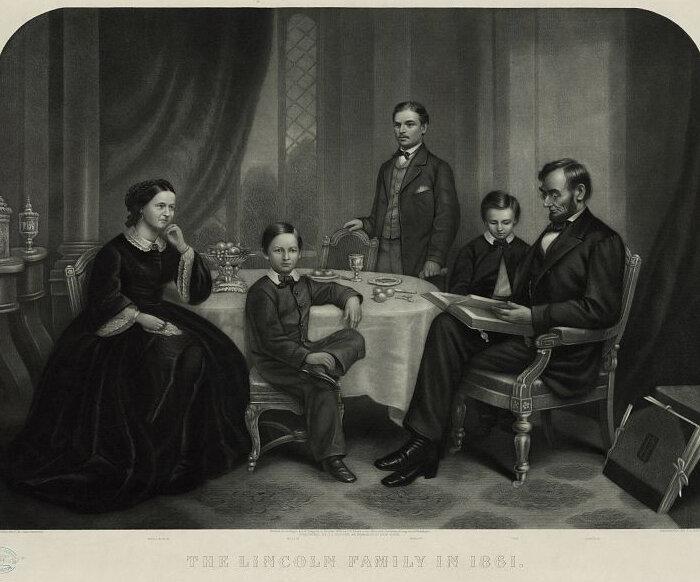
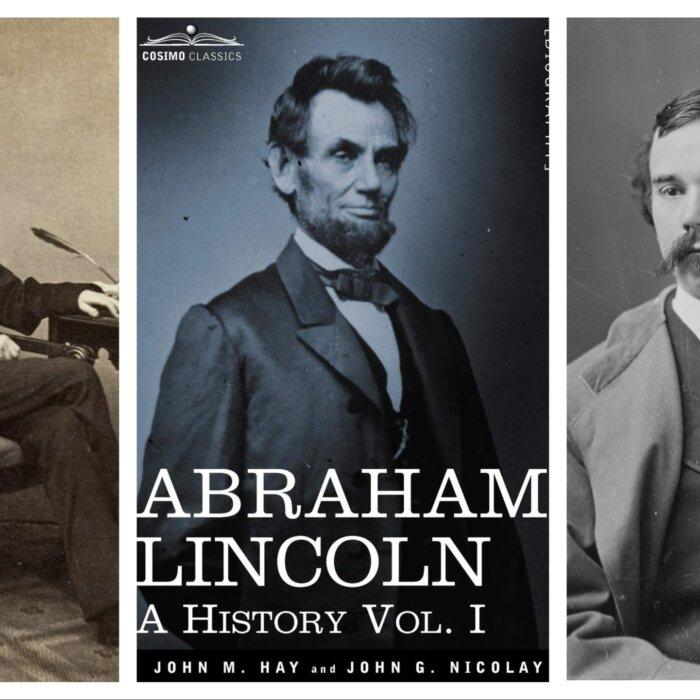
Lincoln erupted at this communication and its implication that the Confederates might escape. “My God, is that all? … Will our generals never get the idea out of their heads? The whole country is our soil.” As each day brought no news of a major engagement—one which, in Lincoln’s mind, could have concluded the slaughter of the last two years—his anger changed to despondency. In his iconic three-volume history “The Civil War,” Shelby Foote writes, “Lincoln fretted as much after as he had done before or during the three-day battle, so high were his hopes and so great was his apprehension that they would be unfulfilled.”
An Apology of Accusations
By this same date, having received word of Lincoln’s dissatisfaction with his irresolute pursuit of the retreating Confederates, Meade asked to be relieved of his command. As Foote explains, Meade’s request undoubtedly “shocked Lincoln into recovering his balance.” To force the resignation of the man who, in the eyes of the public, had won an overwhelming victory would be a political disaster and a blow to the Union cause.Consequently, on July 14, Lincoln sat down and composed a letter to Meade. It begins:
As he continued writing, however, Lincoln inventoried the very disappointments that had prompted his apology in the first place. He wrote that Meade and two other generals “were not seeking a collision with the enemy, but were trying to get him across the river without another battle.” He noted that “you stood and let the flood run down, bridges be built, and the enemy move away at his leisure, without attacking him.” Most tellingly, Lincoln stated, “Again, my dear general, I do not believe you appreciate the magnitude of the misfortune involved in Lee’s escape. He was within your easy grasp, and to have closed upon him would, in connection with our other late successes, have ended the war. As it is, the war will be prolonged indefinitely.”
The ‘Hot Letter’
And then Lincoln did something extraordinary.He didn’t send the letter.
Instead, he put it in an envelope, which he endorsed “To Gen. Meade, never sent, or signed” and tucked it into a desk drawer.
So, what happened? Did Lincoln reread the letter and realize that the words he’d meant as an apology were actually a string of condemnations? Or was this one of what he called his “hot letters,” notes written in anger to others not for mailing but as therapeutic valves of release? The lack of any salutation in the letter would lend itself to this latter likelihood.
Meade would command the Army of the Potomac for the rest of the war. In March 1864, however, the hero of Vicksburg, Gen. Ulysses Grant, became general-in-chief of all Union armies and staked out his headquarters in Meade’s camp, effectively taking command.
Lincoln’s unsent letter reminds us to be careful with our own written communication, especially in our day of emails, texts, and social media. In addition, it teaches an important lesson in virtue. We associate good character with deeds done. Lincoln and his letter remind us that deeds left undone can be marks of character as well.