
On April 1, 1957, the usually staid BBC reported that a Swiss region bordering Italy had produced an “exceptionally heavy spaghetti crop” that season due to the mild winter and the eradication of the spaghetti weevil. The camera panned past farmers and gardeners picking spaghetti from trees, then sitting down to enjoy a supper of delicious pasta.
Plimpton’s Prank and More
Older Americans will remember the Sidd Finch prank. The April 1, 1985, edition of “Sports Illustrated” ran George Plimpton’s “The Curious Case of Sidd Finch.” In this lengthy article, the well-known sportswriter reported the story of British orphan Hayden Siddhartha Finch, a 28-year-old versed in foreign languages, talented on the French horn, a Harvard dropout, and an aspirant Buddhist monk to boot, who might soon be pitching for the New York Mets. His throws across the plate were clocked at superhuman speeds as high as 168 miles per hour.Plimpton gleaned fictitious reactions from the team’s batters, whom Finch had supposedly pitched against in secret, and cited numerous conversations with Finch’s former fellow students and with Mets staff. The Mets went along with the gag, giving Finch a number and a locker. Joe Berton, a middle school art teacher, was recruited by a friend, a “Sports Illustrated” photographer, to put on a team uniform and play Finch for photos.
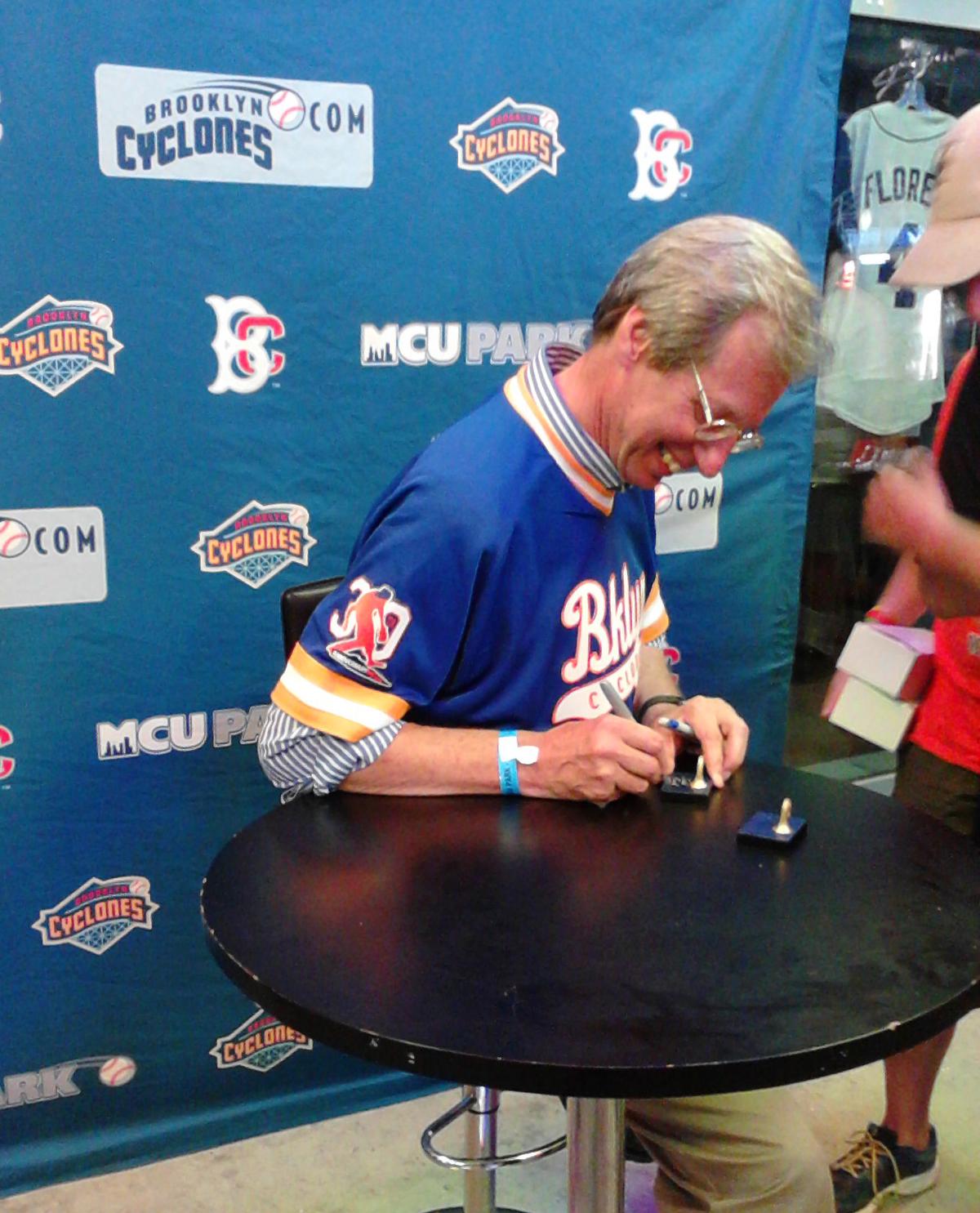
When the story broke in late March, Mets fans were delirious with joy at this new talent. Some players and staff on other teams wondered whether this pitching phenomenon would change baseball forever, and major news networks flooded the Mets office with requests for interviews. At a news conference on April 2, Berton, still acting as Finch, announced his retirement from baseball to take up the greater challenge of golf.
Although the hoax angered some readers, multitudes more who had also been taken in found it hilarious. Forty years later, die-hard Mets fans still remember and celebrate Berton and his alter ego, Sidd Finch.
A Bit of Background
No one’s certain about the origins of April Fools’ Day. Some trace it back to the festival of Hilaria, which the Romans celebrated near the end of March and into April, when citizens disguised themselves and poked fun at friends and enemies. Some attribute the custom to France and the 1582 calendar change from Julian to Gregorian, when those who didn’t get wind of this switch still celebrated the new year near the end of March and April 1, and were consequently mocked as dolts by their more sophisticated fellow citizens. Others suggest that the day of stunts and leg-pulls simply reflects the tricky nature of the weather, as March slides unpredictably into April.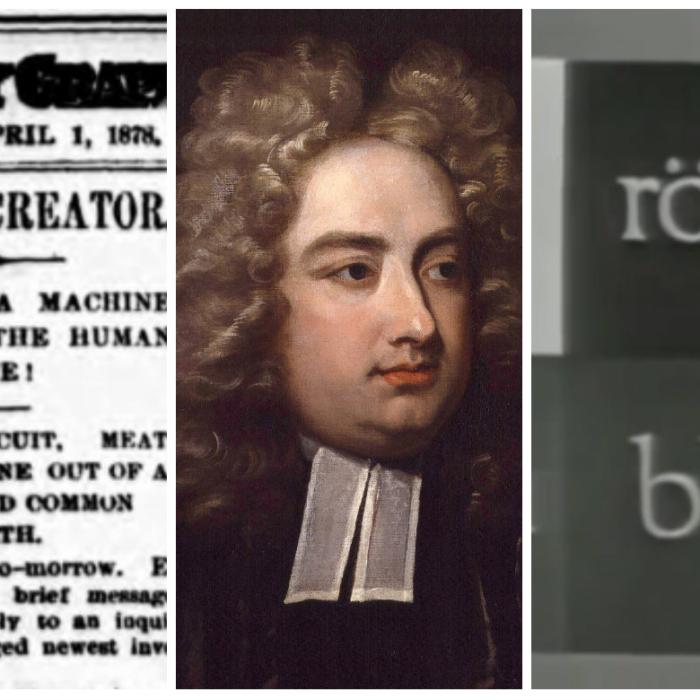

Whatever the case, by the late 18th century, April Fools’ Day was well-established in Great Britain. The Scots even made it a two-day event. The first day was “hunting the gawk”—gawk meaning cuckoo bird, or fool—when the trickster would send an innocent off in search of some fictitious item. This tradition still exists in some American summer camps, where the unsuspecting newcomer may be dispatched to search for a skyhook. Next up was “Tailie Day,” when pranksters would stick a fake tail or a sign reading “kick me” on the backside of the unsuspecting, a trick still popular in middle schools today.
Common modern-day hijinks include adding a “Voice Activated” sign to the microwave at work, gluing a quarter to the sidewalk outside your window, or using a pair of tweezers to remove the fortunes from fortune cookies and replace them with ones you’ve invented. Several of my grandchildren have perfected the water nozzle trick, securing the sprayer with a rubber band so that anyone turning on the spigot gets a squirt to the face and upper body.
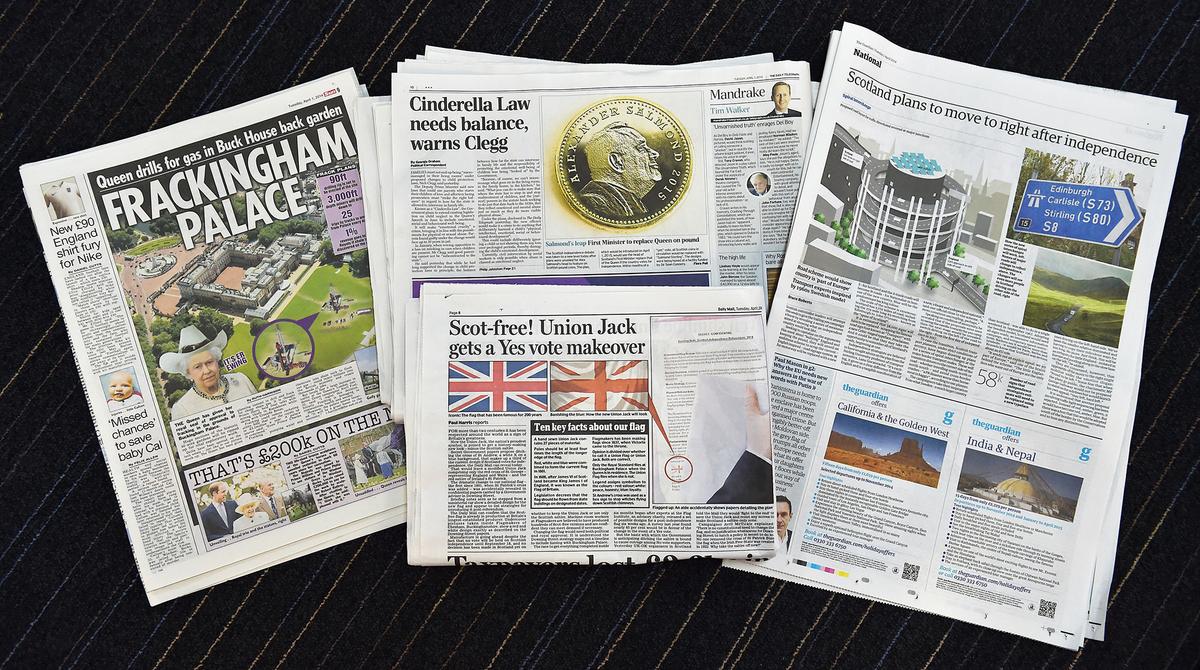
Presidential April Pranks
Some of our presidents have gotten into the spirit of the Day of Fools.On April 1, 1992, National Public Radio fans were stunned to hear that Richard Nixon had decided to make a run for the White House again. Clips of Nixon’s voice were included in the broadcast, including his campaign slogan, “I never did anything wrong, and I won’t do it again.” As in the Plimpton article, several prominent commentators spoke about Nixon’s decision and its consequences, adding verisimilitude to the report.
Listeners responded with stunned disbelief and rage, and were only mollified when National Public Radio revealed that comedian and impressionist Rich Little had supplied Nixon’s voice and that the entire segment was a joke.
In 2013, the White House announced a special video message from President Barack Obama. When it aired, “Hail to the Chief” played, then 9-year-old “Kid President” Robby Novak popped up from behind the podium, acknowledged the April Fools’ joke, and wished everyone a great day.
Cautions and a Memo
When planning and carrying out an April prank, we should first of all consider safety. Practical jokes should be fun, but never physically harmful.In that same vein, we shouldn’t prank people who aren’t fans of practical jokes or April Fools’ Day. If we’re going to prank them, we should be able to read them well enough to avoid offending or shaming them. Moreover, if that joke involves creating a mess, such as filling a friend’s Honda Civic with popcorn, we should help tidy up.
Here, an old story of President Abraham Lincoln comes to mind. Sarah, Lincoln’s stepmother, whom he adored, used to tease the lanky young man about his height, telling him to keep his head clean lest she have to wash the ceiling. One day, when she was out, Lincoln spotted a couple of adolescent boys playing barefoot beside a mud puddle. He invited them inside, picked them up one at a time, and raised them upside down so that their feet touched the ceiling. He then had them walk around, leaving muddy footprints.
His stunt amused Sarah, but the next day Lincoln was busy whitewashing the ceiling.
That’s the classy way to pull off a stunt.