Neil the seal, a one tonne southern elephant seal currently resting on the Tasmanian coast during moulting season, has captured hearts all over the globe with his playful and bold personality.
The large mammal is known to frequent the Tasmanian coastline, but also goes further afield, visiting homes, laying on roads and interacting with objects—many of which end up rearranged in the process.
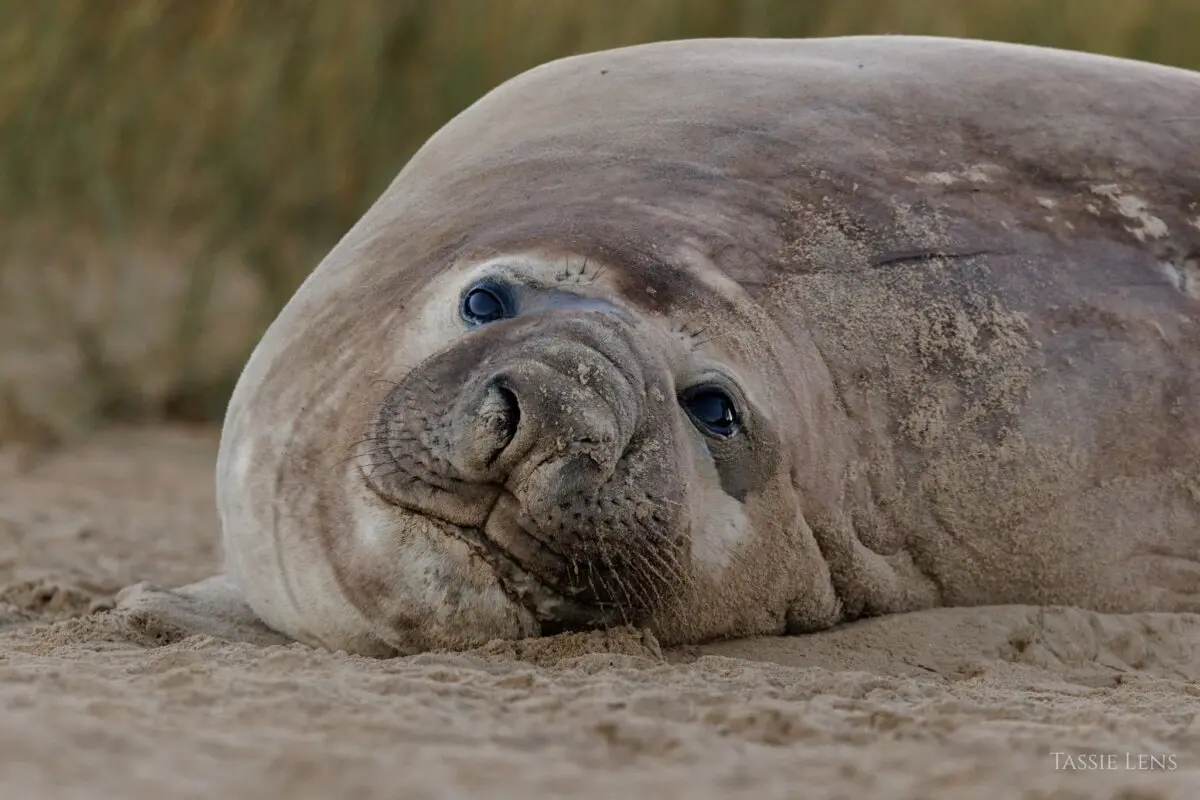
For wildlife photographer Umesh Ranasinghe, Neil’s latest appearance was the chance of a lifetime.
“I first learned about Neil through a Facebook reel that my wife forwarded to me,” he told The Epoch Times.
“The reel didn’t reveal the location, so I spent some time researching online and privately checking with a few people to work out where he might be. I’m actually glad that people generally don’t share his exact location publicly, as it helps protect his space and wellbeing.”
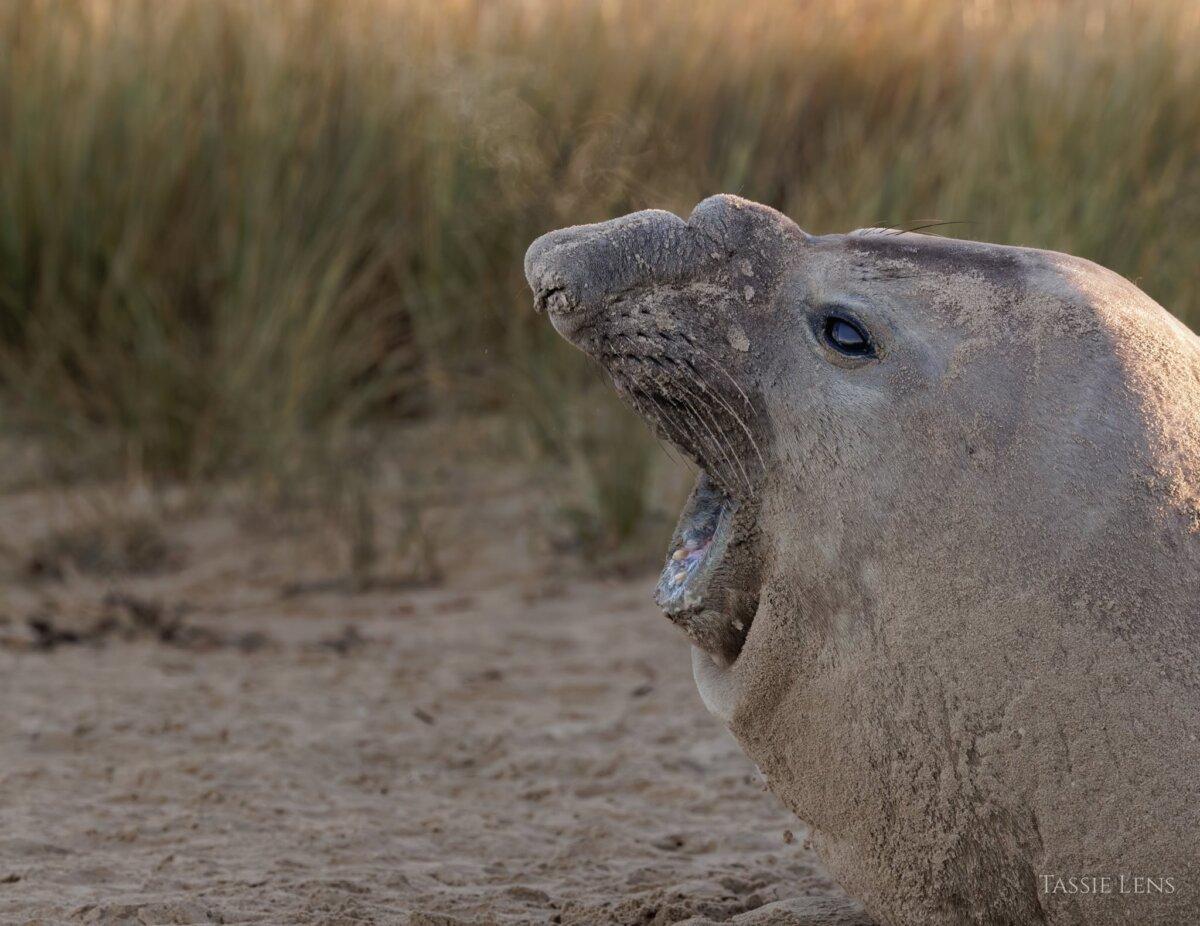
The visit proved magical. While Neil rested under the watch of marine officials who kept onlookers at a safe distance, Ranasinghe captured what he calls his “dream shot”—Neil’s warm breath forming a misty, smoke-like effect in the crisp air.
‘He’s Every Bit as Adorable as Everyone Says’
Local admirer Prisca Roselyn Kwa had tried once before to see Neil without success. On her second attempt, Neil came closer.“I was honestly so excited because I finally had the chance to see him for real,” she told The Epoch Times.
“He’s every bit as adorable and cheeky as everyone says he is. It really feels like he enjoys all the attention.”
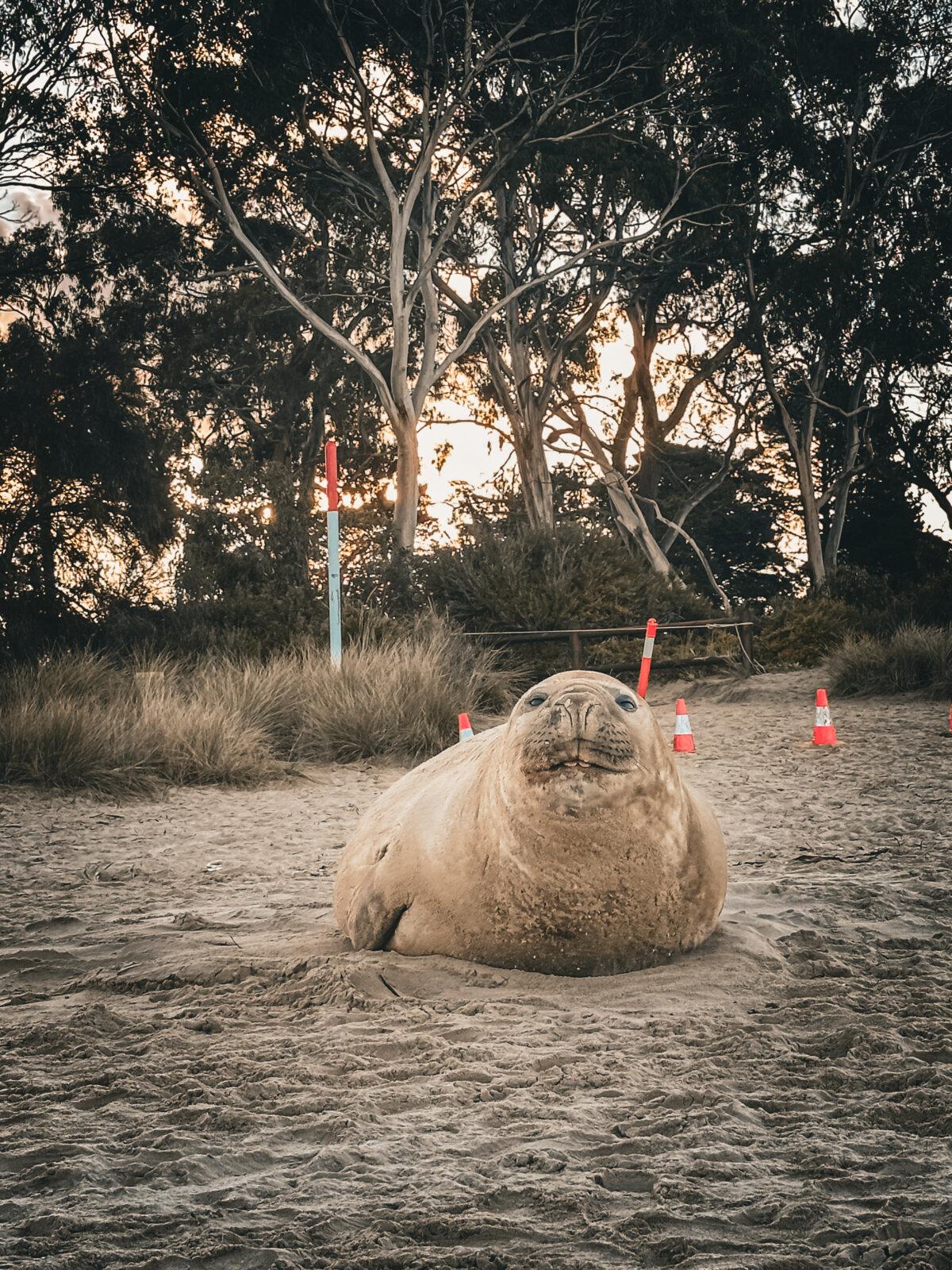
Kwa understands the need to maintain distance but hopes authorities can balance public safety with people’s desire to see the lovable giant.
About Southern Elephant Seals
Southern elephant seals are one of the largest marine animals in the world outside of cetaceans, with males reaching four to five metres in length and weighing up to 3.5 tonnes each.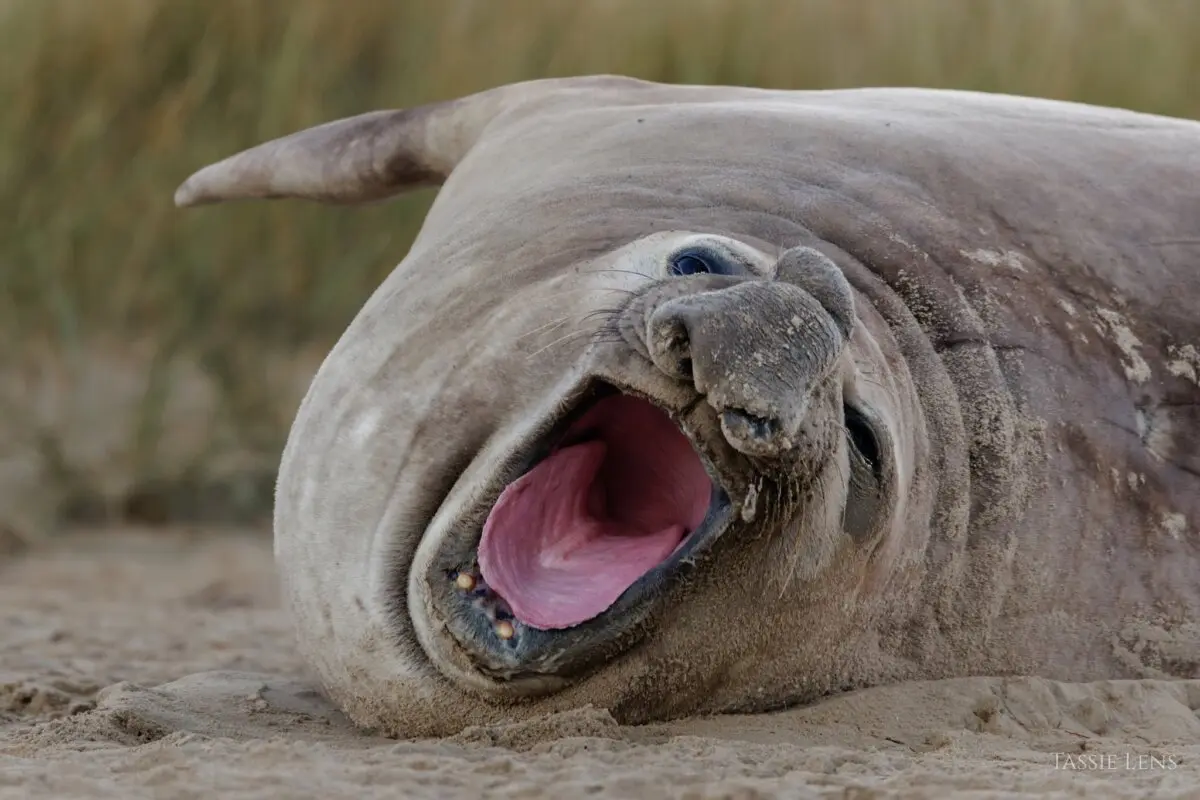
A thick layer of blubber gives them their voluptuous appearance, and they move at a top speed of 10 kilometres per hour in an undulating motion (roughly a similar pace as a person jogging).
The seal’s main food is squid, and the closest breeding area is Macquarie Island between Australia and Antarctica, where the population is around 76,000 with an annual decline of around 2.5 percent.
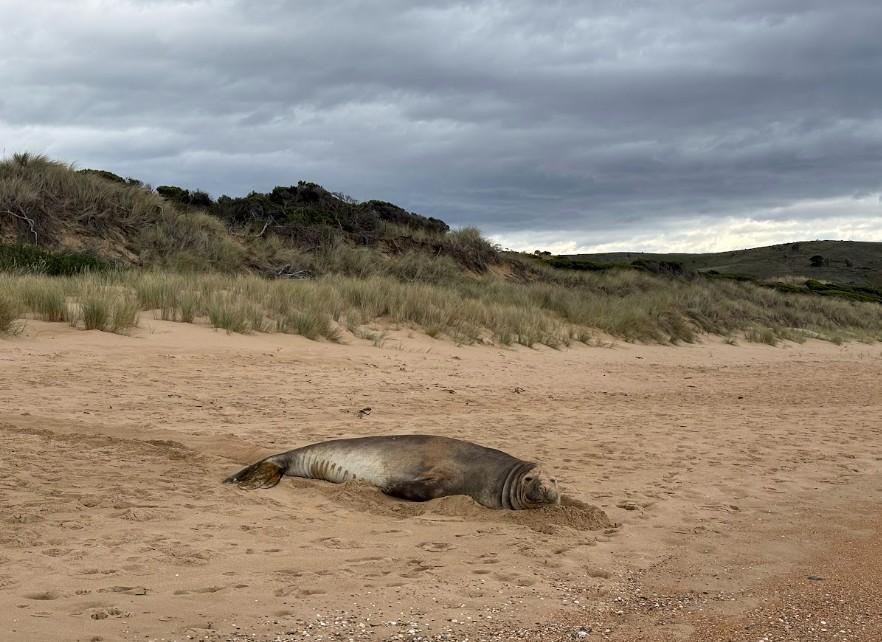
Every year, around 12 southern elephant seals are reported on the Tasmanian mainland and have been determined to range in age from one to 22 years.
From Sri Lankan Leopards to Tasmanian Seals
Ranasinghe, now based in Hobart, Tasmania, previously photographed wildlife extensively in Sri Lanka. He draws parallels between Neil’s calm demeanour and the relaxed leopards he used to encounter on safari.“Those leopards had become so accustomed to safari vehicles that they largely ignore them,” he said. “Neil seemed to have a similar attitude towards people—calm and unbothered.”
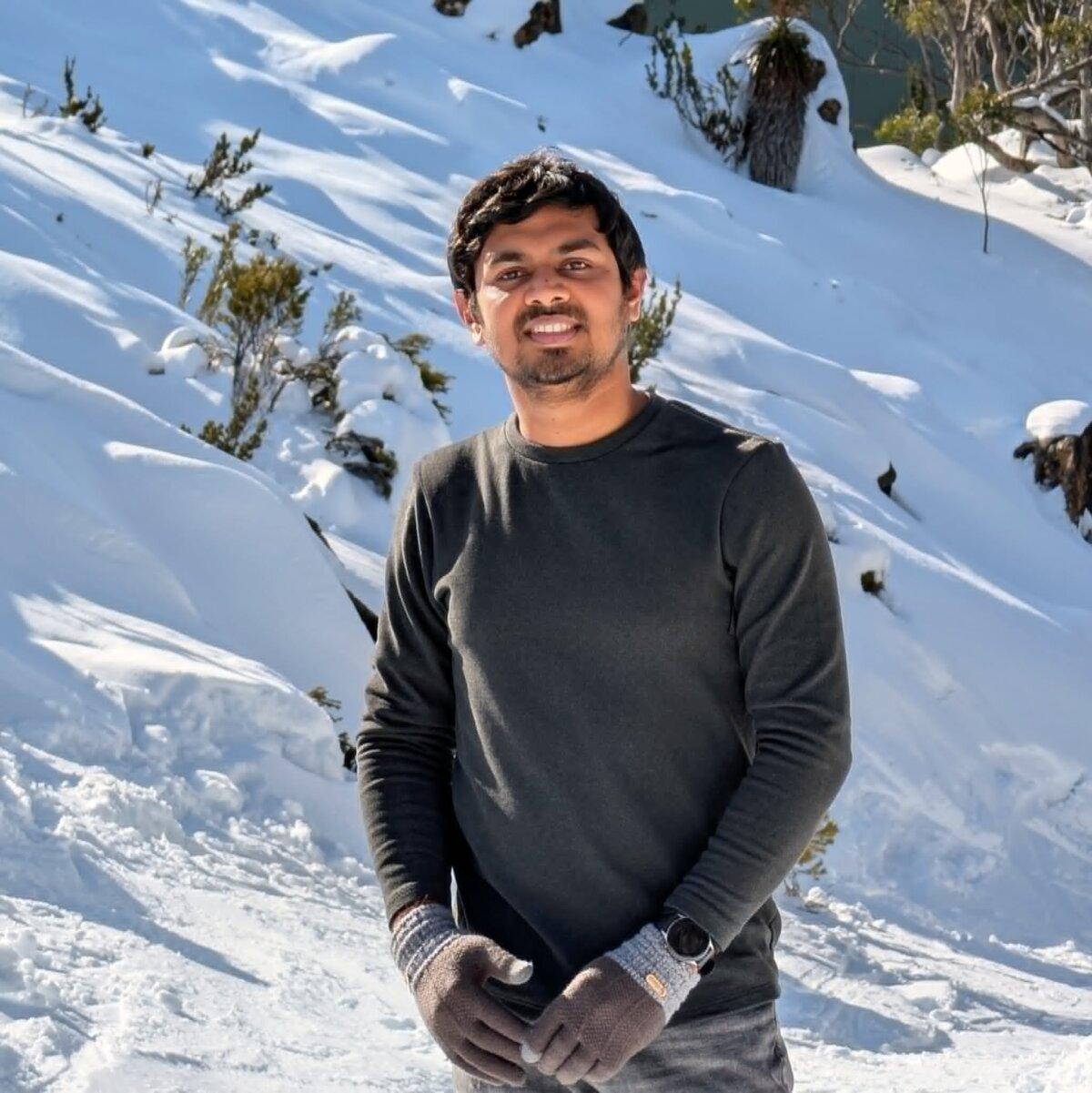
For Ranasinghe, time in nature is therapeutic.
“Australia is incredibly unique, but it’s also so vast. I still have so many places to explore here in Tasmania alone,” he said.
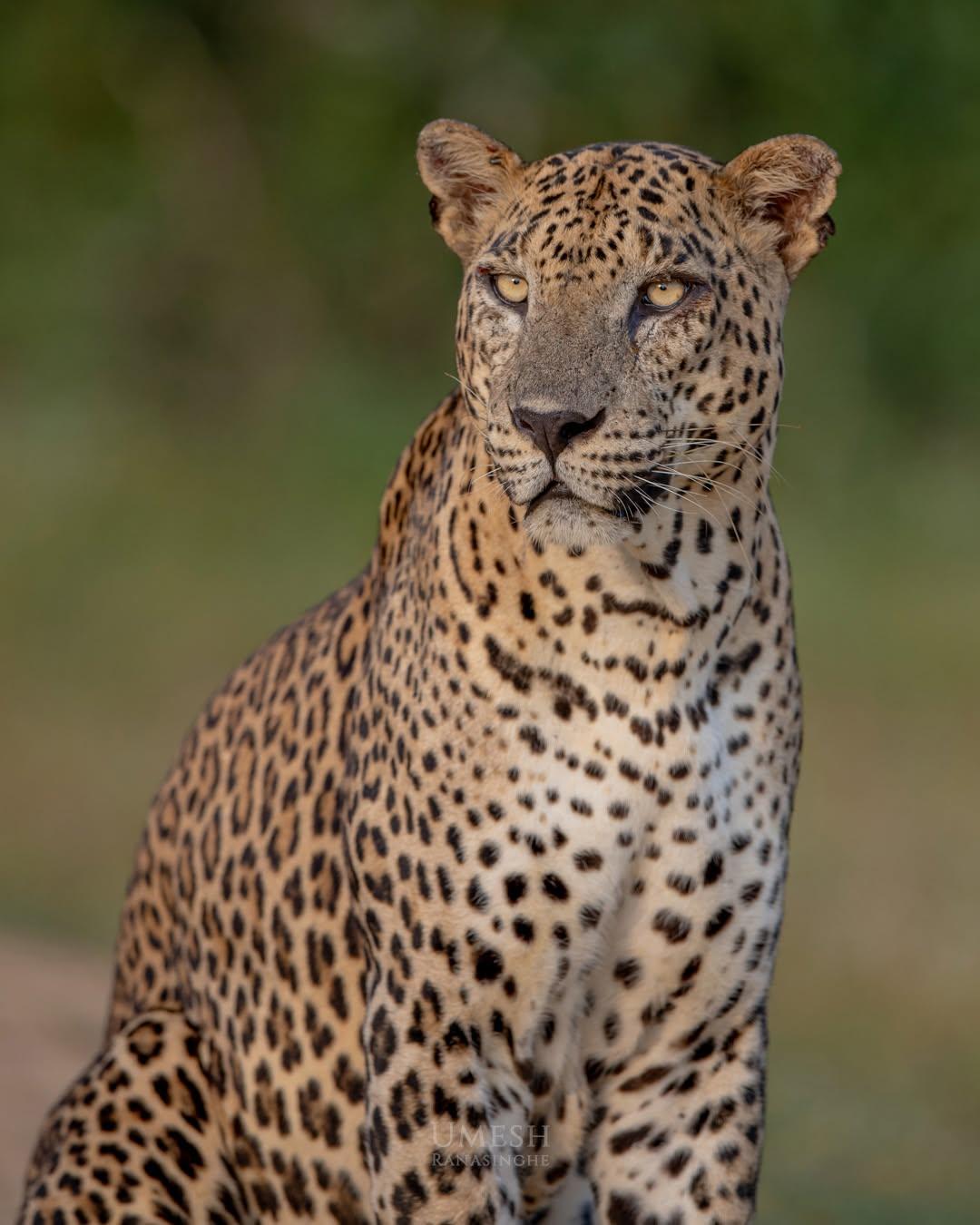
He also shared a memorable close call in Sri Lanka when a leopard cub chasing a monkey leaped into a tree right above their safari vehicle.
“It happened so suddenly that none of us had time to take a photo or video, or even process what was happening,” he said. “If it had slipped, it could have landed inside the vehicle. It was a pretty scary and completely unexpected moment for both us and the leopard.”