When we’re missing our loved ones who have passed on, nothing brings back happy memories like a favorite photo. But for those who have served our country and died in the line of duty, something more is needed—which is what Philadelphia police officer Jonny Castro does for those brave souls who have fallen.
Castro is the police force’s forensic artist. He does composite sketches based off witness statements along with reconstructions of homicide victims. His job is a lot like the police sketch artists you see on TV. While he’s a 20-year veteran of the force, his work off the clock has set him apart. He creates beautiful portraits of first responders and military personnel who have made the ultimate sacrifice.
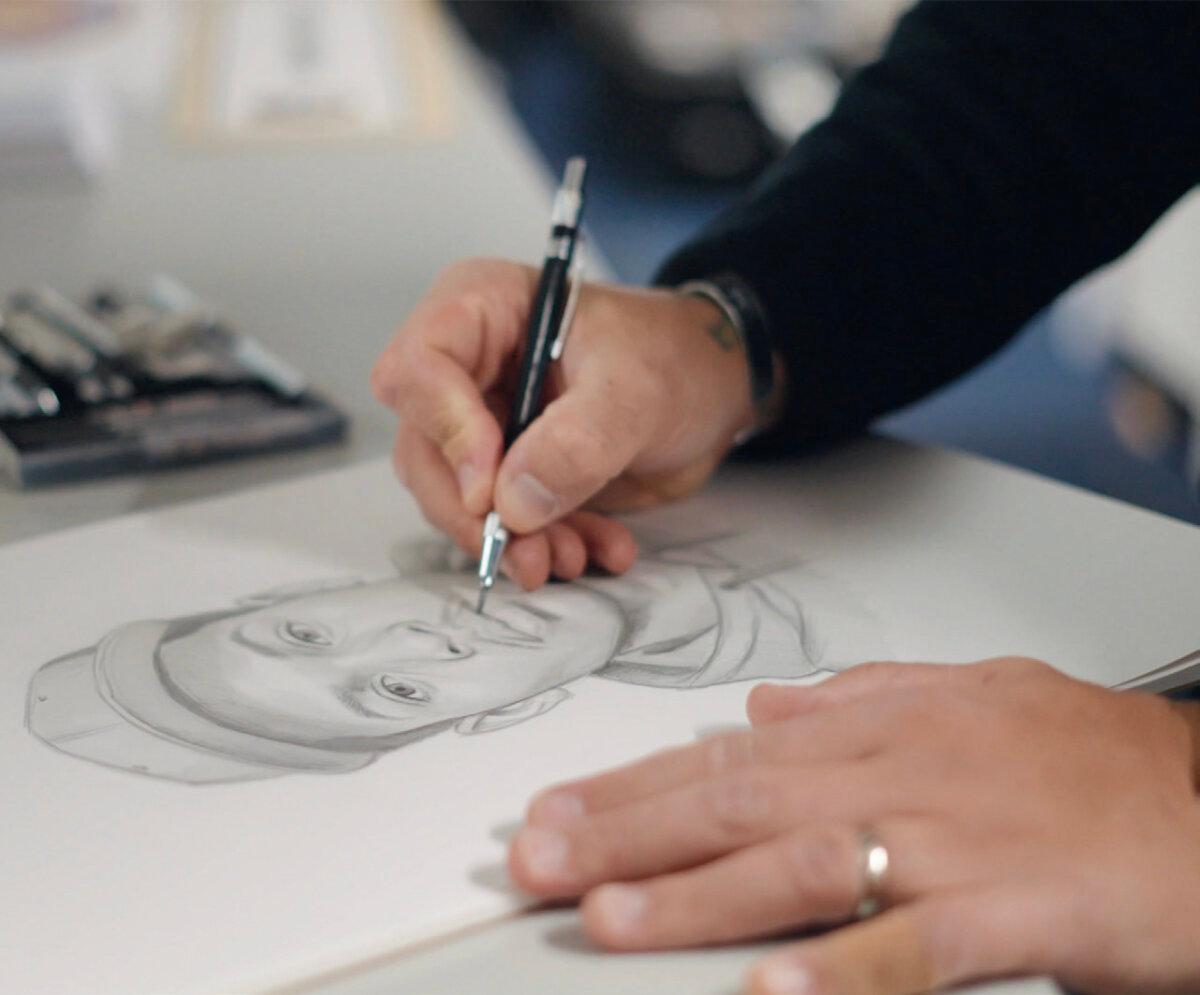
Artistic talent runs in the Castro family. “My dad was an incredible artist. His dad was and both of my daughters are incredible artists. I guess it runs in the family.” So he went off to college to study graphic design. And then 9/11 happened, which stirred patriotism in him. Castro left school, joined the Army, and served with the military police in Iraq. Upon returning home, he joined the police academy, feeling it was more of a solid career choice than art.
But as it turned out, he was meant to be an artist. For his first 10 years on the force, he served as an officer in West Philadelphia. When the force’s veteran artist retired, Castro got the job. Drawing mostly bad guys by day, he decided to create portraits of the good guys who are no longer with us.
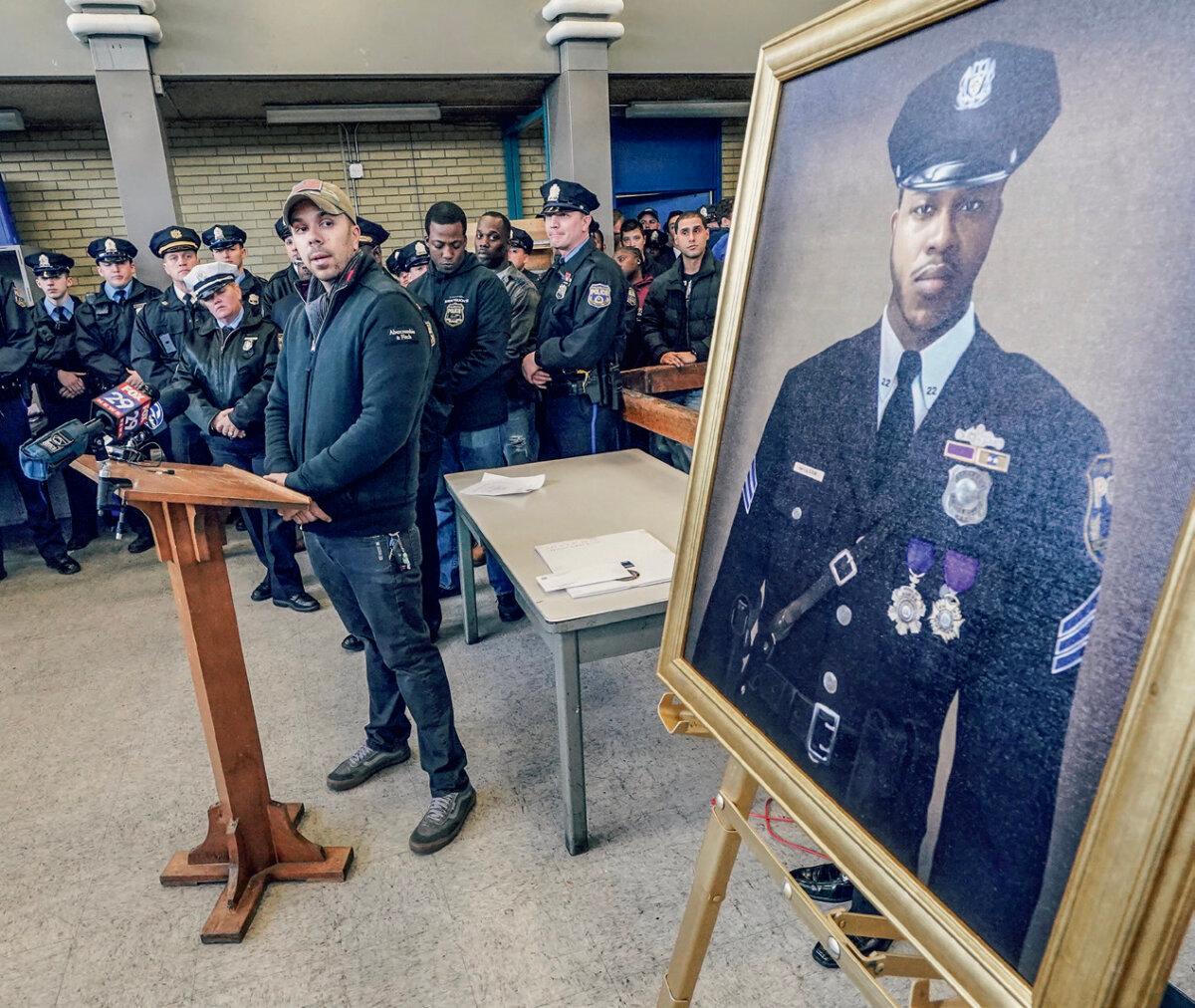
He completed his first portrait 10 years ago. “[Philly police] Sgt. Robert Wilson was shot and killed in the line of duty in 2015. On the one year anniversary of his death, I painted a portrait of him.” Wilson had been promoted and received several medals posthumously, but there were obviously no photos of him showing that. “So I painted him with his sergeant patches and the medals on his chest.” When he posted the portrait on his art page, the response was incredible. “Everybody loved it in the Philadelphia Police Department, and people said, ‘Why don’t you do this for every officer? Do as many officers you can.’”
Castro estimates he’s done between 2,400 and 2,500 portraits of police officers, soldiers, and first responders who have died in the line of duty. “I try to do every officer who’s sadly killed by homicide. And then I also paint officers killed in car accidents, service members killed overseas, and civilian victims of crime, too.”
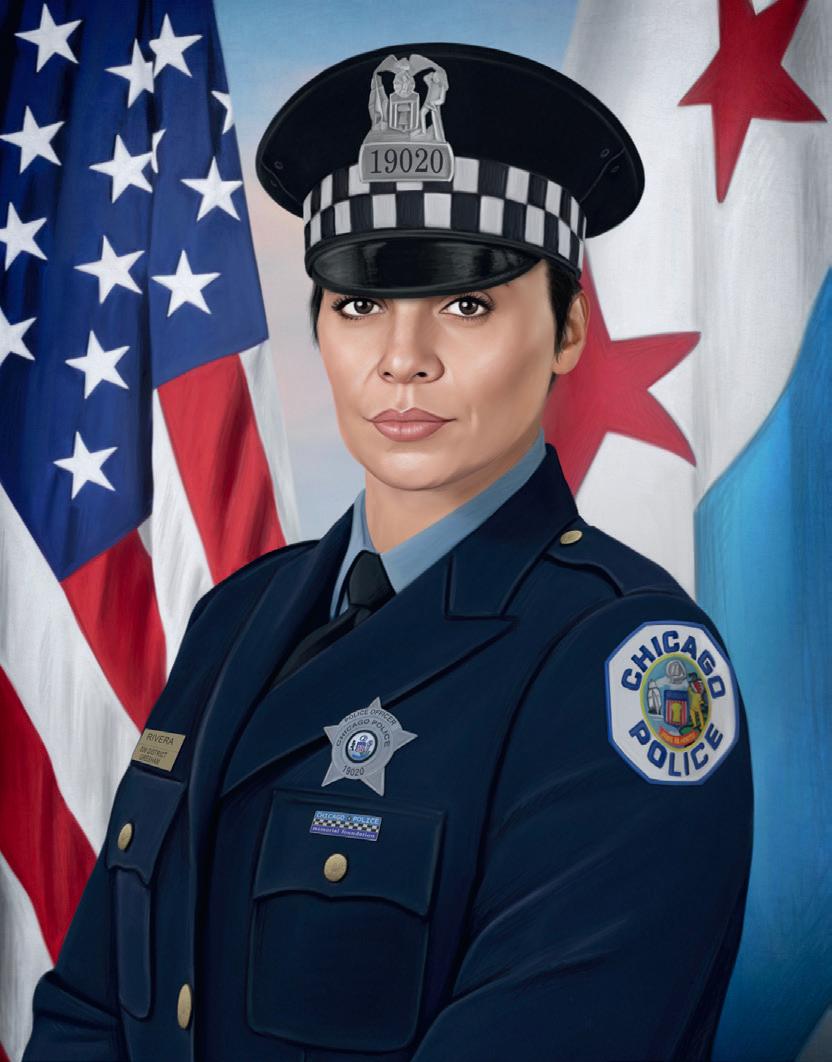
Castro “paints” digitally on a display tablet and uses the internet to learn more about those he will portray. “I follow a lot of police pages, so when I see an officer’s killed, I’ll start to do my research. Many times they have photos of themselves, but you’d be surprised how many officers don’t have photos in uniform. So then, I’ll find Facebook pages of them, and get to work.” He often learns more about the person from their loved ones. “A lot of times, families will reach out to me beforehand.”
Each portrait takes him about six hours to complete. But he says the key is getting those windows of the soul right. “Once you put those little flashes in the eyes, it brings the portrait to life. And families tell me it really feels like he’s there, he’s looking at us.” He then gets prints made, frames them, and sends them to the family. He has a few “generous benefactors,” but for the most part, this comes out of his own pocket.
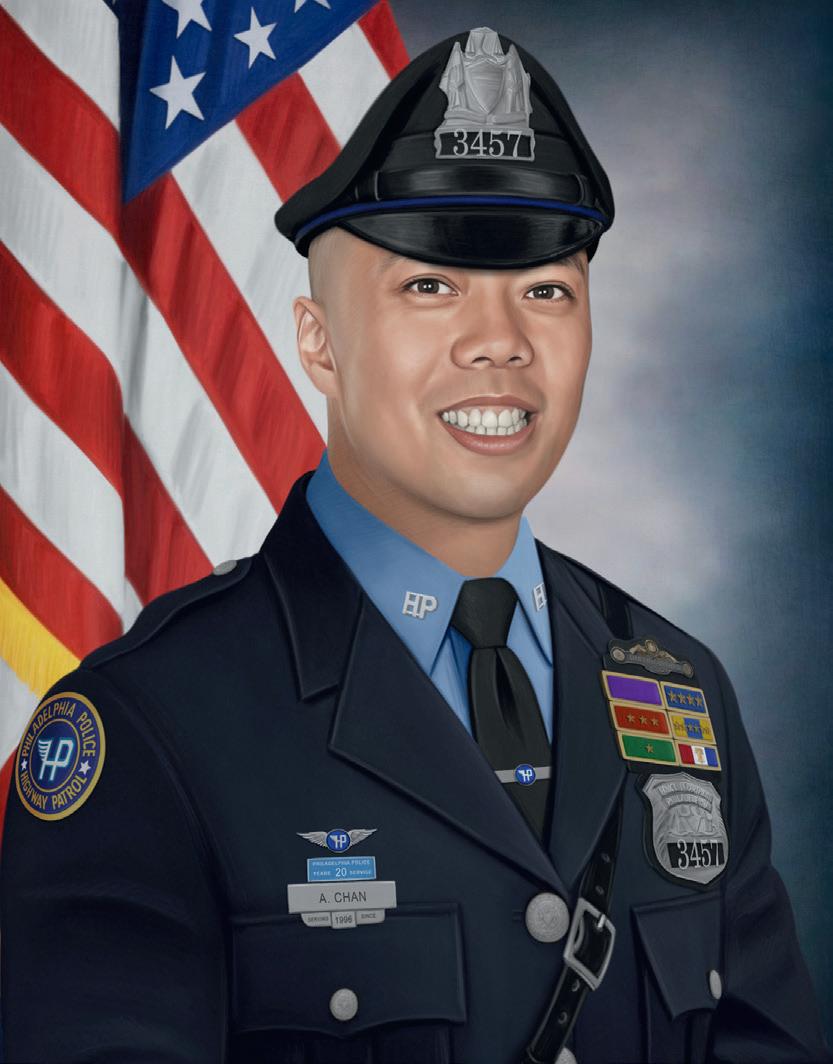
His portraits have ended up on headstones and even tattoos. But what really touches his heart is when families reach out to him about using his work at a funeral. “I think that’s probably the biggest compliment I could get. They’d want that image displayed at their funeral, in front all their loved ones, all their friends.”
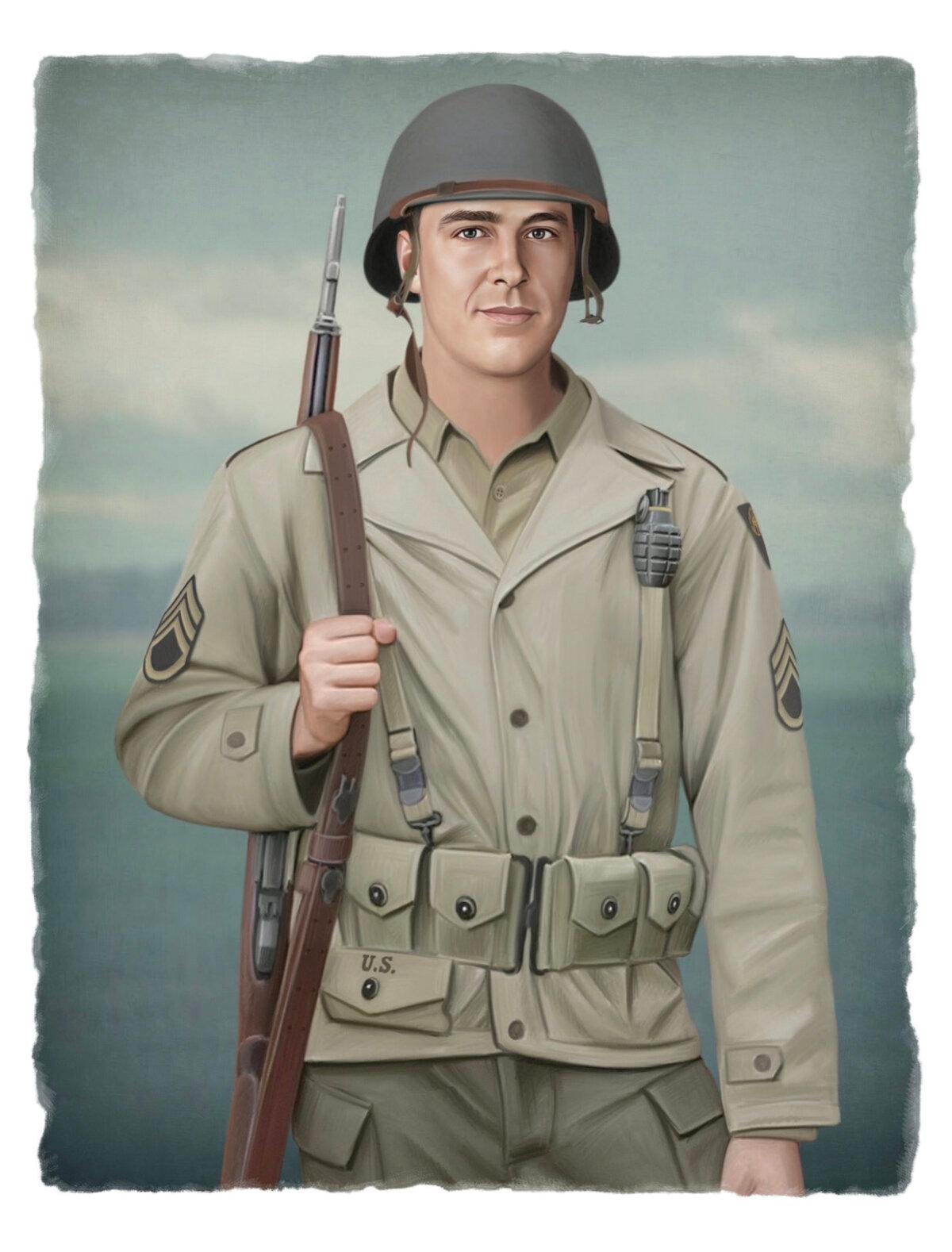
When asked if there’s one portrait he’s made that really touched him, he thought of one he did of a soldier who was killed long ago. He was searching online for photos from the Vietnam War on eBay and came across one that left an impression, of a soldier being treated by medics. He bought the photo, started doing research, and found out that his last surviving relative was a cousin who lived in California. After he completed the portrait, he sent the cousin prints as well as the original photograph he found and bought. The portrait held a personal connection for Castro. “My dad served in Vietnam. He told me a lot of stories about friends that he lost, so that that kind of like hit a nerve with me,” he said.
Castro estimated that there are probably fewer than 100 full-time police sketch artists in the United States. He might be the only one who also draws heroes.