NR | 1h 33m | Adventure, Drama, Family | 2024
In “Mountain Boy,” the mountains of the United Arab Emirates (UAE) sizzle under a sun that gives nobody special treatment. The vast rocky landscapes look ancient, bleached, and unforgiving. This is a place where a person makes practical decisions very fast about water, shade, food, direction, and shelter.
Many desert films treat the landscape as a fantasy backdrop, with endless golden skies, hidden treasures, and perfectly sculpted dunes. This one strips away the gloss, showing heat, dust, and the grind of real terrain.
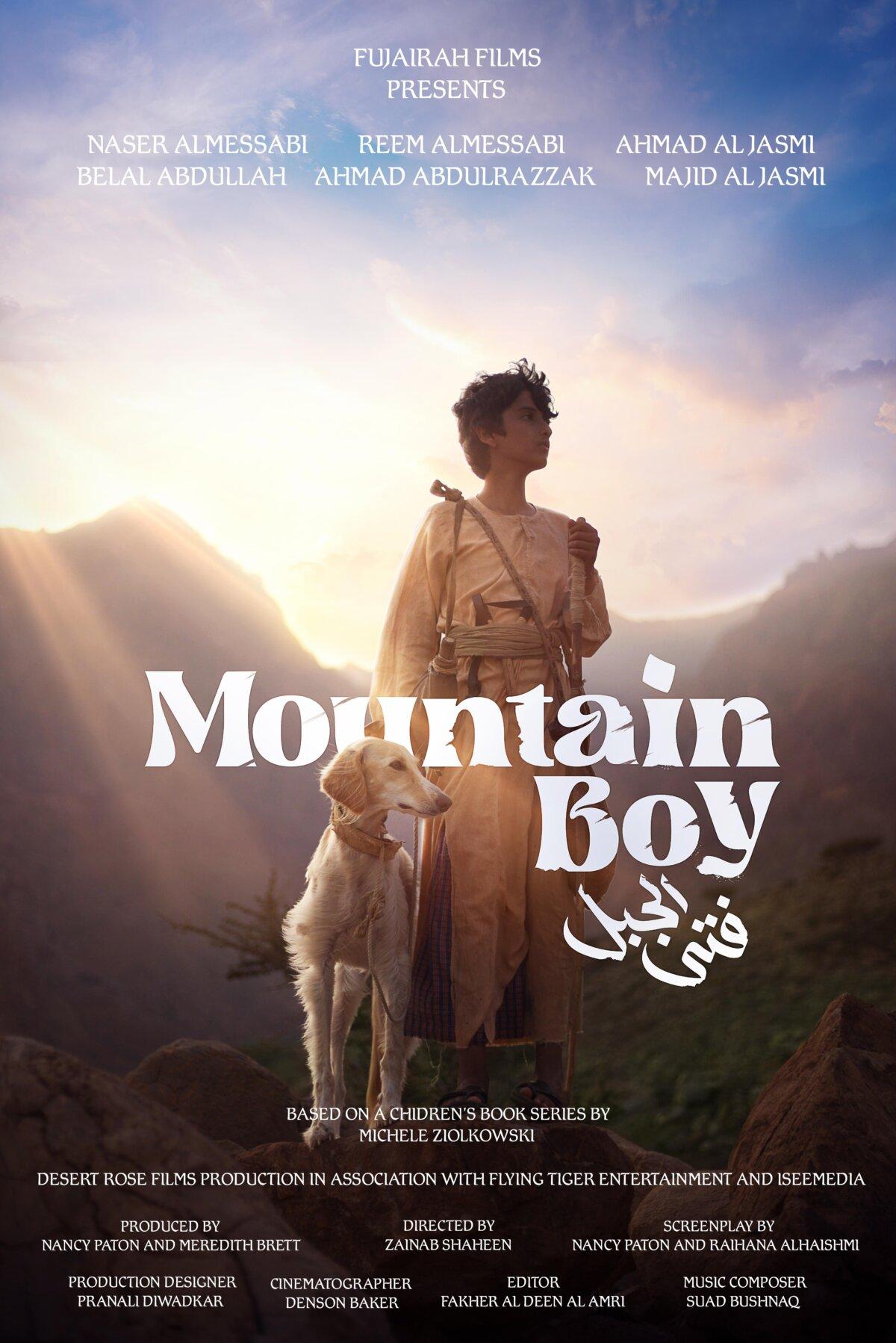
The protagonist, youngster Suhail (Naser Salah), is an unusual figure for this kind of journey. Desert stories often hand the harsh terrain to bearded men with knives, camels, rifles, or some other badge of toughness. Here, the traveler is a vulnerable autistic boy trying to find his way across vast environs.
The tale begins with rejection—a grieving father who can’t understand his son. While the movie has moments of concern, caution, and misunderstanding, it’s far more interested in hospitality and kindness than cruelty.
The Journey
Suhail processes the world through small details that other people often miss. His father (Majed AlZubaidi), still shattered by the death of Suhail’s mother, places blame where love should be. That fissure sends the boy away from home with a pearl connected to his mother and a loyal dog named Barakah by his side. Together, the boy and dog cross the rocky country with the hope of finding his mother’s relatives.
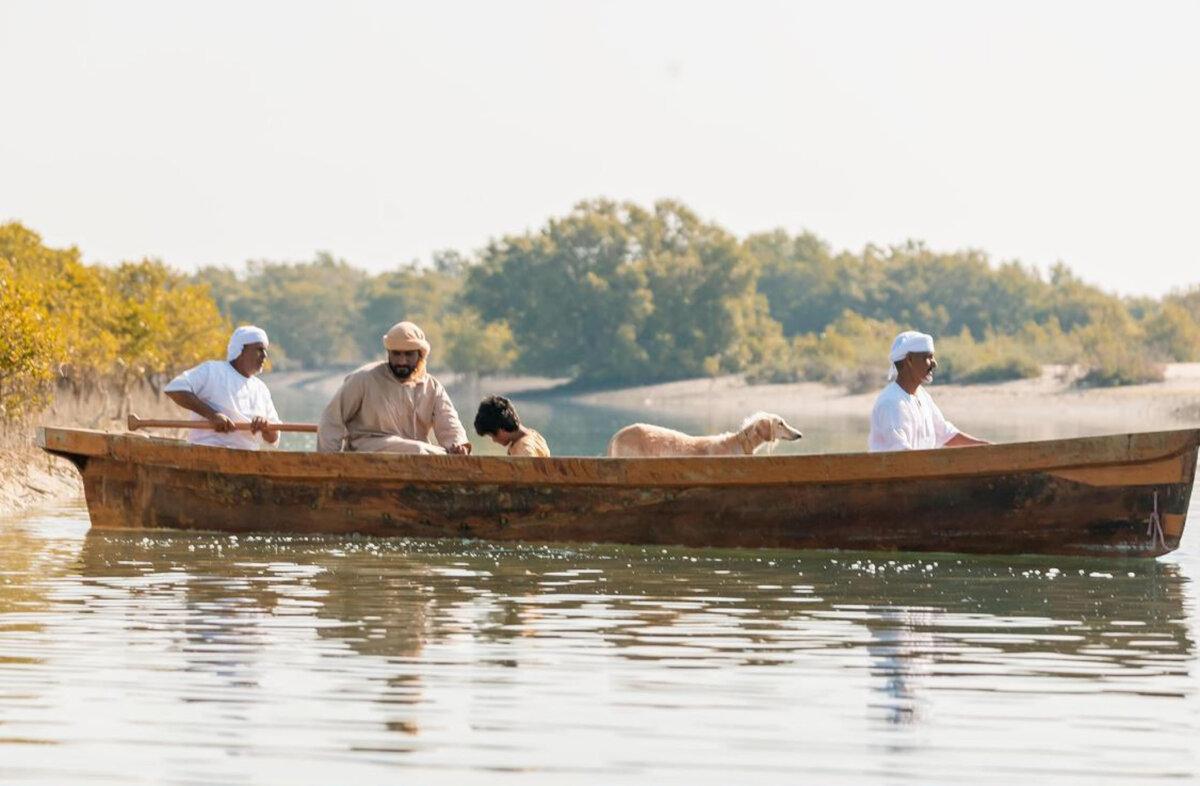
The trip takes him through mountains, work sites, and small communities, where people are mostly kind to him. Suhail brings a positive overall presence to each area he passes through. He helps fishermen reconsider where to look for fish and searches for a hidden water source in a drought-stricken village. One person suspects something supernatural about the boy.
Near the end of the film, a sandstorm batters a settlement where Suhail has found temporary shelter. It’s a very direct metaphor. A storm hits just as his family situation begins to heal. By the next morning, the villagers are outside, patching damage, lifting what fell, fixing what broke, and helping each other restore the place.
The film draws the lesson in the sand with a stick: storms pass, people repair, and a community survives by showing up after the damage.
The Production
Director Zainab Shaheen’s debut feature has the feel of a family fable shaped by real terrain. The cinematography captures the UAE’s mountains and villages with a strong eye for scale, heat, and texture. Composer Suad Bushnaq’s score gives the film a broad orchestral sweep without drowning out its smaller human moments.Barakah deserves credit as one of the best screen dogs in recent memory, as the animal never seems to be acting. He appears to have wandered in from an older, wiser movie and generously stayed to help the humans.
The film’s heritage details are often appealing, though one scene slips into gender-lecturing mode. Suhail asks some village women if he can try Talli embroidery. He’s told the craft belongs to women, tries it anyway, and decides it’s too hard because he’s only a boy.
Women’s traditional craft requires skill, patience, and discipline. The issue is how selective the moment feels, when the harsher male labor behind village life sits outside the frame as an invisible assumption. Men are responsible for building, travel, protection, fishing, and survival.
The film works because it’s sincere without becoming syrupy. It would’ve been easy to make Suhail’s autism into a constant lecture or a string of inspirational poster moments, but Shaheen avoids that trap.
Suhail’s abilities emerge through observation, instinct, and action. He reads animal behavior, natural patterns, and human need. The film respects him as a child with his own limits and gifts, not a walking lesson plan.
The lack of a major conflict may test some viewers. Anyone expecting danger behind every rock will probably keep waiting. “Mountain Boy” prefers a gentler route, where a boy crosses a difficult land and discovers that many people are better than his home life taught him to expect. That’s a valid story, maybe even a useful one.
For families, this Arabic-language film offers an accessible look at Emirati landscapes, village life, traditional customs, and a child trying to find belonging after being misunderstood. For adults, it offers something rarer than noise: a movie willing to let kindness carry long stretches of the journey.
“Mountain Boy” has flaws, but the heart of the film remains generous. It’s a soft adventure through hard country. That contrast gives it enough character to be remembered after the sand settles.