If you come into some extra funds, you might want to consider applying them to your mortgage. It’s a great way to pay down the principal or lower your monthly mortgage payment. Lowering your monthly mortgage payment is particularly helpful if you often have cash-flow issues.
Recasting a Mortgage
Mortgage recasting is when you make a lump-sum payment to your principal balance. Once done, your lender then calculates a new, lower monthly payment. Your interest rate stays the same.Refinancing a Mortgage
With refinancing a mortgage, you take out a new home loan and use it to pay off the outstanding balance of your existing mortgage. This is often done to secure a lower rate. Typically, the new rate results in a lower monthly payment and less overall cost.Costs of Recasting and Refinancing a Mortgage
According to Experian, both recasting and refinancing come with costs. For example, you will be charged an administrative fee for a mortgage recast. This typically runs a few hundred dollars, depending on the lender.Can All Types of Mortgages Be Recast or Refinanced?
Conventional loans can be recast, but according to PNC Insights, not all mortgage types are eligible. Government-backed loans, including those from the Federal Housing Administration, Veterans Affairs, and the U.S. Department of Agriculture, are not eligible for recast.When Do Borrowers Refinance or Recast a Mortgage?
Refinancing, technically, gives you a new mortgage with new interest and terms. For example, if you have a 30-year mortgage, you can refinance to a 15-year mortgage or vice versa.
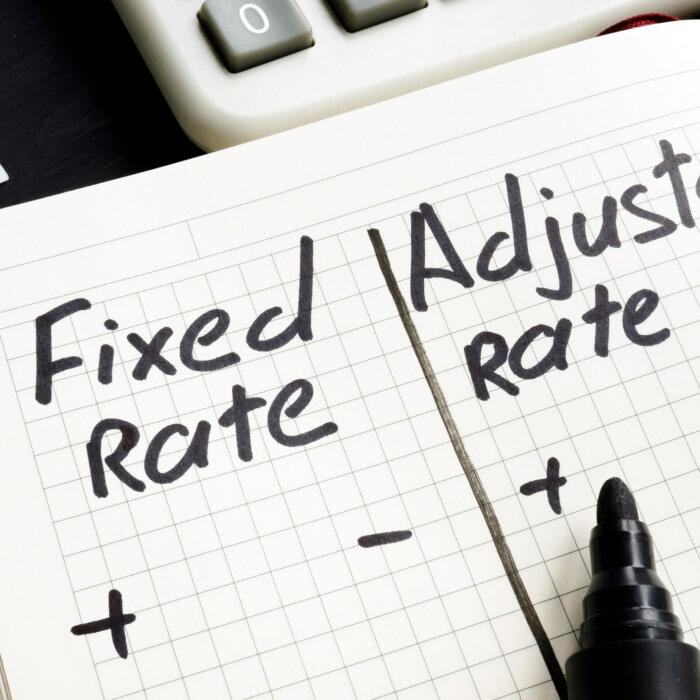
Most borrowers refinance to obtain a better interest rate or switch from an adjustable-rate to a fixed mortgage. They also may use it to switch equity to cash.
A mortgage recast uses cash to pay down some of the loan’s principal. It is often used when a borrower receives a large sum of money, such as a bonus or an inheritance.
According to PNC Insights, it can be used when a borrower purchases a house before selling the current one. When the previous home sells, the proceeds can be used to recast the new home’s mortgage.
Advantages of a Mortgage Recast
There are several benefits of a mortgage recast. By reducing your principal, you lower your monthly payment without extending your loan term.A recast mortgage is not a new loan. So, you will not need a credit check or home appraisal to apply.
If you’re already locked into a low interest rate, it’s a way to keep your current rate while lowering your monthly payment.
There usually are lower administrative fees associated with a recast mortgage. According to Alcova Mortgage, they typically fall between $150 and $500.
Disadvantages of a Mortgage Recast
According to Rocket Mortgage, there are cons to a mortgage recast. One disadvantage is that your lender may not allow a recast. You are also limited to a conventional loan, because government-backed loans don’t allow a mortgage recast.The loan-repayment term is not shortened, either. Your payment goes down, but if you have a 30-year loan, you can’t change it to a 15-year or other-year loan.
Refinancing Mortgage Advantages
You have options when refinancing. The loan conditions can be changed. For example, you can shorten or lengthen your term, take a lower interest rate or refinance to a new loan.Almost any loan qualifies for a refinance. It may be your only option if you want a lower payment and you have a government-backed loan.
Refinancing Mortgage Disadvantages
Refinancing is a new loan and usually has more costs than a recast. Refinanced loans include origination fees, appraisal fees, and other closing costs.The clock turns back with a refinanced loan. This means if you’re 15 years into a 30-year loan, if you finance for another 30-year loan, it starts over. You lost the 15 years you already paid for.
Mortgage Recasting and Refinancing
A mortgage recast lowers your monthly payments and saves you money on long-term interest. But you tie up equity.However, not everyone qualifies for a recast. If you have a government-backed loan, for example, you’ll need to refinance.