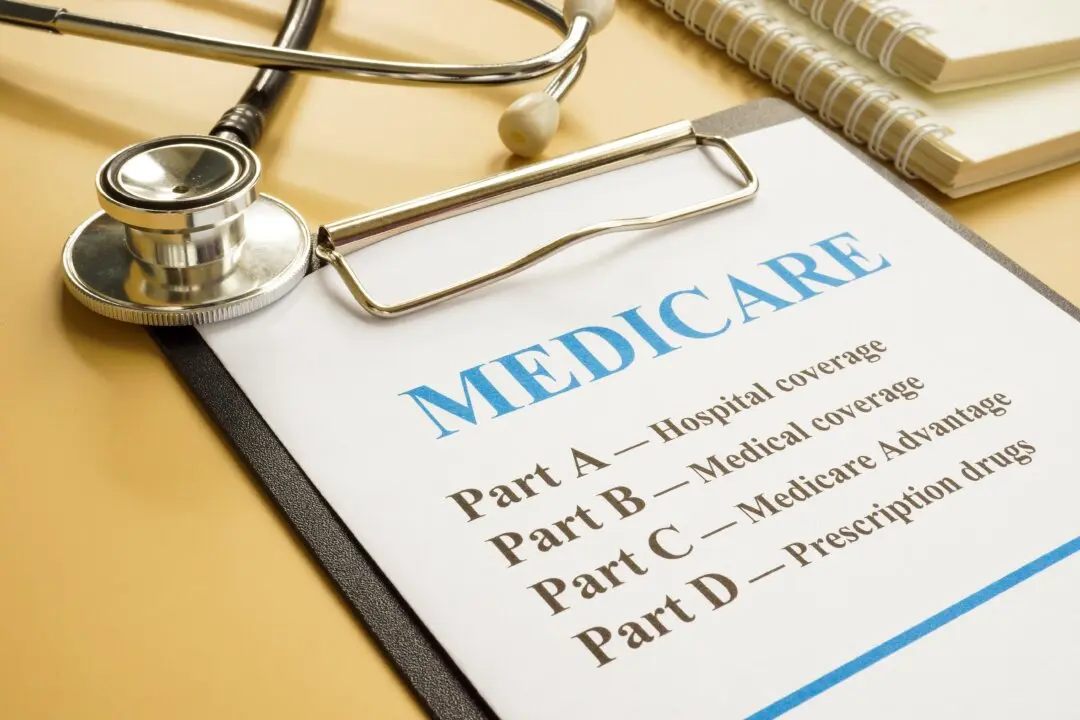
From bogus cures to medical identity theft, scammers are trying to steal your money. But unfortunately, these frauds could injure more than your wallet—they could make you sick or sicker.
Medical Identity Theft
Medical identity theft goes beyond a financial transaction. It can also inhibit your medical care or even cause you legal problems.Consequences of Medical-Identity Theft
Perpetrators use stolen medical identifiers, like cards or numbers, to bill insurance companies for fictitious services or equipment.- A different blood type
- Inaccurate history of drug or alcohol abuse
- Test results that aren’t yours
- A diagnosis of an illness, condition, or allergy you don’t have.
Your health can be hurt in other ways as well.
Medical-identity thieves could cause you to reach benefit limits. This would affect your coverage. You need surgery, but your insurance limits are maxed out, and you can’t receive it.
Avoiding Medical-Identity Theft
You must protect your insurance card and Medicare card just as you would a credit card. These cards are worth a lot of money; potentially more than your credit cards are worth. Ensure you review your Medicare Summary Notices (MSN) and Explanation of Benefits (EOBs) statements and medical bills for suspicious charges. Correct any information immediately.Only give your medical information to Medicare-approved doctors, other providers, and suppliers. And beware of free medical equipment services or goods in exchange for your Medicare number.
Bogus Health Products Hurt Consumers
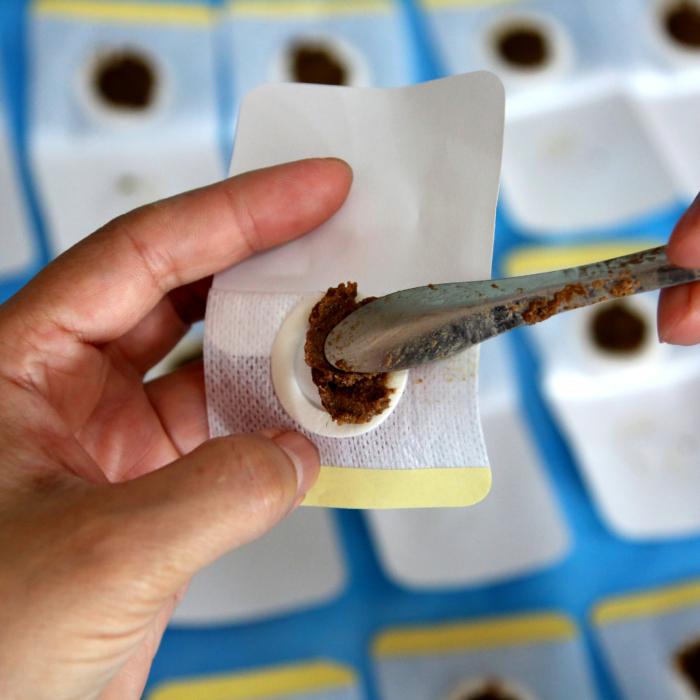
You don’t have to look hard to find bogus health products. They’re pushed to unsuspecting consumers daily. They show up on TV “infomercials,” newspapers, and magazine ads. According to the FDA, consumers spend billions of dollars annually on fraudulent health products.The FDA describes health fraud as “articles of unproven effectiveness that are promoted to improve health, well-being, or appearance.” These can be drugs, devices, foods, or cosmetics for human or animal use.
One Product Cures All
Watch out for products that claim to cure a wide variety of unrelated diseases. No product can treat every condition.If they claim it’s beneficial for arthritis, infections, heart troubles, hardening of the arteries, or a slew of other ailments, it’s likely bogus, and you should beware of it.
Personal Testimonials From Strangers
The FDA warns that personal testimonies can tip you off to health fraud. These are difficult to prove.‘Natural’ Used to Describe Product
The word natural is often used in health fraud as an attention grabber. It implies a product is safer than conventional treatments. But the term doesn’t equate to safety.According to Shelly Maifarth, a compliance officer and health fraud coordinator for the FDA’s Denver district office, “Sixty percent of over-the-counter drugs and 25 percent of prescription drugs are based on natural ingredients.”
She said that any product potent enough to work, whether it’s synthetic or natural, is going to be potent enough to cause side effects.
Time-Tested or New-Found Treatment
The FDA reports that claims of “innovation,” “miracle cure,” “exclusive product,” or “new discovery” are highly suspect. If they were legitimate, they would be in mainstream medicine, not hidden on a website or late-night show.Beware Satisfaction Guaranteed
This one is a big red flag. Fraudulent product marketers don’t stay in one place for long. So, if someone guarantees “rapid weight loss” or “no more pain,” don’t count on a refund when it doesn’t work.Paranoid Accusations Against Legitimate Medical Industry
These products claim that healthcare providers and legitimate manufacturers are in cahoots with each other. They state that they only want to sell you a legitimate treatment, drug, or equipment for financial gain.Report Health Scams and Do the Research
If you’ve discovered a health scam, first tell your friends and family so they won’t become victims. Then report it to the FTC fraud department.Ensure you notify your health insurance company and Medicare immediately if an EOB or MSN is incorrect.
Notify your healthcare providers, including the hospital, if you receive bills for services you didn’t receive. This could save you money and avoid debt collectors.
When considering a product, ask yourself, “Does it sound too good to be true?” Check with your healthcare provider before purchasing the product. You can also check with the Better Business Bureau or your local attorney general’s office to see if the product has received complaints.