Twain’s Habits
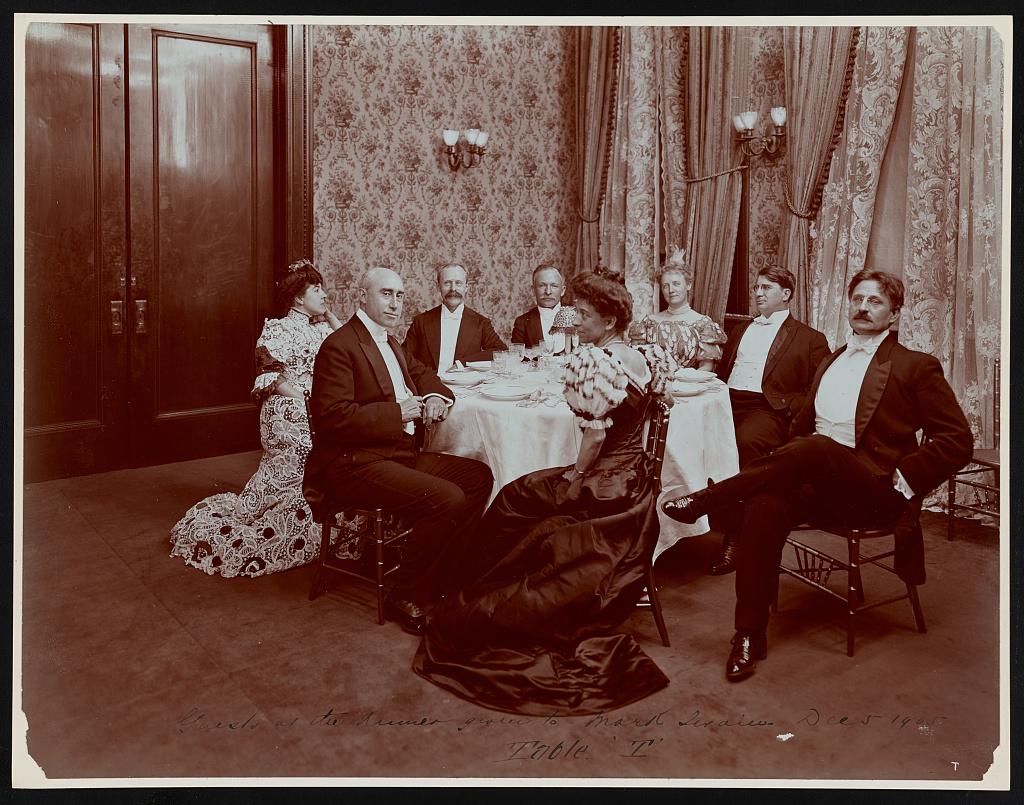
“I have achieved my seventy years in the usual way: by sticking strictly to a scheme of life which would kill anybody else,” Twain said that evening. He pointed out that in the stories told by “garrulous old people we always find that the habits which have preserved them would have decayed us” and that “we can’t reach old age by another man’s road.”He then expounded on the habits that he practiced that might be poison to others, beginning with his sleep routine. “Since forty I have been regular about going to bed and getting up—and that is one of the main things. I have made it a rule to go to bed when there wasn’t anybody left to sit up with; and I have made it a rule to get up when I had to. This has resulted in an unswerving regularity of irregularity. It has saved me sound, but it would injure another person.”
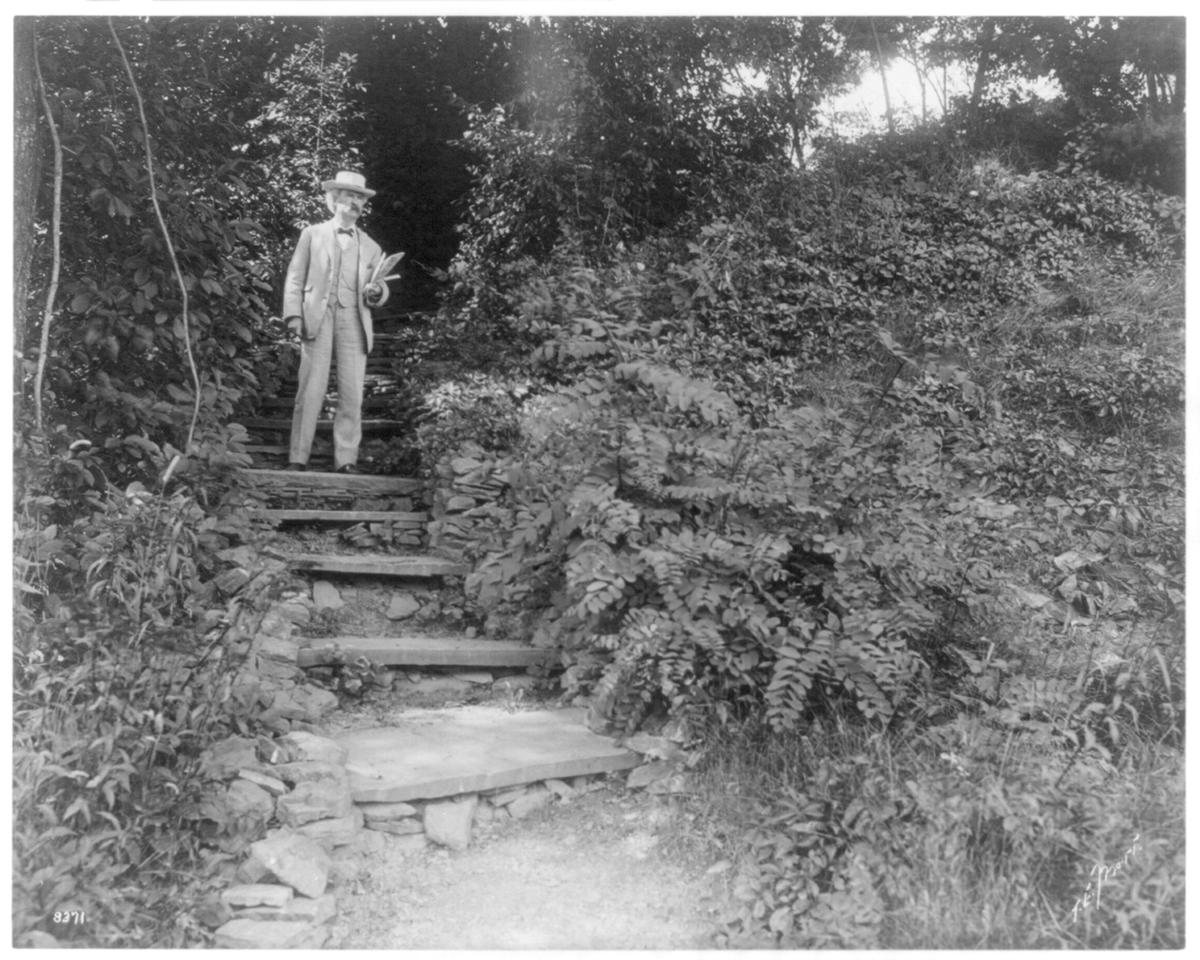
Of eating, Twain said, “For thirty years I have taken coffee and bread at eight in the morning, and no bite nor sup until seven-thirty in the evening.” Alcohol, he asserted, he could take or leave: “I have no rule about that. When the others drink I like to help, otherwise I remain dry, by habit and preference.”
His cigar smoking, to which he paid considerable attention, would appall many of today’s health-conscious crowd, old or young. “I have made it a rule never to smoke more than one cigar at a time. ... It has always been my rule never to smoke when asleep, and never to refrain when awake.” He noted, “I will grant, here, that I have stopped smoking now and then, for a few months at a time, but it was not on principle, it was only to show off; it was to pulverize those critics who said I was a slave to my habits and couldn’t break my bonds.”
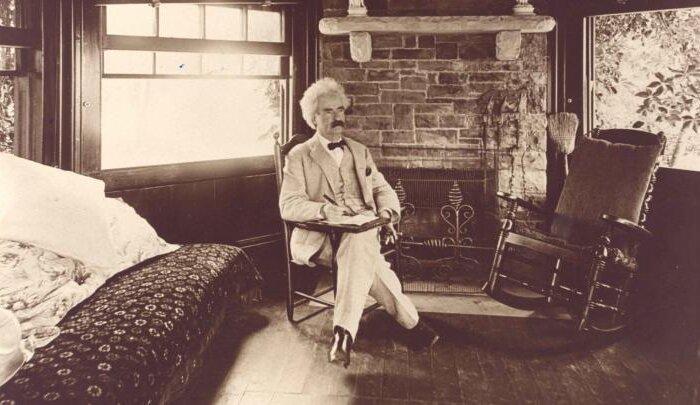

As for exercise, forget about it. Twain said: “I have never taken any exercise, except sleeping and resting, and I never intend to take any. Exercise is loathsome. And it cannot be any benefit when you are tired; and I was always tired. But let another person try my way, and see where he will come out.”
Go Your Own Way
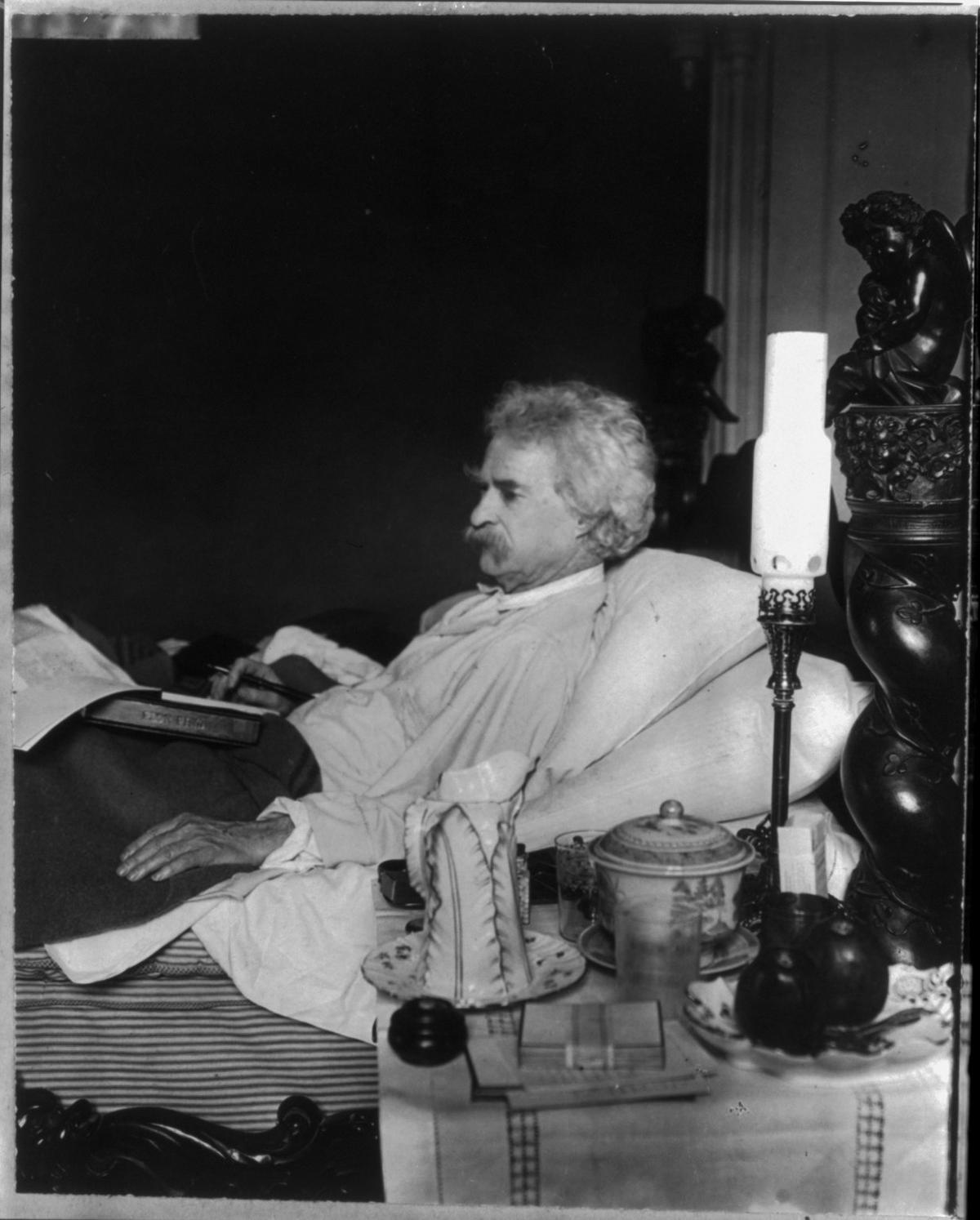
Well into his speech, Twain returns to a main point, saying, “I desire now to repeat and emphasize that maxim: We can’t reach old age by another man’s road.”When we who are grown old compare ourselves favorably or unfavorably to our contemporaries—“He’s in such better shape than I am!” “I’m glad I don’t have to use a walker!” “How does she get away with drinking a bottle of wine every night!”—we need to think of Twain’s maxim. He understood that aging, like life itself, is an inexplicable combination of fortune, genes, and habit, and that one man’s meat is another man’s poison.
Twain’s insight is especially important in our age of social media. The doting grandfather who reads news of an 80-year-old running marathons takes a blow to his self-esteem, unaware that the oldster eating up the miles long ago lost the affection of his children. The woman who spent 40 of her 75 years working in a hospital’s neonatal ward sees a contemporary on Facebook who looks 30 years younger and feels pangs of envy, forgetting that she has triumphed in life by helping to bring thousands of babies into the world.
Laughter Is the Best of Vitamins
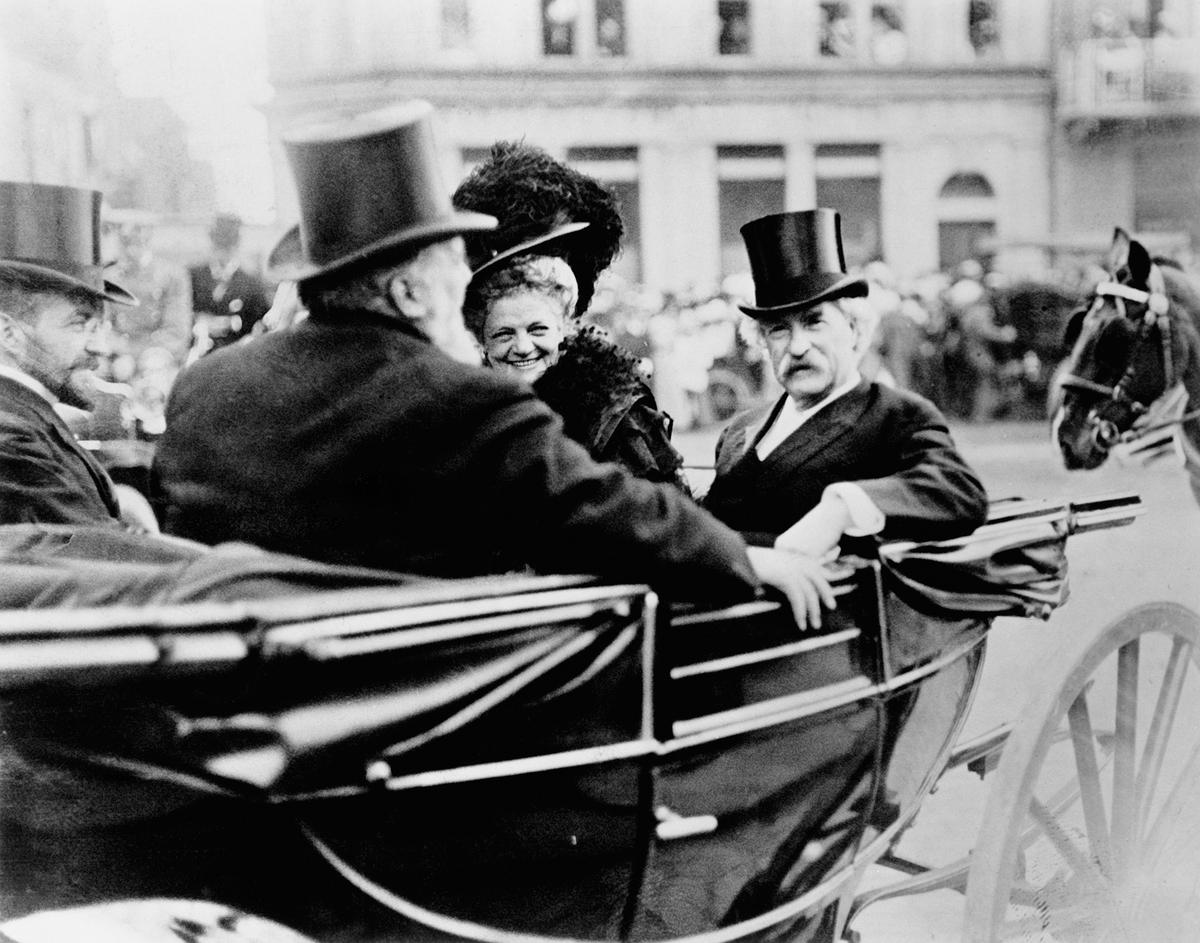
At age 89, beloved film and television personality Betty White wrote of aging, “If one has no sense of humor, one is in trouble.”Yet at the same time, as we can see in his Delmonico’s speech, Twain’s sense of humor and his appreciation of the absurd never deserted him. His capacity for laughter, often directed at himself, buoyed him up in his old age.
As Twain said: “Age is an issue of mind over matter. If you don’t mind, it doesn’t matter.”
A good supply of humor helps us not to mind.
What Were Troubles Become Trifles
At the end of his speech, Twain offered some more serious thoughts. According to a reporter, “the last words were spoken with a voice quivering in emotion,” reflecting Twain’s shift in mood,“Your invitation honors me, and pleases me because you still keep me in your remembrance, but I am seventy; seventy, and would nestle in the chimney-corner, and smoke my pipe, and read my book, and take my rest, wishing you well in all affection, and that when you in your return shall arrive at pier No. 70 you may step aboard your waiting ship with a reconciled spirit, and lay your course toward the sinking sun with a contented heart.”For readers wondering about that pipe, Twain enjoyed corncob pipes as much as his cigars, but what strikes us here is Twain’s vision of peace—nestling in the chimney-corner and finding rest, a spirit of reconciliation, and “a contented heart.”
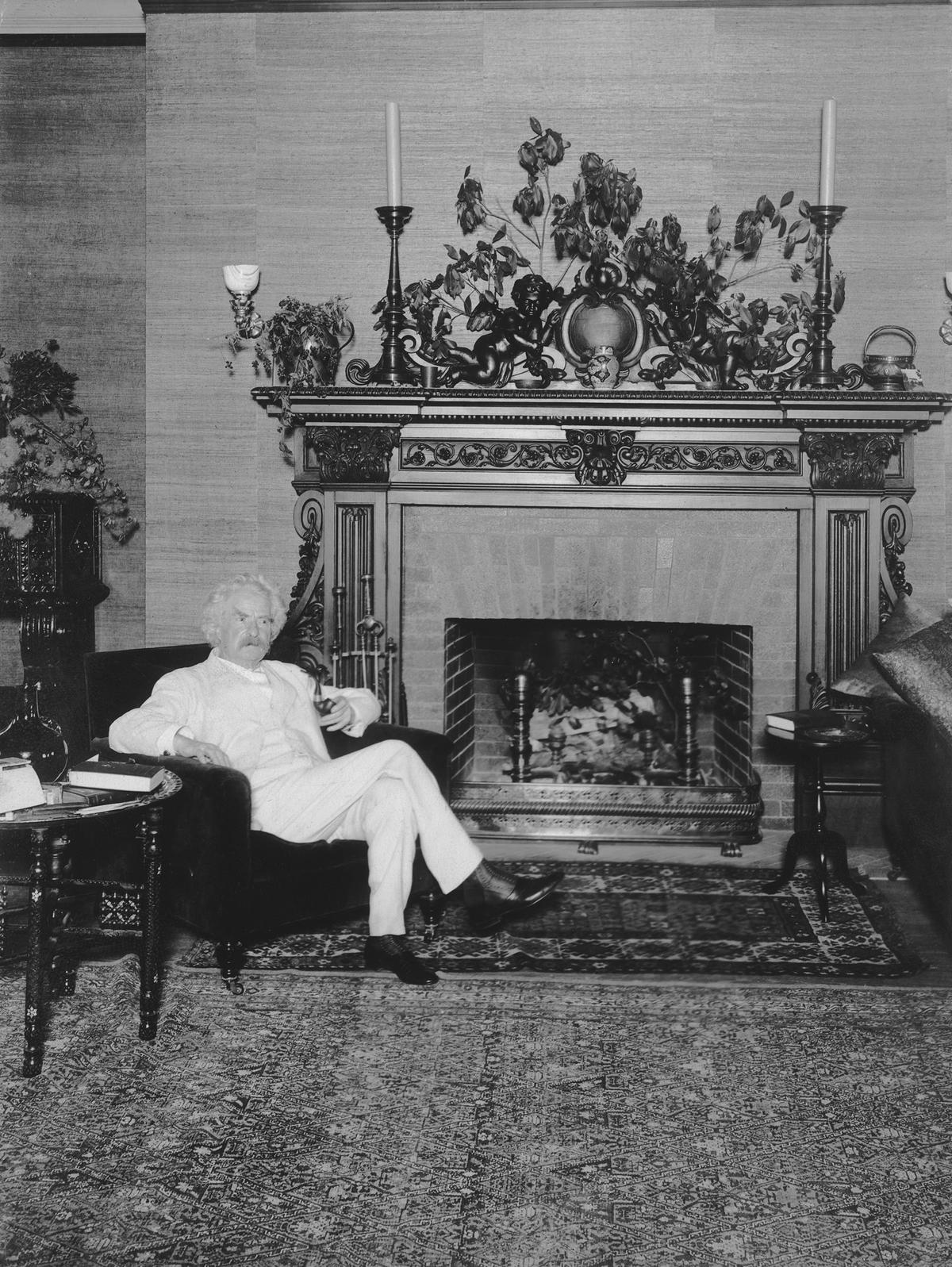
Most of us today don’t anticipate sitting by a hearth, but we may well find that all of those anxieties that plagued us in the past—the school exams, the children we fretted over, the problems at work—are now diminished in stature, as if seen through the wrong end of a telescope.
Twilight
Perhaps that change of perspective is where the fabled wisdom of old age lies, in the realization that only a few things in life really and truly count for much. The years behind us now seem like fires that slowly burned away the extraneous, the overrated importance of power and money and most of the daily news, and the burdens of useless doubts and fears. Left behind are the purified truths of what really matters, such as love and honor and friendship.Twain’s “sinking sun” will eventually fade into darkness. Meanwhile, however, for those able to apprehend that gathering dusk, it gives a lovely light.