NR | 2h 8m | Comedy, Drama | 1973
There’s a slow ache that settles in when a once-noisy home begins to fall silent. Children grow older, daily routines fade, and parents are left to adjust to the gradual retreat of shared time. These periods aren’t usually marked by drama or crisis. These times arrive gently, with a kind of stillness that can feel both natural and unexpectedly lonely.
The film observes how bonds shift with time, how affection can sometimes become obligation, and how love can be the hardest to navigate when it comes disguised as duty. It was one of the last films Ozu made.
Tradition, Friendship, Mischief
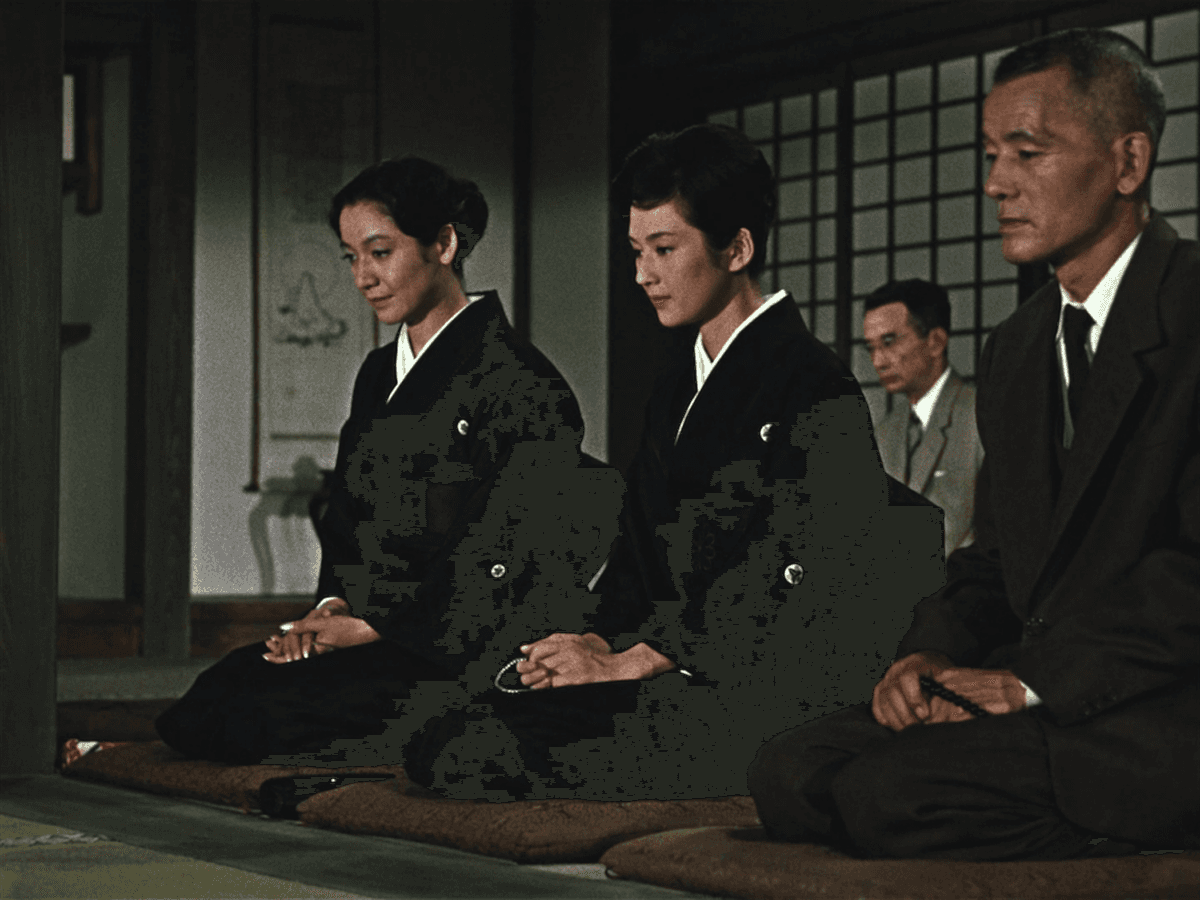
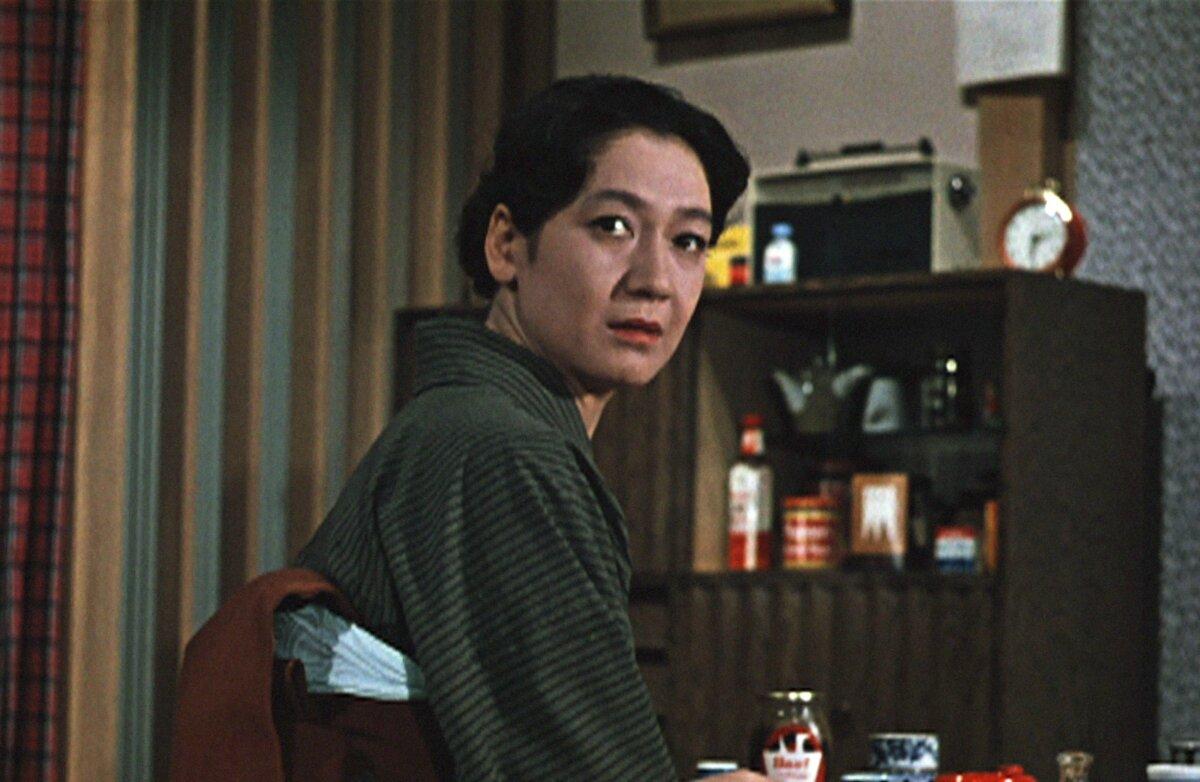
The film opens at a temple, where family and old friends gather to honor the seventh anniversary of Mr. Miwa’s passing. His widow, Akiko Miwa (Setsuko Hara), and daughter, Ayako (Yoko Tsukasa), receive guests with subtle grace.Among them are Miwa’s three longtime friends from the university: Mamiya (Shin Saburi), Taguchi (Nobuo Nakamura), and Hirayama (Ryuji Kita). Now middle-aged and carrying both fond memories and faded rivalries, the men reconnect over post-service drinks and decide to help Ayako find a husband. Their motives mix tradition, affection, and a lingering fondness for Akiko, whom they’ve known since childhood.
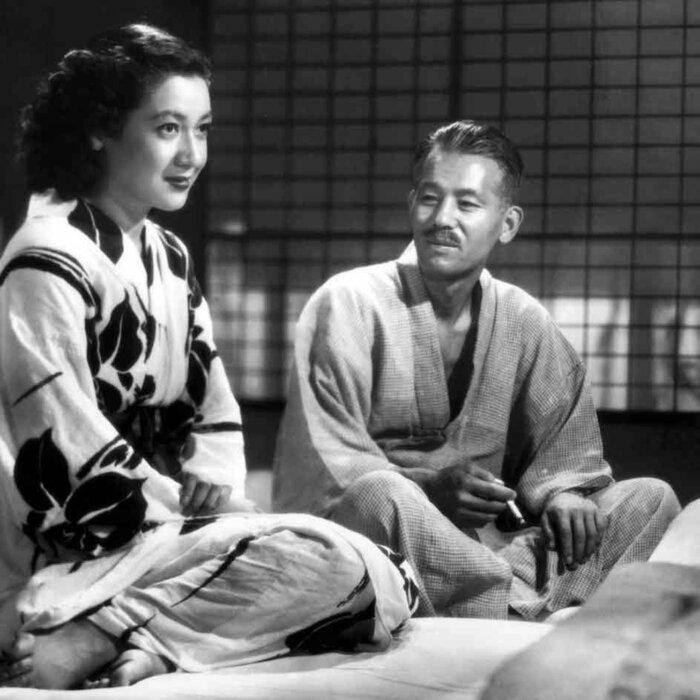
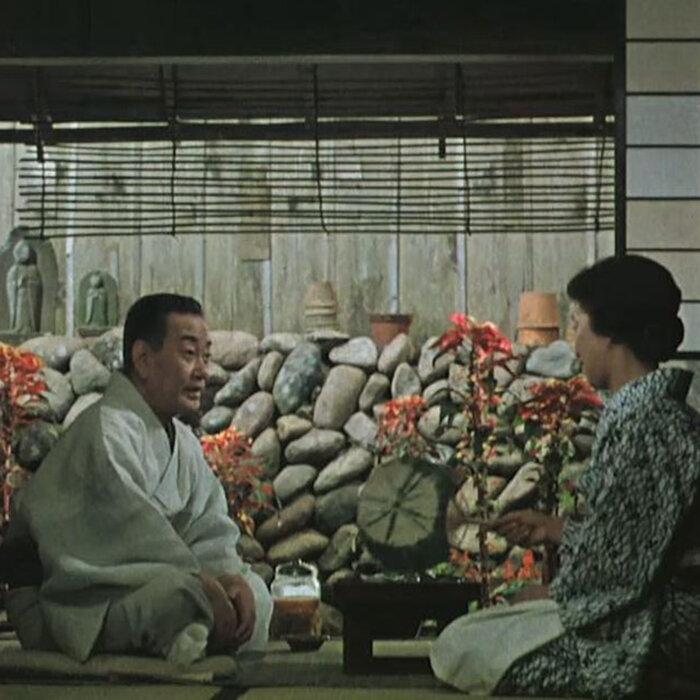
Ayako, however, has no interest in matchmaking. She insists she’s content living with her mother and sees no reason to leave. Still, Mamiya, Taguchi, and Hirayama carry on with their schemes, discussing potential suitors and staging soft interventions over dinners and meetings. Their efforts feel part comedy and part old-school duty, as if they believe securing Ayako’s marriage will restore balance to a world in flux.
Life’s Subtle Transitions
What plays out isn’t a dramatic showdown, but a gentle meditation on the changes time brings. Ayako’s refusal to marry isn’t about rebellion; it’s a way of protecting the life she knows. Akiko, quiet but perceptive, serves as the still center of the film, revealing emotion in the spaces between words.For any fan of Ozu’s work, the intricate tapestry of human desire and affection will feel familiar. The central theme of love between a devoted child and a grieving parent is a thread that runs through many of Ozu’s masterpieces. Some of the most touching moments come from the film’s awkward, often clumsy humor. Alongside “Late Spring” and “The End of Summer” (1961), “Late Autumn” carries the director’s trademark blend of warmth and melancholy that has captivated audiences for decades.
“Late Spring” reveals much about Japan’s recovery and cultural shifts in the postwar years. “Late Spring” shows a rougher, more traditional society awkwardly mingling with American influences. “Late Autumn” portrays a country settling into middle-class prosperity and slowly embracing new ways of life.
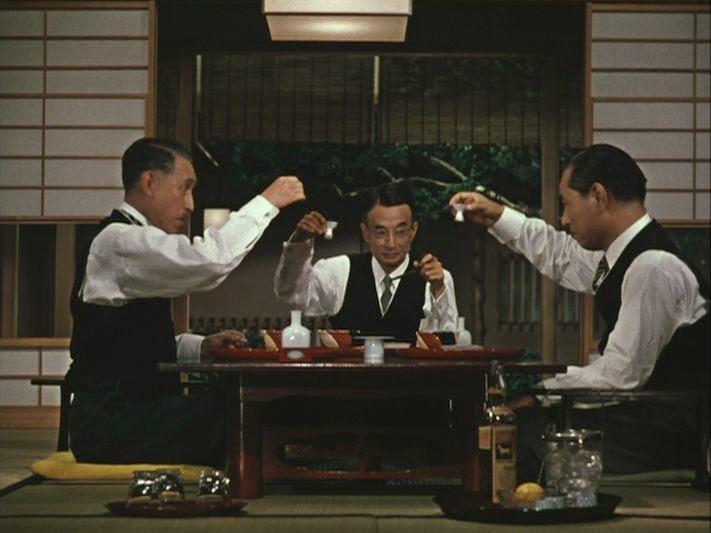
Much of the first half delights are found in the hapless matchmaking efforts of Mamiya, Taguchi, and Hirayama, whose well-meaning but clumsy schemes had me laughing out loud. Their wives getting in subtle jabs here and there adds a perfect touch of playful humor and warmth.
As the film progresses, it deepens emotionally and becomes one of Ozu’s more moving explorations of family, tradition, and shifting times.
The film’s unhurried pace invites viewers to spend time with these characters as they face love, loss, and inevitable change. It reminds us that family bonds can both comfort and confine, and that sometimes the hardest lesson is knowing when to let go.
“Late Autumn” doesn’t shout its truths but leaves a soft, lasting impression. It’s a delicate meditation on life’s rhythms that lingers long after the screen fades to black.