This copy is for your personal, non-commercial use only. Distribution and use of this material are governed by our Subscriber Agreement and by copyright law. For non-personal use or to order multiple copies, please contact The Epoch Times Reprints.
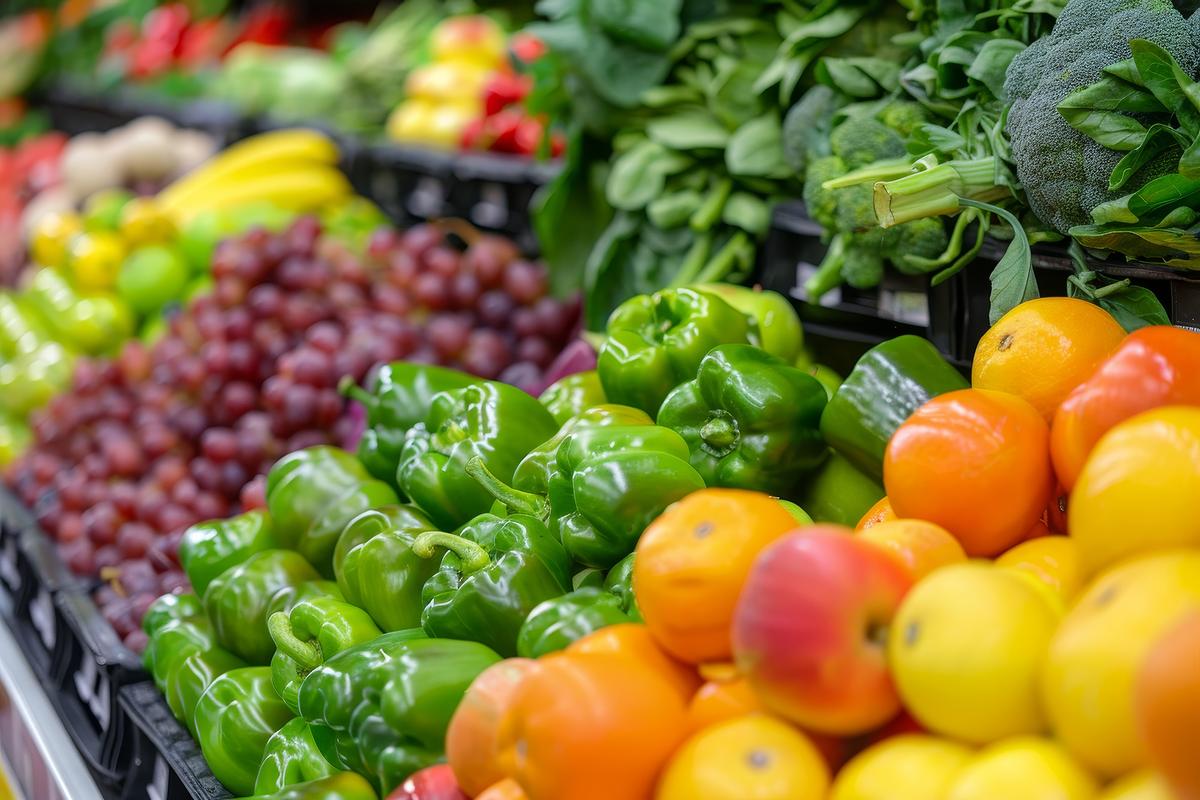
With so many options in the produce aisle, one of the biggest questions that shoppers face is whether to go organic—a choice that comes with a higher price tag.
Is organic truly the healthiest choice when it comes to produce? How can you make healthy produce more affordable?
The Truth About Pesticides
“Organic crops emphasize soil quality, limited use of herbicides and insecticides, and do not use genetically modified organism seeds,” Amy Chow, a registered dietitian and CEO at Find BC Dietitians, Inc., told The Epoch Times.
Similarly, the U.S. Department of Agriculture (USDA) defines organic food as being produced by using sustainable farming practices. It goes on to say that it’s produced without using “most conventional pesticides, fertilizers made with synthetic ingredients or sewage sludge, bioengineering, or ionizing radiation.”
The keyword in the USDA definition is “most.” The Northwest Center for Alternatives to Pesticides said that although organic farming doesn’t use synthetic chemical pesticides, it allows the use of certain naturally derived and nonsynthetic pesticides. Organic doesn’t mean “safe,” “chemical-free,” or “pesticide-free,” because even organic pesticides have chemicals, albeit from an organic origin.
Washing produce helps reduce surface residues, but pesticides may penetrate the skin. Peeling your fruit or vegetables is one of the best ways to remove some of the pesticide residue from conventionally grown produce.
However, the Mayo Clinic points out that regardless of whether U.S. produce is grown organically or with conventional methods, it still must meet the same set of safety standards. According to the 2024 USDA Pesticide Data Program report, pesticide residues found on foods are within safe limits for consumption 99 percent of the time.
Eating a variety of fruits and vegetables is one of the most important steps toward better health. tolem929/Shutterstock
Organic Benefits
Chow pointed to a lack of definitive evidence for long-term health benefits of organic produce. A study by the National Library of Medicine found that “the current evidence base does not allow a definitive statement on the health benefits of organic dietary intake.”
However, a growing number of findings from observational research has linked demonstrable health benefits with organic food consumption. Short-term studies have associated increased organic intake with a reduced incidence of infertility, birth defects, allergic sensitization, pre-eclampsia, high BMI, and non-Hodgkin lymphoma. While these links have not yet proven to be causal, they do suggest that more research is needed.
Organic Versus Conventional Prices
Organic fruits and vegetables tend to ring up more at the cash register than their conventional counterparts. According to a USDA report from April 11, 2022, organic lemons cost 74 percent more, a pound of organic Honeycrisp apples costs 92 percent more, and a pound of organic Brussels sprouts costs 64 percent more than their conventional alternatives.
The Centers for Disease Control and Prevention recommends that adults consume 1.5 to 2 cups of fruits and 2 to 3 cups of vegetables every day. According to Chow, “most people struggle to eat enough fruits and vegetables; one of the top barriers is cost.” If it’s a choice between buying organic and eating enough veggies, she recommends the latter. In her opinion, it’s better to eat the recommended amount of conventional fruits and vegetables than it is to eat lower amounts of organic.
Organic Alternatives
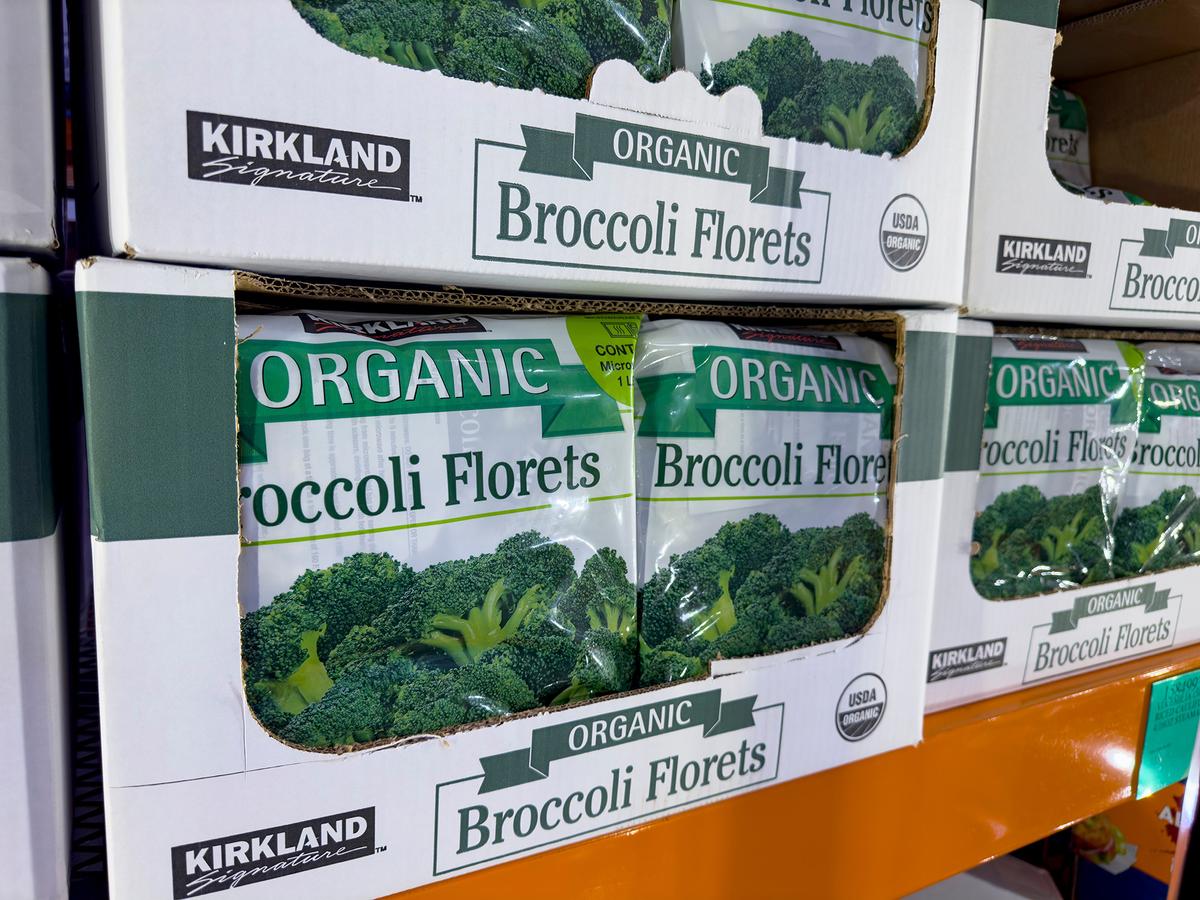
If you prefer organic produce but don’t like the price tag, there’s an alternative: frozen produce.
“Frozen fruits and vegetables are just as healthy and sometimes even more nutritious than fresh produce,” Chow said.
Fresh produce often spends days or weeks in transit. To avoid spoilage, farmers frequently pick fruit or vegetables before they are fully ripened. While this allows them time to ripen by the time they reach the store’s shelves, it gives them less time on the vine to develop nutrients.
Frozen produce, on the other hand, is usually picked at the height of ripeness. The fruit and vegetables are bursting with vitamins and minerals. They are then flash-frozen, which locks in texture, flavor, and nutrients.
A 2017 study found that frozen and fresh produce have similar nutritional content. In the areas where they differed, “frozen produce outperformed ‘fresh-stored’ more frequently than ‘fresh-stored’ outperformed frozen.” The myth that frozen food has less nutritional value is just that—a myth.
Organic frozen fruits and vegetables are available. You'll also be able to buy your favorite fruits and vegetables regardless of the season. As an added benefit, you can defrost only what you need, cutting down on both cost and food waste.
Buying organic is a great way to support sustainable farming practices and enjoy seasonal freshness. The Image Party/Shutterstock
How to Shop for Frozen Vegetables
If you want organic, be sure to read the label. The freezing process may reduce some pesticides, but not all. Only buy brands that contain one ingredient—the vegetable—rather than those that contain additives.
Always choose packages marked with a USDA “U.S. Fancy” shield. This designation is given to premium produce of the best size, shape, and color. They also tend to be more nutrient-rich than the lower grades, “U.S. No. 1” or “U.S. No. 2.”
Check that the vegetables haven’t frozen in a lump. This is a sign that they have been thawed and refrozen, which compromises their quality.
Organic Is a Matter of Choice
If you’re more comfortable with organic and can afford it, then hit the produce department and load up your basket. If you can’t afford it but still want to use organic vegetables and fruits in your cooking, the frozen food section is the perfect destination.
Anne Johnson was a commercial property and casualty insurance agent for nine years. She was also licensed in health and life insurance. She went on to own an advertising agency, where she worked with businesses. She has been writing about personal finance for 10 years.