LOS ANGELES—“Didn’t the roe taste like Fritos?” asked Ryan Phang. The 24-year-old student next to me considered a leaf piled with spot prawn roe, like tiny orange pearls. We chewed on the sea eggs from off the coast of California, and I searched for any note of Fritos chips.
“Maybe,” I replied. I tasted a hint of seawater but not much else. Four courses into a lengthy tasting menu and I was already woozy from the onslaught of flavors, textures, scents, and dramatic plating.
Our lunch was prepared by a team of chefs from Copenhagen led by René Redzepi, a now-notorious figure who withdrew from the L.A. pop-up the day it opened as protests took place outside. And over an afternoon of 16 courses and seven wines, it tested every assumption and bias I’ve ever had about fine dining at its peak expression.
The time commitment? I was there for exactly 4 hours and 37 minutes.
The price? Including a beverage pairing, taxes, tip, and valet: $1,500 per person. That comes out to $93.75 per course.
“This is like our Super Bowl,” said Brett Richardson, a marketer who’d flown in from Brooklyn to join our communal table of eight at the dining room’s center.
There is a cultural divide that is rarely talked about. It’s not liberal versus conservative. Nor vegetarian versus meat eater.
It is between people who can afford and are willing to spend several hundred dollars or more on a single meal versus those who find the concept frivolous or even disdainful. I place myself in the gray zone.
Noma LA continues under the leadership of chef Pablo Soto until June 26.
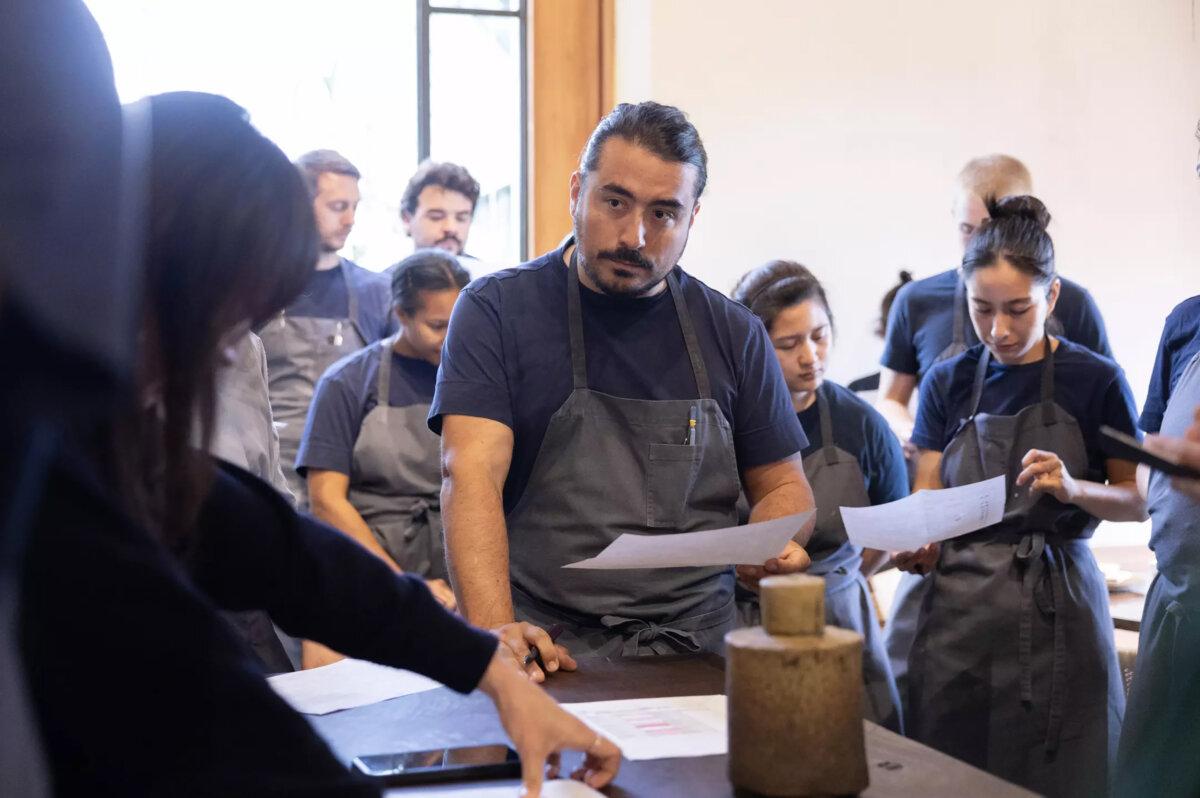
Myung J. Chun/Los Angeles Times/TNS
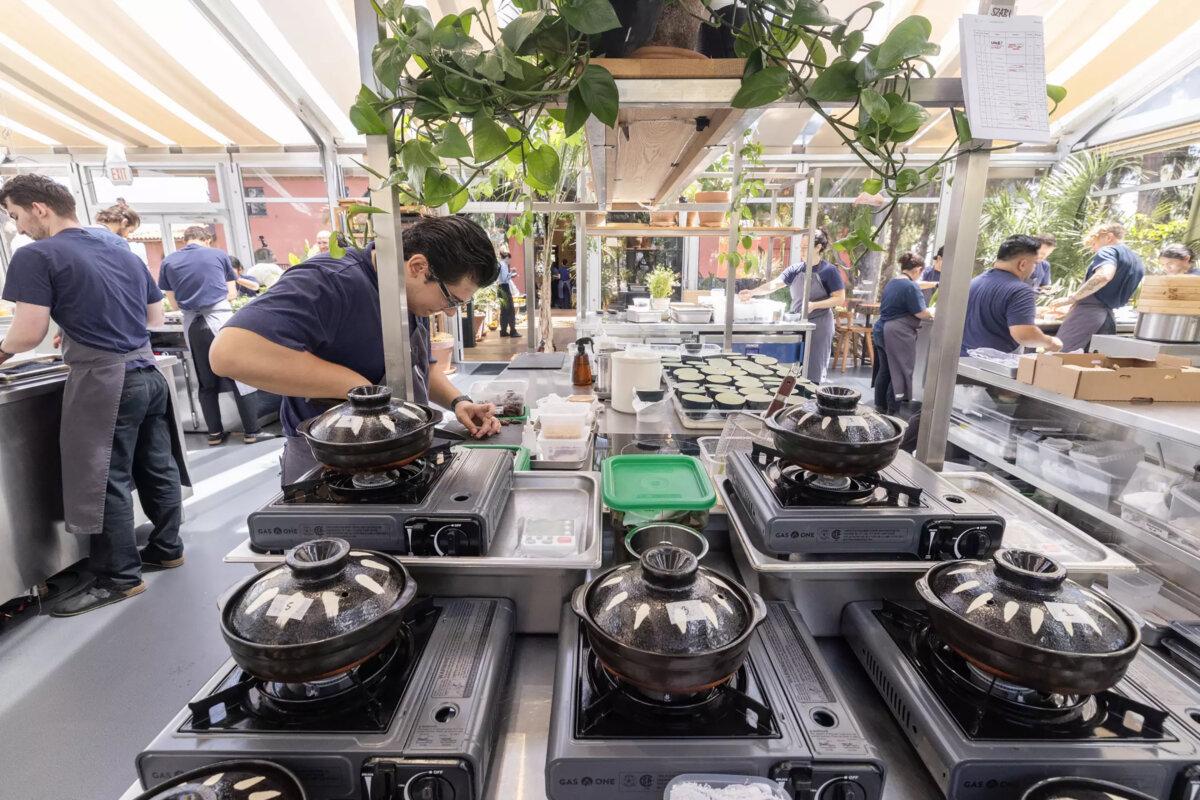
Myung J. Chun/Los Angeles Times/TNS
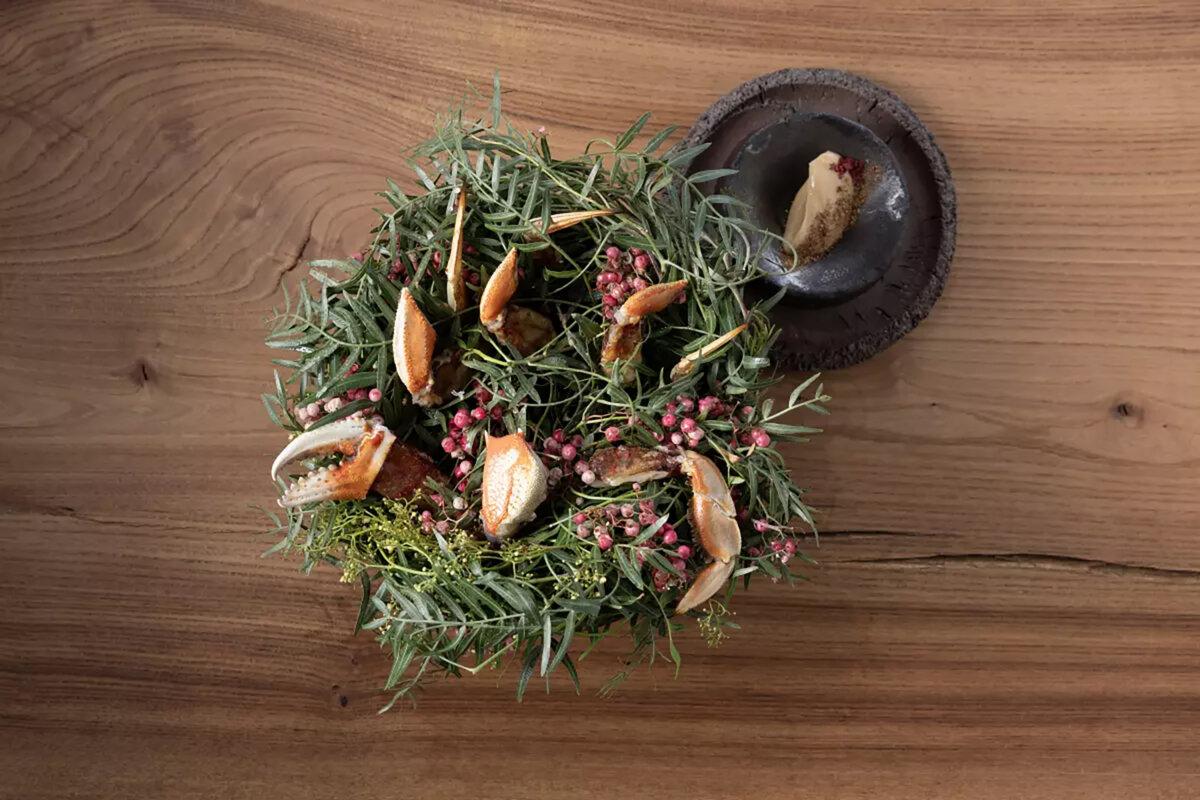
The ocean took the center of the meal. Our first course was fire-grilled Dungeness crab legs in a wreath of pink pepper branches. A daylily flower stuffed with crab followed. Then chilled broth from a deep-purple lobster tail. Collagenous tuna eye, slurped like an oyster shooter from a curved banana flower leaf.
I stared at a layer of hairy fuzz on the pancake exterior. It was made with spongey barley dough, inoculated with koji spores.
“We eat so much mold, all the time. Soy sauce, cheese, miso, huitlacoche, wine has mold, beer in some way,” Soto later said. “The starch in this pancake becomes sweeter.”
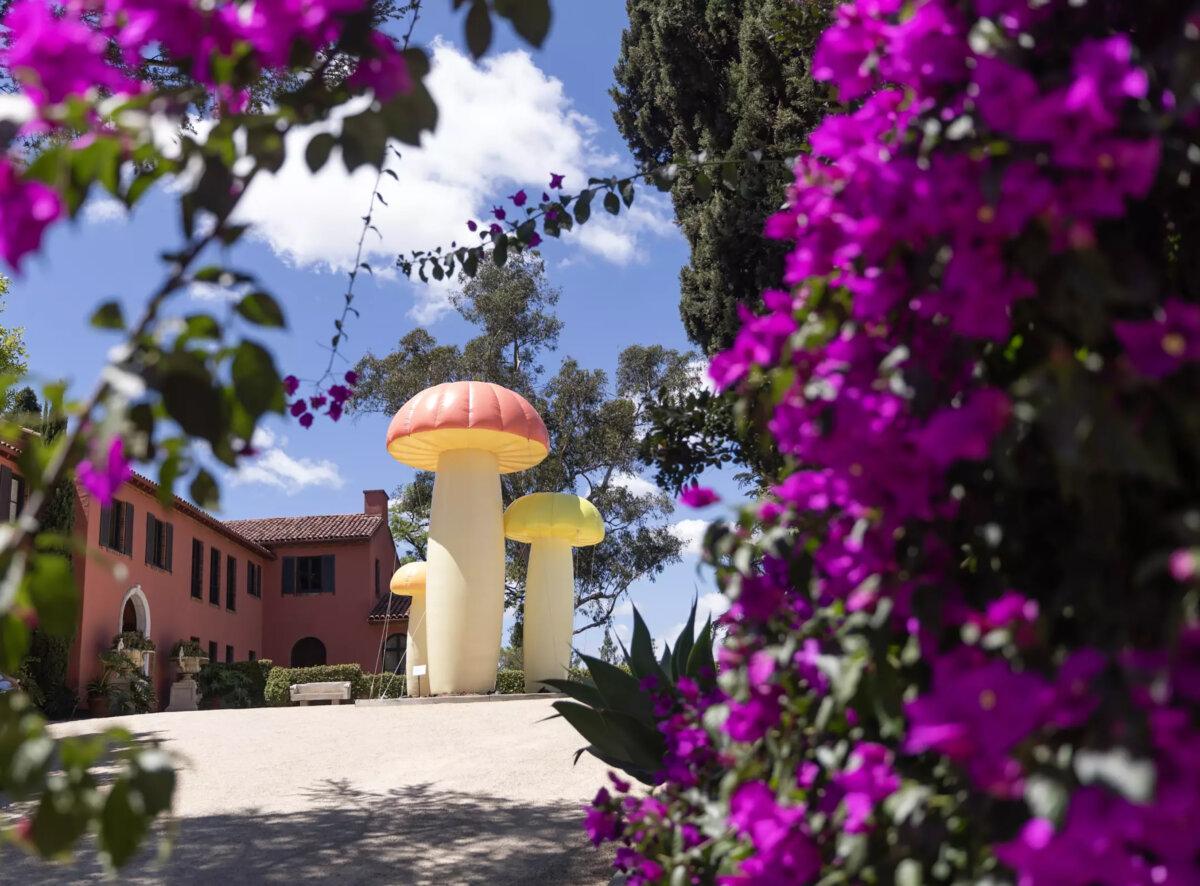
Noma’s effort to reflect California native or culturally relevant ingredients appeared here and there: a loquat from the estate grounds, or a single acorn with local sea urchin.
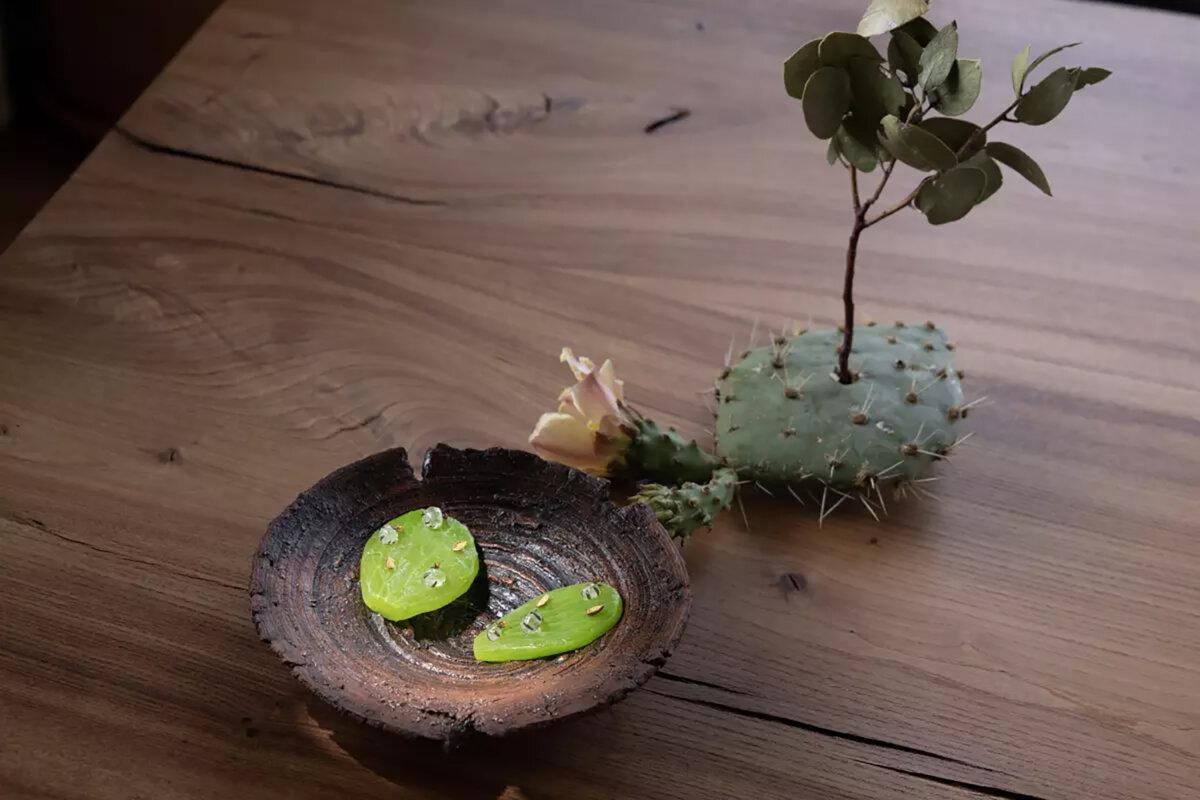
This turned out to be part of the process of the meal. Seeking familiarity in the unfamiliar, submitting to the show, challenging ourselves. But a thought kept nagging at me: $1,500.
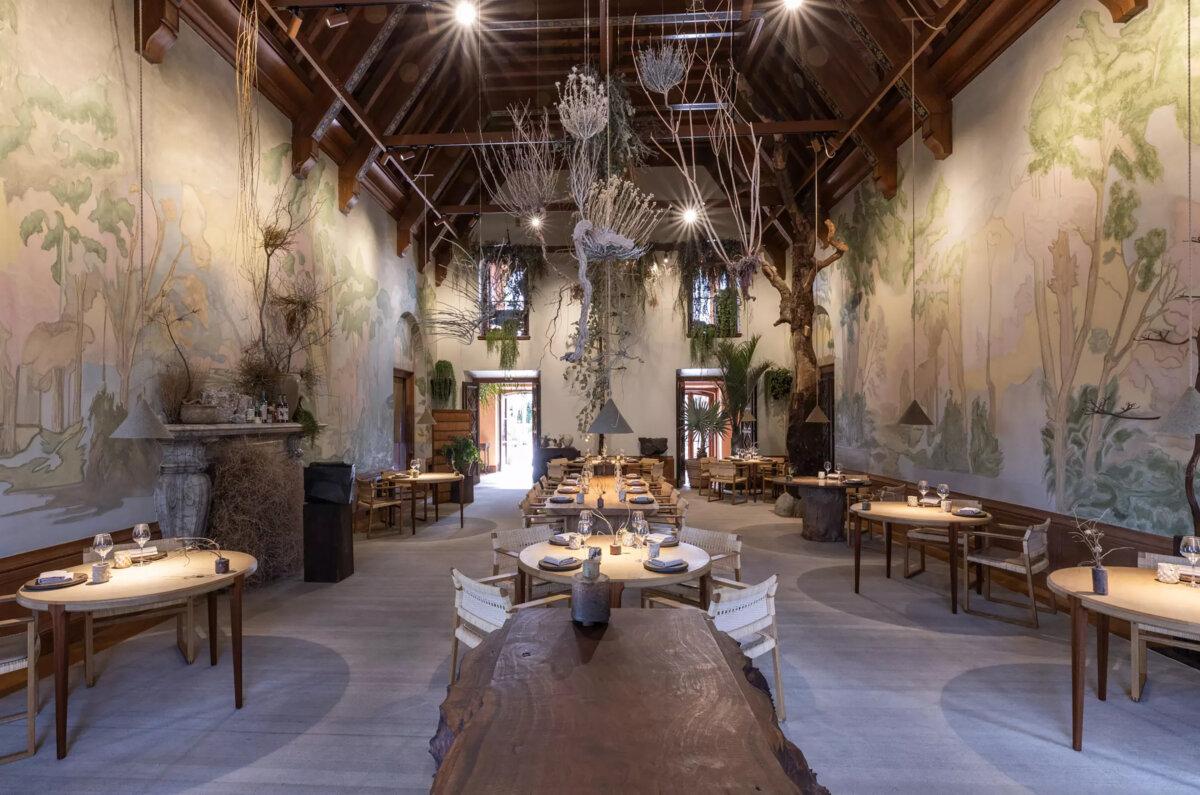
I’ve attempted in my reporting life to understand subcultures on their own terms. But the fine-dining world has been the most challenging for me. Sure, it’s an art form, yet it takes a lot of effort to not see much of it as pure indulgence.
Redzepi’s reputation as a bully is synonymous with the excesses of the fine-dining kitchen brigade system. In popular culture, as seen in films and TV shows like “ The Menu” or “ The Bear,” the cultural caricature includes cooks screaming“Yes, chef!” in unison like soldier-hostages beset with Stockholm syndrome.
The two L.A. Times restaurant critics declined to attend the pop-up.
At our table, Phang didn’t put much stock into the Redzepi controversy. He’d managed to snag a reservation, paid his $1,500 and drove down from the Bay Area. Because he lives for this.
“Lots of people are very close-minded about fine dining,” Phang said. “They think of food as sustenance, and don’t appreciate the art of it. For me, there’s just something about trying to make something the best that it could be that I really like.”
Noma LA was a flash point even before the New York Times reexamined the Redzepi abuse allegations. Its price for many locals came across as out of touch. Neighborhood restaurants struggle to stay afloat in L.A. Yet here come Noma’s army of cooks, foragers and fermenters to tell us how to eat our own food?
Redzepi and team spent months in Southern California to form the menu. The operation employs about 100 staff, most flown in from Denmark and provided with housing and schooling for their kids. About 25 people were hired locally. At least 25 nationalities are represented, said Soto, a native of Mexico City who became chief of Noma’s kitchen two years ago.
Redzepi told The Times that despite how outrageous the price per seat may sound, the whole project would barely break even. And that was before the awkward exits of American Express and other sponsors.
“I struggle to think that there’s any restaurant that is charging what they are supposed to charge for food,” said Soto.
Meaning all dining should be more expensive?
“100%,” the chef said. Noma insists on paying a living wage, paying interns (after previously not doing so) and codifying a three-day weekend for staff, without exception.
All of this costs resources, he noted, because in most fine restaurants, “someone somewhere is getting shorted in the system. Someone is paying the price. Maybe the animals are getting shorted! So I think we are in the process of discovering, how can we make this better?”
If all that is the case, who in the end is an experience like Noma LA really for?
Certainly, it’s for rich people. Hollywood mogul Ari Emanuel had a birthday here, Page Six Hollywood reported, and Elon Musk was among the guests.
But it’s also for people like Anthony Phung, a 22-year-old doctoral student in bioengineering. He said one of his goals in life is to eat at all the world’s three-starred Michelin restaurants.
“It’s a dream,” Phung said. “I’m not into cars or expensive hobbies. Spending money on the elevation of cuisine is something that I want to pursue, and hopefully gain more knowledge about different cultures.”
Phung said he’s well aware of the social sting around this meal: “I have friends who are messaging me, ‘Why are you supporting a crime scene?’” using a refrain chanted by Noma’s protesters.
“I also want to know the perspective of the workers, the team here,” he added. “It’s not just René, René.”
I looked around. Whether server, sommelier or chef, these professionals seemed totally at ease. No hushed tones or downtrodden eyes. The team presented as international and age-diverse. The youngest is in their early 20s, Soto said.
Phang said it was silly to claim that only billionaires pay for this sort of thing.
“It’s just what people value,” he said. “It could be just as ridiculous to spend tons of money [on] sports [tickets when] you could just watch at home. Often the view from the TV screen is better than the one you get at the seat.”
Richardson, the guest from Brooklyn, eventually asked our server Alexandra Raitaneva point-blank what she thought of the Noma LA controversy. Why not, she replied, “we didn’t get a PR script or anything about this.”
Raitaneva described the intense external pressures and how the staff banded together in support of one another. “We made our own little bubble here.”
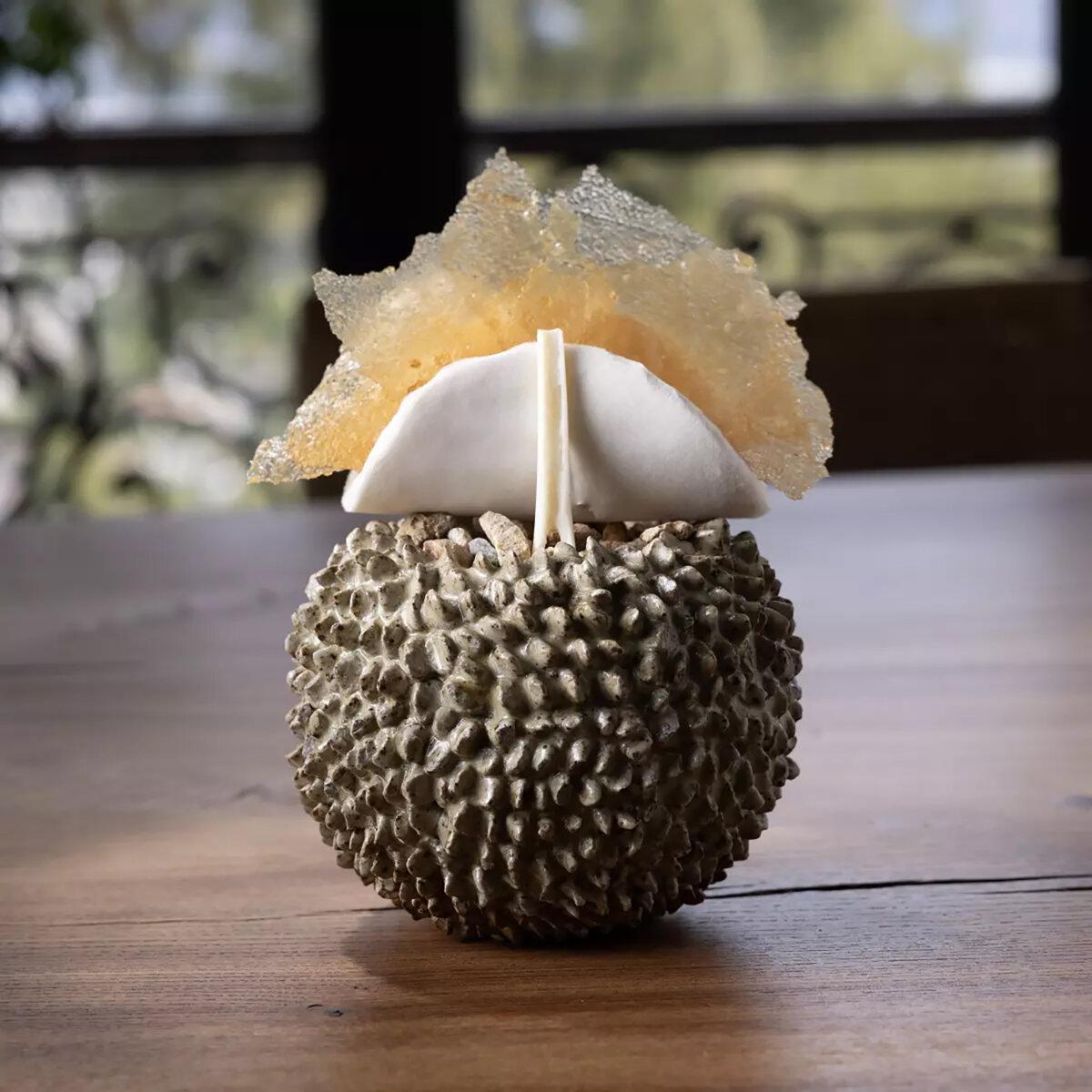
Noma LA does feel like a bubble. And by the time the last dessert arrived—a fortune cookie of chocolate mousse from Chiapas wrapped in a fern leaf—I couldn’t point to a single bite that tasted truly extraordinary. At least not in comparison to what L.A. has to offer.
Nothing as consistently mind-blowing as the milpa salad by Fátima Juárez at Komal ($10.50), or the tlayuda with moronga by Alfonso “Poncho” Martinez at Lugya’h ($25), or a single barbacoa taco by Gonzalo Ramirez at his family’s sidewalk puesto in Arleta ($3).
As the meal concluded, I felt my company credit card practically burning in my pocket, and left with one central question: Is this worth it?
“I actually appreciated the transparent pricing,” said Richardson, 35. “I do think it was worth it. I’m going to remember that meal for the rest of my life. I’m very thankful I can personally spend money on something like this.”
Certain people will pay for a Noma experience, or fume that it even exists, no matter the price. And after tasting it myself, it feels like I’ve now been admitted into some happy, self-satisfied cult. That, I guess, is what you pay for.