If you’re considering borrowing against your home with a home equity line of credit (HELOC), shopping around for one beforehand is crucial—both for the most competitive interest rate and for other favorable terms and conditions, too.
HELOCs come with several expenses and conditions that impact the cost of the loan over its lifetime: prepayment penalties, the length of the draw period, minimum draw amounts, interest-only payments, and annual and “lock-in rate” fees. You’ll likely need a strong credit score as well, but lenders will also consider your debt-to-income ratio and your overall financial profile.
Here we’ll explore how to shop for a HELOC and provide 10 tips to get you started.
What is a HELOC?
10 Tips to Get the Best HELOC Rate
1. Maintain Good Credit
Takeaway: Having a higher credit score will help you get lower rates, so do what you can to raise yours before you apply.
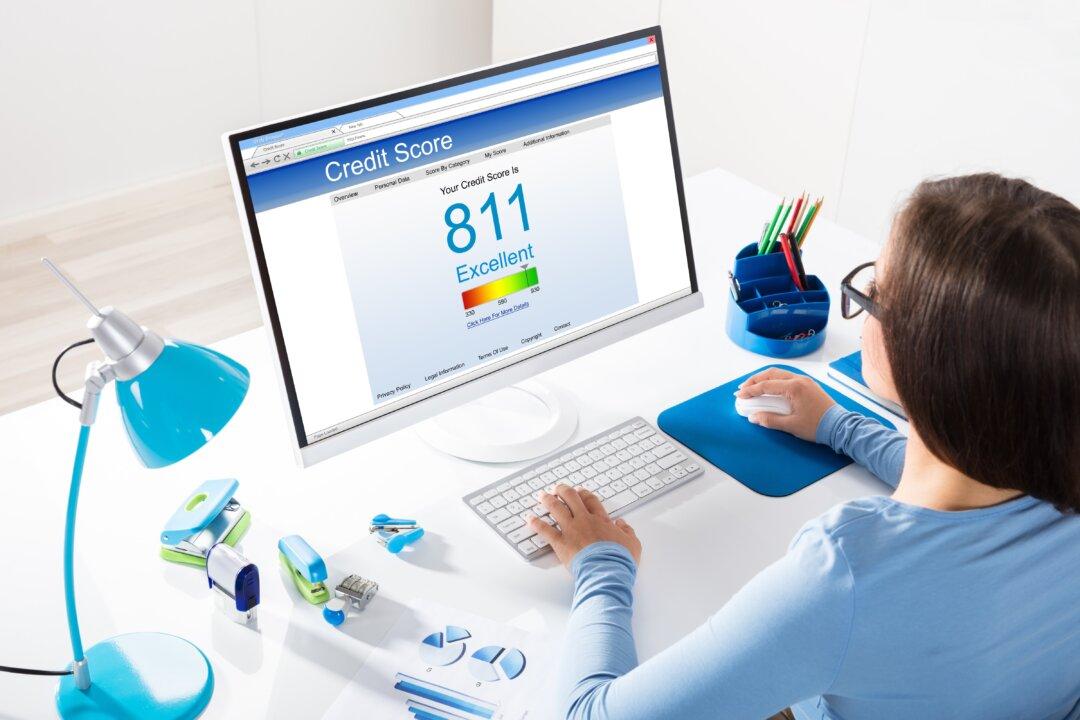
A credit score of 700 or above will most likely qualify you for the best interest rates, though homeowners with scores as low as 620 might still get approved.
“It’s all part of the riskiness factor for the lender, if they’re gonna lend to you or not,” says Sacha Rady, Realtor and real estate advisor at Compass in Atlanta. “They want to make sure they get paid back. The lower the credit score, the higher the interest rate you’re going to have.” Your credit score will also determine which loan products you might qualify for.
- Check your credit report and dispute any errors
- Keep your credit card balances low
- Make all credit payments on time
- Hold off on acquiring new debts or credit cards shortly before you apply (your score declines when you open an account)
2. Calculate Your Equity
Takeaway: You’ll likely find lower HELOC rates if you have substantial equity built up in your home.- $325,000 (home value)—$215,000 = $110,000 (amount of equity in dollars)
- $110,000 / $325,000 (home value) = 0.338 (33.8 percent equity)
3. Consider Different Types of Lenders
Takeaway: Your own bank or credit union is a great place to start looking for a HELOC, but it’s always best to compare rates from at least a few other lenders to make sure you’re getting the most competitive terms.- •National banks
- •Smaller community banks
- •Credit unions
- •Online lenders
4. Understand Introductory Rates
Takeaway: Know how and when your HELOC interest rate might change during the draw and repayment periods.“Some lenders offer very attractive introductory rates for the first six to 12 months only to increase it meaningfully after that period,” says Vikram Gupta, head of home lending strategic partnerships at Wells Fargo.
5. Look for Rate Caps
Takeaway: A low rate cap protects you against a market of rising interest rates.The interest rates on HELOCs are based on a benchmark rate or index, like the prime rate, plus an additional percentage, or margin, your lender puts on. They are usually variable, fluctuating with their benchmark.
6. Factor in Fees
Takeaway: When comparing lenders, be sure to consider any relevant fees, as well as the interest rate, in order to get a true picture of the total cost of the loan. Even with fees, some loans may still end up having a lower overall cost.While obtaining a low interest rate is important, the fees associated with a HELOC also play a big factor in your final cost.
- Origination fee: An amount that the lender charges for processing and approving your HELOC application.
- Third-party fee: A fee charged by an outside servicer for work done pertaining to your loan, like an appraiser, legal counsel, or individuals doing a title search.
- Annual fee: A yearly expense charged by your lender to keep your account open for the duration of the loan.
- Inactivity fee: A fee levied by the lender if you do not draw on the account for a specified (by the lender) period.
- Early closure fee/prepayment penalty: Expense charged if you pay off your HELOC early and close your account–usually within the first few years.
- Lock-in fee: This is a fee to fix the interest rate on all or part of your HELOC balance (more on this in tip number nine) during the draw period.
7. Watch Out for Balloon Payments
Takeaway: A low rate may not be worth it if the trade-off is a huge balloon payment at the end of your term.Getting a low monthly rate may seem like the most important factor when choosing a HELOC, but sometimes those low rates come at the expense of a balloon payment. A balloon payment requires you to pay off your remaining balance in a lump sum at the end of your term—a potentially huge payment if you’re not prepared for it.
8. Choose Shorter Draw and Repayment Periods
Takeaway: Shorter draw periods and repayment periods pose less risk to the lender, so you may be offered lower interest rates if you have the option to choose shorter terms.Many lenders have only one set of HELOC terms, but some lenders may let you choose the length of your draw period and the repayment period. Opting for a shorter repayment term can decrease the amount of interest you pay.
9. Look for Fixed-rate Options
Takeaway: If interest rates are low, fixed-rate options during the draw period could be a selling point. Even if the lock comes with a fee, it may be worth it to avoid future rising rates.More and more lenders are offering the option to convert some or all of your HELOC balance into a fixed-rate loan for a set period of time, sometimes without a fee. This is a good option if you want to lock in the interest rate without worrying about potential fluctuations in the market. Doing so may allow you to pay less out-of-pocket during the loan’s lifetime, too.
10. Take Advantage of Discounts
Takeaway: Autopay or member discounts are possible ways to lower the APR on your HELOC, so look for ways to save wherever you can.If you have an existing relationship with a bank or credit union, you may qualify for member discounts on your HELOC rate. Many lenders also offer rate discounts for setting up automatic payments.
“Some lenders offer what I call bundled pricing,” says Jean Chalifoux Kiely, executive vice president and director of consumer banking at Sunrise Banks, based in St. Paul, Minn. “The deeper the relationship, the deeper the discount.”
Bottom Line on Getting the Best HELOC Rate
A HELOC can be a useful way to cover large or unexpected expenses. In many cases, HELOCs are a better bet than credit cards, personal loans and even home equity loans. But in the current economic environment, it’s more important than ever to do your due diligence before choosing a lender.Frequently Asked Questions
- How fast can you get funding from a HELOC? HELOC funds are generally available four business days after the closing (there’s a mandatory three-day waiting period, to give the borrower time to cancel).Getting approved for a HELOC, however, can take up to a month—the application process is similar to that of a mortgage. Even so, some lenders, especially online ones, promise decisions and funding in as little as three or five days.
- Is it hard to get a HELOC right now? The denial rate on HELOC applications in the second quarter of 2025 was 38.29 percent, according to the Home Mortgage Disclosure Act. In other words, over a third of HELOC applicants were turned down. But back in 2020, the rate reached as high as 60 percent, suggesting it’s significantly easier to get a credit line nowadays.
- What is the best place to get a HELOC? The best place to get a HELOC is with a lender that offers the most affordable interest rates and the most competitive loan terms. Carefully review a lender’s policies regarding prepayment, refinancing, setting rate ceilings and floors, and adjusting the HELOC’s credit line limit to ensure the terms offered work for your needs.A lender’s reputation is also important. Lender reviews, which often incorporate borrowers’ comments, can give you a sense of the quality of the lender and the customer service provided.
Key Takeaways
- Shopping around for a HELOC can help you discover the best interest rate and terms.
- A variety of factors can impact your overall loan cost, including prepayment penalties, origination fees, maintenance fees, and minimum draw amounts.
- Maintaining a good credit score is one of the key ways to obtain a competitively-priced HELOC.