We can all fall victim to lifestyle creep at some point in our lives. Initially, it’s just a few small changes, such as upgrading your phone or treating yourself to a nicer dinner. Small splurges, however, can eventually become consistent expenses that gradually erode your savings.
Eventually, you may live paycheck to paycheck until you gain better control of your finances. Sometimes, you wonder where your money goes every month, regardless of your income increases. As such, lifestyle creep must be identified and reversed for long-term financial stability and freeing up time for what really matters.
So, let’s examine some steps to help identify lifestyle creep and actionable ways to reverse it.
Understanding Lifestyle Creep
When a person’s income rises, so does their discretionary spending. This is known as lifestyle creep, or lifestyle inflation. Usually, such increments are subtle and do not seem excessive. For instance, you might feel entitled to upgrade certain aspects of your lifestyle as your career progresses and your income rises. It could be a newer car, a larger apartment, or a more lavish vacation.However, there is a risk of lifestyle creep becoming a financial trap. Rather than building wealth with the extra income, it is absorbed into higher living expenses. As these expenses become a new baseline, it becomes difficult to revert to previous habits.
Reversing Lifestyle Creep
Lifestyle creep can negatively affect financial stability, which reduces savings and increases debt. The reason? Even though people earn more, they may still live paycheck to paycheck. The following are some tips for reversing lifestyle creep:1) Establish a Financial Baseline
To reverse lifestyle creep, you must first understand your current financial situation. Start by reviewing your latest bank and credit card statements. Look for any significant expenses you didn’t have a few years ago and compare discretionary expenses with essential expenses. Subscription services, dining out, shopping, entertainment, and travel are all common areas of lifestyle creep.As you become more aware of what you’re spending your money on and what expenses originally weren’t there, you can begin to evaluate:
- The essentials
- Nice-to-haves
- The things that aren’t
2) Identify Your ‘Why’
You must align your spending habits with your actual values and long-term goals to reverse lifestyle creep. Consider why you want to curb your spending by asking:- Would you like to retire early?
- Are you saving for a big purchase, such as a house?
- Do you want to improve your financial security?
You may want to consider writing down your goals and breaking them down into tangible steps. For instance, if you plan to buy a home, determine the amount of the down payment and set a target date. By setting clear goals, you can resist temptations leading to unnecessary spending.
3) Differentiate Between Wants and Needs
The biggest challenge in reversing lifestyle creep is distinguishing between “wants” and “needs.” We often get accustomed to certain comforts, which blur the line between wants and needs. Lifestyle inflation, for example, has normalized buying the latest smartphone every year as a necessity.When purchasing items in the future, consider whether they are truly essential or if they are items you are used to. When you know what items are wants versus needs, you’ll be better able to make spending choices that reflect your goals.
4) Revisit and Adjust Your Budget
If you haven’t been working with a budget, now is the perfect time to start. If you have a budget, you might want to revise and adjust it to curb unnecessary spending. You should allocate a specific portion of your income to savings, investments, and debt repayment. After that, set a limit for discretionary spending categories like dining, entertainment, and shopping.

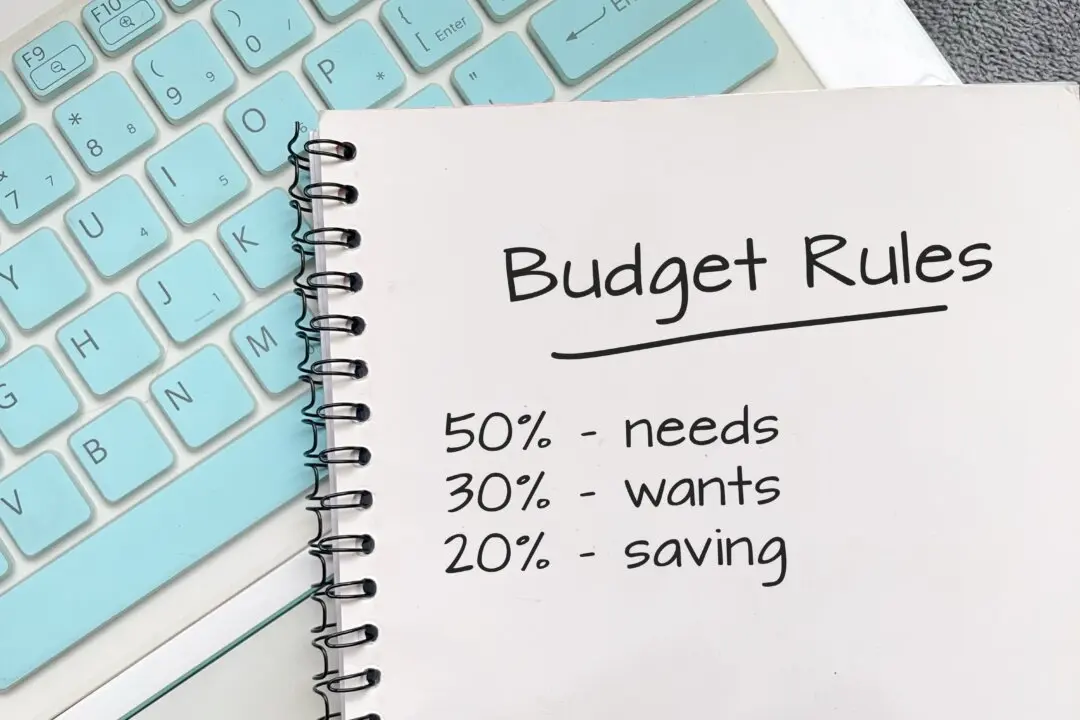
Additionally, you may consider using a budgeting method like 50/30/20:
- 50 percent of your income goes toward needs.
- 30 percent is allocated to wants.
- 20 percent is set aside for savings or debt repayment.
With the help of apps and tools, you can track your spending in real-time and stay on budget. When you track your expenses regularly, you will be more aware of what you’re spending your money on.
5) Downsize Where Possible
Consider downsizing if lifestyle creep has led to significant upgrades in your living situation, car, or other high-cost items. You may feel that moving to a smaller apartment or choosing a cheaper car is a step backward. However, it can provide you with a lot of financial relief and allow you to invest more in your future.While this can be challenging, it doesn’t mean your life has to change drastically. Over time, little changes can have a huge impact. Rather than dining out three times a week, try cutting it back to once. Alternatively, if you have multiple streaming subscriptions, decide which ones you really use and cancel the rest.
6) Set Boundaries and Avoid Future Lifestyle Inflation
After making changes, setting boundaries is essential to prevent lifestyle creep from sneaking back in. A few ideas are as follows;- Practice “wait before you buy.” If you are considering a non-essential purchase, consider waiting 24 hours to see if it is truly something you need or want. This will reduce impulsive spending.
- Automate your savings. Set up monthly automatic transfers to an investment or savings account. You’ll be less likely to spend money if you move it out of your main account after you’re paid.
- Limit social comparison. It is common for lifestyle creep to be driven by a desire to keep up with other people. Remember that your financial journey is unique, and avoid comparing your situation to another’s.
7) Celebrate Financial Wins
It’s not always easy to reverse lifestyle creep, so celebrate your progress. Whenever you achieve small milestones, like saving $1,000 or reducing discretionary spending, reward yourself in a way that doesn’t involve spending. Take time off to relax, spend time with family, or pursue a hobby you enjoy.You’ll stay motivated and reinforce positive habits if you celebrate financial wins.
8) Invest in Experiences Over Things
Research shows that investing in experiences rather than things leads to greater happiness and satisfaction. If you want to spend on something non-essential, look for memories that align with your values.When you change your mindset, you can prevent lifestyle creep and make more meaningful and enjoyable spending decisions.
Wrapping Up: Reversing Lifestyle Creep for a Brighter Future
As people advance in their careers and earn more, they often experience lifestyle creep. But, it’s possible to reverse lifestyle inflation by recognizing, acting, and setting boundaries. Also, remember your long-term goals; the ultimate reward isn’t a new gadget or a bigger apartment. It’s the freedom and financial security to live your values.By John Rampton
The Epoch Times copyright © 2024. The views and opinions expressed are those of the authors. They are meant for general informational purposes only and should not be construed or interpreted as a recommendation or solicitation. The Epoch Times does not provide investment, tax, legal, financial planning, estate planning, or any other personal finance advice. The Epoch Times holds no liability for the accuracy or timeliness of the information provided.