On June 17, 1942, the U.S. Army published its first issue of Yank, the Army Weekly. The magazine was staffed by enlisted soldiers and noncommissioned officers, with commissioned officers fulfilling administrative roles. The officers, however, were not allowed to reject work submitted by the staff, which enabled creative soldiers to create cartoons, write articles, publish their photographs, and even put together a complaint column.

This freedom of the press within the U.S. military had two important advocates: President Franklin D. Roosevelt and Secretary of War Henry L. Stimson. Over the course of World War II, circulation of this military-personnel-only magazine peaked at 2.25 to 2.6 million with a readership that was possibly twice that number. Of those approximately 5 million readers was Allen Funt, a Cornell University graduate and former advertising agency artist, who was now stationed at Camp Gruber in Oklahoma as a member of the U.S. Army Signal Corps.
As part of his job at the Signal Corps, Funt was surrounded by microphones, cables, receivers, and other recording equipment. While reading Yank’s complaint column, Funt got an idea. He would interview and record soldiers who had complaints or stories they would like to tell. There was one primary obstacle. When Funt would press record and the light would come on, the soldiers would clam up. Funt was always full of ideas, so reaching a solution to the soldiers’ reticence proved no problem.
A Radio Hit
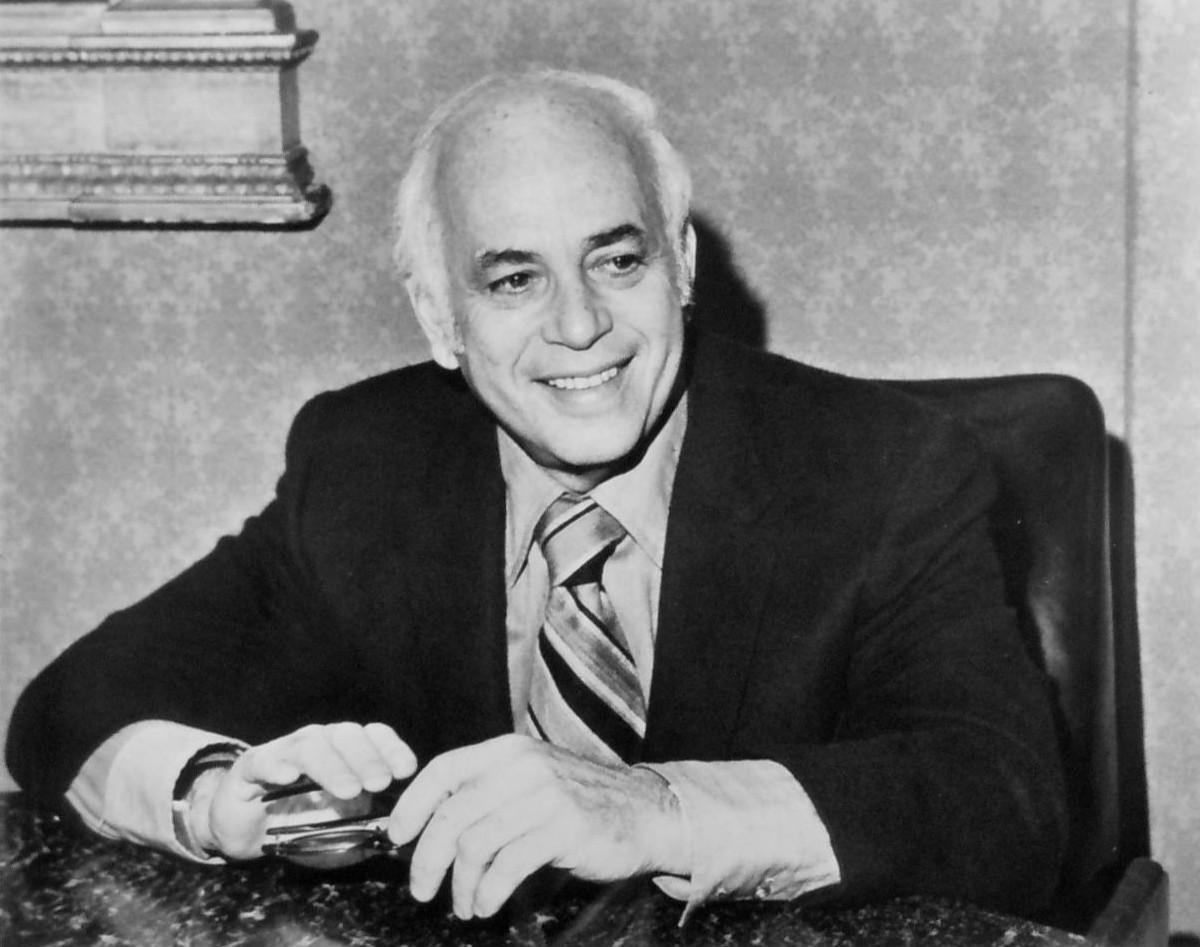
After the war, Funt returned home to New York City. He rented a space on the 15th floor of a high-rise building near Grand Central Terminal. The Big Apple seemed a prime location to capture the responses of unsuspecting subjects faced with unusual situations, and, with the advancements in recording technology, Funt could conceal his microphone and record people wherever they were.

His earliest ideas included pretending to be a department store’s shoe salesman who happens to lose a customer’s shoe. He visited a candy shop where he requested the clerk smash the chocolates to show which ones had nuts and which did not. In another early absurd gag, he hired a locksmith to remove the shackle from his “secretary” so she could go to lunch. Funt conducted about a dozen different gags on people.
After recording these interactions with his “subject—or sometimes, victim,” Funt and his assistants would spend 14 to 16 hours a day splicing, editing, and producing an episode. Each section of the 30-minute episode lasted about three minutes.
His pitch for his new show “The Candid Microphone” was accepted by ABC radio network. The first episode aired on June 28, 1947, at 7:30 p.m. The following week the show was moved to 7 p.m. on Sunday, and throughout the following year its slot changed multiple times.
The show proved to be a hit with listeners as well as many critics, though the reviews were somewhat mixed. As a testament to its immediate success, “The Candid Microphone“ garnered the participation of celebrities, including Bela Lugosi, who made an appearance in an October episode as “a shopkeeper of ghoulish curios.”
The TV Boom
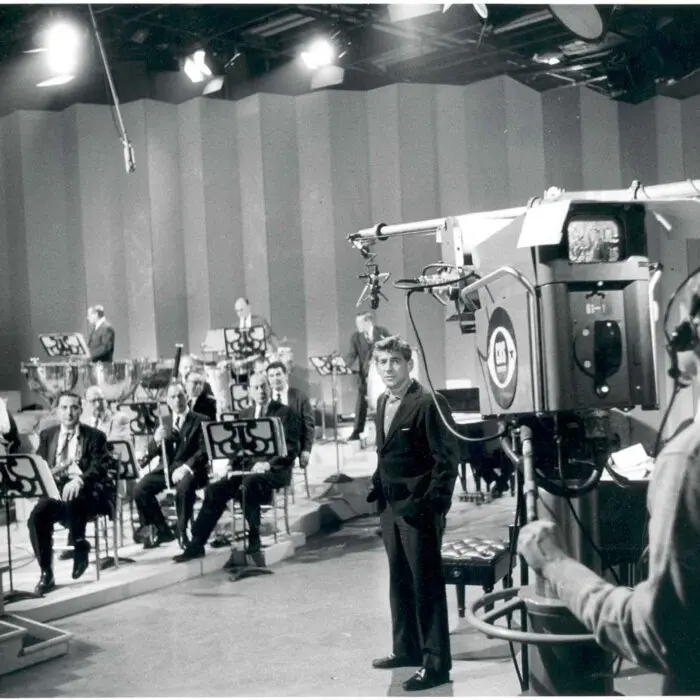
“Now we add sight to sound,” David Sarnoff, president of Radio Corporation of America (RCA), announced. Sarnoff made that announcement at the 1939 World’s Fair in New York City, eight years before Funt’s show began. The television was quickly growing in popularity, but shortly after the start of the World’s Fair, WWII began. When America entered the war in December 1941, television production was practically brought to a standstill as manufacturing efforts centered on the war effort.Funt understood that success was about timing. Television production had yet to make a full comeback by the summer of 1947. Full-scale production of television sets would not return until 1948, and, for the rest of the decade and into the 1950s, radio maintained its place as the primary home entertainment medium. But there was no doubt that the audio-visual medium was the future. From 1947, when Funt began his show, to 1952, the number of household television sets grew from less than 1 percent to approximately a third of all homes.
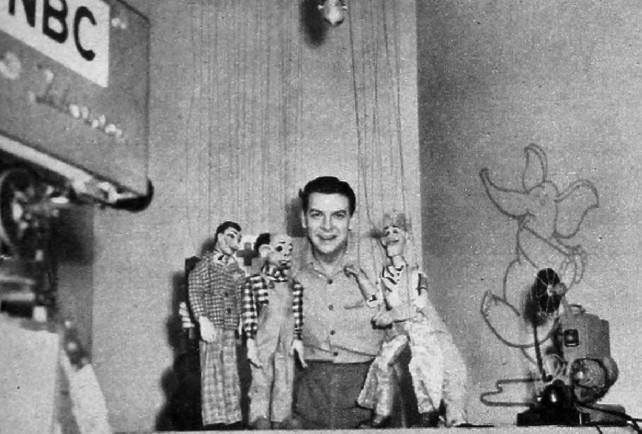
On Dec. 27, 1947, NBC presented its first episode of the kids show “Howdy Doody,” which became a television icon, running until 1960. CBS matched NBC with an adult program in June 1948 with the “Ed Sullivan Show.” ABC needed a TV hit of their own.
Thankfully for ABC and Funt, technological advances in radio and television that had taken place within the military establishment simplified Funt’s efforts. Specifically, the equipment was smaller, which made microphones, sound recording equipment, and cameras easier to haul and, most importantly for Funt, easier to hide.
A Comedic and Psychological Influence
Much like it had during the radio program’s first year, the TV show moved about NBC’s schedule. It was not until 1960, when the show moved to CBS, that it was given a permanent time slot.Funt’s gimmicks directly influenced reality-television comedies of the following decades. The show not only made people laugh, but it also made people learn about themselves, specifically, and human nature, generally. Before his time with the Army Signal Corps, Funt had spent time assisting renowned Cornell psychologist, Kurt Lewin, with his human behavior experiments. This time had influenced the development of his scenarios as well as his understanding of just how far to go with people.
Interestingly, the psychology department at Funt’s alma mater recognized the scientific importance of the comedy show.
Five years later, “Candid Camera” further proved its popularity, as well as its psychological effect. On Feb. 3, 1969, Funt and his family boarded Eastern Airlines Flight 7, which was subsequently hijacked. Despite one of the hijackers placing a knife at the neck of a stewardess and the plane being diverted to Havana, the passengers were unexpectedly calm. The reason? They recognized Funt and thought they were merely subjects for another episode of “Candid Camera.”
“Candid Camera” continued its run of success until 2004 with Funt’s son, Peter, eventually becoming the face of the show.

Never miss a This Week in History story! Sign up for the American History newsletter here.
What arts and culture topics would you like us to cover? Please email ideas or feedback to [email protected].