Grace Period for Late Payment
According to Rocket Mortgage, a grace period is between the date your mortgage payment is due and the date you will incur a late fee.The standard mortgage grace period varies among lenders, but Rocket Mortgage allows 15 days. Contact your mortgage servicer to verify your grace period. The end of the grace period means it needs to be in the lender’s hands. A delay in the mail is no excuse and will result in a late fee if you miss the deadline.
When Is a Payment Delinquent?
According to Experian, a payment is considered delinquent when it is 30 days late. It will immediately affect your credit because the mortgage servicer will likely report the late payment to the national credit bureaus.This will lead to a 30-day past-due notice on your credit reports. There will be negative consequences for your credit score if this entry remains on your reports.
When Is a Mortgage in Default?
When you miss a third payment, your mortgage is now 90 days past due. The mortgage servicer will notify the credit bureaus and also send a notice of default. This indicates foreclosure within 30 days. But these 30 days can be used to catch up on your payments before foreclosure.How Does Foreclosure Work?
Foreclosure is triggered when you miss three payments or go 90 days past due on your mortgage. In accordance with local laws, once the mortgage servicer sends you a default notice of intent, they may file with the appropriate court to begin foreclosure proceedings.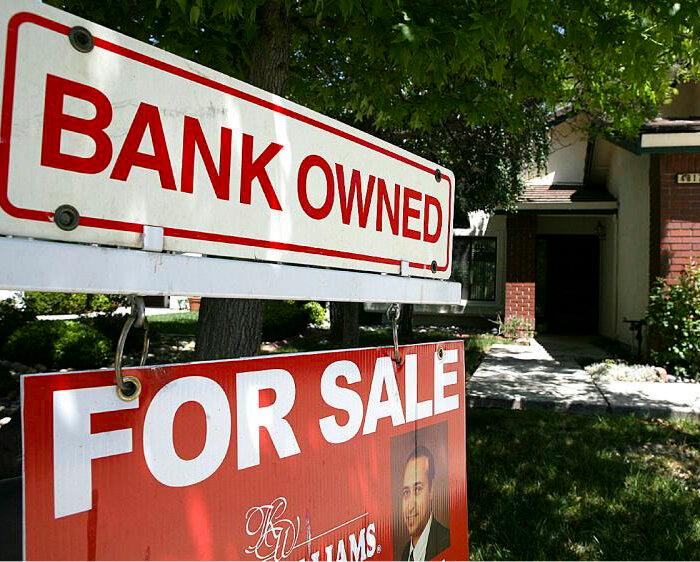

At that time, they will place your name in a public notice listing borrowers facing foreclosure and seek a date for selling your home at public auction.
Foreclosure Practices Differ by Lender
Foreclosure practices differ from one lender to another. If your lender has a large portfolio of low-risk loans, they may be more lenient and work with you. Such a lender might make allowances and forgive occasional skipped payments.Foreclosure Practices by State
Under the law, there are two types of foreclosure. They are judicial and non-judicial foreclosures. Different states follow one or the other. But depending on the loan, a lender may be able to choose between the two foreclosures.Judicial Foreclosure
According to Justia, with the judicial foreclosure, the lender will bring a lawsuit in court. A judge will review the evidence of both sides and hold a hearing to decide if the homeowner is in default. An opportunity is given to the homeowner to reach a settlement. If one isn’t made, the court will find in favor of the lender and enter a judgment of foreclosure, which triggers the sale of the house.This process can take a while and can give homeowners a chance to repair their finances and resolve the issue.
Non-Judicial Foreclosure
With the non-judicial foreclosure, the lender doesn’t go to court; instead, they will use the assistance of a foreclosure trustee. This is a neutral third-party that may be listed in the deed of trust attached to your home.Sometimes the lender or trustee will give the homeowner time to catch up with the missed payments. They may negotiate with the lender before proceeding with foreclosure.
Unfortunately for the homeowner, a non-judicial foreclosure process can move efficiently. It may conclude within months or sooner.
The process of a non-judicial foreclosure varies more widely from state to state than the process of judicial.
Communicate With Your Lender
If you are in danger of missing a payment, it’s good practice to communicate with your mortgage servicer. Many lenders have a grace period before a late fee is assessed.If non-payment goes beyond a month, it will impact your credit score. If you’re in danger of foreclosure, know whether you are in a judicial foreclosure or a non-judicial foreclosure state. It could give you more time to organize your finances.