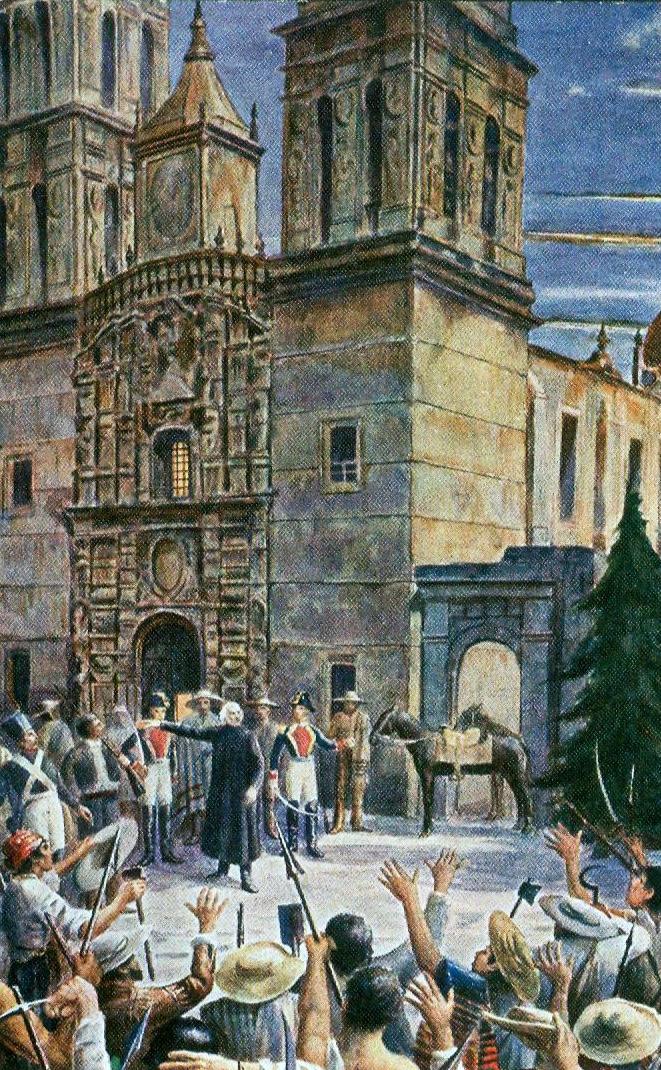
It had been more than a decade since Father Miguel Hidalgo y Costilla ordered the church bells of Our Lady of Sorrows Church in Mexico rung at 2:30 a.m. The fiery priest had summoned his parishioners to the church on the morning of Sept. 16, 1810, to convince them to revolt against the new Spanish monarchy. More than two years before Hidalgo’s call to revolt, Napoleon Bonaparte’s forces invaded Spain, and he had installed his brother, Joseph, as its king, and therefore, Mexico’s king as well. “Death to bad government!” Hidalgo shouted.
While the Spanish resistance continued to fight the French invaders in the Peninsular War, Mexico’s colonial government was suspicious of Hidalgo’s actions. In fact, they had been suspicious of him for some time. Hidalgo had joined a group called Academia Literaria, which was working to formulate a plan to obtain Mexico’s independence from Spain.
It’s true that, early on, Hidalgo, among others, had declared support for Ferdinand VII, but it was also clear that Hidalgo’s early morning action was less about supporting the overthrown Spanish monarchy and more of a call for Mexican independence. Hidalgo’s call led to the creation of a peasant army, which he led. The army attempted to take the capital city, but fell short.
The Louisiana Question
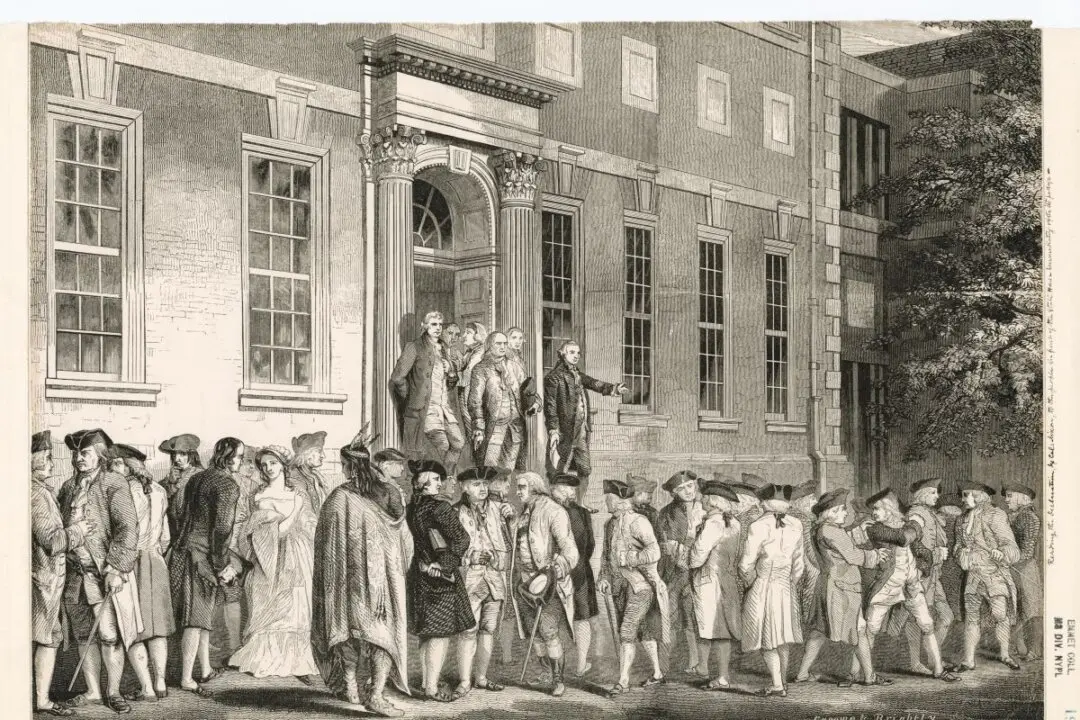
During the early years of the 19th century, the Franco-Spanish relationship had been topsy-turvy to say the least. The one-time allies were now fierce combatants. The relationship had impacted America in positive and negative ways, specifically regarding Louisiana.Louisiana had switched hands between the Spanish and the French. At the start of the 19th century, Spain owned Louisiana and the crucial port of New Orleans, and America was allowed access to the port. But after Spain and France secretly signed the Treaty of San Ildefonso, which returned Louisiana to France, this access eventually came into question. Napoleon had repossessed Louisiana with plans to extend the French Republic.
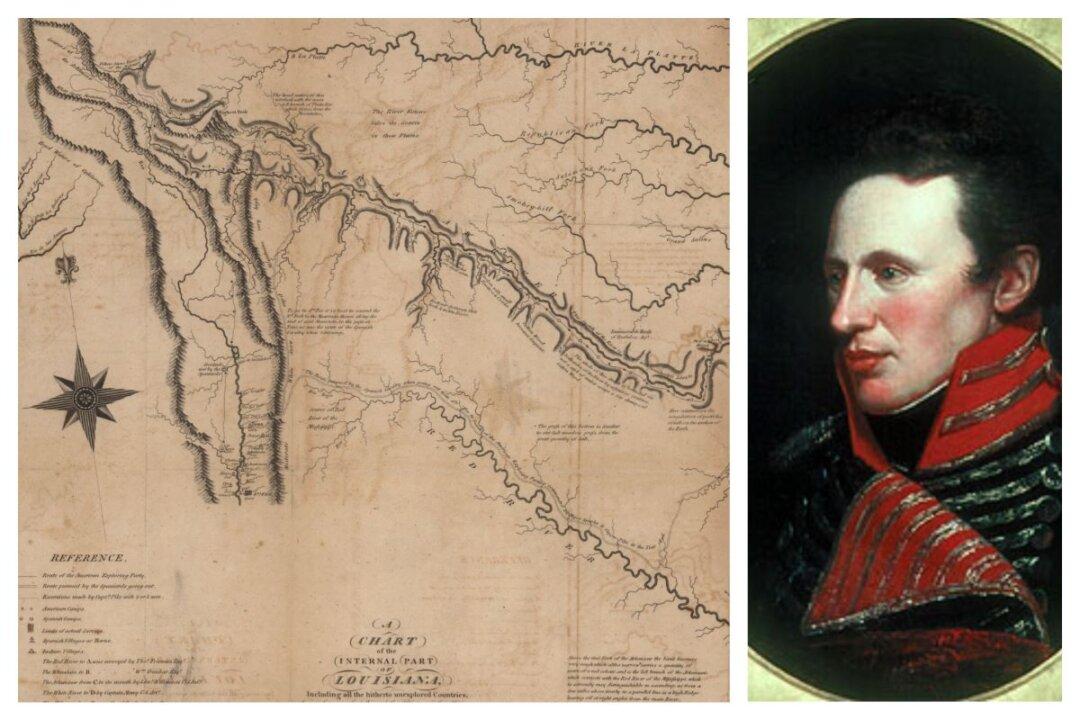
President Thomas Jefferson, who won the 1800 election, hoped to purchase New Orleans and West Florida for $10 million. Robert Livingston, the minister to France, was joined by James Monroe, to negotiate. The Americans were counteroffered: all of Louisiana for $15 million. It was an offer too good to refuse. The Senate ratified the Louisiana Purchase on Oct. 20, 1803.
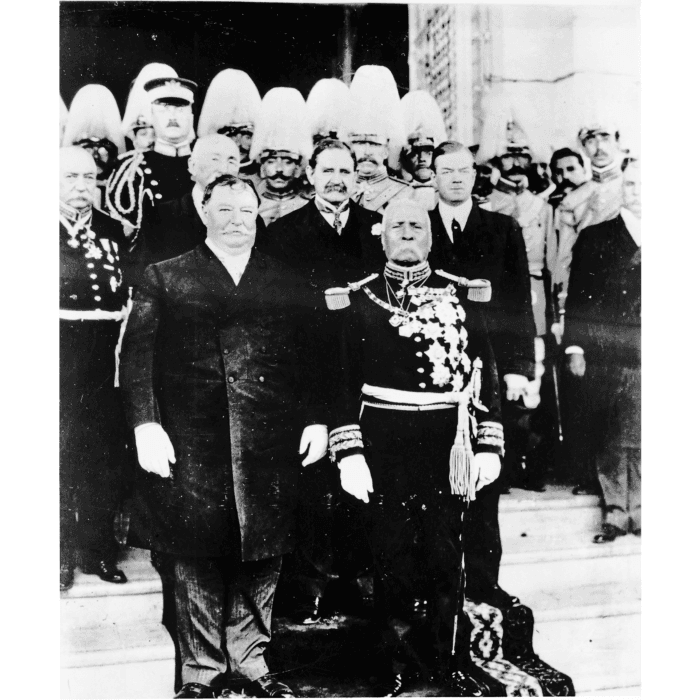

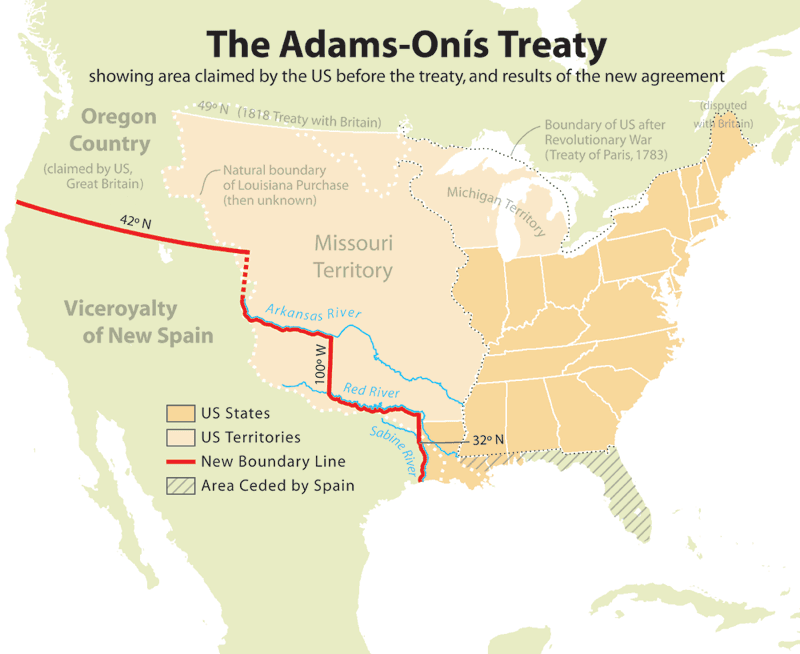
West of the Louisiana territory, however, Spain, still owned the rest of the continent (today’s California, Nevada, Utah, New Mexico, most of Arizona, Colorado, and Texas, and portions of Oklahoma, Kansas, and Wyoming). Also, no definitive line separated New Spain from America’s newest addition.
The border between New Spain and America was just as dubious in 1810 as it was in 1803. Throughout Mexico’s War for Independence from 1810 to 1821, the colonial government worked to keep Americans from trespassing, even refusing traders and trappers from crossing over, and tossing those who did into prison.
In 1819, with the Adams-Onís Treaty, Spain agreed to cede East Florida to America and relinquish its rights to West Florida. Additionally, the two nations finally established a western border along the Louisiana Territory. The treaty was ratified in February 1821.
A Trader’s Luck
William Becknell had a knack for timing. He was born in Virginia sometime during 1787 or 1788 while the states were ratifying the new constitution. He moved with his family to Missouri the same year Mexico began its fight for independence. Familiar with the Missouri frontier, he was made a ranger during the War of 1812. His best timing came when Mexico finally achieved its independence.Mexico’s Independence
Spain sent military officer Juan O'Donojú to Veracruz to become the viceroy of New Spain. When he arrived in July 1821, he was stunned to find that the rebels controlled all of Mexico except Veracruz and Mexico City. It was obvious that Mexico had already won its independence. Now, it just needed to be ratified.Before O’Donojú’s arrival, royal officer Agustín de Iturbide and rebel leader Vicente Guerrero had formulated a three-pronged plan that would establish Mexico as a constitutional monarchy, eliminate the caste system, and retain Catholicism as the state religion. On Aug. 24, 1821, O’Donojú signed the Treaty of Cordoba. After 11 years, Mexico had won its independence. This independence directly affected American trade.
Becknell’s Trail
The long-standing Spanish governmental obstacle had been removed. Becknell jumped at the chance to be the first American in decades to legally conduct trade in Santa Fe. He would, in a sense, have the Mexican-American trade market cornered—at least for a brief period. It was during this week in history, on Nov. 16, 1821, that Becknell and his trading party arrived in Santa Fe, ultimately establishing the Santa Fe Trail. The Becknell party traded their goods and left New Mexico with bags full of Mexican silver.Becknell’s arrival in Santa Fe was historic for opening the Santa Fe trade, but his return home was arguably even more historic. Considering his commercial success in Santa Fe, Becknell was already thinking of returning with wagons in order to hold more goods. Instead of returning the way he came, especially since he had initially had no intention of visiting Santa Fe, he, along with a few others from his party, bypassed the Raton Pass and, it is assumed, traveled through the Oklahoma Panhandle.
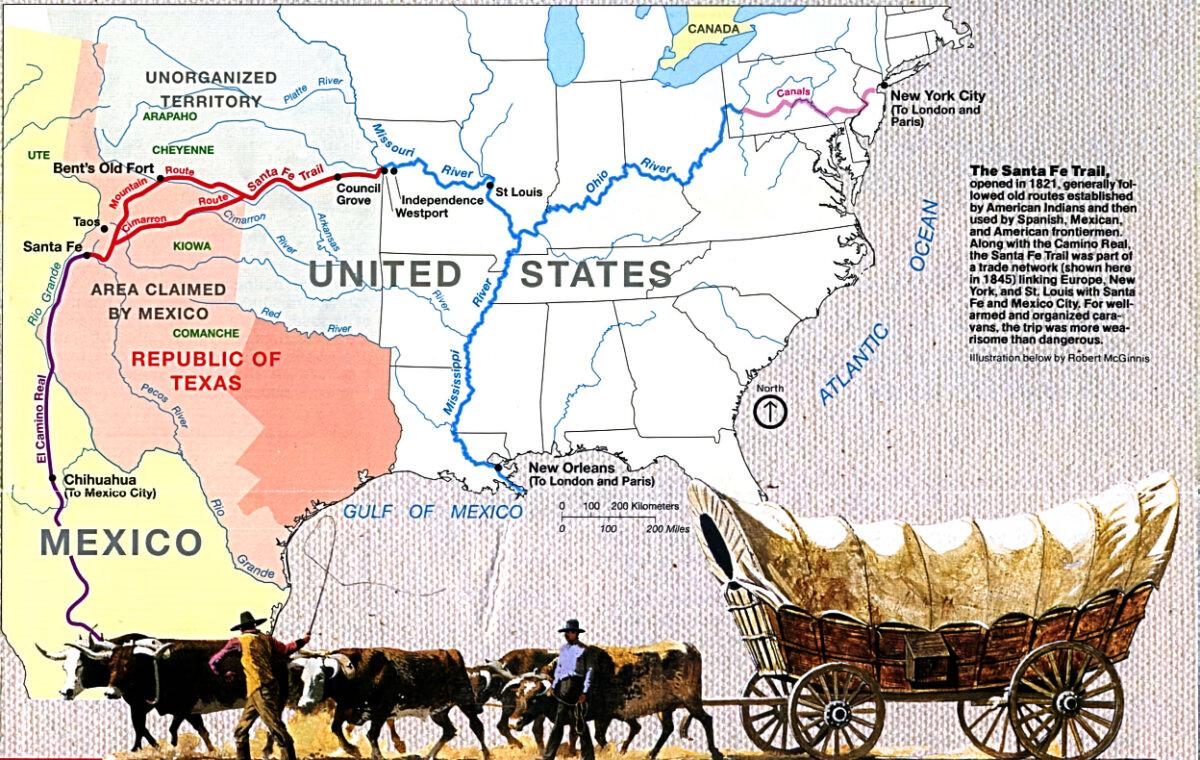
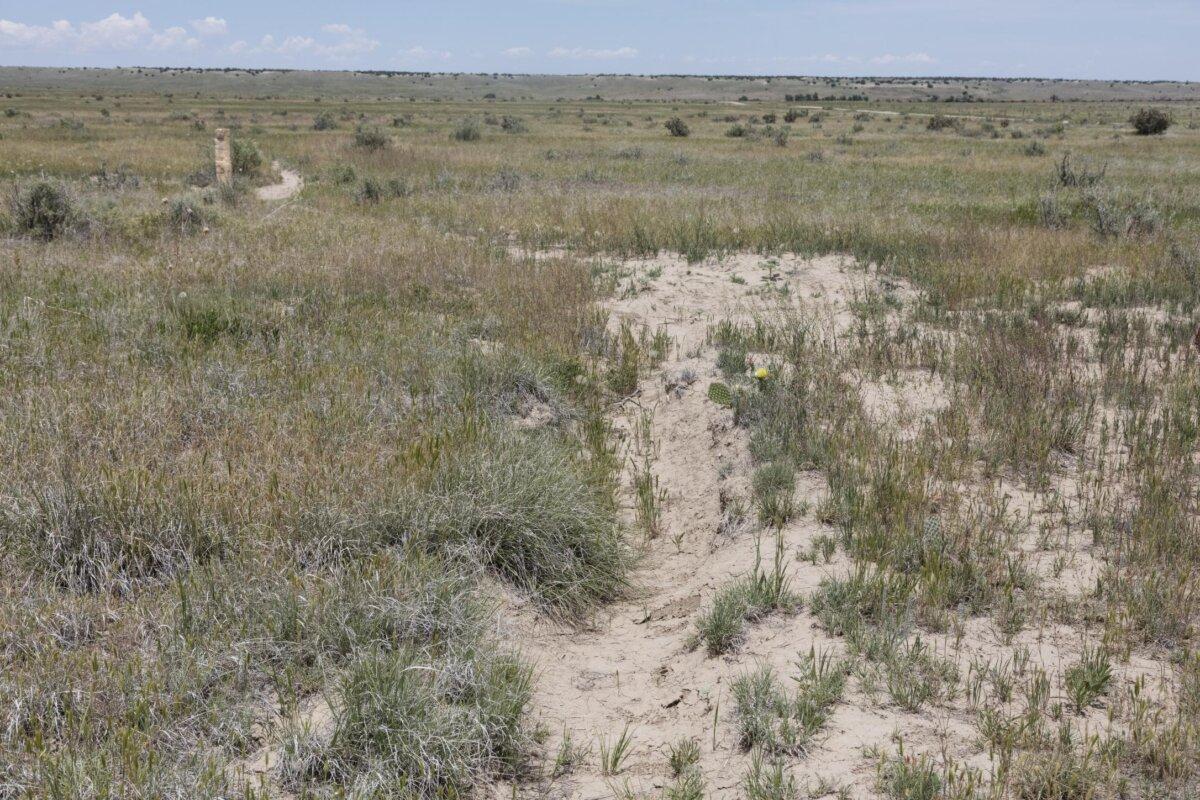
When Becknell arrived home in Franklin, Missouri, in January 1822, he was able to pay off all his debts. He quickly formed another trading party, this time with wagons. Instead of returning along the previous year’s mountainous route, Becknell made an adjustment at the point where the Arkansas River reached the Great Bend (known today as Great Bend, Kansas). He then headed southwest to cut across the dry lands of today’s Cimarron County through the Panhandle and into northern New Mexico.
There were positives and negatives with this route. On the positive side, it could shorten the journey by 10 days. However, there was no water source for approximately 50 miles until reaching the Cimarron River. Also, the area was more prone to Native American attacks. Becknell and his party, however, made it safely through what became known as the Cimarron Pass or the Cimarron Cutoff.
Becknell’s routes from Missouri to Santa Fe established him as the Father of the Santa Fe Trail. His shortened Cimarron Pass became the Santa Fe Trail’s most famous route with approximately 75 percent of traffic using it—until the advent of the railroad.