The British and the Americans had defeated the French and their Indian allies in the French and Indian War. The Treaty of Paris was signed on Feb. 10, 1763, ceding French lands to the British. The French had created alliances with numerous Indian nations, which included providing gifts. Those alliances abruptly ended, as did the gift-giving.
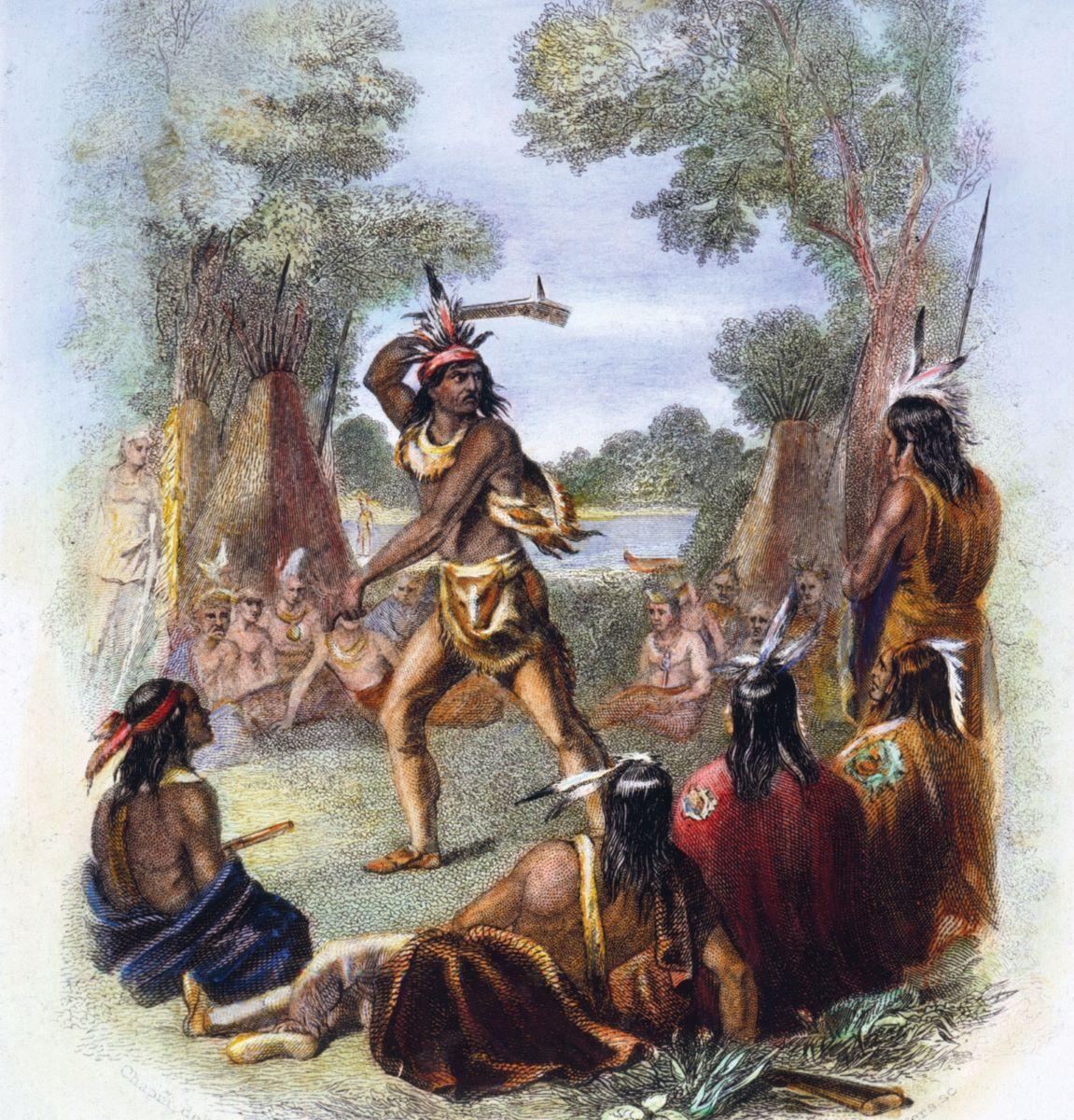
With the newly won lands, the British colonists did what they'd been accustomed to doing: settling new lands. Colonists began moving west toward and past the Appalachian Mountains. Sensing the loss of more than their French allies, a number of tribes created a new alliance, led by the Ottawa war chief, Pontiac. Furthermore, a Delaware holy man by the name of Neolin, convinced the tribes they would be successful in a rebellion.
In May, a major uprising—called Pontiac’s Rebellion—most famously against Fort Detroit, proved Neolin’s prophecy true. It forced the British monarchy to reconsider expanding across the continent. On Oct. 7, 1763, King George III issued the Proclamation of 1763, which prohibited colonists from settling past the Appalachian Mountains.
A Promising Opportunity
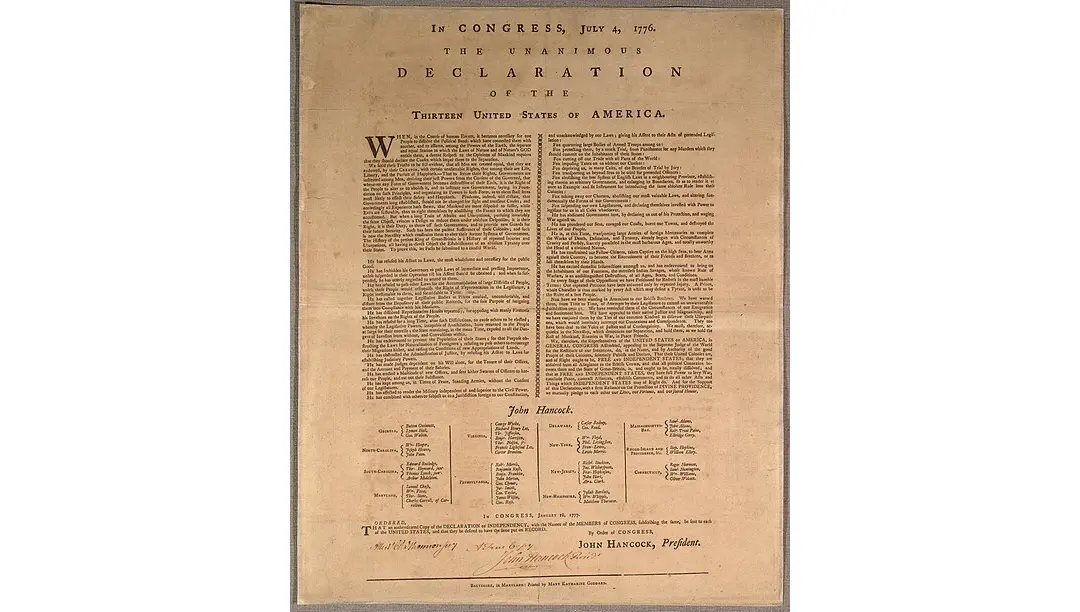
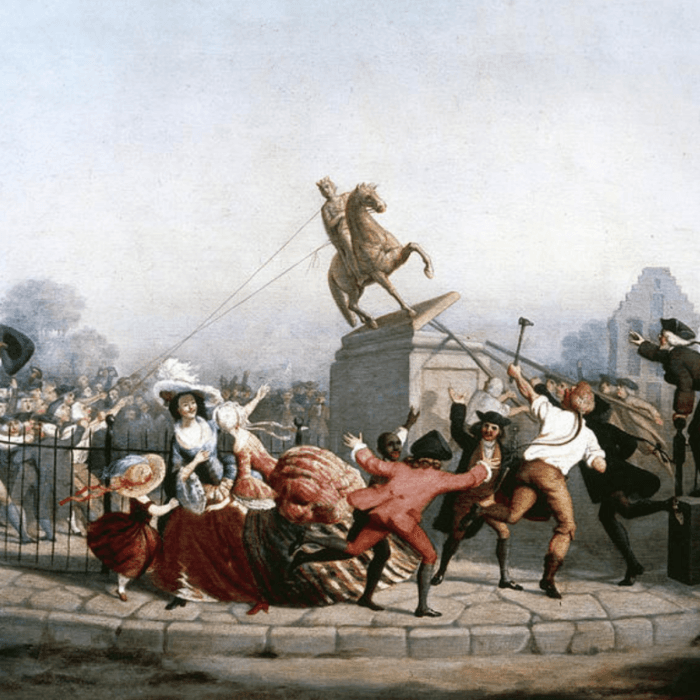
Twenty years after the Treaty of Paris, another Treaty of Paris was signed between the British, French, and the Americans. The first one had pushed the French out of America. This one, signed on Sept. 3, 1783, pushed out the British. The 13 colonies were now the 13 states. The lands beyond the Appalachian Mountains were now within reach. It was simply a matter of making the trek and settling the hostile environment—hostile for very many reasons.On Jan. 25, 1786, a printed advertisement began making the rounds in New England with a rather promising opportunity.

Forming the Ohio Company
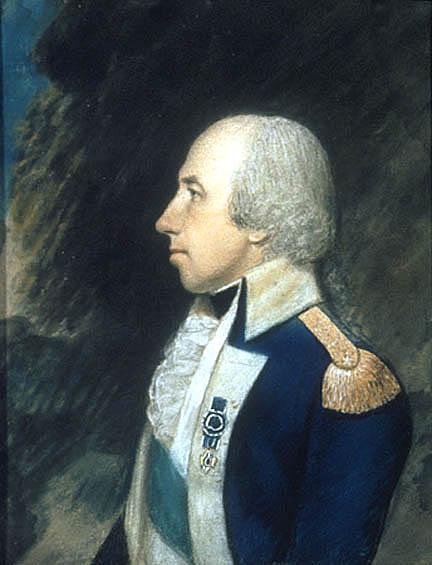
Putnam and Tupper were veterans of the French and Indian War and the Revolutionary War; both eventually received the rank of brevet brigadier general. The two received a positive response as was clear at their first official meeting on March 1, 1787, at the Bunch of Grapes Tavern in Boston. Two days later, 13 articles for the Ohio Company were established and the company scheduled a convention to be held on March 8.
The convention was held at Bracket’s tavern in Boston, where by this time, approximately 250 shares in the company had been purchased at a rate of either $1,000 or “ten dollars in gold or silver.” The founders of the company noted “that many in the commonwealth of Massachusetts, Connecticut, Rhode Island, and New Hampshire, are inclined to become adventurers.”
A Well-Timed Purchase
It was a good time to make the application. The Congress of the Confederation were in the process of making “Territory of the United States North-West of the River Ohio” available to settlers. This territory covered approximately 300,000 square miles and ultimately became the states of Illinois, Indiana, Michigan, Ohio, and Wisconsin, as well as a portion of Minnesota.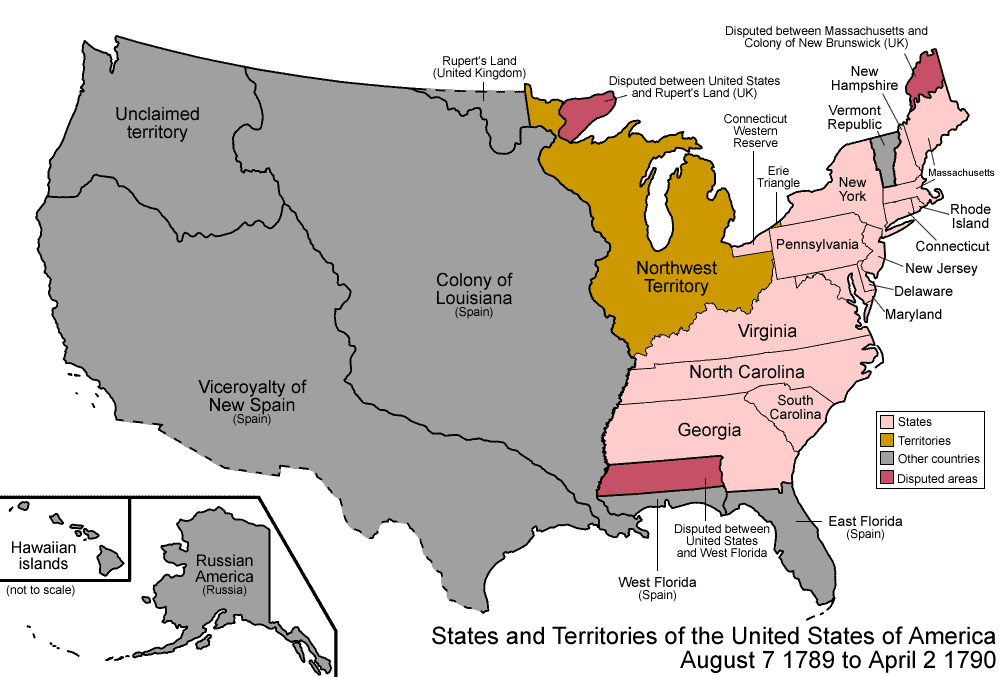
The Brave 48
With the acreage secured, it was time to assemble the necessary manpower to settle that “best part” of the country. The directors of the Ohio Company returned to Bracket’s tavern on Nov. 23 and settled upon 48 men to make the journey. Among these were four surveyors, six boat builders, four carpenters, a blacksmith, and nine laborers. With the company’s money, each man would be paid to perform their duties to completion. Among those joining the journey was the superintendent of the company, Rufus Putnam.On Dec. 3, 1787, 22 members of the Ohio Company—among them the boat builders—left Ipswich, Massachusetts, and braved a long trek through a bitterly cold winter. Led by Maj. Haffield White, a veteran of the French and Indian War and the Revolutionary War, they crossed overland, including mountain ranges, and by the end of January they reached Sumrill’s Ferry in western Pennsylvania, near Pittsburgh.
These company men stopped at the Youghiogheny River, and the boat builders and laborers set to work. The men began building three canoes and two flatboats. The small flatboat, the Adelphia, weighed 3 tons. The Adventure Galley, however, was made to carry most of the men, weighing 45 tons. The ship was later, fittingly, renamed the Mayflower.
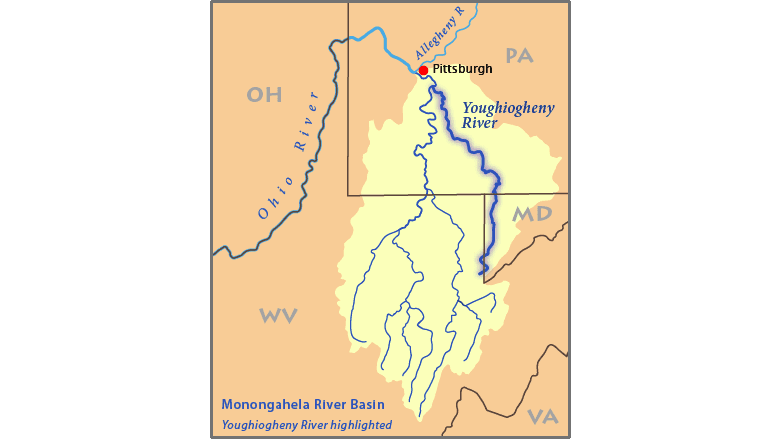
The work was arduous and time-consuming, made more difficult by the harsh winter. They hoped to be ready when, first, the weather permitted and upon the arrival of the 26 other members of the Ohio Company.
These men were led by Putnam, and left Hartford, Connecticut, in early January to meet with White’s men at the Youghiogheny River. Having reached the Alleghany Mountains, Putnam and his party realized the mountains were impassable by wagon due to the thick snow, and thus the men set about building sledges to pass through. They made it through the mountains and through Pennsylvania, finally arriving at the river in mid-February.
Renewed Vigor
Under Putnam’s direction, a “new spirit was infused into the workmen, and the labors of the boat yards progressed rapidly.” The boats were ready by April, and on the second of that month, the men boarded the boats, many riding on the 45-foot-long and 12-foot-wide Adventure Galley. One of the surveyors, Col. R.J. Meigs, rode horseback along the river to the destination.For several days and after many stops, the Ohio Company neared its destination. The crew were on the lookout for Fort Harmar, a military outpost that had been built in 1785 at the confluence of the Ohio and Muskingum Rivers. The trees and fog, however, obscured the opening, and the party mistakenly floated past. Noticing their mistake, the men exited the boat, soldiers from the fort were summoned, and together they pulled the boats up the river near the mouth of the Muskingum.
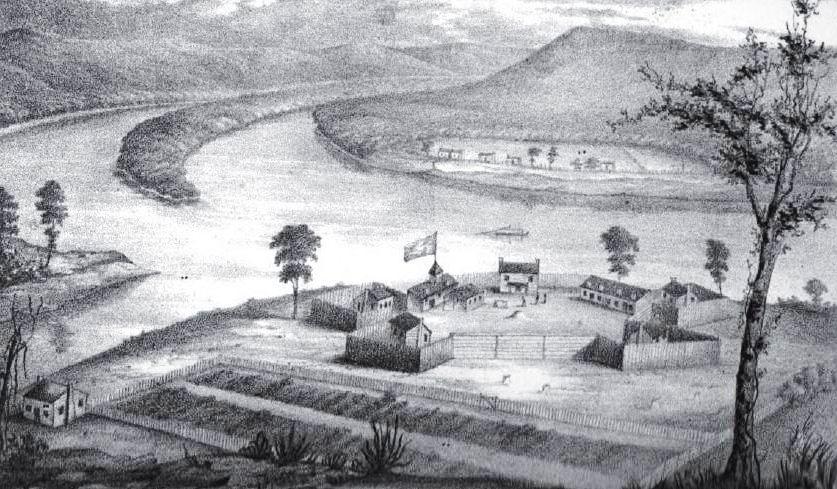
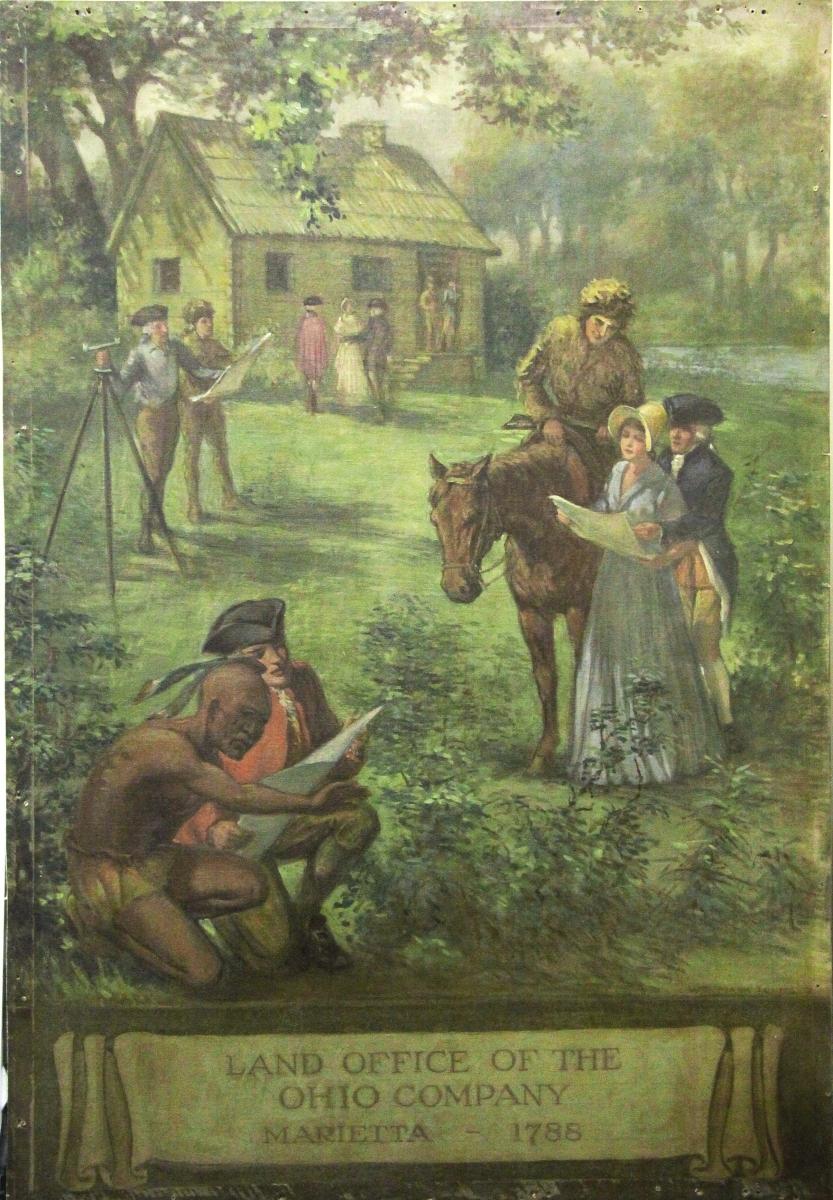
It was during this week in history, around noon on April 7, 1788, that the Ohio Company arrived at their destination. They immediately off-loaded the boards purchased to build their temporary huts and “General Putnam’s large marquee” where he could conduct company business. The 48 men (though Meigs did not arrive until April 12) began building a new town called Marietta, which became the first settlement of the Northwest Territory. Marietta, Ohio, remains a quaint town of approximately 13,000 residents.