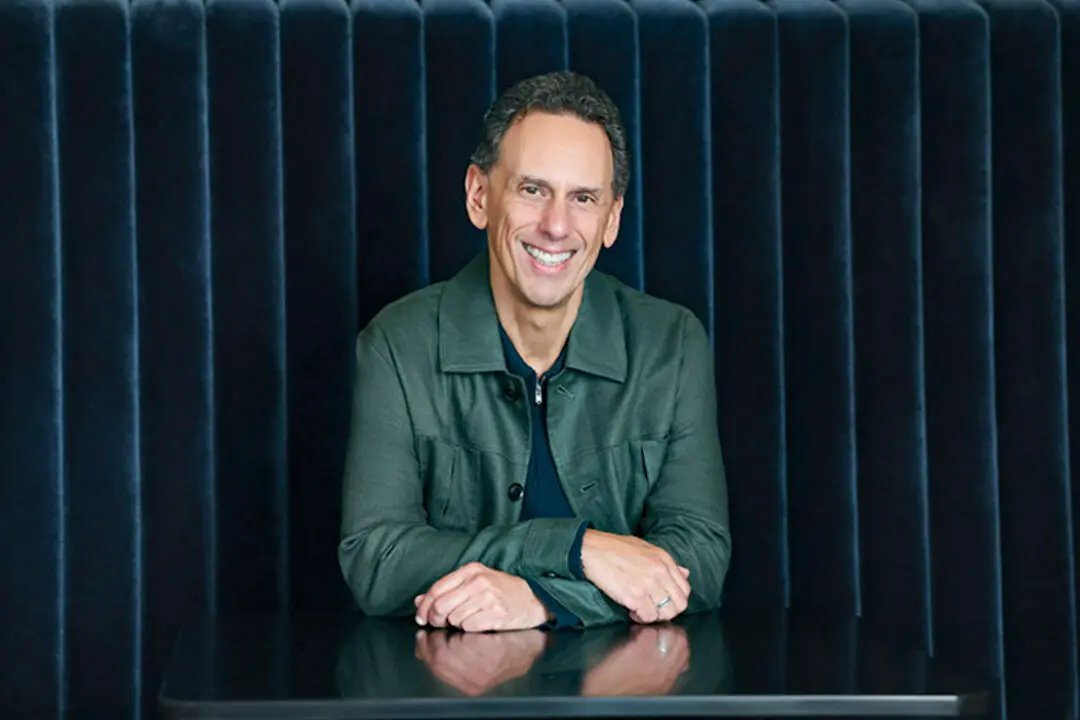
As many parents find themselves wondering if they’ve got what it takes to homeschool through high school, we asked Ms. Kovac for her advice.
Homeschooling was an answer to each of these desires. But there was one problem: I was terrified! I felt so unqualified. I worried whether I was really up for the challenge. I decided to try it in the summer so I could still enroll the kids in school in the fall if it didn’t work out. Little did I know, it would become one of the best decisions we ever made, exactly right for our family.
I have come to believe that our desires for our family are often given to us for a purpose. If you feel the conviction to make a change that better aligns with your vision for your family, I encourage you to not allow fear to be the deciding factor holding you back.
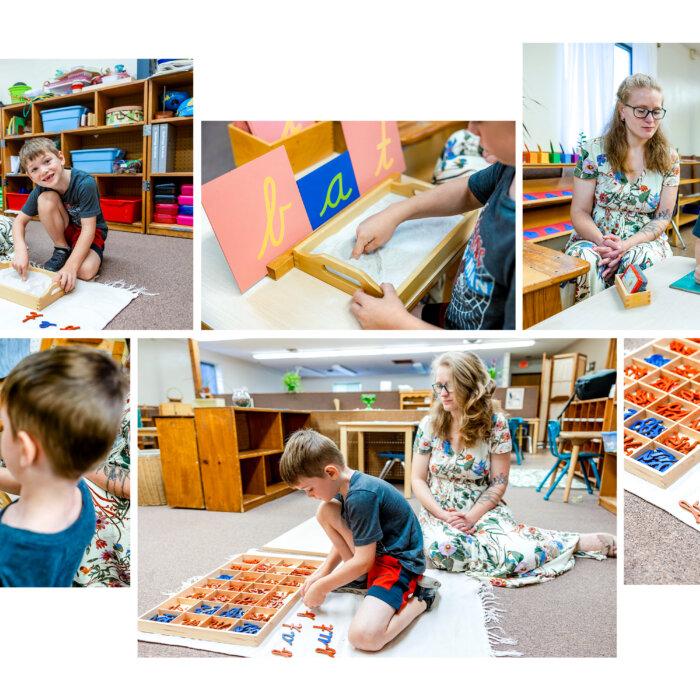
Homeschooling does not have to be a permanent decision. Many families take it child by child, year by year. Holding it with flexibility and an open heart can make it feel less intimidating.
Yet, when it came time for our eldest to apply to college, I felt like I was on a new frontier, and the fears and feelings of inadequacy that I initially experienced resurfaced. In part, this was because I lacked accurate information. So much has changed since I was a student, from earning college credit while still in high school to navigating the college application process and applying for scholarships to considering the many non-college options. Within the homeschooling community itself, I often encountered conflicting advice.
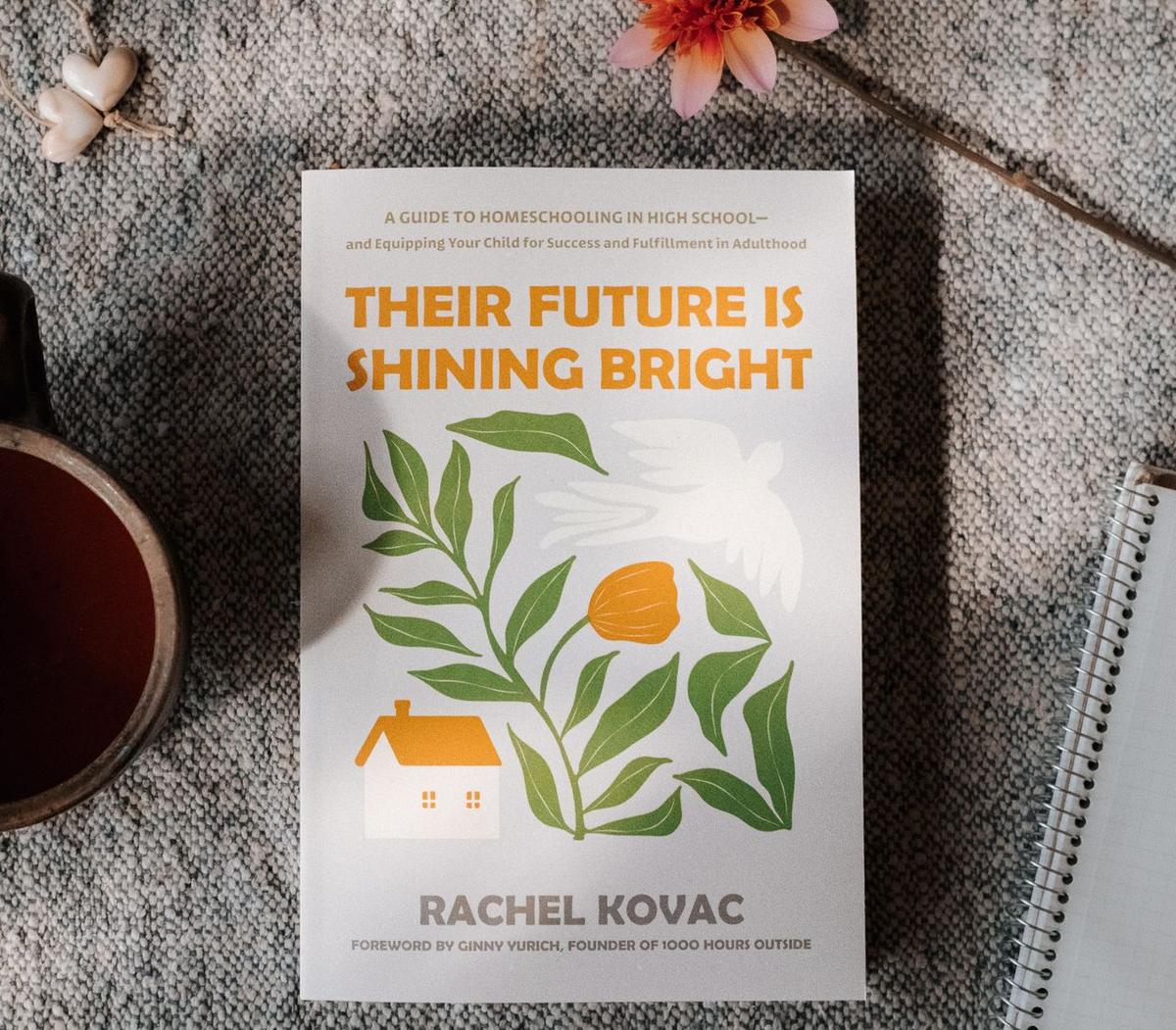
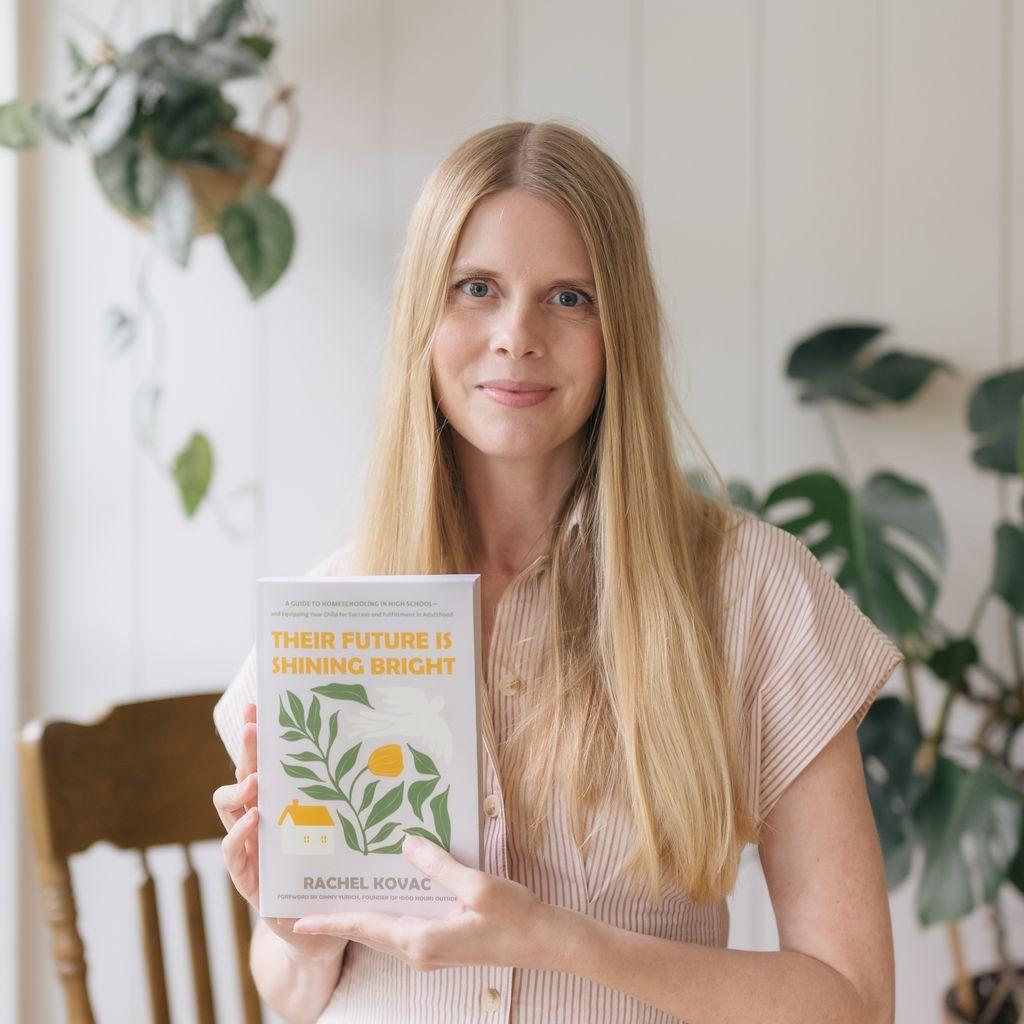
Because I struggled to find a guide that brought all of this information together in one place, I became determined to create the resource I wished I’d had. That was the inspiration behind “Their Future Is Shining Bright.”
Again, providentially, I connected with various people who came beside me on our journey. One was Dr. Abel Gonzales, a director of the five community colleges in our city of 1.5 million and an expert on dual enrollment nationally, with over two decades of experience advising students. He generously reviewed two chapters of my book, sharing his expertise and advice for families navigating the high school years.
I learned dual enrollment was not just for intellectually precocious students trying to get ahead by earning college credit, but for kids seeking all kinds of different paths: the trades, apprenticeships, certifications, and college. I learned dual enrollment has grown exponentially from 300,000 students in the early 2000s to over 2.8 million students as of 2024.
I connected with Abu Mian, an elite professional college advisor. He spent over six hours poring over my chapter on the college application process for those students who are college-bound, sharing some of his best tips for things like testing, writing essays, and earning scholarships.
The book also includes the experiences of other homeschooling families, each doing things their own way.
So while the book comes out of my own research and my personal experiences, it isn’t limited to my story. I feel so blessed to have had such an incredible group of people come alongside me to share their wisdom with the homeschooling community.
With the expansion of homeschooling comes the expansion of resources. Families don’t have to do this alone. Whether it’s co-ops, extracurriculars, earning credits through AP or CLEP, taking an online class here or there, or courses at a local community college or university, the opportunities are endless.
Because students are more independent, parents often take on the role of educational counselor or coordinator rather than that of a primary teacher. Sometimes people have this idea of homeschooling as “school at home” with the parent up at the front of the room presenting a lecture and their child diligently completing worksheets at a desk afterward. That’s just not the way it looks for most families. It’s living and breathing and woven into all aspects of life.
So, is the trepidation warranted? I think it’s understandable anytime you try something new. High school brings new questions and new decisions. But I also think many parents might not know what homeschooling high school can look like today. Families have more resources and more opportunities than ever before.
I find the high school years to be a season of great potential and excitement, for them and for us. Teens are old enough that you can read the great books together and discuss them over lattes or tea. The opportunity for rich and deep conversation is ever present. And teens are so much fun! That’s just the tip of the iceberg!
I also love the freedom to tailor an education to each individual child. To reference C.S. Lewis again, he once observed that if we did not understand the purpose of salt, we might assume its job is to make everything taste the same. In reality, salt brings out the unique flavor of each dish. I think of homeschooling in a similar way. In a culture that often pushes conformity, we have the opportunity to nurture the interests and gifts of each child rather than expecting every student to follow the same path.
We tend to think our children are most vulnerable when they are babies and toddlers, but adolescence is a vulnerable season too. The messages teens receive about themselves can influence and form the beliefs they carry into adulthood... for better or for worse. Homeschooling gives families more time together during those important years and more opportunities to help teens develop their core beliefs, as well as a strong sense of identity and purpose.
As for disadvantages, I think homeschooling is both an opportunity and a responsibility. It requires intentionality. We must steward it well for the sake of our children.
I ended up going deep into the history of the formation of the U.S. school system, which I wrote about in Chapter 1 of my book. I was fascinated to learn that our current system is relatively new, even if it is what we have come to expect. The expectation that all teenagers must follow the same educational paradigm is a modern construct, one that doesn’t have to define every child’s path.
Interestingly, when most adults pose that question, they are often referring to things like prom. A friend of mine who was a first-generation homeschooler said, “I was traveling the world with my dad, had hours to read, could explore career interests, and was part of a multigenerational community... and you are concerned that I missed prom?” Rather than feeling like my kids were missing out, I reframed my perspective to think about what they were gaining. Also, nowadays most homeschooling communities host their own proms.
Additionally, I find reassurance in the research. The overall body of evidence suggests that homeschool students perform as well as or better than their traditionally schooled peers across many academic and nonacademic measures. In a Wall Street Journal op-ed titled “What Home-Schoolers Are Doing Right,” Dr. Brendan Case and Dr. Ying Chen summarized findings from their study, writing that homeschool graduates were “healthier, happier, and more virtuous” than public-school graduates.
Doubts and worries can arise around any educational setting. They aren’t unique to homeschooling. You know your child better than anyone else and you have always been your child’s first teacher since the moment they were placed in your arms. That, to me, is a comforting thought.
Research has largely debunked this myth. Referring to findings from their study, Dr. Brendan Case and Dr. Ying Chen wrote: “The picture of the home-schooled student that emerges from the data doesn’t resemble the socially awkward and ignorant stereotype to which... others appeal. Rather, home-schooled children generally develop into well-adjusted, responsible, and socially engaged young adults.”
When we think about adulthood, most of us live and work in multigenerational environments. Likewise, throughout much of human history, teens have regularly interacted with people of all ages rather than spending the majority of their time exclusively with same-age peers. In this sense, homeschooling can provide opportunities for the kind of multigenerational relationships that are common in adult life.
Another myth I hear, especially regarding high school, relates to college admissions. On one hand, there are folks who believe homeschoolers cannot get into college. This is untrue. College admissions officers are accustomed to reviewing homeschool applications. Homeschooling is no longer rare, and research generally suggests that homeschooled students perform well in college once admitted.
On the other hand, there is another myth that elite colleges are handing out admissions offers or scholarships simply because a student was homeschooled or followed an unconventional educational path. While competitive colleges do admit homeschooled students, they are expected to demonstrate the same academic preparation and accomplishments as any other applicant.
In my book, I call this “in accordance with their way,” based on the proverb to raise a child in the way they should go, or according to their way. Some theologians see this as both a call to moral instruction and a reminder to pay close attention to each child’s particular gifts and struggles while considering their development as a whole person.
One of the joys of homeschooling and parenting in general is recognizing that success does not look the same for everyone. One student may intend to pursue a traditional college path, while another may be drawn to entrepreneurship, the trades, an apprenticeship, the arts, or a different route entirely. Rather than asking our children to fit into a mold, we can help them discover and develop the talents they have been given.
I didn’t know that 34 percent of incoming college freshmen enter with some form of college credit. And while 44 percent of college students graduate in four years or less, the majority take five years or more. If a student is college-bound, understanding these opportunities can save both time and money. This is particularly important given that we are in a college debt crisis in the United States, with student loan debt totaling $1.8 trillion, half of which is in undergraduate loans.
Of course, high school is also a wonderful time to explore non-college pathways. When teens learn firsthand what they enjoy and, just as importantly, what they don’t, it can provide a greater sense of clarity as they make decisions about their future.
The high school years are a great time to test different possibilities. One piece of advice I received from Dr. Abel Gonzales was to encourage students to get as close as possible to the work they might like to do one day. Job shadow. Enroll in a mentorship program. Find an internship. Take some courses. Discover what makes them come alive, but also what can sustain them and the life they hope to build.
For those who are considering homeschooling and the whole family is on board, I would give the decision an enthusiastic yes! Try it! Sometimes family members or friends might have some reservations about it, but this is your one life to live, and you must choose what is right for your family.
And if you are afraid, I believe that is common too. Many families begin with some fear, just as we do when we try anything new. But fear does not disqualify us. Courage is not the absence of fear but moving forward in its presence. Fear becomes courage when guided by love.
You might find, as I did, that choosing homeschooling was one of the best decisions of your life.