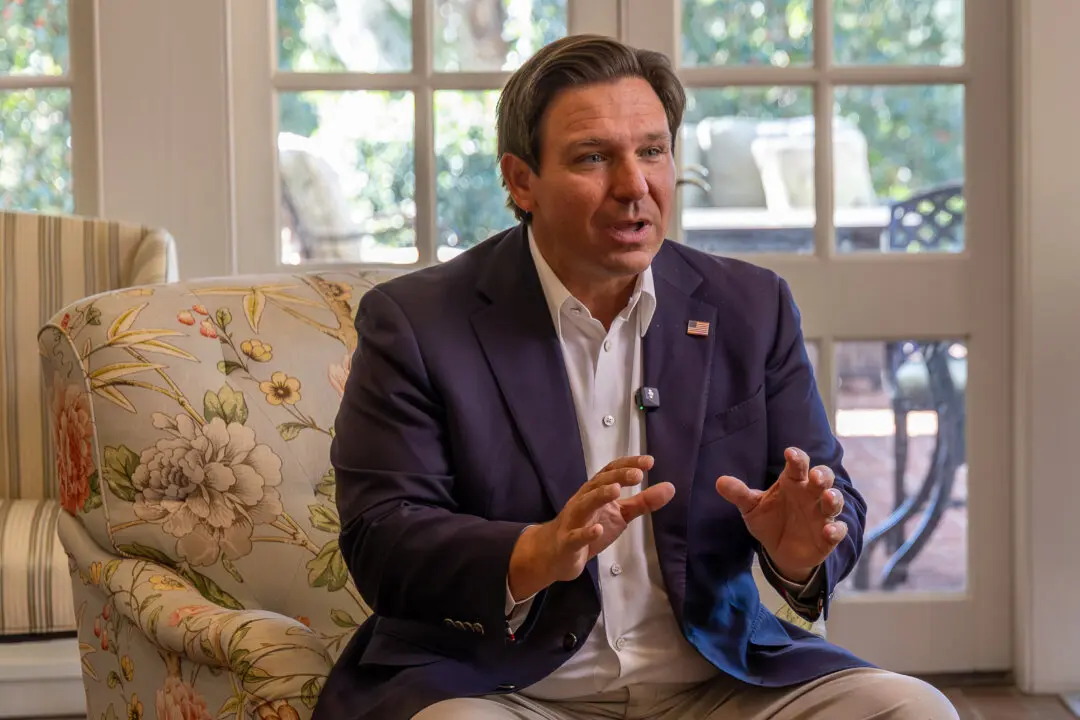
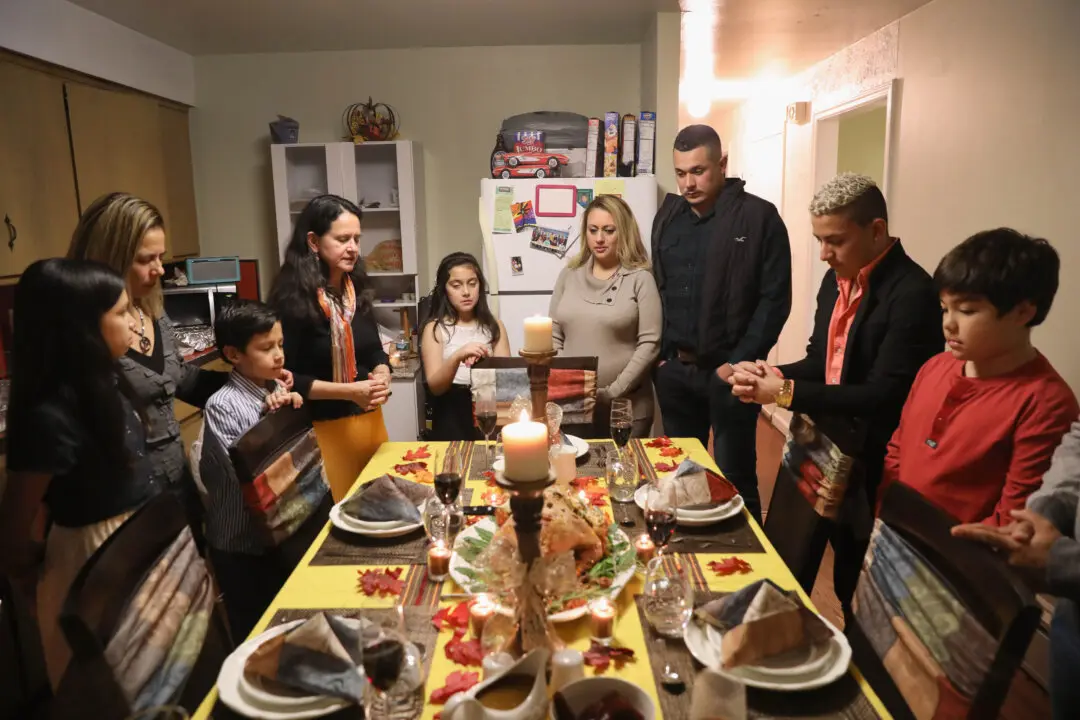
He wasn’t born in the United States, but Jose “Pepe” Tomeu says he would die for it. “Any day, at any time—till the day I die,” the 81-year-old Bay of Pigs survivor told American Essence, his voice full with emotion.
Tomeu came to the United States with his parents in 1960 after their family farm was seized by the Cuban government under Fidel Castro. He was 16. He blames the communist dictator for stealing the life they had in their homeland. But America is the land that he loves now. By sharing his story, he hopes to encourage his fellow Americans to protect the United States from the creep of communism.
Leaving Home
The memory still stings.Two pickup trucks filled with soldiers piled in the back rumbled onto their family ranch one day while they were vaccinating cattle. A lieutenant gave his father a letter informing him that they must leave their home. It read, “This land belongs to the people,” he recalled. In their eyes, “we were not people,” Tomeu said. “It wasn’t ours. And we had to leave.” As they rushed to pack their belongings, they were ordered to stop.
“The lieutenant [came] to the door and said, ‘Hey, hey, hey! I tell you, you can live, not that you can take anything.’“I don’t know what Castro did with my grandmother’s picture or my picture or my family picture,” he said, recalling the images decorating their beloved home. “But we had to be glad we could take the car when we went away.”
Soon after fleeing to Florida, Tomeu signed up to fight in a mission being planned by the CIA. The goal was to send exiled Cubans back to their home country to overthrow Castro and establish a new government. Many hoped to reclaim their land and their old way of life.
“We went to town, and they [the CIA] were taking people from 18 years old. I went from 16 to 18 in about five seconds,” he said, chuckling at the memory.
Related Stories

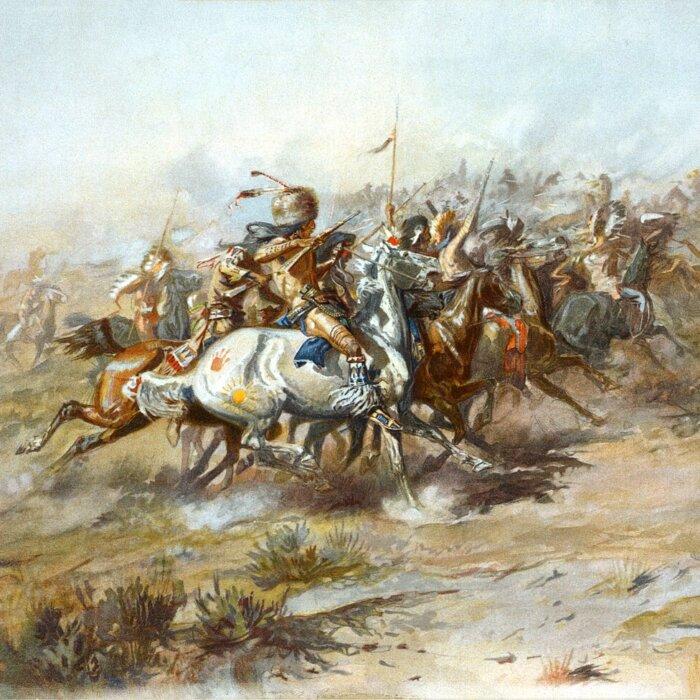

Tomeu was originally sentenced to 30 years in prison by Fidel Castro’s regime. (Natasha Holt)
He was sent off to be trained in Guatemala for the mission by CIA agents. After about a month, another group of volunteers arrived.
“I was training pretty good, and all of a sudden there comes another group,” he said. “And there was my dad.” He was shocked, but proud to be on the same mission as his father, who was trained to captain a small boat with a machine gun. Tomeu was trained to fight with a gun “like a cannon, that you can put on your shoulder.” It was “like a bazooka, but it’s more accurate,” he said.
The mission became known as the Bay of Pigs, the English name for Bahía de Cochinos, the body of water where invading soldiers clambered onto Cuba’s beaches. Castro had taken control of the country in 1959 after overthrowing the elected leader of the island nation, Fulgencio Batista, and instituted communism.
After receiving hasty military training, Tomeu and about 1,500 other Cuban men—known as Brigade 2506—landed in swampy areas of Cuba on April 17, 1961. Historians debate what caused the mission to fail. Tomeu said they simply ran out of ammunition.
“We just could not fight no more,” he shrugged.
After three days of fighting, the invaders were forced to surrender. That’s when a hand grasped Tomeu’s neck from behind. He turned and was shocked by the familiar face staring back at him.
It was Fidel Castro.
“I couldn’t believe it,” he said, “because I’d seen so many pictures.”
Later, a Cuban officer took him away from the other prisoners to a room where Castro awaited. The teen fighter was offered ice-cold orange juice. After days without eating, he guzzled the whole pitcher one glass at a time.
“You’re one of the youngest,” Castro said, peering at him. “What made you do this?”
“I just defended my country,” Tomeu replied.

Tomeu practices his roping skills on “Arturo,” a wooden roping dummy. (Natasha Holt)
Captive
Tomeu and almost 1,200 other prisoners were kept inside barracks for 20 months. They slept on the floors and were never allowed outside into the sunshine. For a couple of hours each day, they were given access to running water so they could rinse off, but soap was “very scarce.” A toilet was positioned at the end of the barrack, “but there was no privacy,” he said. “The guy on the end could see everybody.”Three times a day, they were given the same meal—a square of something that resembled lasagna. They ate it three ways, Tomeu recalled with a laugh. “In the morning, there was one [way]: There was hot. Noon time is warm. And evening it was cold.”
In time, most of the men had nothing to wear but undergarments. Among the captured were priests, who helped their prison mates cling to their faith. “I don’t think too many Catholics have seen priests give a Mass in his underwear,” he said. “But we had a Mass every Sunday.”
Each captive had been sentenced to 30 years in prison by the Cuban government, he explained. A picture in a book that documents the sentencing shows the men sitting in rows, facing a panel of judges. His eyes fill with tears as his fingers trace their names that fill the yellowed pages of the book.
One day in late December 1962, all of the prisoners were let outside the barracks for the first time and were given clothes. That’s when they knew something was happening, but they didn’t know what. They later learned that the United States had negotiated to give $53 million in baby food and medicine to the Cuban government as ransom for them.

Tomeu still competes in calf roping. (Natasha Holt)
The next day, the wary prisoners were loaded into the backs of trucks and taken to an airport, where Pan American planes idled on the tarmac. Then, prisoners were told to board the planes. Their names were called alphabetically.
“My name is Tomeu,” he said, with a wry grin. “I got the last plane.”
He paused, swallowing hard to hold back tears. “But it was awesome. I cannot describe it.”
Their flights took them to what was then known as Homestead Air Force Base in Homestead, Florida. There, they were fed, and some were reunited with family. It was Christmas Eve.
“We had a heck of a meal!” Tomeu said, eyes sparkling. They feasted on food they’d not tasted in years, such as chicken and steak, as they celebrated. “There was one woman serving soup, and everybody was passing her,” he laughed. “I don’t think she served two cups of soup.”
American Patriot
When he arrived home, skinny and malnourished from his time in prison, Tomeu focused on one goal—gaining 20 pounds to meet the minimum weight to enlist in the U.S. Army. About a month later, he went back to serve in the military for a second time.Thinking back on the Bay of Pigs mission, Tomeu, now a U.S. citizen, still marvels at the sacrifice made by four Americans. They helped train the Cuban exiles who were returning to their homeland in the hopes of overthrowing the dictator of Cuba.
Without permission, he said, those Americans flew into battle to help the men they’d mentored. They voluntarily jumped into the fight for freedom for a country that wasn’t their own.
They didn’t return.
Tomeu thinks of them often. They were, “to me, the greatest American people.”
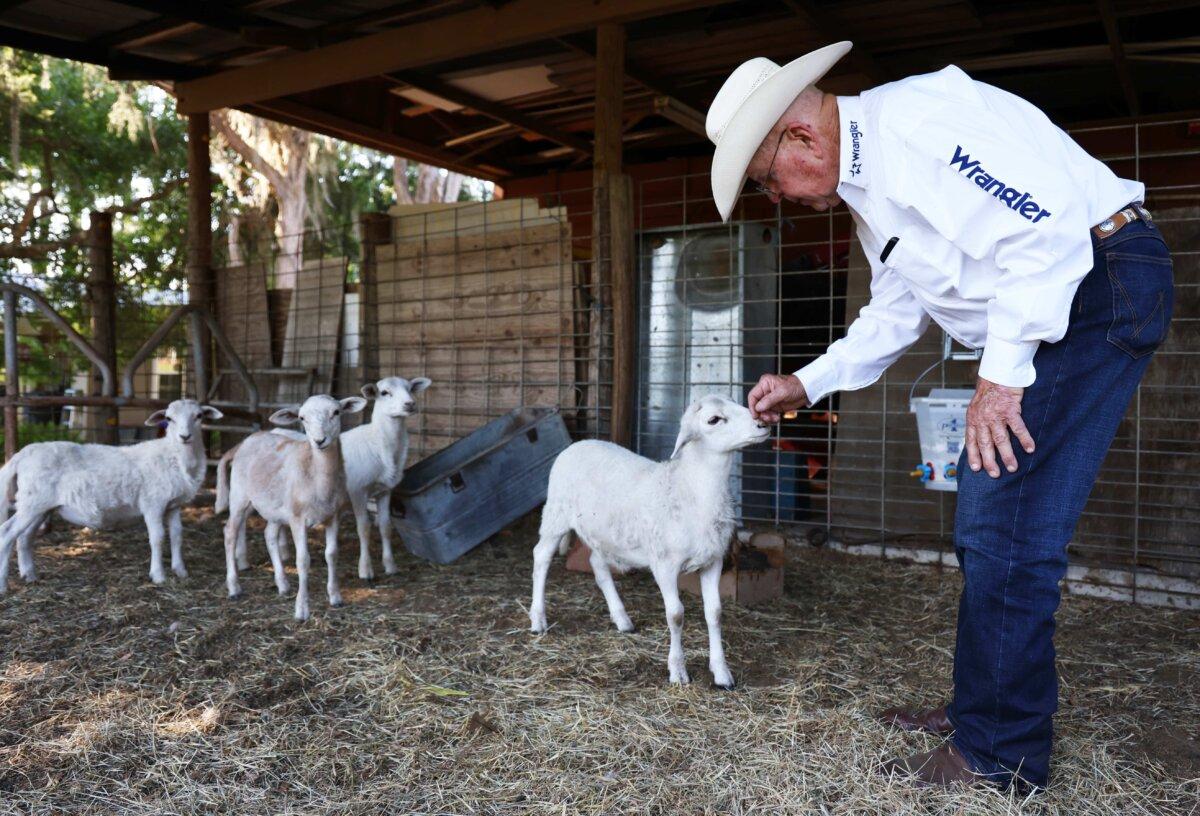
Tomeu pets orphaned lambs on his farm. (Natasha Holt)
Despite the haunting memory, Tomeu will tell you his life has been blessed. He and Fern, his wife of 57 years, raised two sons.
After leaving the Army, he started a successful pest control business in North Florida and worked as a firefighter and EMT. For decades, he helped local law enforcement agencies when they needed a translator.
He still competes in calf roping, even though, he admits with a chuckle, there are few competitors in his age bracket. Over decades, he’s won belt buckles and a championship saddle at contests around the country, and he’s earned a spot in the National Senior Pro Rodeo Hall of Fame. Photos of winning rides cover the walls of his Alachua, Florida, home.
A few times a week, he and his trusted horse, Russell, join fellow calf-roper pairs to practice their high-speed skill. Back at home, he enjoys caring for the livestock on his farm, checking on the cattle he raises for beef, bottle-feeding orphaned lambs, or patting Elvis the donkey, who chases off coyotes.
On Wednesdays, he spends the day volunteering, driving patients to and from their appointments at the local VA hospital.
Tomeu said there’s nothing he wouldn’t do for the United States. He worries about what he sees as the threat of spreading communism. He wants his fellow Americans, especially young people, to understand how special it is to have the opportunity offered by living in the United States. To him, America represents “freedom, love, and prosperity.”
“We live in the best place on Earth,” he said. “Hopefully, we keep it that way.”
This article was originally published in American Essence magazine.