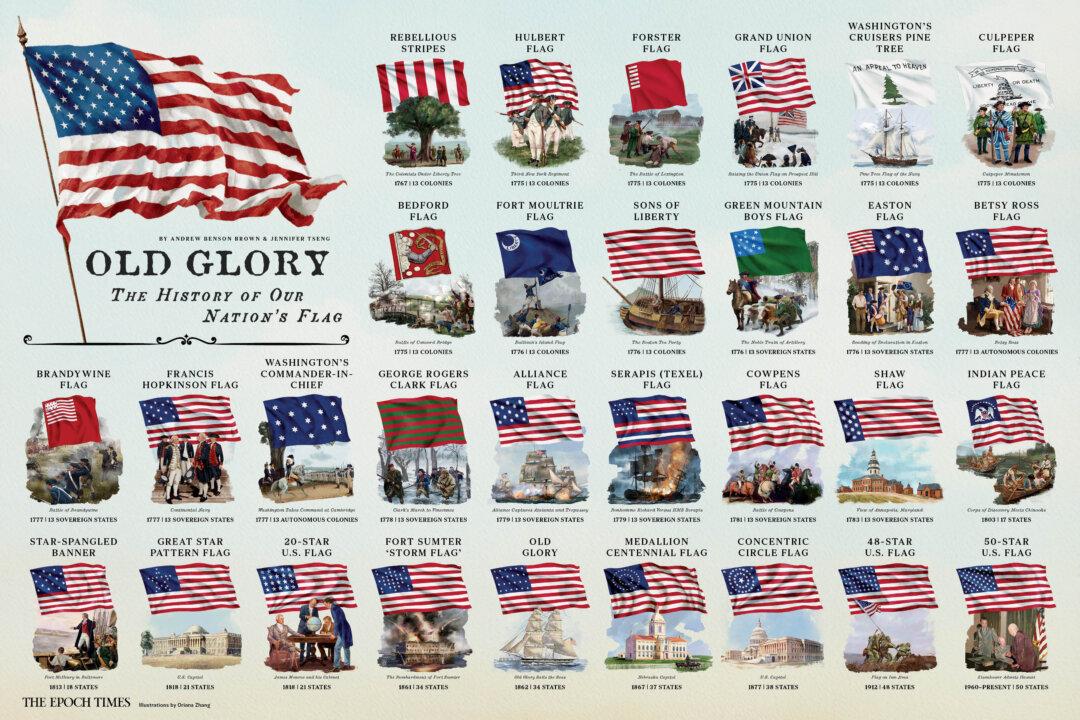
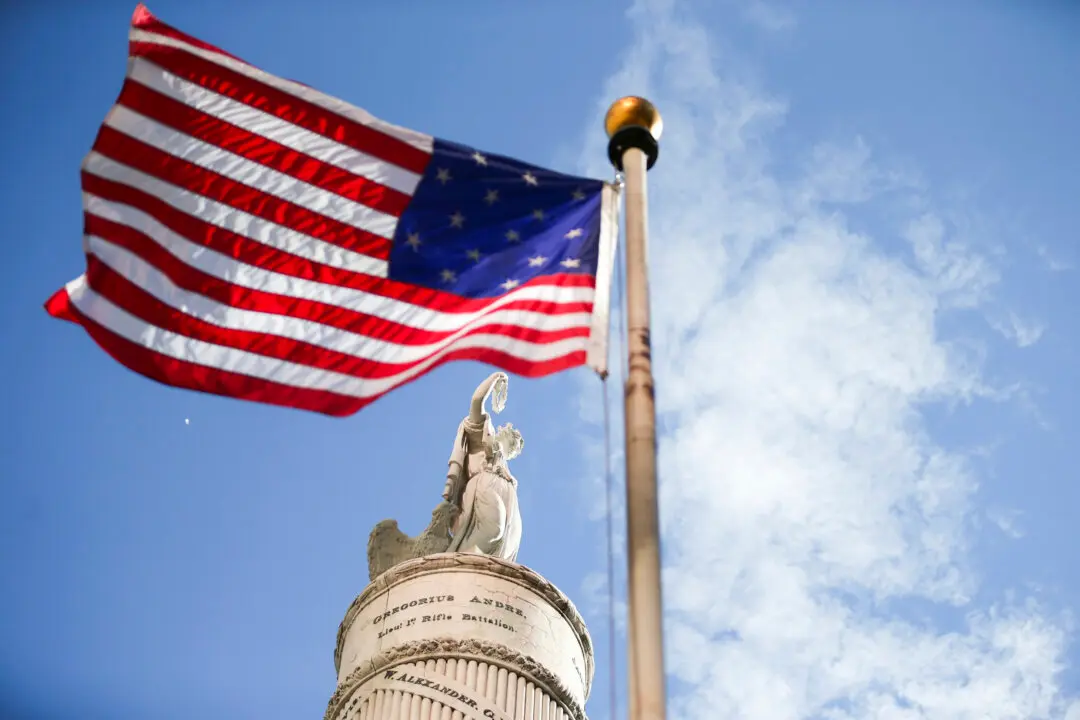
In the bright summer sun, the American flag flutters above a crowd gathered on the prairie. A man rises next to the flagpole. “I’m not much for public speaking, but today’s the glorious Fourth,” he says. Then he starts reading the Declaration of Independence.
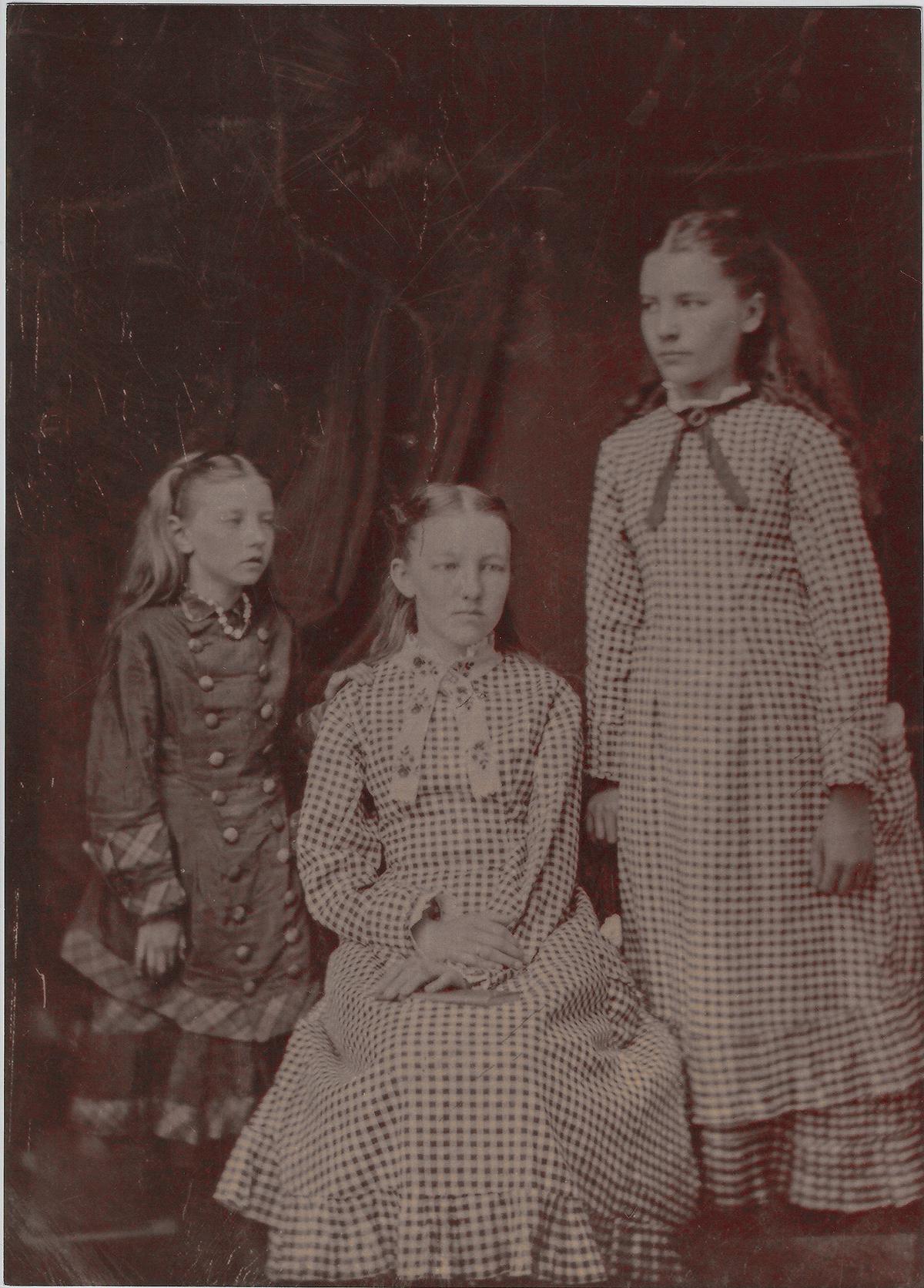
Two schoolgirls are standing in the audience. Laura and her sister Carrie “knew the Declaration by heart, of course, but it gave them a solemn, glorious feeling to hear the words. They took hold of hands and stood listening in the solemnly listening crowd. The Stars and Stripes were fluttering bright against the thin, clear blue overhead, and their minds were saying the words before their ears heard them.”
After the recitation, which included “the long and terrible list of the crimes of the King,” the girls’ pa leads the crowd in singing “My Country, ‘Tis of Thee.”
As the crowd begins to scatter afterward, Laura stands “stock still” and has an epiphany: “God is America’s king.” A chain of reasoning unfolds in her mind. Americans are free to obey their own consciences. When she grows up, no one will give her orders but herself, and she will have to make good decisions. “This is what it means to be free,” she tells herself. “It means you have to be good … you have to keep the laws of God, for God’s law is the only thing that gives you a right to be free.”
Going to Work
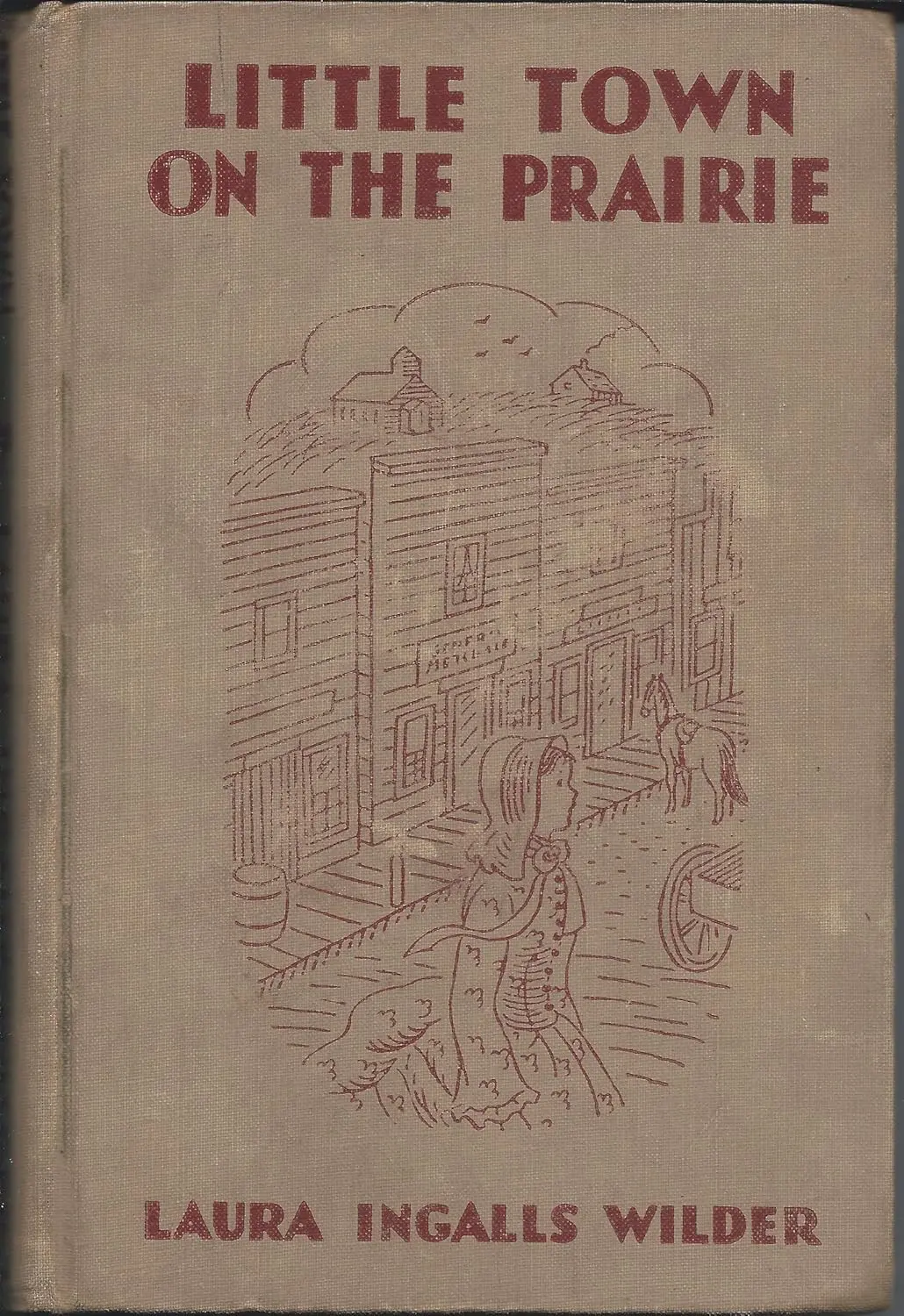
The above scene from “Little Town on the Prairie,” the seventh book in the Little House series by Laura Ingalls Wilder, depicts the reverence that many Americans have doubtless felt when attending a Fourth of July celebration.
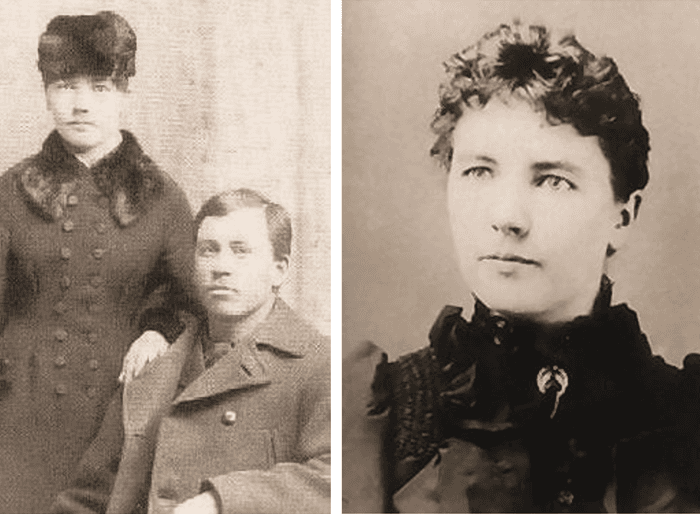

The epiphany young Laura has on that day stayed with her. Freedom, she concludes, does not mean doing whatever one pleases. It means bearing responsibility for one’s own conduct. On the frontier, that lesson is not abstract. Children are expected to work early, and Laura soon discovers that independence means contributing to her family’s survival.
When she is 14, she begins working as a seamstress in her small town of De Smet, then in the Dakota Territory. Her job is to prep fabric to be permanently stitched (a technique known as ‘basting’) and make “good firm buttonholes.” It is tedious work, making her neck and shoulders ache and her chest cramp up as the machine fills her head “like the buzzing of a gigantic bumblebee.”
For anyone who has never made a buttonhole, Wilder gives us an exact impression of the difficulty involved. “It is not easy to space buttonholes exactly the same distance apart,” she tells us, “and it is very difficult to cut them precisely the right size. The tiniest slip of the scissors will make the hole too large, and even one thread uncut will leave it too small.” While she dislikes the work, she learns to make them more efficiently than the woman she is assisting.
A Teenage Teacher
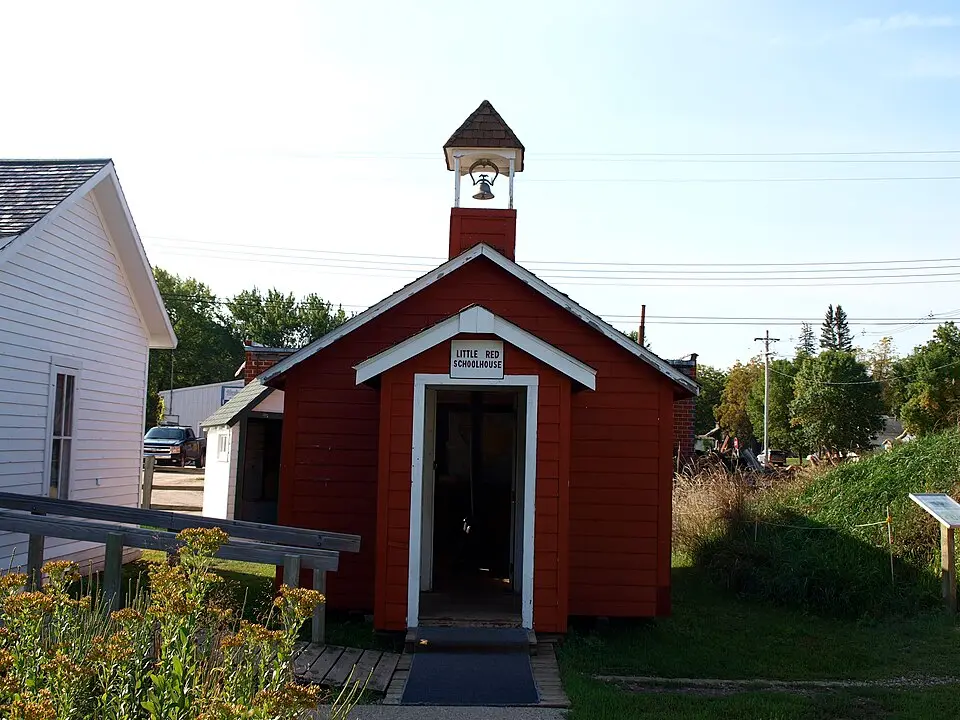
Wilder never graduates from high school. Far from being a “dropout,” though, she receives her teaching certificate while still a teenager. During the time of one-room schoolhouses where most students never went beyond eighth grade, Wilder’s situation is not unusual. Though resources were scarce, education was a vital way of passing down cultural values.
Another scene in “Little Town on the Prairie” dramatizes this experience. Near the end, Laura stands up during a school exhibition and reviews “the great history of America,” from Christopher Columbus to when “the first wagon wheels rolled into Kansas.” Four hundred years of history, all narrated from memory to the townsfolk crammed inside the community church. The feat is so impressive that when she finishes, “a loud crash of applause almost made her jump out of her skin.”
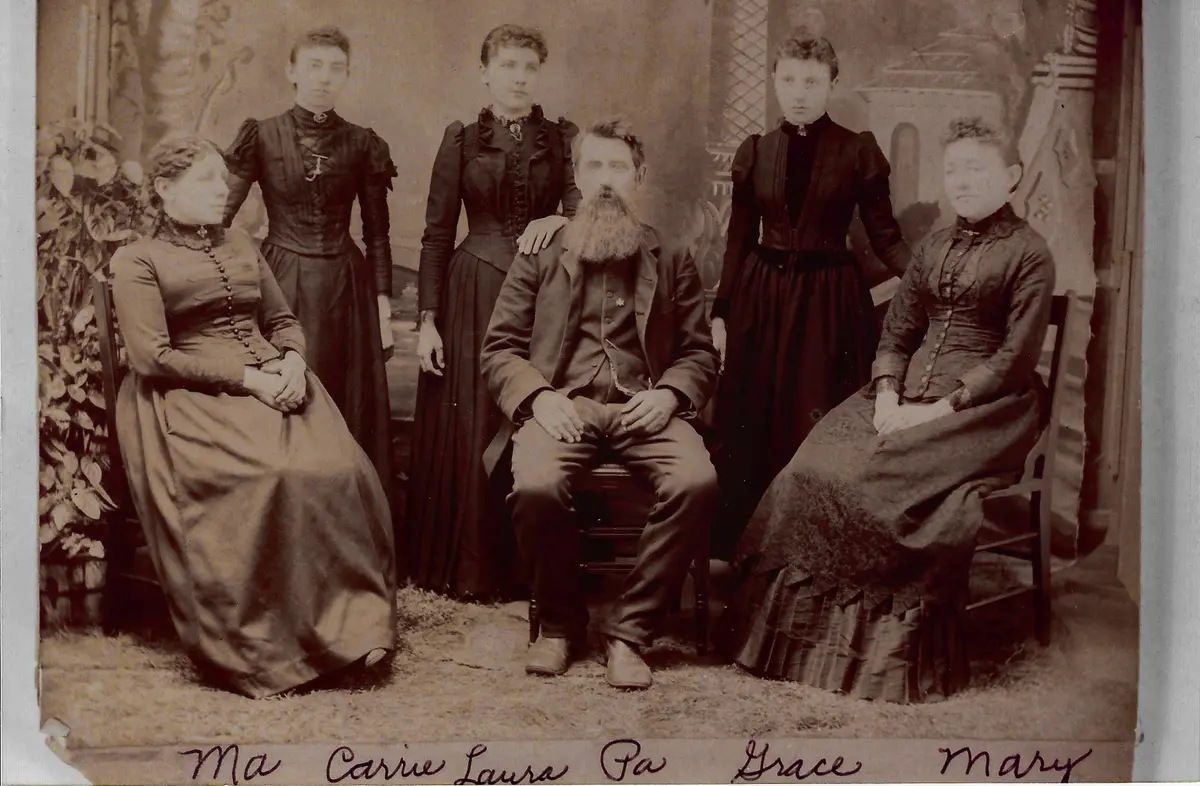
Given such a remarkable demonstration of knowledge, the reader is delighted (if not surprised) when Laura receives her teaching certificate in the book’s final chapter. In the story, she receives her certificate at age 15 for dramatic effect. In real life, Wilder was 16, the legal age. Though the school exhibition scene was fictionalized, she truly had a remarkable memory. According to biographer Caroline Fraser, Ingalls was a voracious reader who “knew a song for every occasion” and could recite passages of poets such as Shakespeare, Longfellow, and Tennyson by heart.
Half a century after the events described here, Wilder sat at her writing desk and began recording the memories of this vanished world. In doing so, she preserved more than scenes of frontier life. Her stories captured a spirit of independence rooted in faith, responsibility, and gratitude for freedom. As a young girl listening to the Declaration of Independence beneath a bright summer sky, Laura realized that “God is America’s king.” In the pages of the Little House books, that insight continues to resonate with readers today.